

Commentary
- +8
Sophia Besch, Eric Ciaramella, Steve Feldstein, …
{
  "authors": [
    "Eric Ciaramella"
  ],
  "type": "legacyinthemedia",
  "centerAffiliationAll": "dc",
  "centers": [
    "Carnegie Endowment for International Peace"
  ],
  "collections": [],
  "englishNewsletterAll": "ctw",
  "nonEnglishNewsletterAll": "",
  "primaryCenter": "Carnegie Endowment for International Peace",
  "programAffiliation": "russia",
  "programs": [
    "Russia and Eurasia"
  ],
  "projects": [],
  "regions": [
    "Eastern Europe",
    "Ukraine"
  ],
  "topics": [
    "Security",
    "Nuclear Policy"
  ]
}
REQUIRED IMAGE
Mariana Budjeryn’s “Inheriting the Bomb” tells the story of how one of these new countries, Ukraine, came into possession of the world’s third-largest nuclear arsenal—larger than the combined stockpiles of China, France, and the United Kingdom at the time—and decided to disarm peacefully a few years later.

Senior Fellow and Ukraine Initiative Director, Russia and Eurasia Program
Eric Ciaramella is a senior fellow in the Russia and Eurasia program at the Carnegie Endowment for International Peace. His work focuses on Ukraine and Russia.
Recent Work


Sophia Besch, Eric Ciaramella, Steve Feldstein, …


Eric Ciaramella, Aaron David Miller, Alexandra Prokopenko, …
Carnegie does not take institutional positions on public policy issues; the views represented herein are those of the author(s) and do not necessarily reflect the views of Carnegie, its staff, or its trustees.

The EU can impose sanctions but struggles to enforce them without the United States. With Washington increasingly disinterested in backing European interests, the bloc must now fend for itself.


Nicu Popescu, Tiago Antunes

Japan’s long-term security policy is driven by concerns about China, and there is little appetite for (or interest in) pursuing a confrontation with Moscow.

James D.J. Brown

Russia is testing the waters of NATO’s mutual defense clause. What do strikes in Romanian territorial waters mean for the alliance’s posture toward Moscow?

Dimitar Bechev

China has showcased its engineering prowess with small modular reactor demonstration projects. But turning these technological achievements into commercial success will be a greater challenge.

Tong Zhao
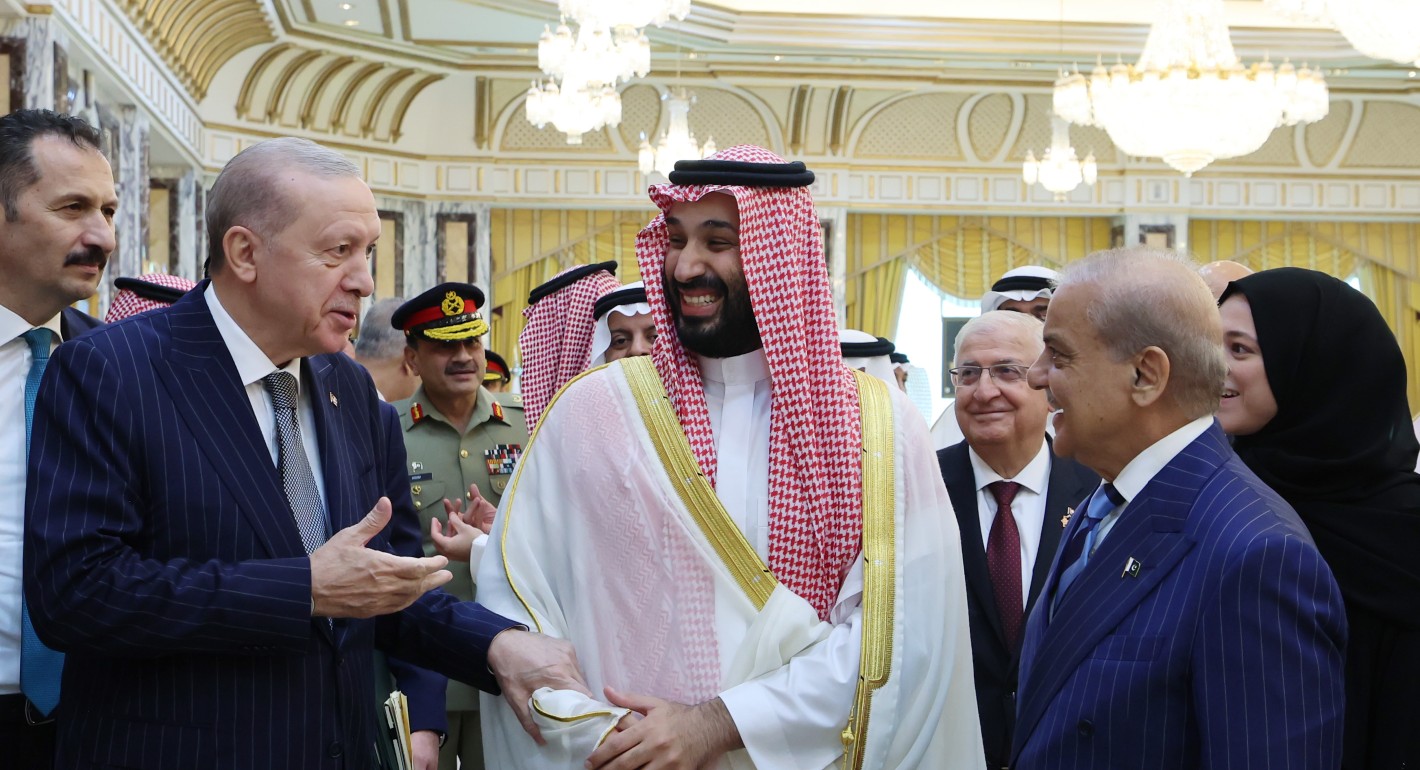
Why Pakistan, Saudi Arabia, and Turkey are joining forces on regional security.


Alper Coşkun, Amr Hamzawy