

Commentary
Amr Hamzawy
{
  "authors": [
    "Amr Hamzawy"
  ],
  "type": "commentary",
  "centerAffiliationAll": "dc",
  "centers": [
    "Carnegie Endowment for International Peace",
    "Malcolm H. Kerr Carnegie Middle East Center"
  ],
  "collections": [
    "Palestine: The Wars in the War"
  ],
  "englishNewsletterAll": "menaTransitions",
  "nonEnglishNewsletterAll": "",
  "primaryCenter": "Carnegie Endowment for International Peace",
  "programAffiliation": "MEP",
  "programs": [
    "Middle East"
  ],
  "projects": [],
  "regions": [
    "Middle East",
    "Israel",
    "Palestine",
    "Levant"
  ],
  "topics": [
    "Political Reform",
    "Security",
    "Civil Society"
  ]
}
Source: Getty
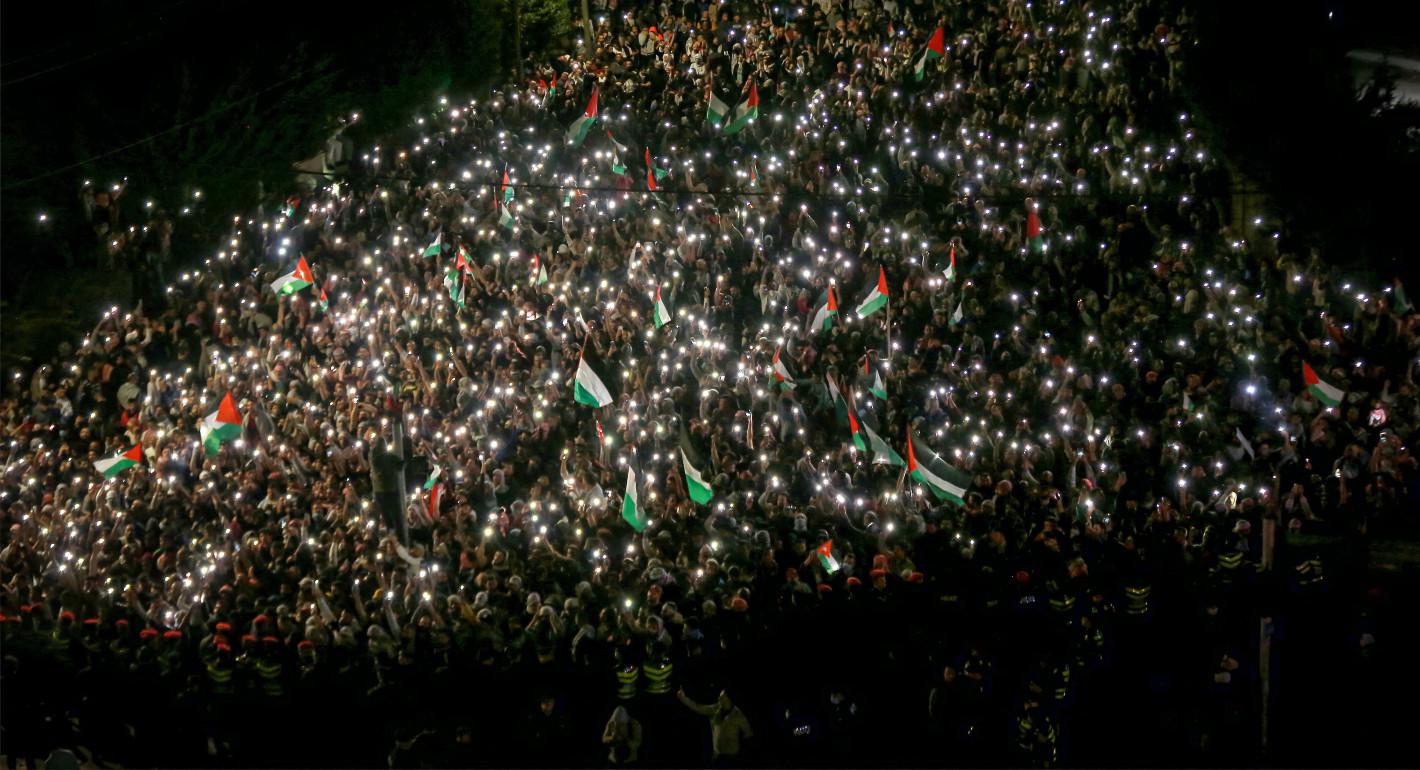
The peaceful nature of the mass mobilization reflects a growing trend to renounce violence.
Once again, the Arab street is the epicenter of peaceful demands for change.
Protests have swept across the region—including notable demonstrations in Casablanca, Algiers, Tunis, Cairo, Amman, Beirut, Damascus, Baghdad, and Manama—in support of the Palestinians in Gaza and their basic human rights in the face of an ongoing Israeli military assault and horrifying living conditions. The peaceful nature of this wave of Arab mass mobilization reflects a growing trend to renounce violence as a means of pursuing political objectives and a desire for stability following the turbulent years following the 2011 Arab Spring.
The initial Arab public response to Hamas’s acts of terror set a secular and moderate tone. Hamas’s October 7 actions conflated the boundaries between legitimate resistance to the Israeli occupation and siege of the Palestinian territories, which categorically does not include targeting civilians, and crimes of terrorism. In response, Arab governments, civil society organizations, several media outlets, and some influential social media accounts were quick to condemn the violence and call for the protection of life on both sides. When governmental and nongovernmental voices ignored the targeting of Israeli civilians, their one-sided opinions were quickly marginalized. On October 26, as Israeli bombardment of Gaza intensified, nine Arab foreign ministers issued a statement reaffirming their opposition to violence and the killing of civilians.
Together, the mainstream Arab public space put forward pro-peace and pro-life values without any attempt to justify Hamas actions—neither with references to the ongoing occupation and siege of the Palestinian territories nor by evoking militant Islamist anti-Jewish rhetoric that has lost its popular appeal in recent years. Rather, many Arab commentators and influencers placed the occupation and siege as key facts in the persistent denial of the Palestinian right to self-determination. They also highlighted the daily struggles of Palestinians in the West Bank due to the aggressive expansion of the Jewish settlements, in East Jerusalem because of the forced displacement, and in Gaza as a result of the inhumane siege.
Despite a shocking trend to dehumanize Palestinians in Israeli media and policy circles, parallel narratives dehumanizing Israeli civilians have not gained in popularity among Arabs. In the first hours following the Hamas attack, mainstream Arab voices showed no appetite for condoning or justifying the violence.
This initial nonviolent and humanist response has held its ground with the emergence of pro-Palestine mass mobilization in several Arab countries. The Arab street has watched as the civilian population in Gaza falls victim to Israeli attacks and is left without international protection or aid amid a humanitarian catastrophe. As Arab citizens have taken to public spaces to protest the Israeli aggression, they have focused on the Tel Aviv war cabinet’s decision to launch a ground invasion of Gaza, to displace Palestinians within the strip, and to punish them collectively by cutting off water, electricity, and fuel. The demands that arose from these demonstrations have not called on Arab governments to attack Israel. They rather prioritized protecting the Palestinian people from Israeli aggression, ensuring that humanitarian aid gets into the strip, and denouncing plans to displace a population that has been displaced numerous times since 1948.
These mass mobilizations have also aimed to expose and condemn Western double standards and complicity in the ongoing occupation and current onslaught on Gaza. Protesters have emphasized U.S. and others’ unconditional support for Israel—despite a Palestinian death toll in the thousands, the destruction of critical civilian infrastructure, the displacement of over 1 million Palestinians within Gaza, and the obstruction of access to humanitarian aid. Scenes of protesters burning the Israeli and the U.S. flags and expressing sympathies to Hamas militants have surfaced on social media, but they account for a tiny fraction of the Arab street movement. The overwhelming majority have stayed on the nonviolent course.
The trend toward renouncing violence in the mainstream Arab public space and the Arab street has been on the rise. Data from the Arab Barometer, a Princeton University–based public opinion surveying project, documents a decrease in popular acceptance of violence and its use for internal or external purposes. In recent years, an overwhelming majority of respondents— including those from Algeria, Egypt, Iraq, Jordan, Tunisia, and Libya—have stated their rejection of the use of force or violence for political causes. Additionally, Arab Barometer surveys have documented that the sheer majority of Arabs—on average over 90 percent— disapproves of extremist organizations and condemns their acts of terror. Although Hamas and other Palestinian groups are predominantly seen in the Arab world as resistance movements, their violence against Israeli civilians has been largely condemned. A clear preference for peace between Israelis and Palestinians on the basis of the two-state solution has been on the rise.
But this support for nonviolence can be fragile, especially if protesters’ demands aren’t addressed. I’ve witnessed these changes firsthand. I was a participant in the peaceful 2011 movement in Egypt, as nonviolent demonstrators took to the streets there—as well as in Tunisia and other Arab countries—to call for more rights and freedoms and to demand an orderly transition to democracy. I watched as demonstrators’ hopes and aspirations withered away, and some countries degenerated to violence and militant activism. Now, I fear that we may be observing a similar development in the making.
But in the current trend to renounce violence in the Arab street and the collective rejection of dehumanizing narratives in the mainstream public space, I see the launchpad for a possible revival of the peace process between Israelis and Palestinians, with wide Arab backing for the first time.
Will Israel play along? Will Arab majorities stick to nonviolence to put an end to the Israeli-Palestinian conflict? I truly hope. And I pray that this time our region can avoid the fate of failed transitions and lost peace.

Director, Middle East Program
Amr Hamzawy is a senior fellow and the director of the Carnegie Middle East Program. His research and writings focus on Egypt’s and other middle powers’ involvement in regional security in the Middle East, particularly through collective diplomacy and multilateral conflict resolution
Recent Work
Amr Hamzawy
Amr Hamzawy, Kathryn Selfe
Carnegie does not take institutional positions on public policy issues; the views represented herein are those of the author(s) and do not necessarily reflect the views of Carnegie, its staff, or its trustees.

Five intuitions about how AI could change our work.
Dan Baer
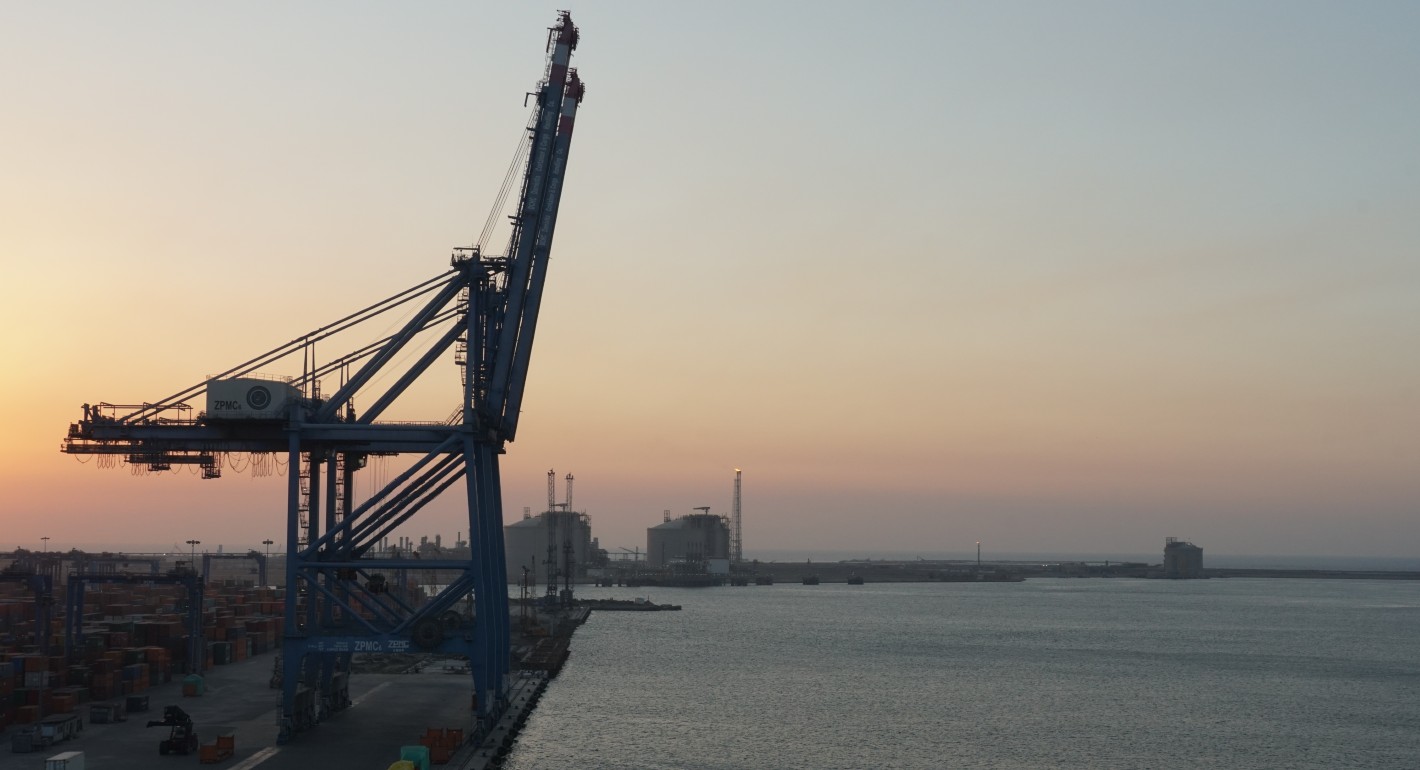
The targeting of Damietta Port appears to be more than a mere security message.
Amr Hamzawy
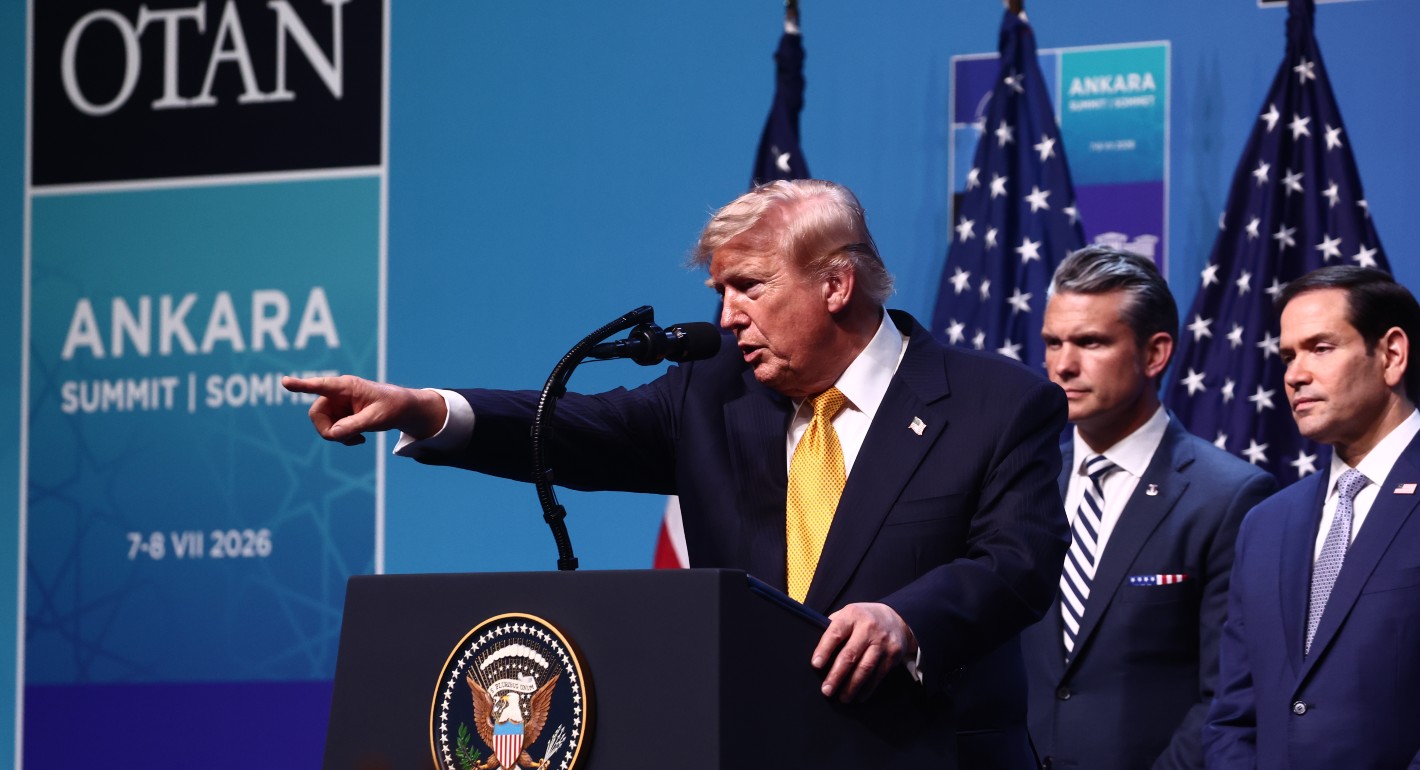
Does Donald Trump want to redraw the map of the world? Historian and geopolitical thinker Stephen Wertheim tries to parse the logic behind current American foreign policy

Stephen Wertheim

In the fog of modern war, generative AI offers every side a simple transaction: Trade documented reality for permanent doubt.

Mahsa Alimardani, Afsaneh Rigot

Is the Gulf moving beyond the dollar? This article examines how China is expanding the renminbi's role across Gulf markets, what that means for regional finance, and why the future of global currencies is more complex than the de-dollarization debate suggests.

Andrew Bonney