

Article
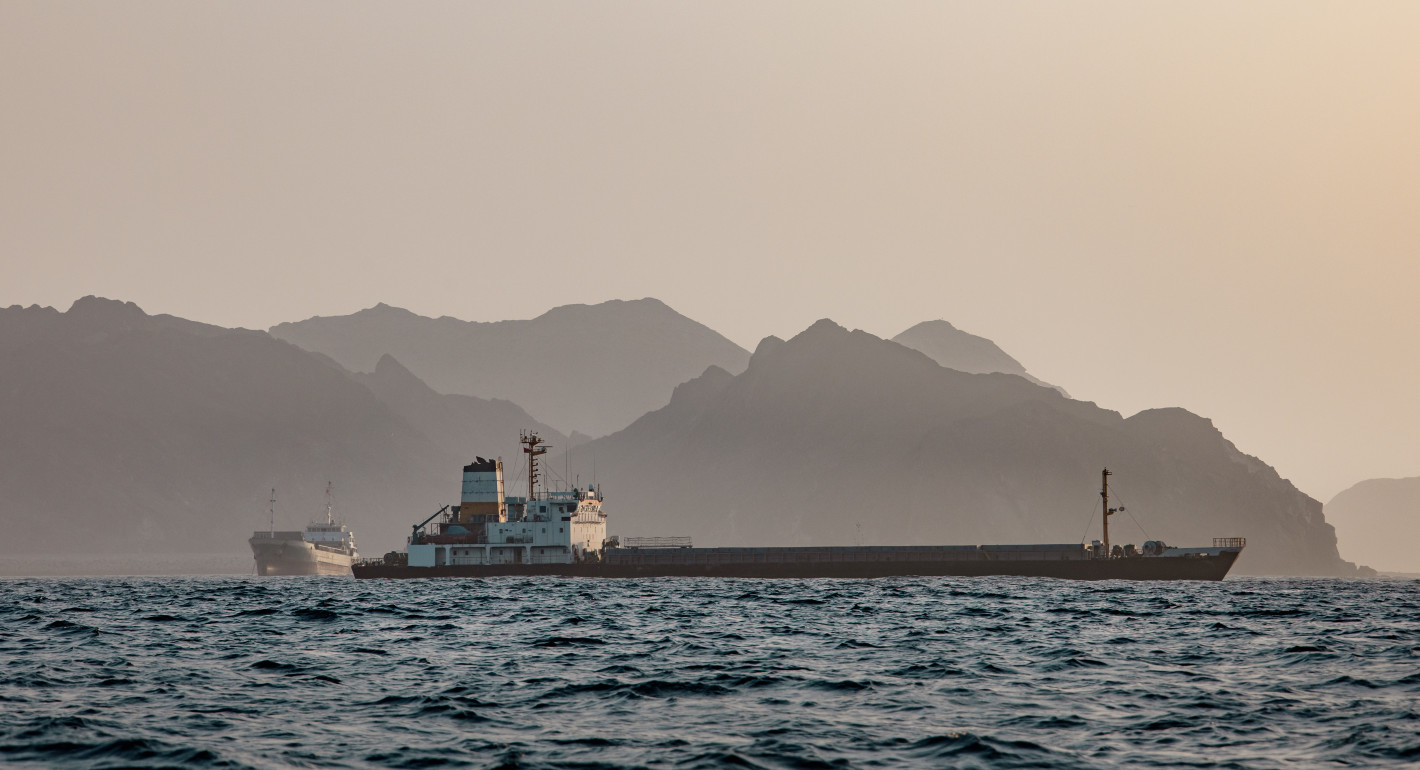
Morocco and Algeria, each in its own way, are having to navigate the global economic fallout of the U.S.-Israeli military campaign against Iran.
Yasmine Zarhloule

Source: Washington, DC: Carnegie Endowment for International Peace, 2000
In 1997, East Asia was beset by financial crisis and panic. Despite decades of high and sustained growth, most of these countries had little, if any, form of social insurance to help soften the effects of the crisis.
Whereas the international community focuses predominately on the poor, After the Crisis examines the impact of the crisis on an emergent most urban "striving class". Authors Nancy Birdsall and Stephan Haggard emphasize the strategic importance of this emerging middle class in forging an explicit social contract that could benefit all classes.
Please note: this book is no longer available in print format, for more information, please contact Carnegie Publications office.
Former Senior Associate
Stephan Haggard
Carnegie does not take institutional positions on public policy issues; the views represented herein are those of the author(s) and do not necessarily reflect the views of Carnegie, its staff, or its trustees.

Morocco and Algeria, each in its own way, are having to navigate the global economic fallout of the U.S.-Israeli military campaign against Iran.

Yasmine Zarhloule
Middle powers in the region will keep hedging between Washington and Beijing. It’s in the great powers’ interests to play along.

Amr Hamzawy, Kathryn Selfe

The future of American economic power will be determined by the interplay between Trump’s ambitions and the global backlash against them, as well as economic developments outside the direct control of the government, such as advances in AI.

Peter Harrell
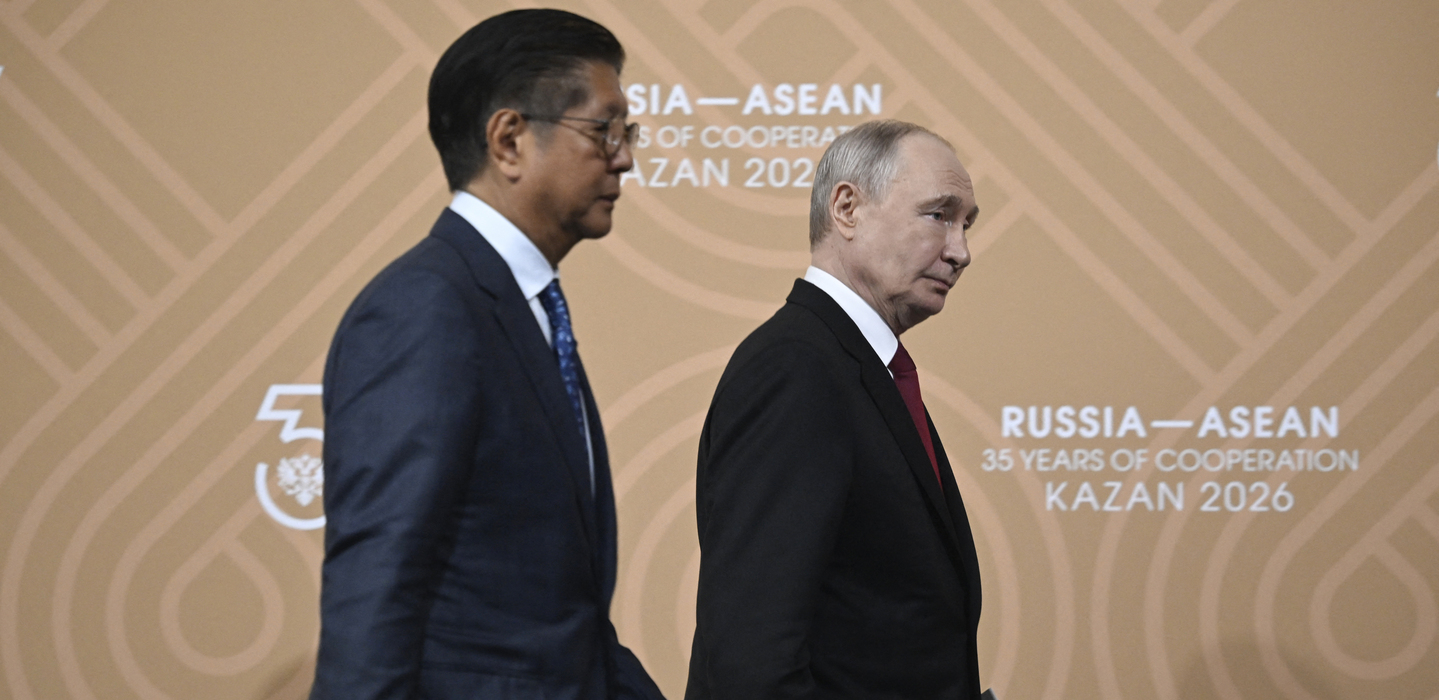
Russia looks set to reap economic benefits from closer ties with Southeast Asian countries that are keen to find reliable energy suppliers and diversify trade ties.

Alexander Gabuev

To carry out its global AI agenda, Washington will need strategic relationships with emerging markets in Africa, starting with Kenya.
Jane Munga