

Commentary
Mustapha Kamel Al-Sayyid

REQUIRED IMAGE
Since September 11, discussions of political Islam have been distorted by the tendency to identify political Islam with Osama bin Laden, his associates, and organizations involved in violent actions in places such as Chechnya, Kashmir, Algeria, and Egypt. In reality, such violent, militant groups constitute only a small minority among political Islamists.
Summary
Since September 11, discussions of political Islam have been distorted by the tendency to identify political Islam with Osama bin Laden, his associates, and organizations involved in violent actions in places such as Chechnya, Kashmir, Algeria, and Egypt. In reality, such violent, militant groups constitute only a small minority among political Islamists. Another, non-violent face of Islamism exists and is often ignored in current debates. In this working paper, Mustapha Kamel Al-Sayyid describes Islamism and examines how the international community should deal with the movement's non-violent majority.
About the Author
Mustapha Kamel Al-Sayyid is professor of political science and director of the Center for Developing Countries Studies at Cairo University in Egypt. In July and August of 2002, he was a visiting fellow at the Carnegie Endowment with the Democracy and Rule of Law Project.
A limited number of print copies are available.
Request a copy.
Former Visiting Scholar
Mustapha Kamel Al Sayyid, visiting fellow, is professor of political science and director of the Center for the Study of Developing Countries at Cairo University, and he also teaches at the American University in Cairo. He previously taught at Harvard University and was a visiting scholar at the University of California Los Angeles. His areas of specialization include the politics of development, foreign aid, human rights, and civil society. A prolific writer in Arabic, English, and French, Mr. Al-Sayyid has published extensively on civil society, political change, and ideology.
Recent Work
Mustapha Kamel Al-Sayyid
Carnegie does not take institutional positions on public policy issues; the views represented herein are those of the author(s) and do not necessarily reflect the views of Carnegie, its staff, or its trustees.
It should address the shortcomings of previous crisis communication efforts and adapt to the demands of frontier AI.

Lucy Luo

If the Russian-speaking community in Latvia cannot articulate their interests without being seen as disloyal, they could end up embracing a pro-Kremlin agenda.

Sergejs Potapkins
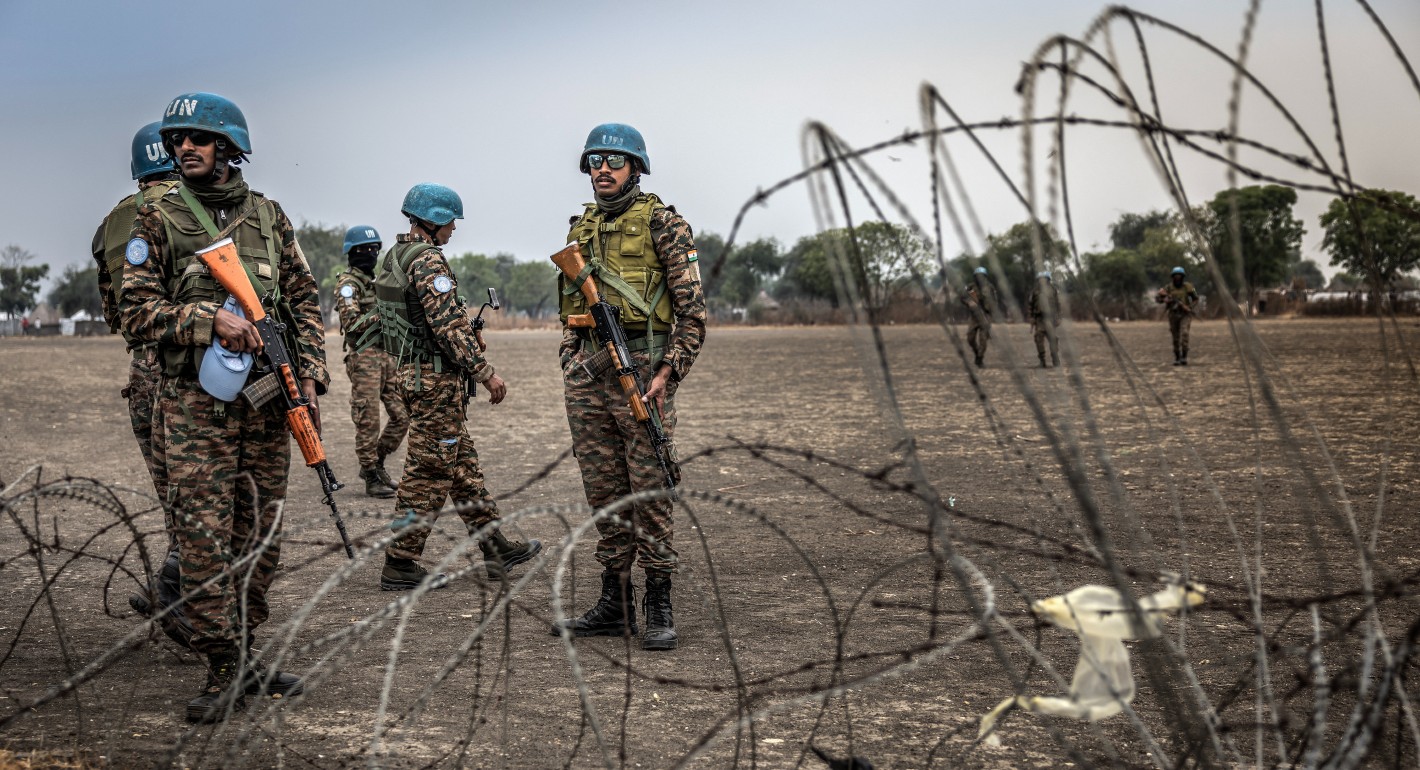
Washington’s decision to support some UN functions while letting others wither is pulling the organization apart at the seams.

Stewart Patrick, Theodore Zaritsky

Are Germany’s economic, industrial, and political struggles becoming a liability for the EU’s ability to rise to the geopolitical moment?

Rym Momtaz, ed.

Russia’s ruling party would have benefited from Putin appearing as its distant patron, but as an active frontman imposing his views on the public, he has done nothing but harm both the party’s election campaign and the ruling system overall.

Andrey Pertsev