

Commentary
Amr Hamzawy

REQUIRED IMAGE
Recent years have witnessed unprecedented political dynamism in Saudi Arabia. Two factors—international and domestic reform demands—have injected new elements of dynamism and openness into Saudi Arabia’s political reality. They have also generated sufficient incentives for the government to embark on the road of reform.
Source: Carnegie Endowment
Recent years have witnessed unprecedented political dynamism in Saudi Arabia. Since 2002, the government has pursued various reform policies. Its most relevant measures have included reforming the Shura Council, holding municipal elections, legalizing civil society actors, implementing educational reform plans, and institutionalizing national dialogue conferences. Two factors—international and domestic reform demands—have injected new elements of dynamism and openness into Saudi Arabia’s political reality. They have also generated sufficient incentives for the government to embark on the road of reform.
In a new Carnegie Paper, The Saudi Labyrinth: Evaluating the Current Political Opening, Carnegie Senior Associate Amr Hamzawy discusses the political actors in Saudi Arabia's political scene, recent reform measures, potential for further reform and the role of the United States. Hamzawy argues that although the reforms may seem small to the United States, they are integral steps toward liberalization.
Click on link above for the full text of this Carnegie Paper.
Amr Hamzawy is a senior associate in the Democracy and Rule of Law Project at the Carnegie Endowment and a noted Egyptian political scientist.

Director, Middle East Program
Amr Hamzawy is a senior fellow and the director of the Carnegie Middle East Program. His research and writings focus on Egypt’s and other middle powers’ involvement in regional security in the Middle East, particularly through collective diplomacy and multilateral conflict resolution
Recent Work
Amr Hamzawy
Amr Hamzawy
Carnegie does not take institutional positions on public policy issues; the views represented herein are those of the author(s) and do not necessarily reflect the views of Carnegie, its staff, or its trustees.

Before the next wave of EU enlargement takes place, the union needs to grapple with thorny questions of how power is distributed among its members.


Emil Sondaj Hansen, Ditte Brasso Sørensen
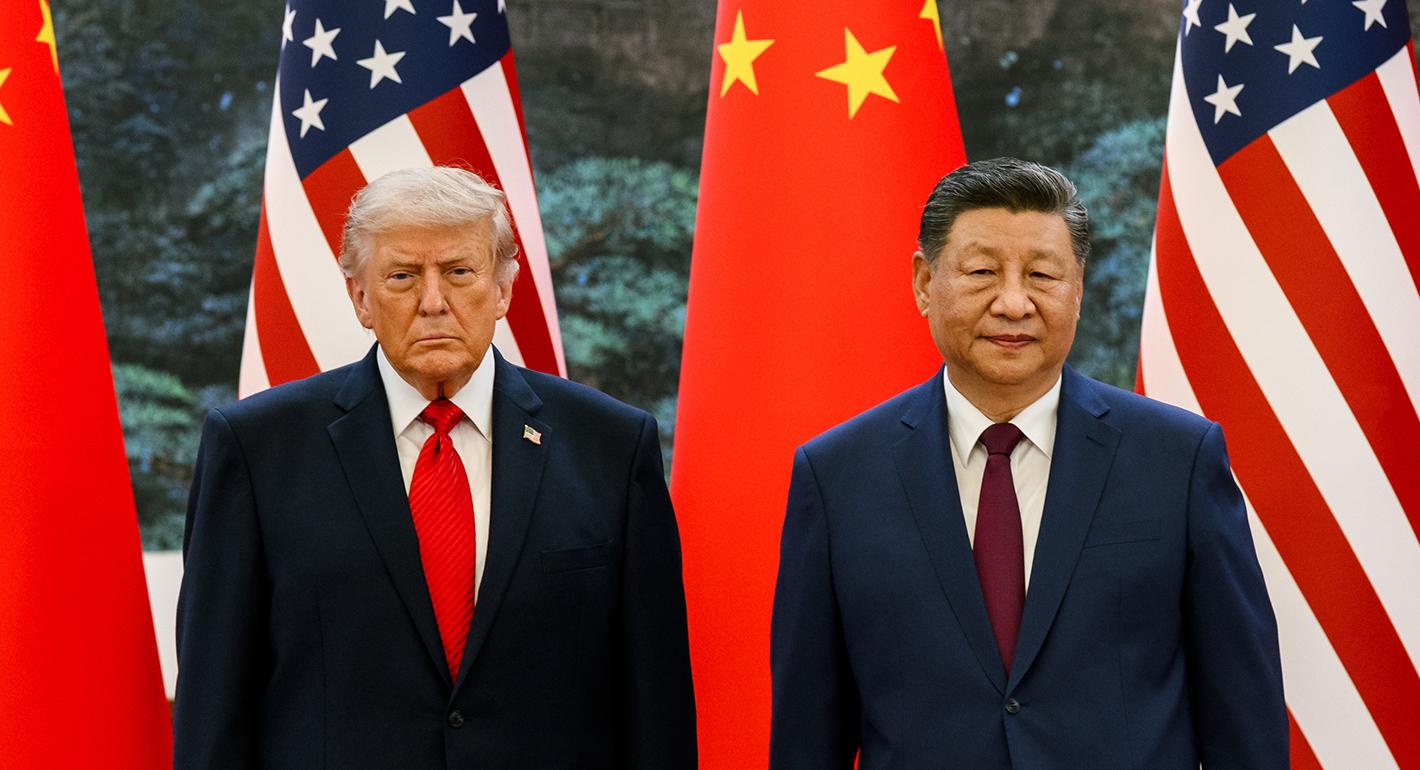
The real test may come after the leaders leave the room.



Sheena Chestnut Greitens, Oriana Skylar Mastro, Yukon Huang, …

The Horn of Africa countries are among those facing a new security calculus.


Andrew Leber, Lesley Anne Warner

The European far right might fail to steer EU policy in the direction Russia wants, but they will create enough chaos inside Europe to benefit the Kremlin.

Dimitar Bechev

The new U.S.–Denmark–Greenland agreement will help Washington exert political, economic, and financial dominance under the guise of security. Yet, it acknowledged Copenhagen’s and Nuuk’s sovereignty on the island.

Marc Pierini