

Commentary
European reactions to the war in Iran have lost sight of wider political dynamics. The EU must position itself for the next phase of the crisis without giving up on its principles.
Richard Youngs

REQUIRED IMAGE
Without strong secular parties, political competition in the Arab world could be reduced to a dangerous head-on confrontation between Islamist parties and the incumbent governments. Yet secular parties are clearly facing a crisis in the Arab world as they struggle for influence, relevance, and in some cases, survival.
Source: Carnegie Endowment
Without strong secular parties, political competition in the Arab world could be reduced to a dangerous head-on confrontation between Islamist parties and the incumbent governments. Yet secular parties—a broad term referring to organizations that do not embrace a political platform inspired by religious ideals—are clearly facing a crisis in the Arab world as they struggle for influence, relevance, and in some cases, survival.
In a new Carnegie Paper, Fighting on Two Fronts: Secular Parties in the Arab World, Carnegie Endowment Senior Associates Marina Ottaway and Amr Hamzawy explore the uncertain future of secular parties across the Arab world by examining their role in Morocco, Egypt, Yemen, and Kuwait. The authors argue that secular parties need to reform their vision, message, and organization to be able to affect the political system in a meaningful way.
Voters see little reason to support secular parties that offer neither the patronage of government parties, nor the vision and social services of Islamist movements. As a result, they have become second-tier actors who cannot compete successfully for voter support. Their leaders, in turn, feel victimized by authoritarian governments that allow little legal space for free political activity and believe they cannot compete with the grassroots mobilization by the Islamist movements.
The authors argue that secular parties can re-energize and attract disenchanted voters by clearly distinguishing themselves from Islamist movements and the government. Low political participation in Arab countries indicates that there are new constituencies that secular parties could attract, and the ability of the ruling government to provide patronage has declined.
The crisis of secular parties is emerging as a major obstacle to democratic reform in the Arab world. “The weakness of secular parties is leading to a curious blurring of the lines between government and opposition, with many secular parties looking to the government for protection against the rise of Islamists, even as they try to curb the power of those governments.”
A limited number of print copies of this Carnegie Paper are available.
Request a copy
About the Authors
Marina Ottaway is a senior associate in the Democracy and Rule of Law Program and director of the Carnegie Middle East Program.
Amr Hamzawy, a senior associate at the Carnegie Endowment, is a noted Egyptian political scientist who previously taught at Cairo University and the Free University of Berlin.
Former Senior Associate, Middle East Program
Before joining the Endowment, Ottaway carried out research in Africa and in the Middle East for many years and taught at the University of Addis Ababa, the University of Zambia, the American University in Cairo, and the University of the Witwatersrand in South Africa.

Director, Middle East Program
Amr Hamzawy is a senior fellow and the director of the Carnegie Middle East Program. His research and writings focus on governance in the Middle East and North Africa, social vulnerability, and the different roles of governments and civil societies in the region.
Carnegie does not take institutional positions on public policy issues; the views represented herein are those of the author(s) and do not necessarily reflect the views of Carnegie, its staff, or its trustees.
European reactions to the war in Iran have lost sight of wider political dynamics. The EU must position itself for the next phase of the crisis without giving up on its principles.

Richard Youngs
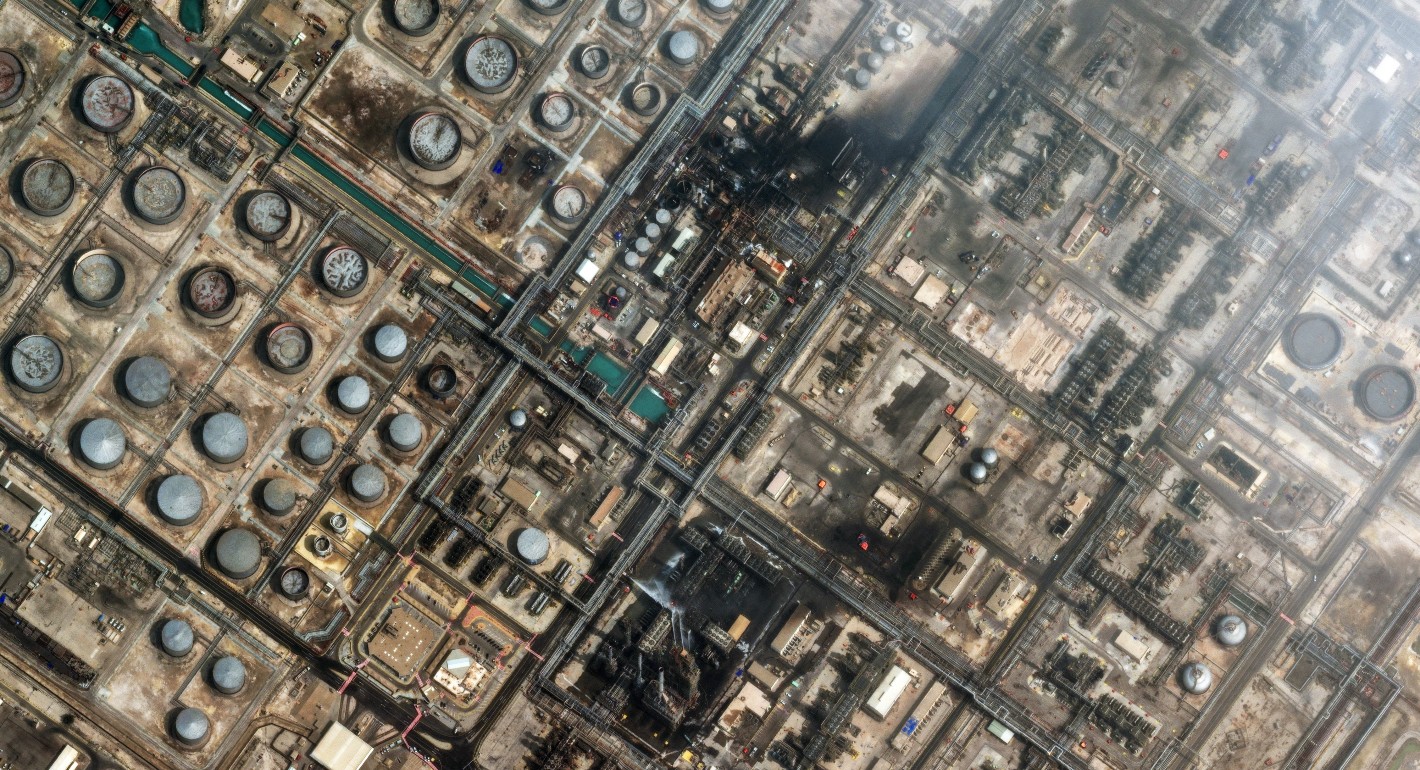
Tehran’s attacks are reshaping the security situation in the Middle East—and forcing the region’s clock to tick backward once again.
Amr Hamzawy
Only collective security can protect fragile economic models.

Andrew Leber
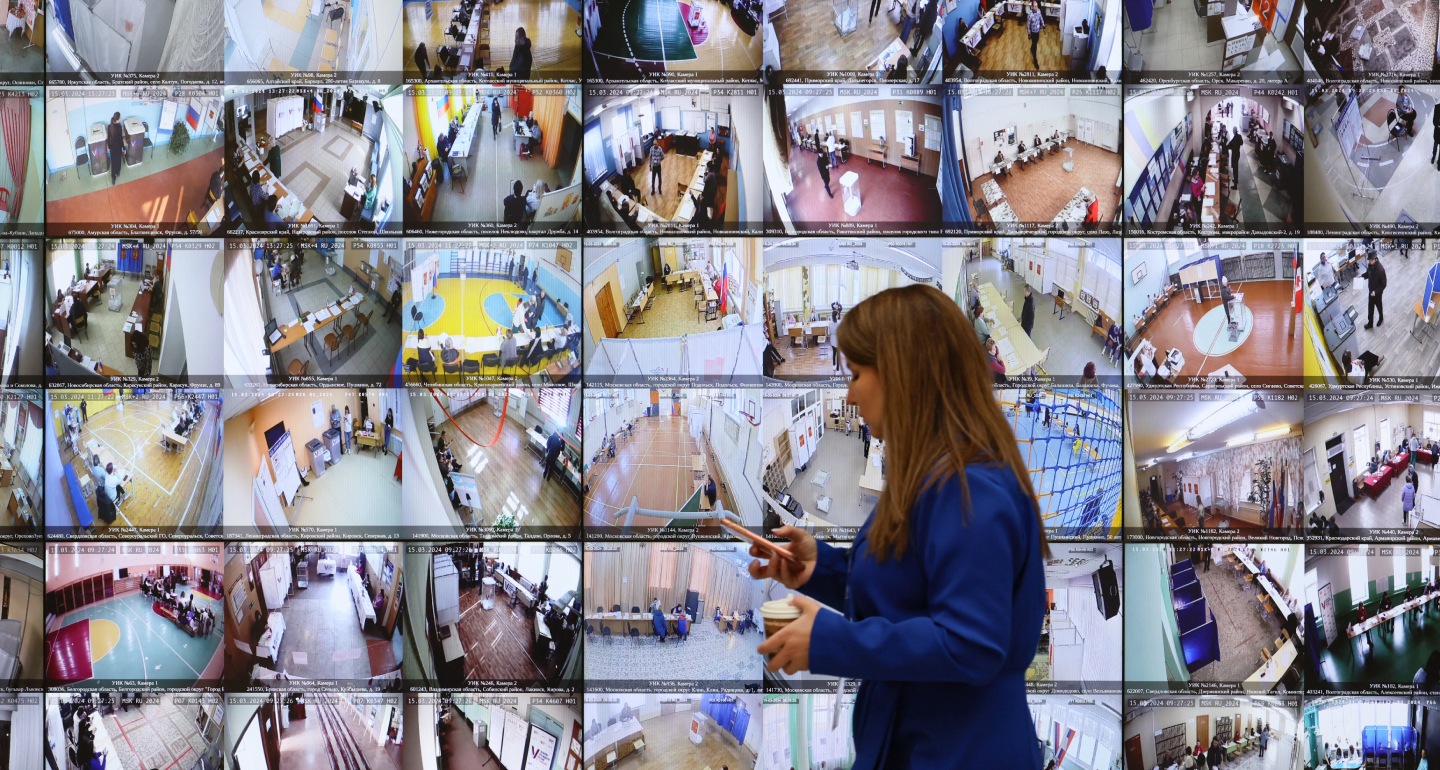
The use of technology to mobilize Russians to vote—a system tied to the relative material well-being of the electorate, its high dependence on the state, and a far-reaching system of digital control—is breaking down.

Andrey Pertsev
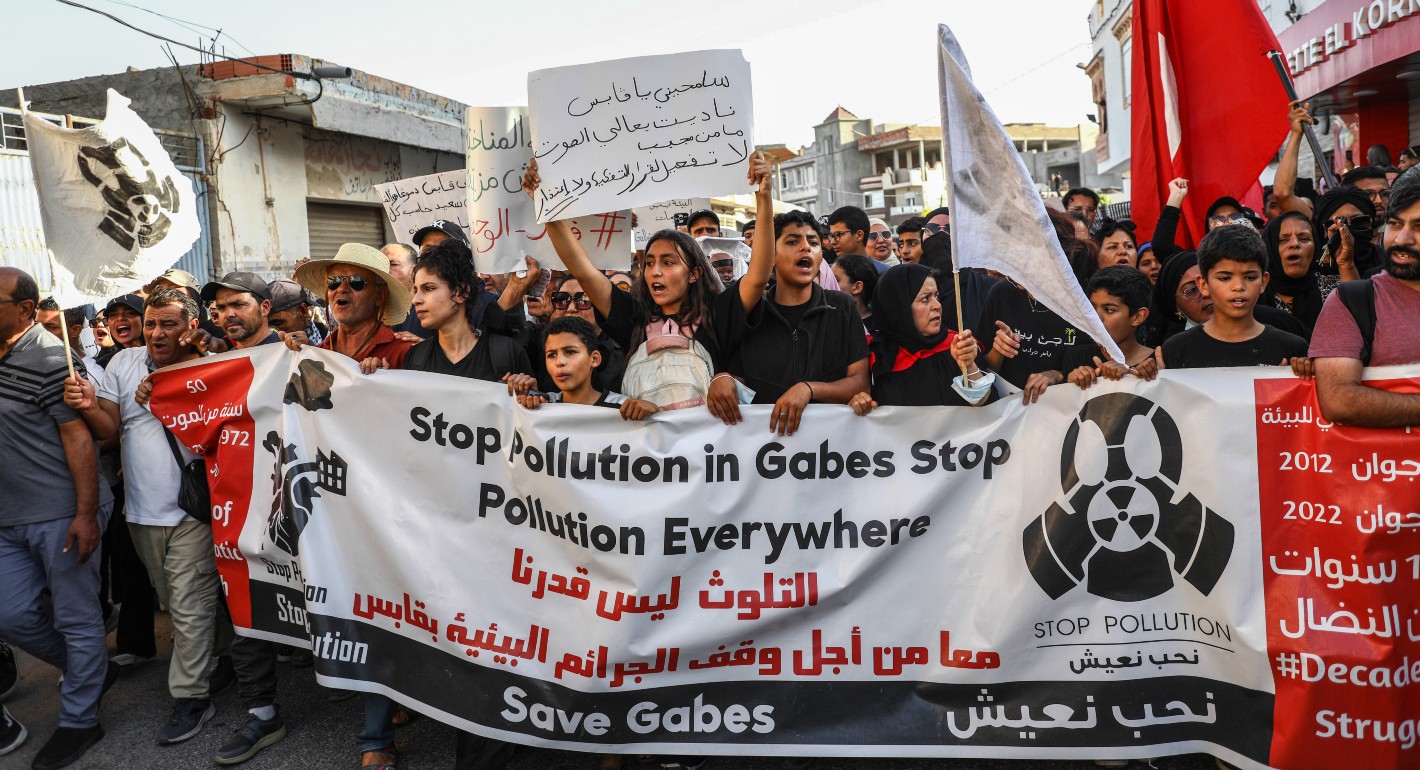
For climate-focused civil society in countries like Morocco, Algeria, and Tunisia to be most effective, organizations should work together to develop networks that extend their reach beyond their local area and connect across borders to share best practices and amplify each other’s work.

Sarah Yerkes