

Q&A
Aaron David Miller, Karim Sadjadpour, Robin Wright

There is perhaps no leader in the world more important to current world affairs but less known and understood than Ayatollah Ali Khamenei, Supreme Leader of Iran. In a unique and timely new study Carnegie’s Karim Sadjadpour presents an in-depth political profile of Khamenei based on a careful reading of three decades' worth of his writings and speeches.
There is perhaps no leader in the world more important to current world affairs but less known and understood than Ayatollah Ali Khamenei, Supreme Leader of Iran. In a unique and timely study Carnegie’s Karim Sadjadpour presents an in-depth political profile of Khamenei based on a careful reading of three decades' worth of his writings and speeches.
Sadjadpour argues that because the real political power of the Iranian Supreme Leader dwarfs that of the president, “It’s time for the world to focus less on Ahmadinejad and more on Khamenei. His speeches present arguably the most accurate reflection of Iranian domestic and foreign policy aims and actions over the last two decades.” He explores how Khamenei’s unexpected ascent to power is instructive in understanding his style of leadership, and unearths insightful quotes that provide deep insight into Khamenei’s thoughts on issues such as the United States, Israel, Iraq, President Ahmadinejad, and the nuclear issue. Sadjadpour suggests that Khamenei's “rhetoric depicts a resolute leader with a remarkably consistent and coherent—though highly cynical and conspiratorial—world view.”
According to Sadjadpour, Khamenei’s legitimacy was one of the numerous casualties of Iran’s tainted 2009 presidential elections. While for two decades he had attempted to cultivate an image of an impartial and magnanimous guide staying above the political fray, his defiant public support for hardline President Mahmoud Ahmadinejad—amid massive popular uprisings and unprecedented fissures among the country’s political elites—exposed him as a petty, partisan autocrat.
Despite the damage to his reputation, Khamenei’s vast and potent network remains for the moment intact. The country’s most powerful institutions—the Revolutionary Guards, presidency, Parliament, Guardian Council, and judiciary—continue to be led by individuals either directly appointed by Khamenei or deeply loyal to him. Khamenei also retains enormous influence over the Iranian economy. Thus, for the foreseeable future, any successful approach toward Iran must take into account Khamenei's pivotal role in Iran’s decision-making process and his deeply held suspicions of the United States. Indeed, as Sadjadpour argues, a fundamental shift in Iranian domestic and foreign policy is unlikely as long as Khamenei is at the helm. After three decades of immersion in the “death to America” culture of 1979, it simply may not be possible for Khamenei to reinvent himself at age 70.
Click on the icon above for the full text of this Carnegie report.
About the Author
Karim Sadjadpour is an associate at the Carnegie Endowment for International Peace. He joined Carnegie after four years as the chief Iran analyst at the International Crisis Group based in Tehran and Washington, D.C. A leading researcher on Iran, Sadjadpour has conducted dozens of interviews with senior Iranian officials, and hundreds with Iranian intellectuals, clerics, dissidents, paramilitaries, businessmen, students, activists, and youth, among others.

Senior Fellow, Middle East Program
Karim Sadjadpour is a senior fellow at the Carnegie Endowment for International Peace, where he focuses on Iran and U.S. foreign policy toward the Middle East.
Recent Work


Aaron David Miller, Karim Sadjadpour, Robin Wright
Aaron David Miller, David Petraeus, Karim Sadjadpour
Carnegie does not take institutional positions on public policy issues; the views represented herein are those of the author(s) and do not necessarily reflect the views of Carnegie, its staff, or its trustees.
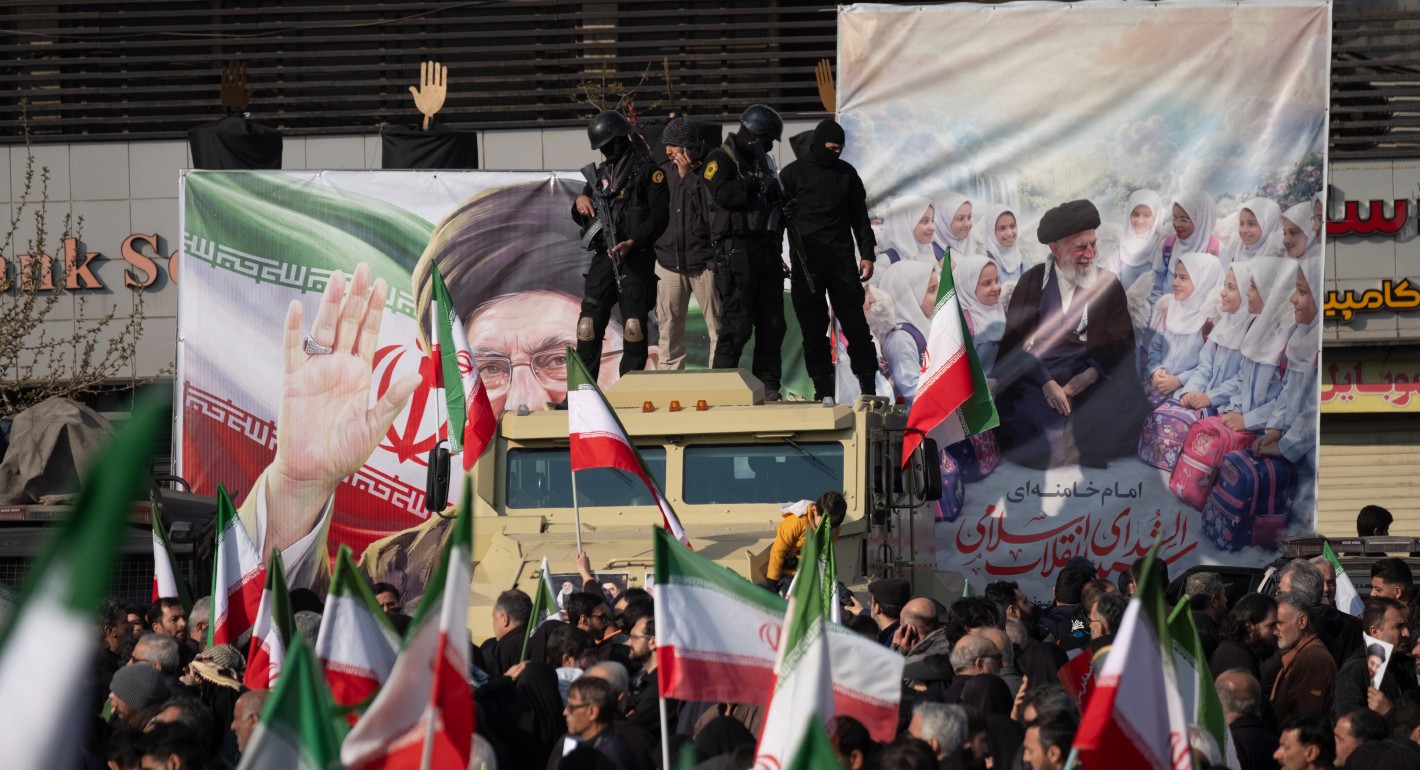
The recent record of citizen uprisings in autocracies spells caution for the hope that a new wave of Iranian protests may break the regime’s hold on power.


Thomas Carothers, McKenzie Carrier
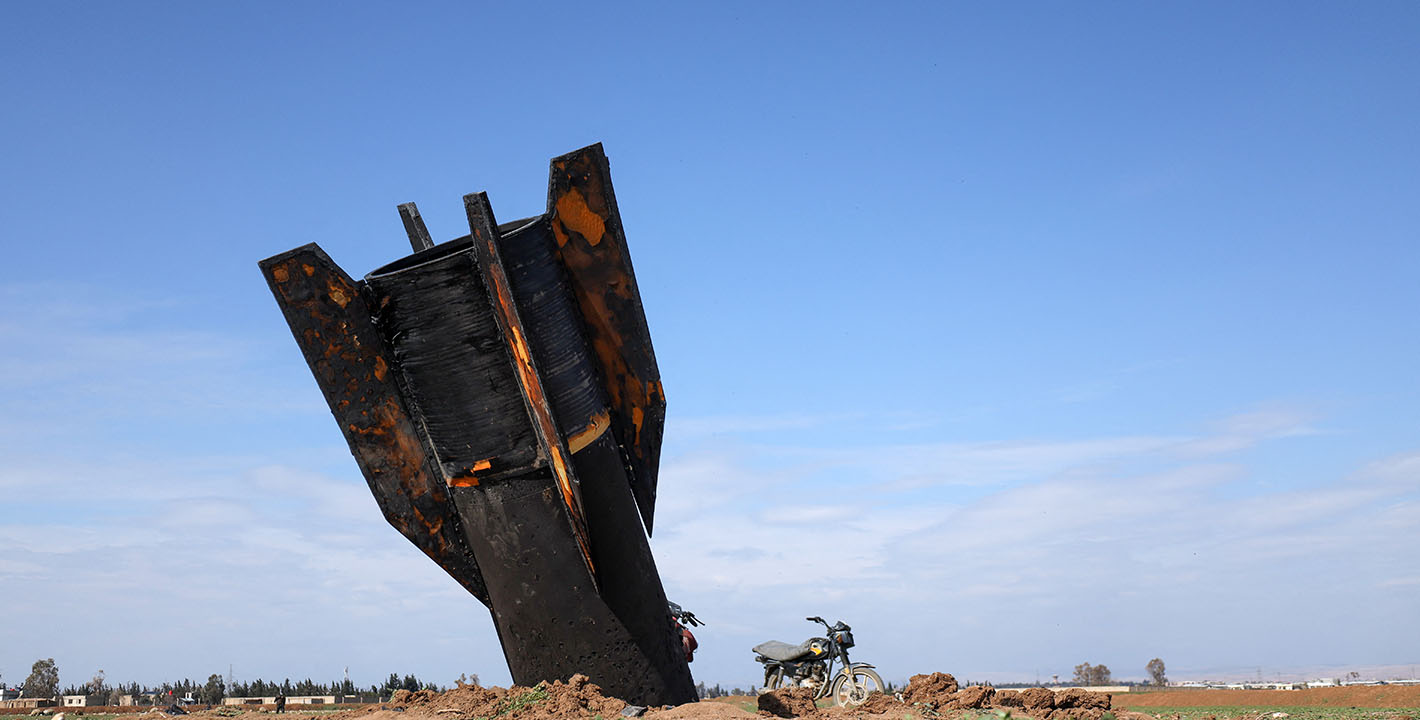
In an interview, Nicole Grajewski discusses the military dimension of the U.S. and Israeli attacks on Iran.

Michael Young
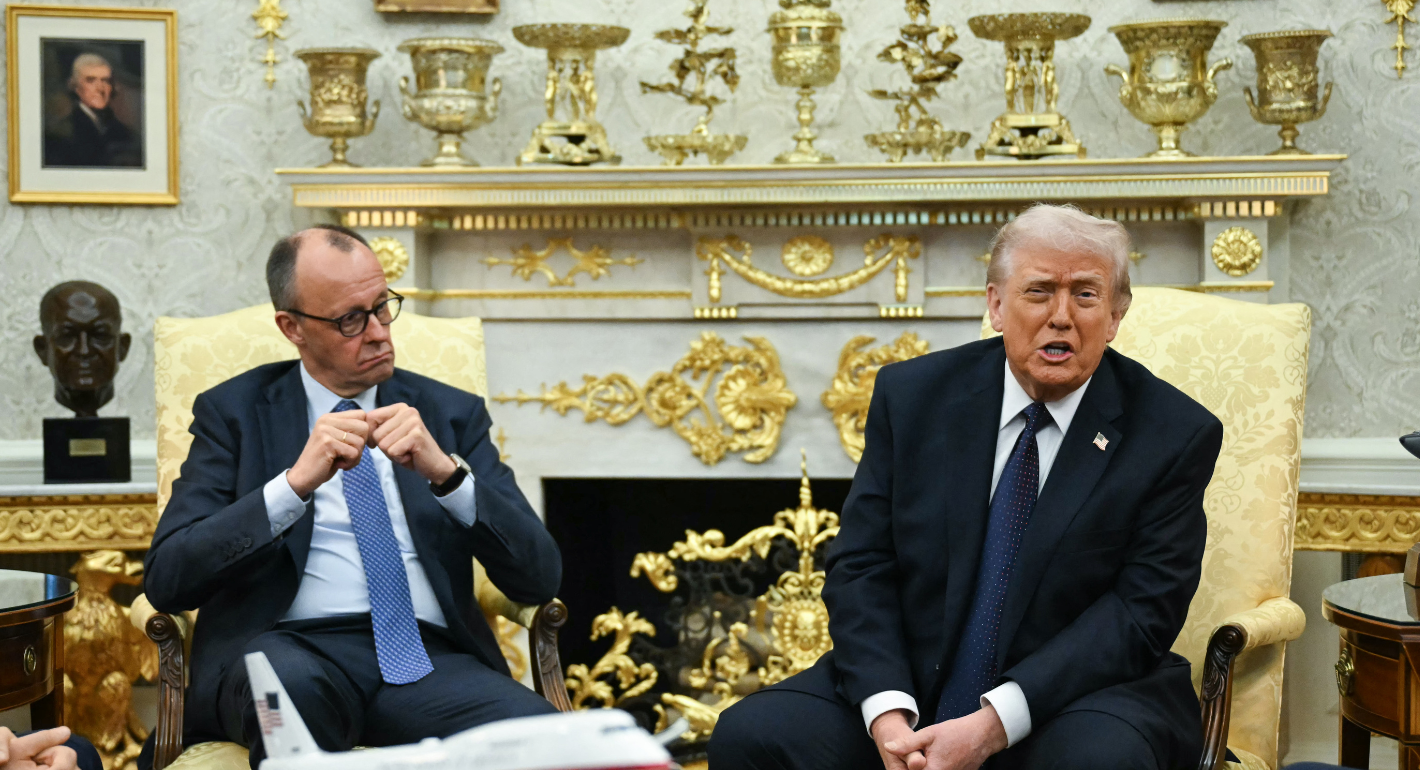
European reactions to the war in Iran have lost sight of wider political dynamics. The EU must position itself for the next phase of the crisis without giving up on its principles.

Richard Youngs
For years, the United States anchored global cyber diplomacy. As Washington rethinks its leadership role, the launch of the UN’s Cyber Global Mechanism may test how allies adjust their engagement.
Patryk Pawlak, Chris Painter
Most of Moscow’s military resources are tied up in Ukraine, while Beijing’s foreign policy prioritizes economic ties and avoids direct conflict.


Alexander Gabuev, Temur Umarov