

Commentary
With the growth in points of friction between the great powers, organizations like the SCO will continue to play a role in the strategic adaptation of the smaller powers caught between them.
Temur Umarov
Source: Getty
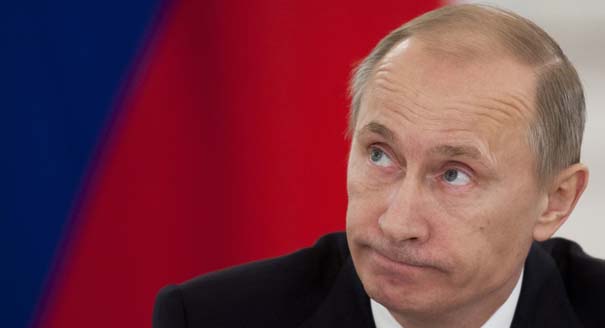
While autocratic governments that incorporate elements of democracy may be stable in the short term, such systems cannot be sustained in the long term. In Russia’s case, the system is unlikely to survive Putin himself.
Can autocratic governments that incorporate elements of democracy provide good governance? The authors approach this question with an inductive study of Russia, which is widely regarded as a leading hybrid regime and an innovator in the field. They argue that for most of the past decade, and especially during Vladimir Putin’s second term as president, Russia has been characterized by a hybrid regime that strongly resembles those in many other Eurasian states, as well as Venezuela and Iran. This type of regime combines a high degree of state centralization with the gutting of democratic institutions, and their systematic replacement with substitutions that are intended to serve some of their positive functions without challenging the incumbent leaders’ hold on power.
The label chosen for this system, overmanaged democracy, reflects three central findings. First, this system has enabled Russia’s leaders to govern more by a non-participation pact with society than by outright repression—though some very repressive elements play a role. Second, the more centralized this system becomes, the more likely political outcomes are to diverge from social ideals, and the more vulnerable the regime becomes to shocks. The survival of the regime depends heavily on the personal reputation and skill of the top leaders, who must increasingly exercise manual control over the system. And third, political outcomes in a hybrid regime are closer to social ideals and the system is less vulnerable than would be the case in a regime that relies primarily on outright repression—allowing no political opposition to exist and creating no substitutions to serve any of the functions of democratic institutions. But the authors conclude that while overmanaged democracy may be stable in the short term, it will not last in the long term. In Russia’s case, the system is unlikely to survive Putin himself.
Former Scholar-in-Residence, Society and Regions Program, Moscow Center
Nikolay Petrov was the chair of the Carnegie Moscow Center’s Society and Regions Program. Until 2006, he also worked at the Institute of Geography at the Russian Academy of Sciences, where he started to work in 1982.
Former Scholar in Residence, Society and Regions Program, Editor in Chief, Pro et Contra, Moscow Center
Lipman was the editor in chief of the Pro et Contra journal, published by the Carnegie Moscow Center. She was also the expert of the Carnegie Moscow Center’s Society and Regions Program.
Henry E. Hale
Institute for European, Russian & Eurasian Studies
Carnegie does not take institutional positions on public policy issues; the views represented herein are those of the author(s) and do not necessarily reflect the views of Carnegie, its staff, or its trustees.

With the growth in points of friction between the great powers, organizations like the SCO will continue to play a role in the strategic adaptation of the smaller powers caught between them.

Temur Umarov

Amid celebrations of bilateral ties was a deeper focus on stability in the Middle East.

Amr Hamzawy
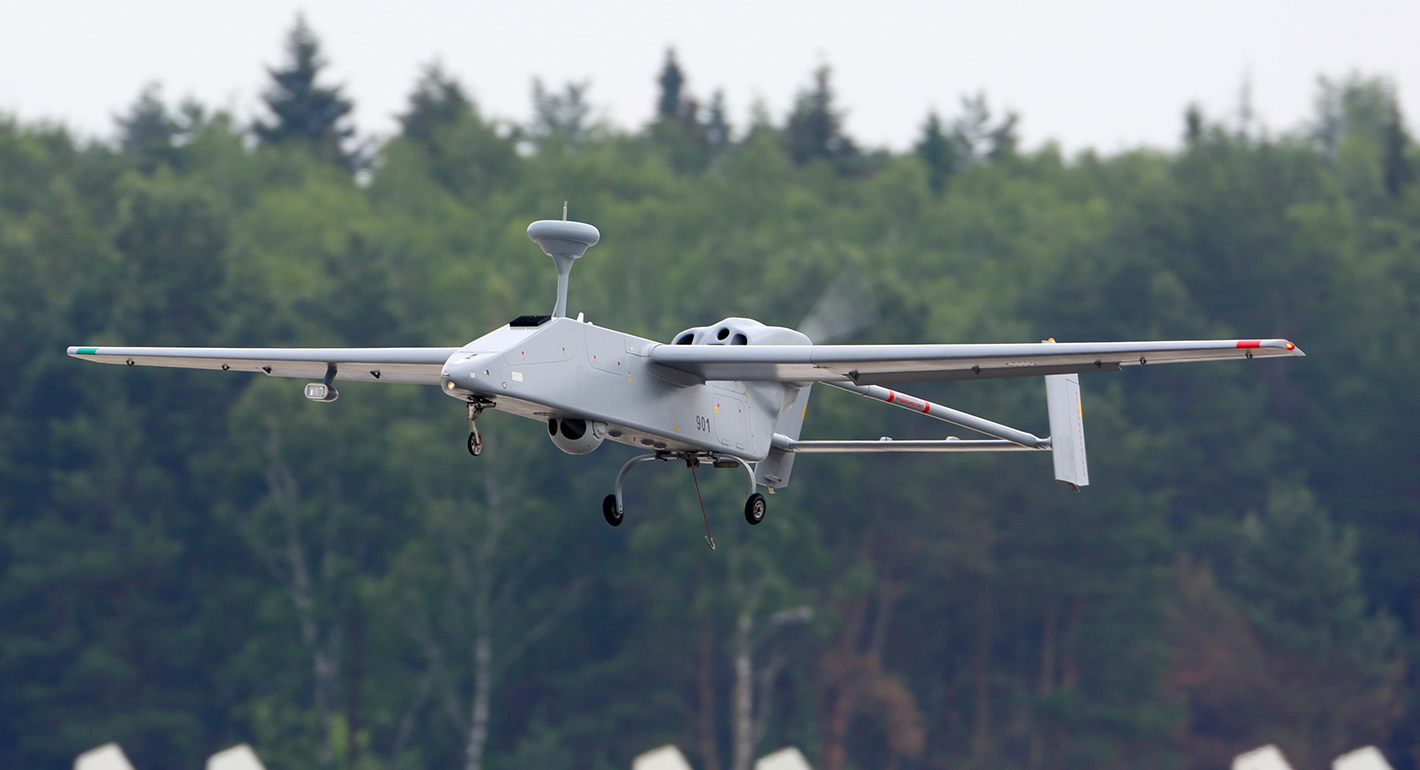
Moscow is testing Europe’s defenses with drone incursions and could decide to use drones against the continent on a much larger scale once the war in Ukraine pauses. European countries will need Kyiv to help them prepare for such a possibility.
Pavlo Zvenyhorodskyi

The war in Ukraine and a change in ownership led VK to neglect its commercial ventures in favor of implementing the Kremlin’s online agenda. Now it’s been sanctioned by the EU.

Maria Kolomychenko
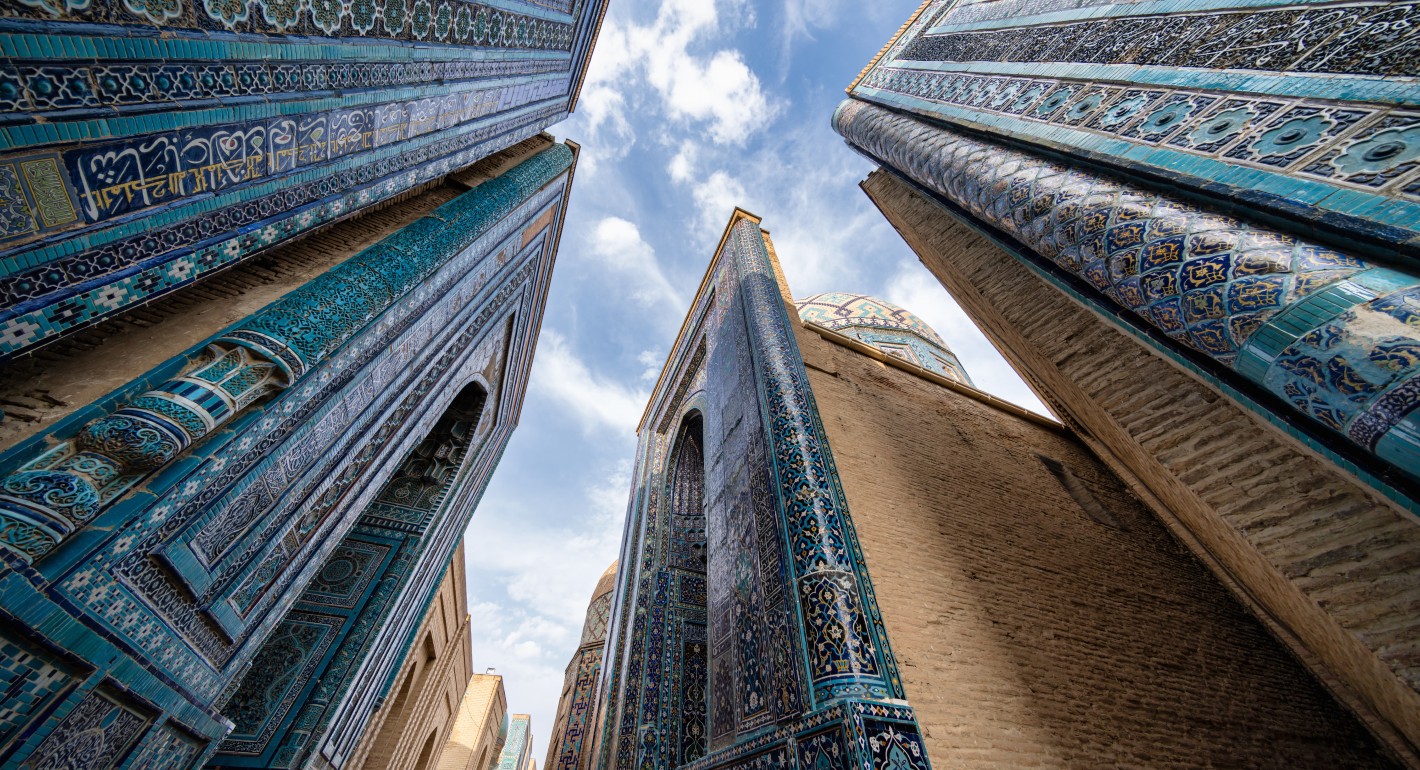
Xi, Putin, and other regional leaders are back-slapping in Bishkek, but the SCO has yet to answer the most serious questions about continental Asia's economic future.

Evan A. Feigenbaum