

Paper
Douglas H. Paal
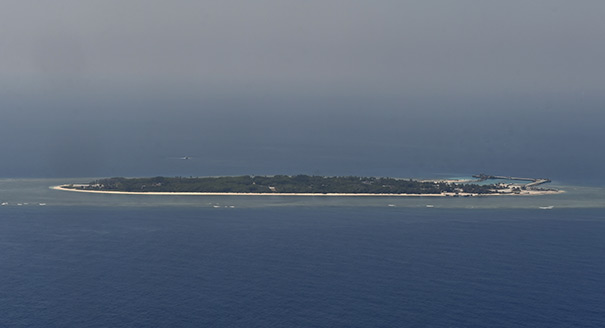
Source: Getty
U.S. and Chinese leaders should take stock of the growing and distorted emphasis in bilateral relations on islands of truly marginal material significance.
U.S. President Barack Obama will host China’s President Xi Jinping for a special bilateral meeting on March 31. The encounter will be special because it is the only scheduled bilateral meeting of heads of state during the upcoming U.S.-hosted Nuclear Security Summit of many nations, including U.S. allies. This signifies at once the general and increasing importance of relations between Washington and Beijing, but also the specific need to address rising tensions between the two nations. The prime focus will be on the South China Sea, although other issues should be touched on.
In their last bilateral summit, when Xi was a state guest of Obama’s on September 24–25, 2015, Xi responded to growing U.S. concerns about Chinese ambitions in the South China Sea by offering an assurance that China had “no intention to militarize” the disputed Spratly Islands chain. This came after Beijing had completed landfills at seven low-tide elevations (LTEs) in the Spratly chain. Those landfills were equipped with two military-capable airfields and military personnel to occupy them, but an avowed purpose to provide humanitarian assistance for those who fished and navigated the region’s waters.Many U.S. observers, especially of the defense sectors of both China and the United States, questioned whether these landfills could ever be considered not militarized, in light of their construction and occupation by military personnel. Moreover, when China was subsequently revealed to have sent HQ-9 anti-air missiles to the nearby Paracel Islands, where U.S. officials have identified the missiles on previous deployments, a hue and cry arose that Xi’s assurance not to militarize the Spratlys was already a dead letter, confusing the Spratly pledge with long-standing practice in the Paracels, which China has controlled since 1974.
Debate has ricocheted around public forums about China’s alleged bad faith and untrustworthiness. Much has revolved around evoking the meaning of the word “militarize” from the man who spoke it: What is the threshold in Xi’s thinking about militarizing the Spratlys? Is it the deployment of fighter aircraft, anti-air and anti-ship missiles, amphibious forces, or something else? Probing for answers to these questions and further assurances will be at the heart of the Obama-Xi meeting.
In recent weeks, the United States and the Philippines, which is another principal claimant to the Spratlys, have reached agreement to provide access for U.S. forces to five Philippine air force facilities, including on Palawan Island, which has the closest landing strip to the Spratly landfills. China has so far been fairly quiet about the announcement of the agreement, but the deal did not go unnoticed.
While Xi is questioned about his own intentions regarding military power, it would be uncharacteristic for him not to return the favor and ask what U.S. intentions are for added military capability in areas proximate to occupied Chinese LTEs. When Chinese spokespeople have been asked about the deployment of the HQ-9 missiles, they have referred obliquely to U.S. naval ships (and, allegedly, aircraft) conducting freedom of navigation operations close to the Spratly landfills. This suggests a quid pro quo mentality, in which China will declare that every new military deployment is only a defensive measure in response to something done by the United States or claimants to the islands, which also includes Vietnam.
The United States and China are resident and rising powers coming into friction and competition with each other in areas surrounding China. Managing these frictions to avoid open conflict and yet protect respective interests is a key challenge for the years ahead. Chinese and U.S. leaders claim not to see this as a zero-sum competition, but their behaviors reveal what in international relations theory is called a security dilemma. Each competitor sees its moves as defensive in nature and the other’s as offensive, with each move justifying a defensive countermeasure that escalates the risks.
The March 31 bilateral meeting is a chance to address this escalation and to moderate it. A grand bargain and stand-down from competition is an unrealistic hope. More practical would be offers of reassurance that restraint on new actions by China (such as creating new landfills, perhaps at Scarborough Shoal, or dislodging competitors from their holdings on other Spratly land features) will reduce, but not eliminate, the requirement for new significant or permanent military deployments by the United States.
More ambitious would be undertakings to invigorate diplomatic settlement of the overlapping bilateral territorial claims. With the 2015 landfills, China strengthened its physical presence in, if not its legal claims to, the Spratly chain. The International Tribunal on the Law of the Sea is expected fairly soon to release its response to petitions from the Philippines challenging China’s claims in the South China Sea, and the likelihood of China’s subsequent diplomatic isolation on this subject is not small. This is an opportunity for Beijing preemptively to shift the narrative from threat to peacemaker.
Given the political salience of defending sovereignty in China and elsewhere, the prospects are probably not high for leaders to see their way to reducing the security dilemma in the South China Sea and for a diplomatic initiative emphasizing compromises.
But at the very least, leaders should take stock of the growing and distorted emphasis in bilateral relations between two major powers on islands and claims of truly marginal material significance. Both Obama and Xi would do well to tell their officials and military officers to lower the rhetoric and focus on mutual protection of the status quo, the rule of law, and peaceful settlement of disputes.
Distinguished Fellow, Asia Program
Paal previously served as vice chairman of JPMorgan Chase International and as unofficial U.S. representative to Taiwan as director of the American Institute in Taiwan.
Recent Work
Douglas H. Paal


Douglas H. Paal, Tong Zhao, Chen Qi, …
Carnegie does not take institutional positions on public policy issues; the views represented herein are those of the author(s) and do not necessarily reflect the views of Carnegie, its staff, or its trustees.
Policy discussion is ignoring that the Palestinian national project is hollowed out and apartheid is a present danger.

Nathan J. Brown
The EU’s new migration policy is not suited to today’s realities. With climate change increasingly becoming a driver of displacement, Europe needs to rethink its deterrence-focused approach.

Shana Tabak
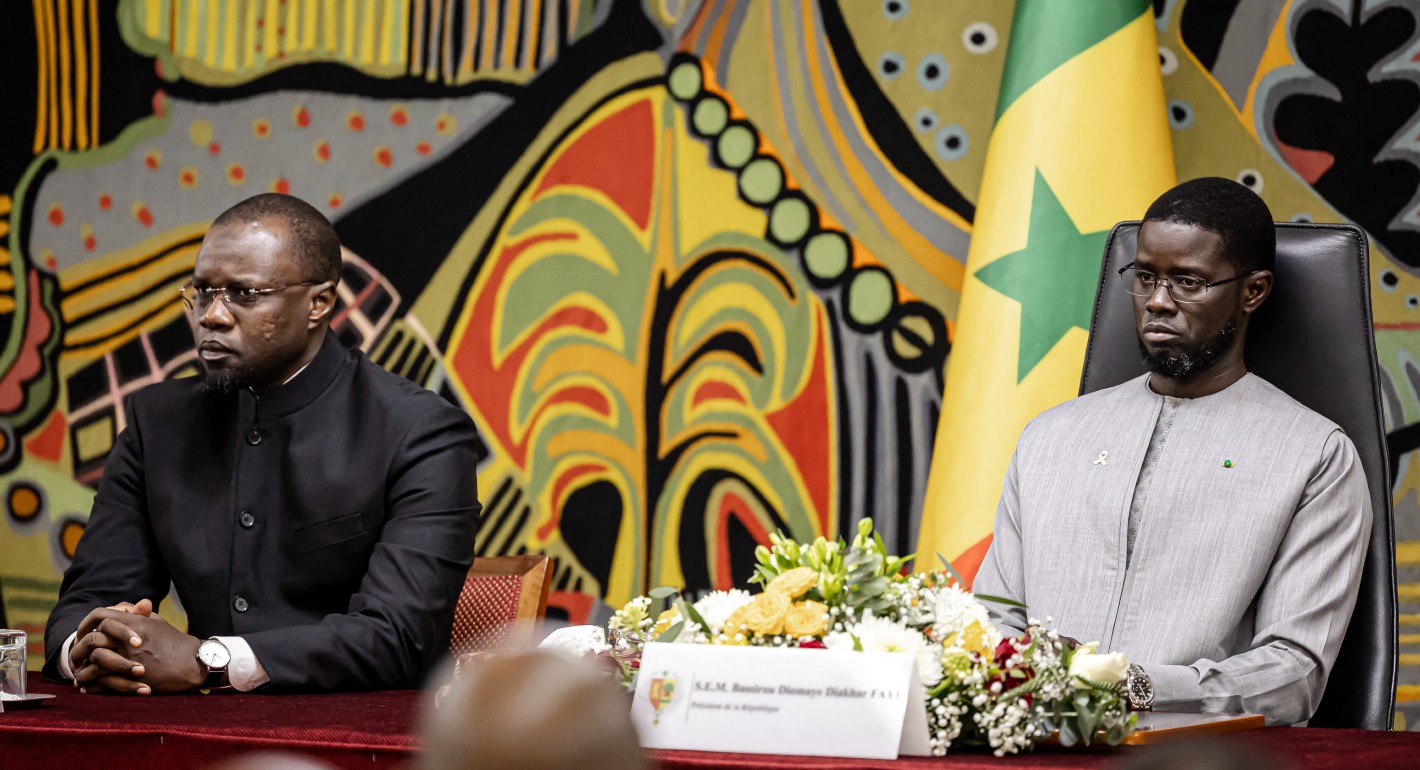
The impacts of the Faye-Sonko rupture could go well beyond the country’s borders.

Lesley Anne Warner
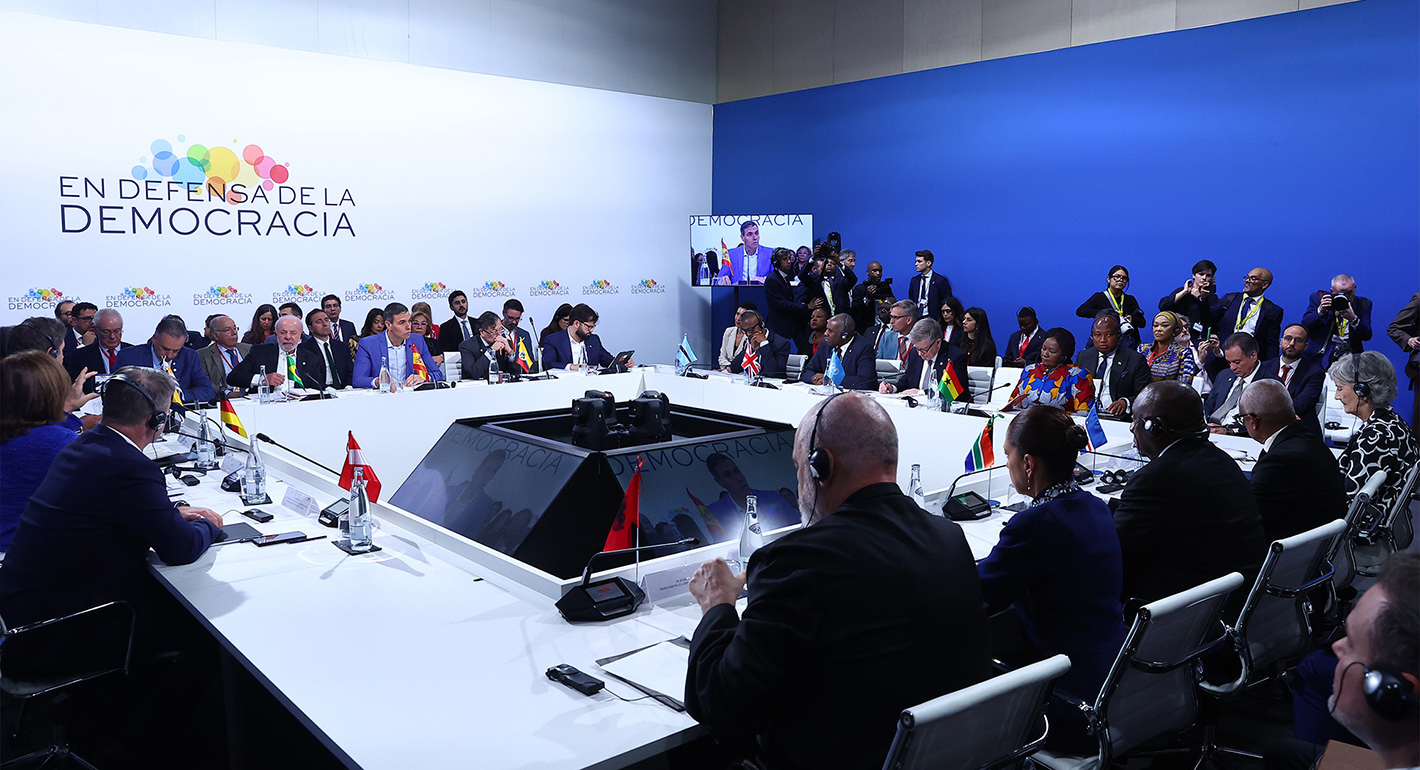
The reinvention of democracy support needs to be carried forward without the clear leadership of one dominant player.


Richard Youngs, Thomas Carothers
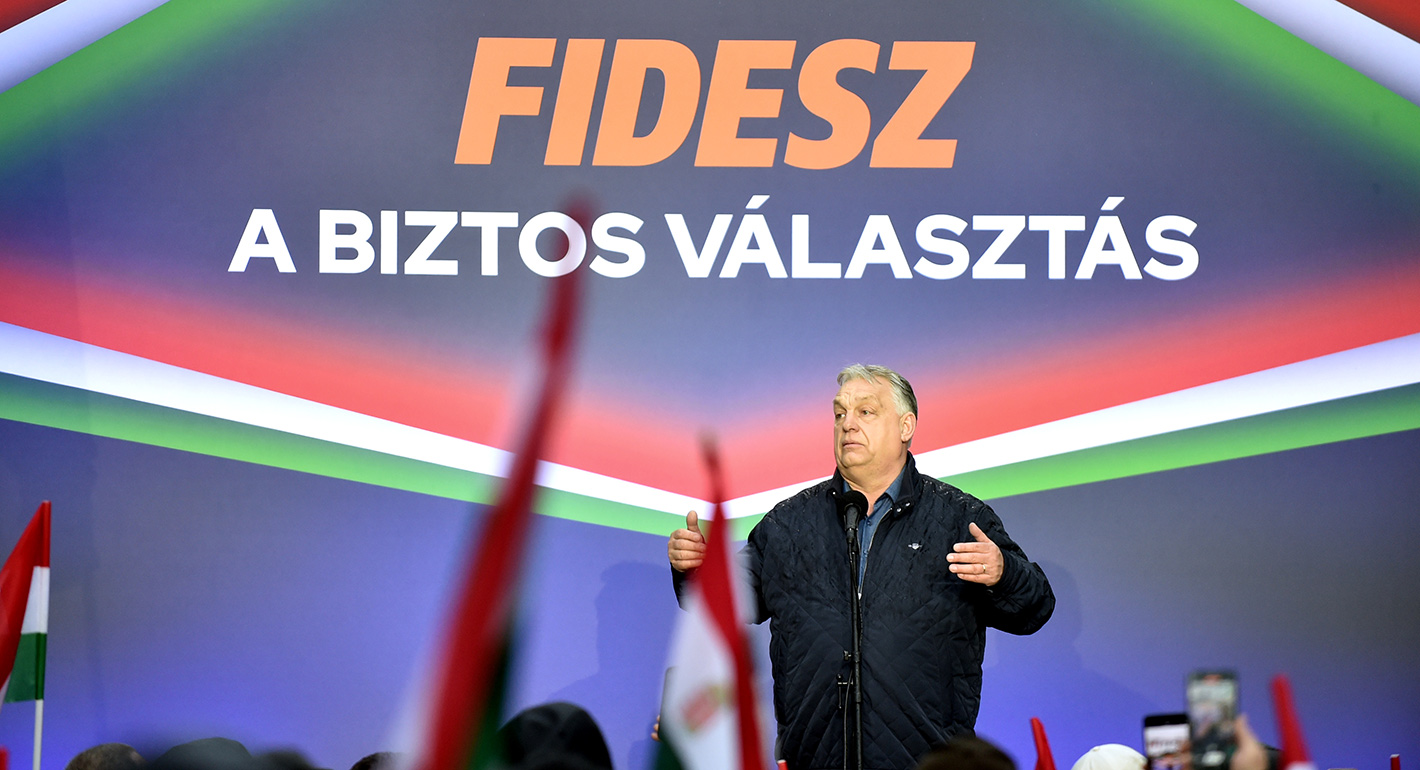
Hungary under Viktor Orbán deployed right-wing populism as a foreign policy strategy, embedding the country in a web of illiberal transnational networks whose legacy will endure even after his April 2026 electoral defeat.
Zsuzsanna Végh