

• Research
  • Emissary
  • About
  • Experts
Carnegie Global logoCarnegie lettermark logo
DemocracyIran
  • Donate
China 2035: The Chances of Success
Research

China 2035: The Chances of Success

Scenarios on how China’s partners–from the already industrialized to the emerging and developing economies–are likely to respond to China’s policies and leverage at the 2035 horizon.

Link Copied
By François Godement and Pierre Pinhas
Published on Jan 30, 2025
Program mobile hero image

Program

Asia

The Asia Program in Washington studies disruptive security, governance, and technological risks that threaten peace, growth, and opportunity in the Asia-Pacific region, including a focus on China, Japan, and the Korean peninsula.

Learn More
Read the Publication

About the Authors

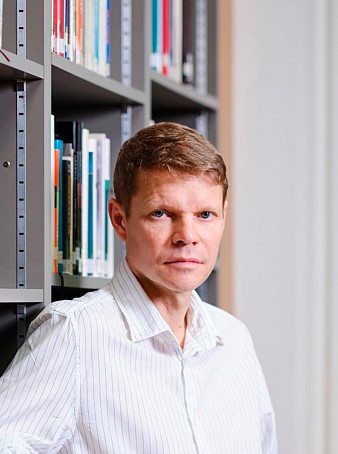
François Godement

Former Nonresident Senior Fellow, Asia Program

Godement, an expert on Chinese and East Asian strategic and international affairs, was a nonresident senior fellow in the Asia Program at the Carnegie Endowment for International Peace.

Pierre Pinhas

Authors

François Godement
Former Nonresident Senior Fellow, Asia Program
François Godement
Pierre Pinhas
ChinaAsiaEast AsiaWestern EuropeEuropeEconomyForeign Policy

Carnegie does not take institutional positions on public policy issues; the views represented herein are those of the author(s) and do not necessarily reflect the views of Carnegie, its staff, or its trustees.

More Work from Carnegie Endowment for International Peace

  • Paper
    The Twilight of Oil in an Age of Uncertainty: From a Vicious to a Virtuous Cycle

    The global hydrocarbon order is changing. Economic diversification and developing productive economies have become essential for Middle Eastern and North African states, requiring them to address social and political challenges and rethink domestic, regional, and global settlements.

      • +1

      Nur Arafeh, Ishac Diwan, Hamza Meddeb, …
  • Commentary
    Carnegie Politika
    Vučić’s Downfall in Serbia Is Fatal to Russia’s Influence in the Balkans

    The new Serbian leadership may have promised to keep on cooperating with Russia, but soon they will have to make a choice between fighting corruption and sealing lucrative deals with Moscow. The two are mutually exclusive, even if the new leaders in Belgrade haven’t yet realized it.

      Maksim Samorukov

  • men sitting in an ornate room
    Commentary
    Emissary
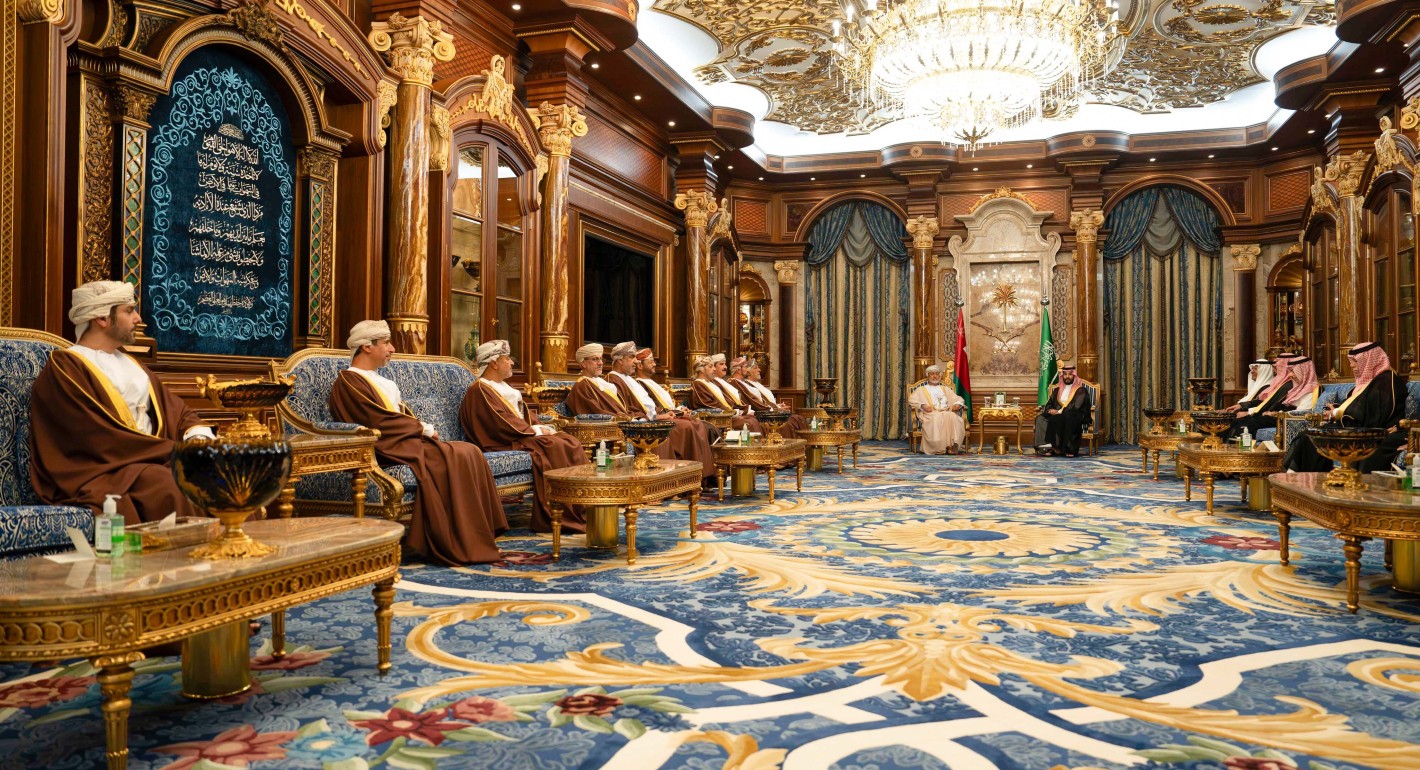
    The Gulf States Are Looking for an Exit in Iran

    The six GCC members’ unity would be a valued—if not essential—asset for negotiating an end to the simmering regional conflict.

      • Andrew Leber

      Sam Worby, Andrew Leber

  • Commentary
    Strategic Europe
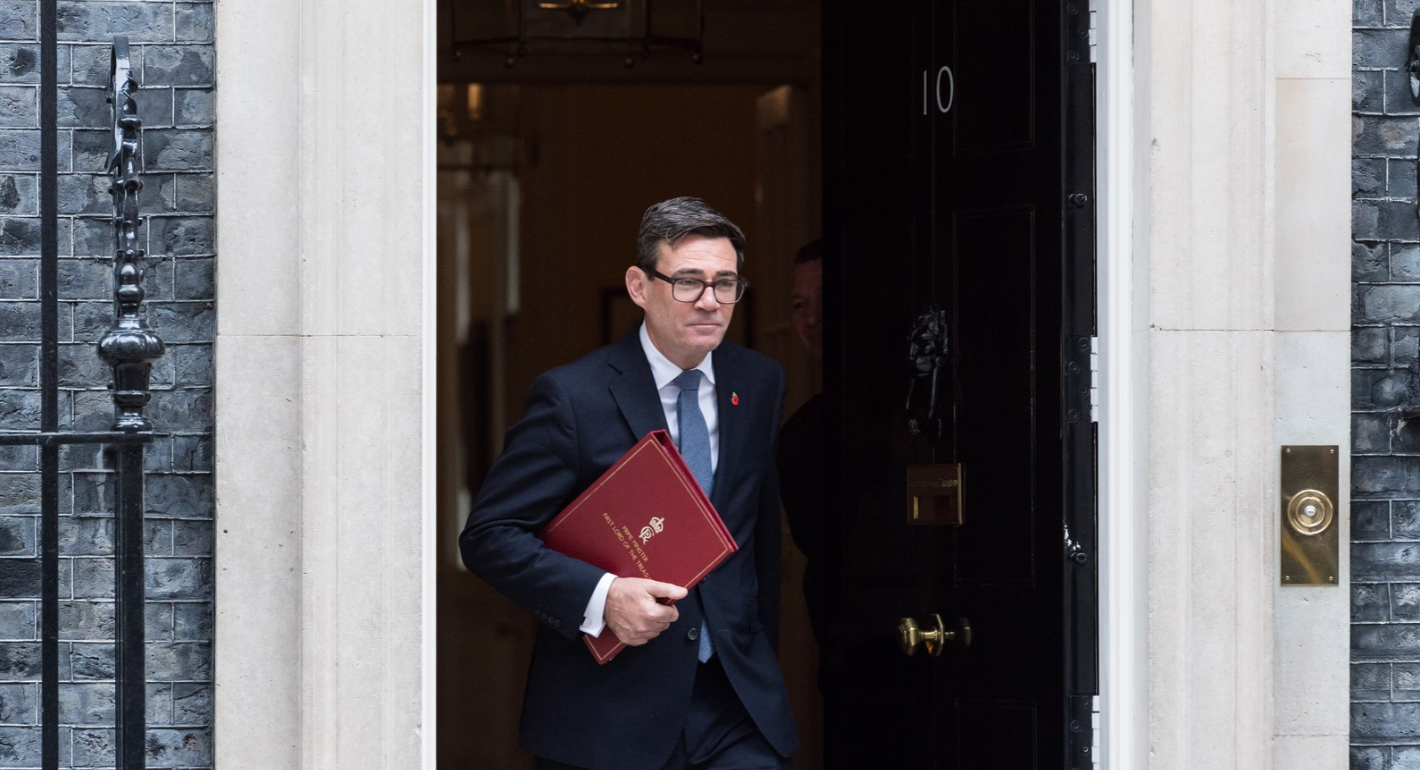
    Taking the Pulse: Is Burnham’s EU Policy Bold Enough?

    Resetting relations with the EU is a central plank of the UK’s current foreign policy. Is Andy Burnham being bold enough or is he falling into the same trap as his predecessors, misreading the power dynamic?

      • Rym Momtaz

      Rym Momtaz, ed.

  • Commentary
    Carnegie Politika
    How Did Serbia Remove Vučić Without a Single Smashed Window?

    Serbia’s electoral earthquake is an extremely rare example of an entire political system being defeated by street protesters who played by the rules.

      Alexander Baunov

Get more news and analysis from
Carnegie Endowment for International Peace
Carnegie global logo, stacked
1779 Massachusetts Avenue NWWashington, DC, 20036-2103Phone: 202 483 7600
  • Research
  • Emissary
  • About
  • Experts
  • Donate
  • Programs
  • Events
  • Blogs
  • Podcasts
  • Contact
  • Annual Reports
  • Careers
  • Privacy
  • For Media
  • Government Resources
Get more news and analysis from
Carnegie Endowment for International Peace
© 2026 Carnegie Endowment for International Peace. All rights reserved.