

Q&A
Sami Moubayed
{
  "authors": [
    "Sami Moubayed"
  ],
  "type": "commentary",
  "blog": "Sada",
  "centerAffiliationAll": "",
  "centers": [
    "Carnegie Endowment for International Peace"
  ],
  "collections": [],
  "englishNewsletterAll": "",
  "nonEnglishNewsletterAll": "",
  "primaryCenter": "Carnegie Endowment for International Peace",
  "programAffiliation": "",
  "programs": [],
  "projects": [],
  "regions": [
    "Syria",
    "Middle East"
  ],
  "topics": [
    "Political Reform",
    "Economy"
  ]
}

REQUIRED IMAGE
As Syrian president Bashar Al Assad approaches the end of his first term in office, there is much debate on whether or not he has succeeded as a reformer. He is credited with establishing private universities, banks, and media.
As Syrian president Bashar Al Assad approaches the end of his first term in office, there is much debate on whether or not he has succeeded as a reformer. He is credited with establishing private universities, banks, and media. The general lack of public and media interest in parliamentary elections schedule for April, however, reflects the frozen nature of political reforms.
The privatization of education is by far the biggest achievement of the past seven years. Four years after deciding to break the state monopoly on education imposed by the Baath Party in 1963, there are eight private universities and many private schools. According to official figures, 380,000 students are enrolled in Syrian universities: 250,000 at the five state-run universities, 6,000 at private universities, and 2,500 at the Syrian Virtual University (which offers online learning). Al Kalamoun University's class of 2007 will be the first to graduate from a private university in Syrian history. The university also has the first independent School of International Relations and teaches many courses in English. Despite these successes in undergraduate learning, there are only 15,000 post-graduate students and only 2,100 students receive scholarships to study abroad. Government funds for education have actually been reduced, and now are only $50 million out of Syria 's annual budget of $11 billion, while funds for academic research are only $3.8 million.
Since 2000, six private banks have been established in Syria: Bank of Syria and Overseas (BSO), Banque BEMO, Bank Audi, the International Bank of Trade and Finance, Arab Bank, and Bank Byblos. At the time of privatization, their combined deposits were estimated at $30-50 million. By the end of the first year, however, deposits in the private banking sector amounted to an impressive $2 billion and today stand at $3 billion. Encouraging as this may seem, these deposits have not really changed the climate for investment in Syrian society. Red tape and regulations hamper banking; for example, long-term real estate loans were off-limits to Syrian citizens until January 2007 because of restrictions imposed by the Central Bank of Syria. In 2005, private banks lent out only 17 percent of their total deposits, meaning that over 80 billion Syrian pounds remained in the vault. The private banks were not intended to be mere money incubators, as there are plenty of those in the public banking sector.
Media privatization also is a mixed picture. While conditions are much more promising today than they were before 2000, media reform has been extremely sluggish compared to that in other Arab countries such as Lebanon, the UAE, or Qatar. Shortly after coming to power, Bashar Al Assad authorized parties affiliated with the ruling Baath to establish political publications. The result was dogmatic political weeklies that preached thundering Arab nationalism, socialism, and anti-imperialism, which were read only by narrow constituencies. The independent satirical weekly Al Domari (The Lamplighter) by the acclaimed Syrian cartoonist Ali Farzat was a breath of fresh air, but the quality of the publication dropped after the first few issues and readership plummeted. After clashes with the government, Al Domari and Al Mubki (another weekly that criticized government officials) were shut down, leading to speculation that private newspapers would once more be subjected to strict censorship. Other private publications survived, including the political weekly magazine Abyad wa Aswad (Black & White) and the economic monthly Al Iqtissad (The Economy), which run critical, reform-oriented articles.
As for political reform, government officials claim the process has been stalled by regional and international conditions, and that political reform cannot proceed under foreign pressures, namely from the United States. The Syrian leadership has not taken expected steps such as authorizing private political parties and amending article 8 of the Syrian Constitution which states that the Baath is the ruling party of state and society. But it is also true that the emphasis on Baathism has decreased significantly in recent years. In his speeches Assad stands next to Syrian flags, not Baath Party flags, and many non-Baathists have been appointed to senior posts. Dr. Hani Mourtada, an independent, became the first non-Baathist to head Damascus University and the first independent Minister of Higher Education since 1963. Other senior independents include Vice-President of the Republic Dr Najah Al Attar, deputy Prime Minister Abdullah Al Dardari, and Ambassador to the United States Imad Moustapha.
There is now speculation that a non-Baathist might replace Prime Minister Mohammad Naji Al Otari, and that a political party law might be passed after the April parliamentary elections and before the summer presidential referendum. But it is too early to tell whether such predictions will come true or are merely wishful thinking.
Sami Moubayed is a Syrian political analyst and author of Steel & Silk: Men and Women Who Shaped Syria 1900-2000 (Cune Press, 2006).
Former Visiting Scholar, Carnegie Middle East Center
Moubayed, a political analyst and historian, focuses his research on Syria, Lebanon, Iraq, and the Arab-Israeli conflict.
Recent Work
Sami Moubayed
Sami Moubayed
Carnegie does not take institutional positions on public policy issues; the views represented herein are those of the author(s) and do not necessarily reflect the views of Carnegie, its staff, or its trustees.
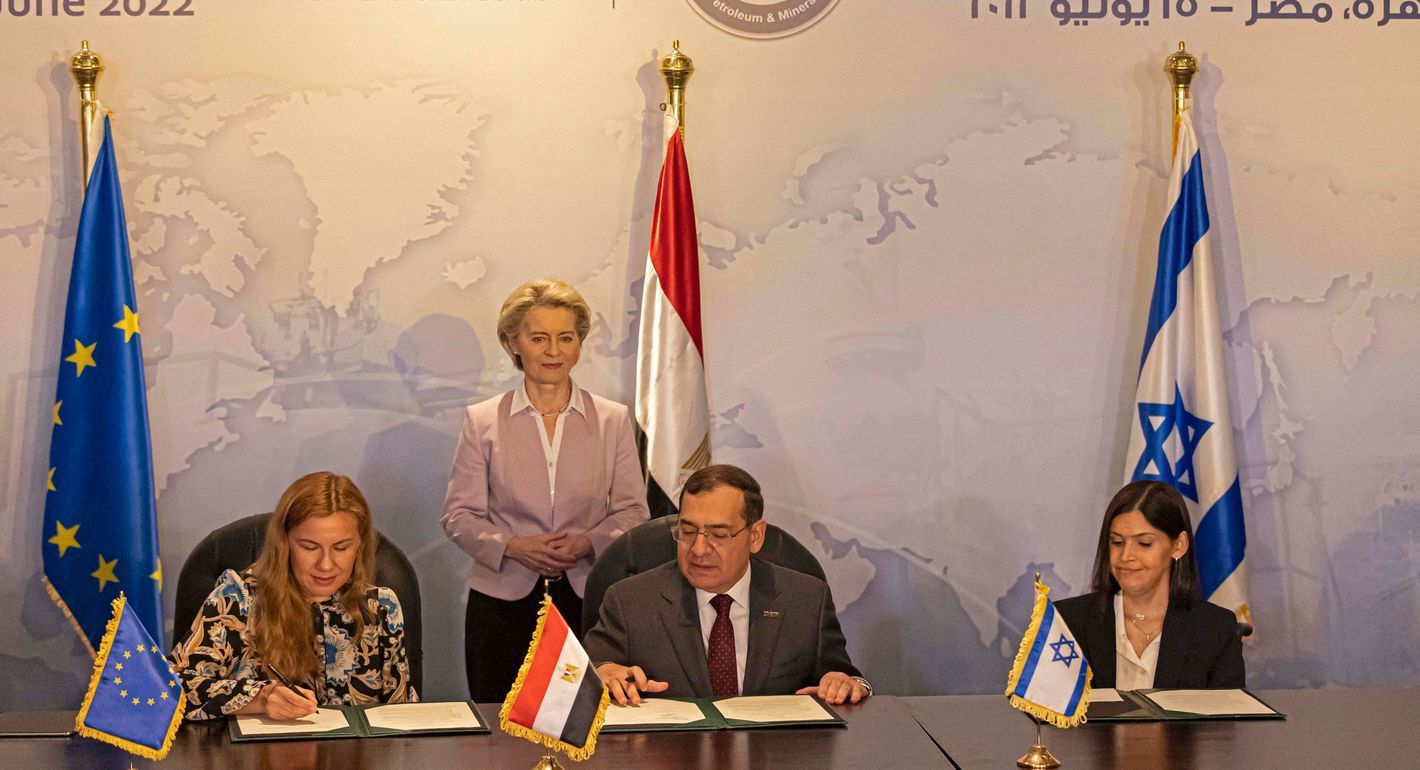
Can economic ties help contain conflict between Egypt and Israel, or do they simply postpone confrontation? Drawing on the German-Russian experience, the article examines how the gas deal creates mutual dependence, keeps channels of cooperation open, and raises the cost of conflict, without necessarily delivering lasting peace.
Nourhan Hefzy
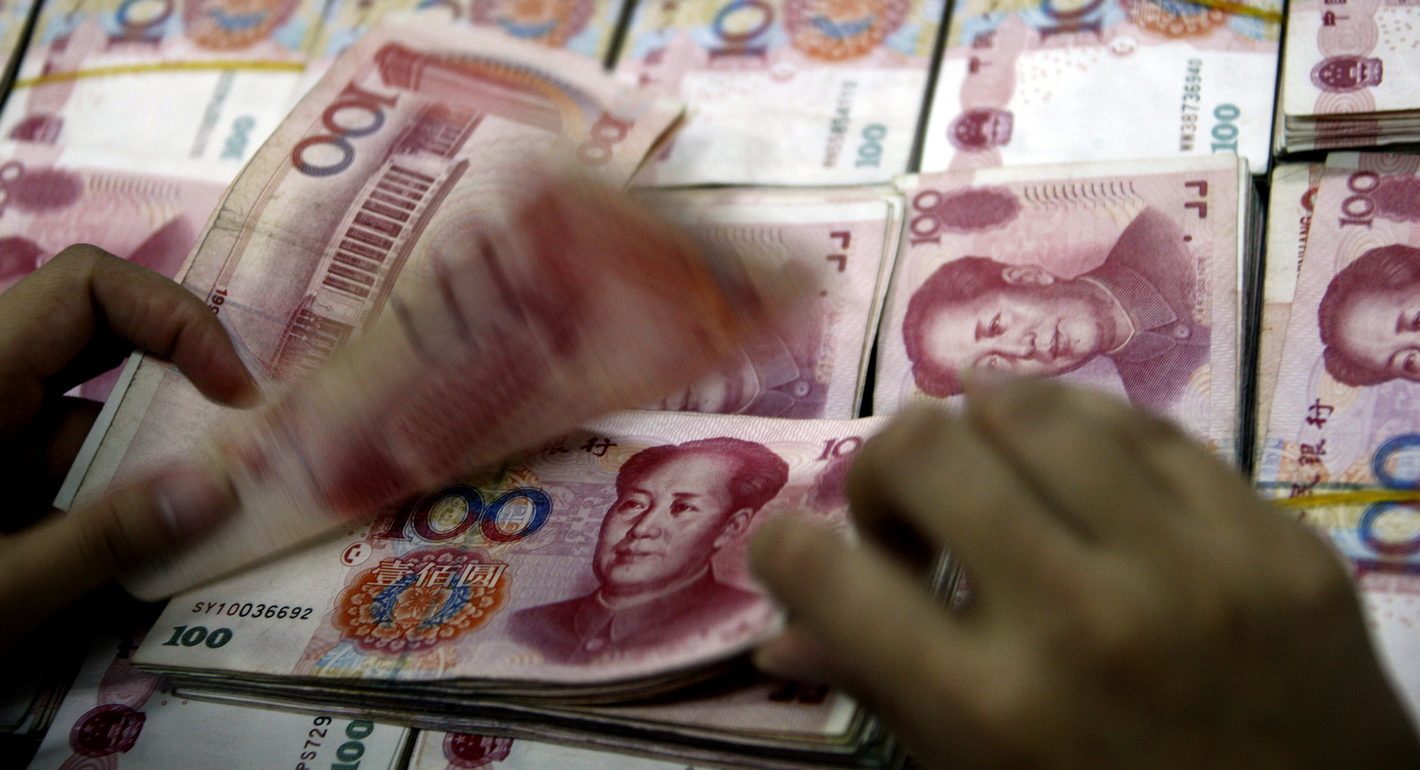
Is the Gulf moving beyond the dollar? This article examines how China is expanding the renminbi's role across Gulf markets, what that means for regional finance, and why the future of global currencies is more complex than the de-dollarization debate suggests.
Andrew Bonney
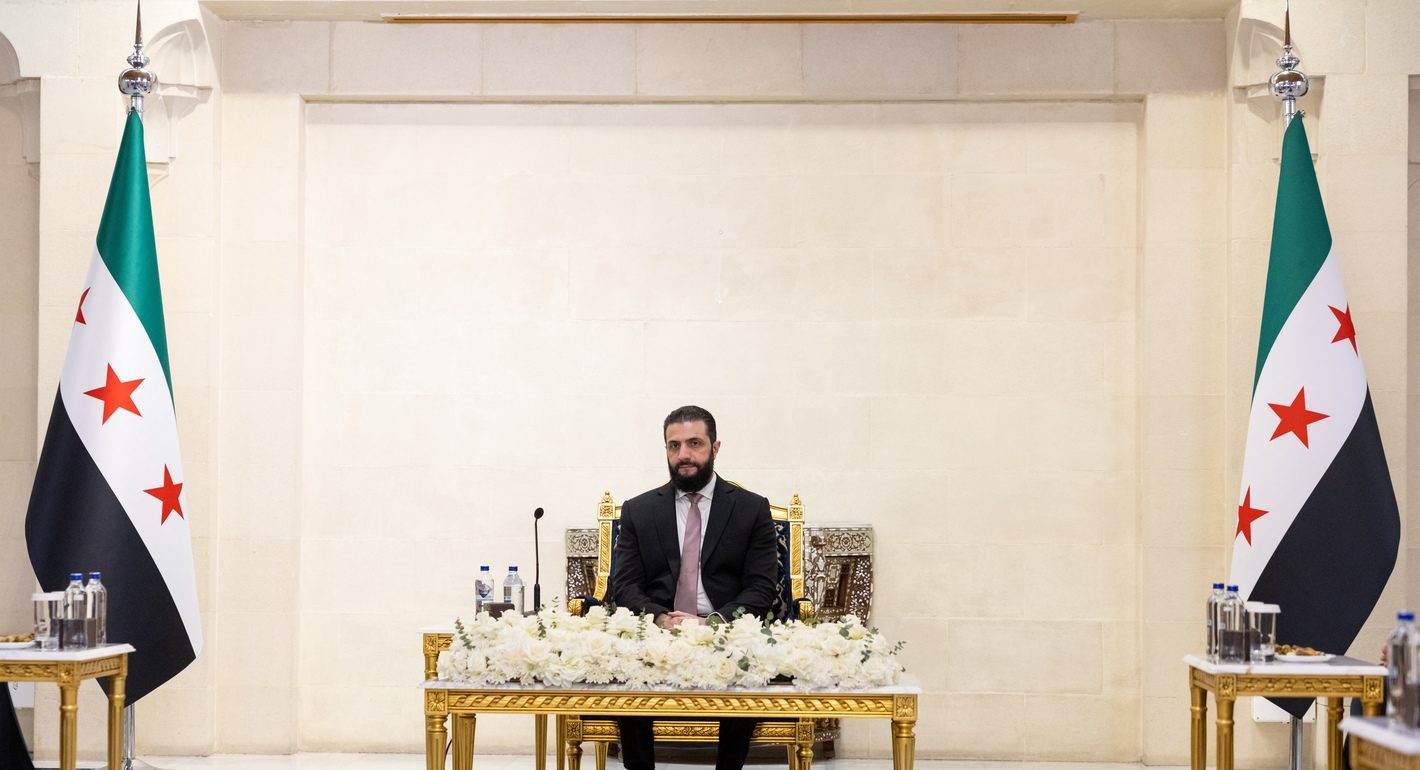
Syria's transition promised a fresh start. But are old habits of power making a comeback? This analysis looks at the warning signs and what it will take to build a more accountable state.
Sima Beitinjaneh
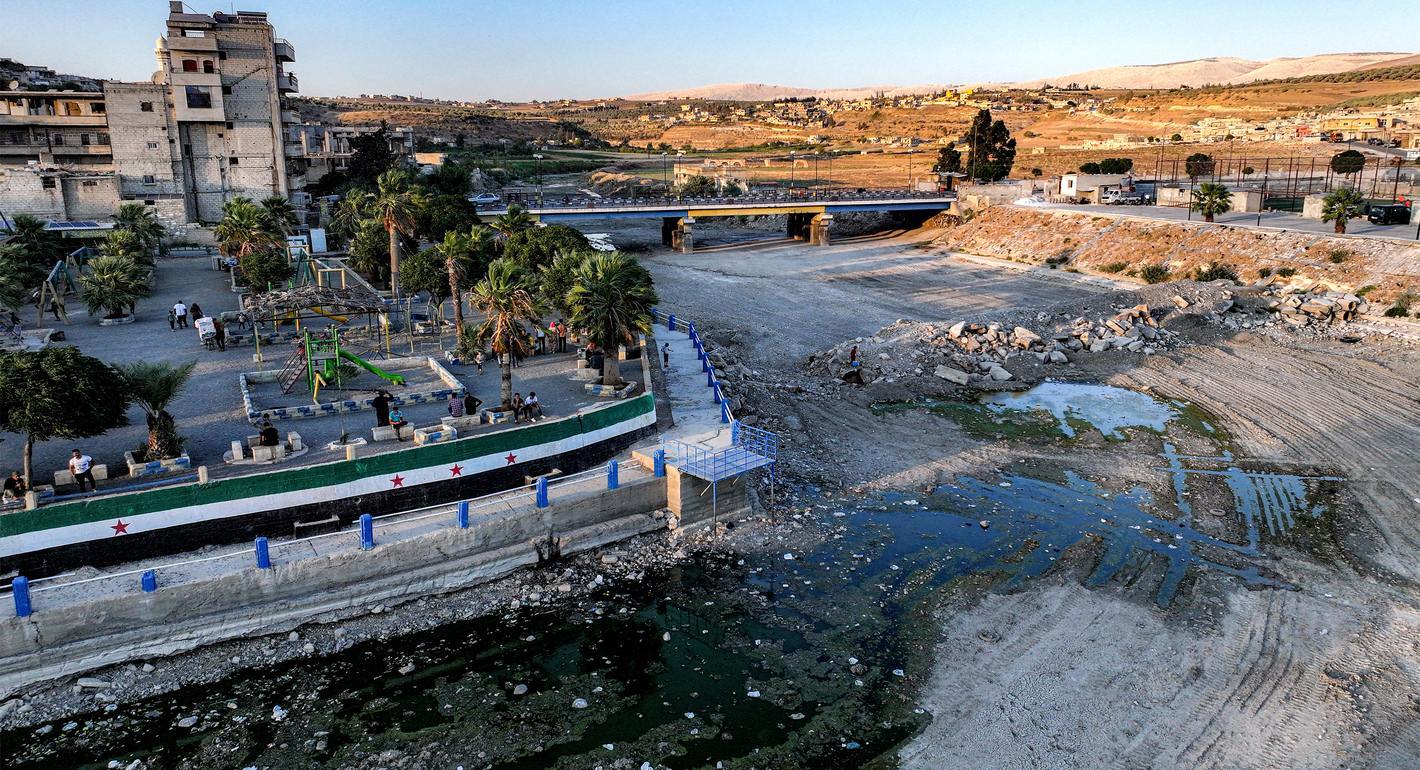
Syria’s worsening drought is no longer a seasonal crisis. This report explains what climate change is doing to rainfall, groundwater, and food security, and what solutions experts say are still possible.
Milia Esper
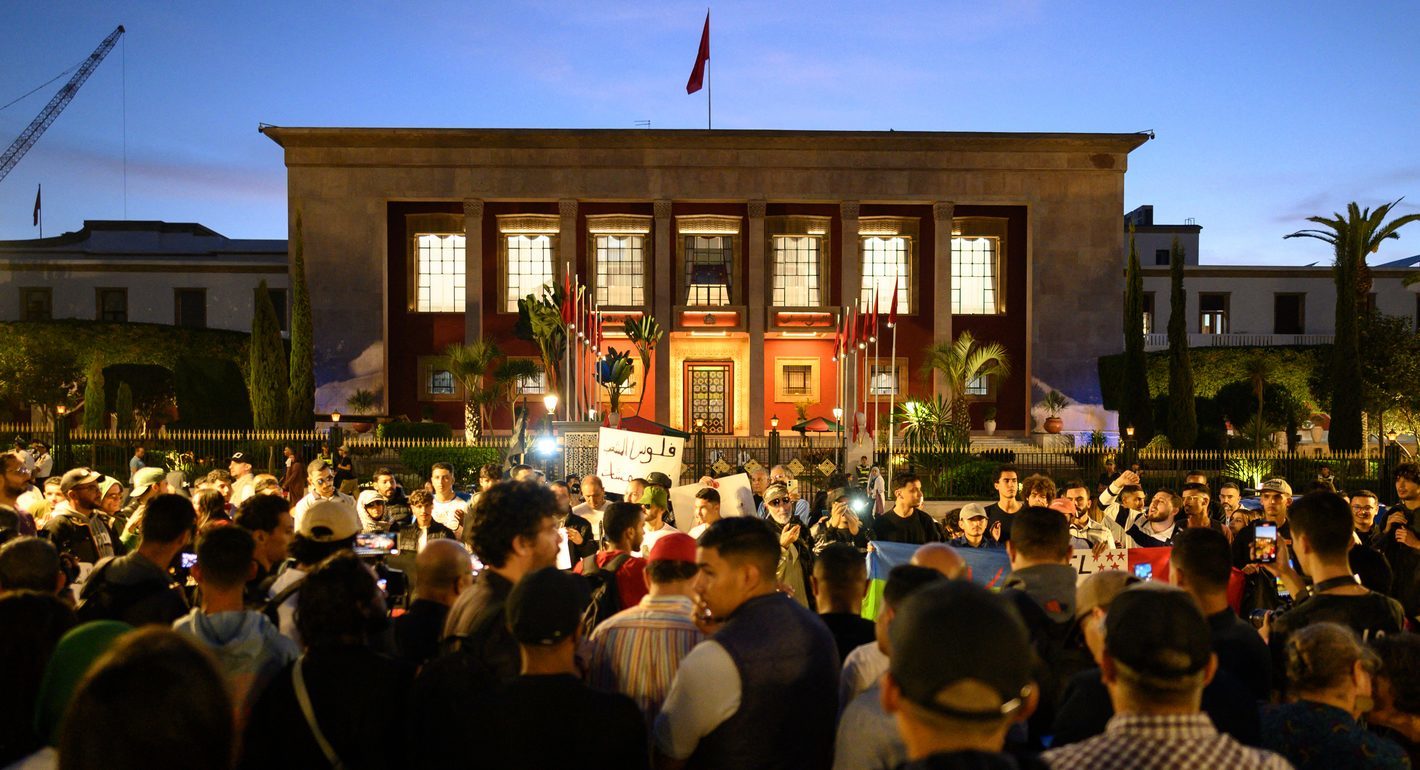
From anime heroes to online gaming communities, Morocco’s Gen Z is building a new protest culture. What does this digital imagination reveal about youth politics, and how should institutions respond?
Abdelilah Farah