

Research
- +6
Yasmine Farouk, Nathan J. Brown, Maysaa Shuja Al-Deen, …
{
  "authors": [
    "Michele Dunne"
  ],
  "type": "commentary",
  "blog": "Sada",
  "centerAffiliationAll": "",
  "centers": [
    "Carnegie Endowment for International Peace"
  ],
  "collections": [],
  "englishNewsletterAll": "",
  "nonEnglishNewsletterAll": "",
  "primaryCenter": "Carnegie Endowment for International Peace",
  "programAffiliation": "",
  "programs": [],
  "projects": [],
  "regions": [
    "Middle East",
    "Egypt",
    "Morocco",
    "Iraq"
  ],
  "topics": [
    "Political Reform"
  ]
}

REQUIRED IMAGE
-
How many internet users are there in Egypt? To what extent does internet use extend beyond those with college educations?
Nobody can give you the exact number. Officially, there are about five million internet users, which means that there are five million people who have accounts with internet service providers. However, we are in a country that thrives on illegal practices such as splitting connections. Then, of course, each connection is used by several people in each household. So I would say that at least 25 million Egyptians use the internet. And whether or not they are college educated has nothing to do with it. School kids learn how to use the computer and introduce their parents to it. The level of penetration is really a lot higher than people would suspect. Computers are now very cheap in Egypt thanks to the government’s “A Computer for Every Citizen” initiative a few years ago.
How do you see the recent protest activity taking place via new media?
It is logical. We live in a controlled society with an oppressive government, so expressing an opinion is asking for trouble. The only place you can do it safely is on the internet. You can do it without your parents ever knowing, because you're not going onto the streets and getting beaten up at a demonstration—you are just doing your homework. In an oppressive situation, people find alternative modes of release and discussion in order to live and breathe.
Can you say more about the gap between generations in Egypt?
When it comes to activism in Egypt, you have two kinds of people playing. You have the generation in their early thirties and under and you have those sixty-five and over. There are thirty years in between, an entire generation that has was born and raised under President Gamal Abdel Nasser. They were raised with the mindset that you just mind your own business. As they grew older, things started to get slightly better for them under Sadat and Mubarak. So people from that generation actually believe that this is the greatest age of democracy and liberty, because—unlike in the days of Nasser--now you can insult the president.
Also, the focus of this middle generation was on earning money, often in the Gulf, where they also picked up certain ideas. Not only did they come back more religious, but many came back with the idea that democracy would not fix things. They think it's not really the fault of the ruler, even if he isn’t democratic. We are bad people; the poor guy, he has to deal with us. It becomes that kind of mentality, which explains the continued acceptance of Mubarak.
How does this contrast to the attitude of younger Egyptians?
Many don’t care at all, but there are others who do and who subscribe to various perspectives from the Muslim Brotherhood to the left and Nasserists. The majority are centrists who haven't read any political science and don't really know the difference between left and right, but they recognize when something is wrong and they want to do something about it. They fall victim to many forms of misinformation, for example the Zionist conspiracy, which is annoying.
From which parts of the political spectrum are the young internet activists? Are there any connections between them and labor protestors?
The activists are not only the Brotherhood and leftist kids, but also liberals. The two biggest headliners for the past two months when it comes to activism have been two members of the liberal Ghad party: Israa Abdel Fatah, arrested for organizing the April 6 strike on Facebook, and Bilal Diab, a student who faced down Prime Minister Ahmad Nazif at Cairo University. In the downtown activist scene, party affiliation is important but at the end of the day there is this idea that whoever is doing the work is a good guy. Regarding the labor movement, it has always been its own thing and has been slowly building over several years. But what the internet activists are doing is helping labor activists in different parts of Egypt contact each other, create informal contacts, and start sharing experiences.
Why do most of the recent protests focus on economic or social issues rather than political ones?
That’s the smart way to do it. You do not talk about corruption in government, you don’t talk about Mubarak succession, and you don’t talk about how bad Mubarak is. You talk about how high the prices are, which affects all of us. Or you talk about the environment—get a Hadith or a Quran verse that talks about environment and you can go from there. That’s how you do it if you want to do it.
Also it is a learning experience for the new activists. I was talking to one of the other bloggers about the strike planned for May 4, for example. We knew it was going to fail because it was too soon after April 6 and it wasn’t well planned. But this is an entirely new generation and you cannot tell them what to do and not to do. Let them try it; if they succeed, good for them and if they don’t, it’s an experience.
Where do you see the activism via new media going?
Of course it’s possible that it will go nowhere or even backwards; look at China and Tunisia. The moment the government wants to clamp down, it can. Even if the kids aren’t afraid, their parents will make them afraid. People are more fed up than they used to be, but whether they will actually do anything is a different story. We have a very strange habit here in Egypt; instead of putting the blame where it belongs we take it out on each other. We have no system of accountability, no system for justice. So if I am oppressed, I have to oppress someone else—within the family, the work place, or the lower classes of society. You see Muslims take it out on the Christians and so on.
Some activists are concerned that the government will take steps such as closing down Facebook. Do you expect that?
I think they closed it down in Syria, so there is that. But it’s not likely here. This is the thing: there was this guy named Ahmed Maher, who was responsible for the May 4 Facebook-organized strike. He was hiding from the police because he knew they wanted his head. Finally, they arrested him and they beat him for hours until he gave up his password. Imagine for a moment that security personnel followed a kid for more than a week because he had a Facebook account. They don’t have the resources to follow all of them. Plus I don’t think the government likes bad publicity. Not even the Saudis block Facebook. You don’t want to push people and take away the things that make them happy and for some reason Facebook makes people happy.
The interviewee writes the blog Rantings of a Sandmonkey. Michele Dunne conducted this interview.

Former Nonresident Scholar, Middle East Program
Michele Dunne was a nonresident scholar in Carnegie’s Middle East Program, where her research focuses on political and economic change in Arab countries, particularly Egypt, as well as U.S. policy in the Middle East.
Recent Work


Yasmine Farouk, Nathan J. Brown, Maysaa Shuja Al-Deen, …
Robert Springborg, Emile Hokayem, Becca Wasser, …
Carnegie does not take institutional positions on public policy issues; the views represented herein are those of the author(s) and do not necessarily reflect the views of Carnegie, its staff, or its trustees.
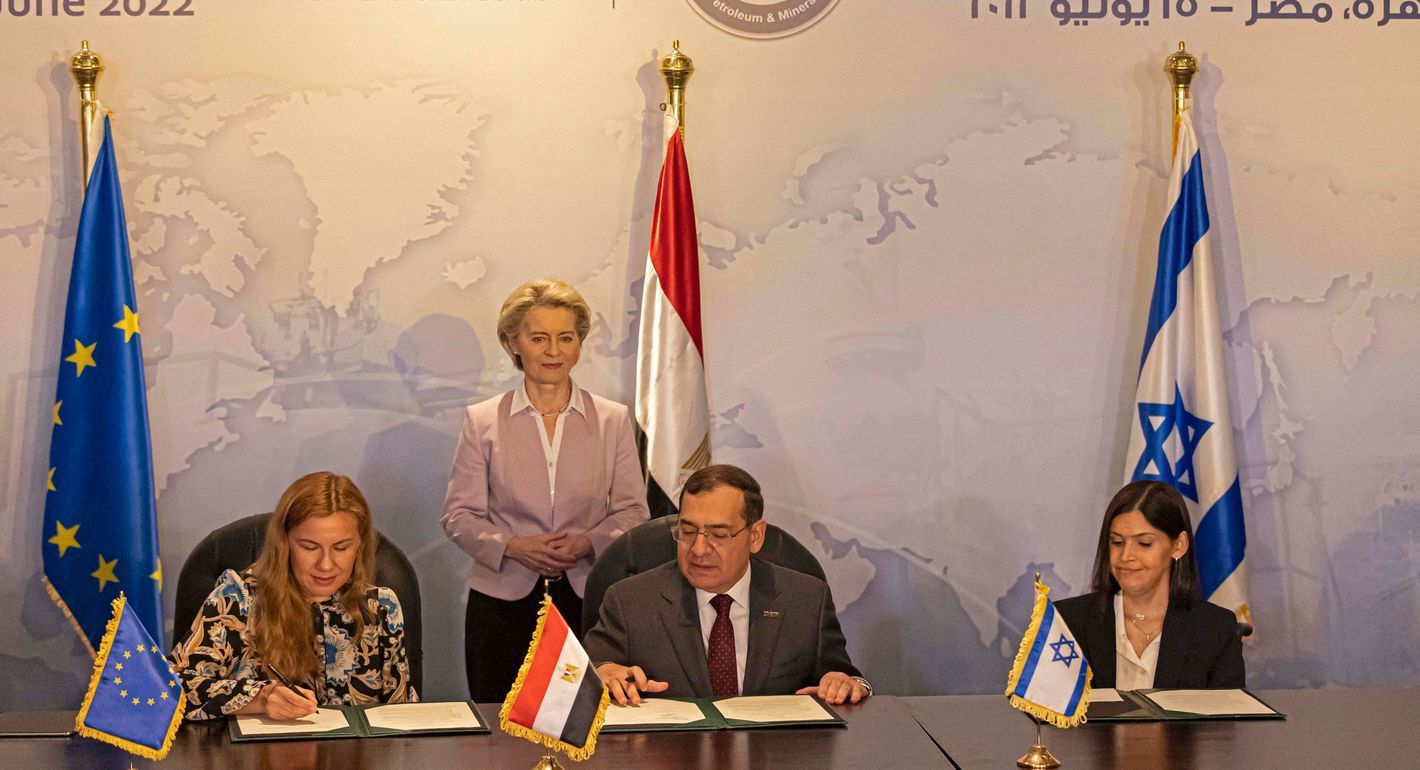
Can economic ties help contain conflict between Egypt and Israel, or do they simply postpone confrontation? Drawing on the German-Russian experience, the article examines how the gas deal creates mutual dependence, keeps channels of cooperation open, and raises the cost of conflict, without necessarily delivering lasting peace.
Nourhan Hefzy
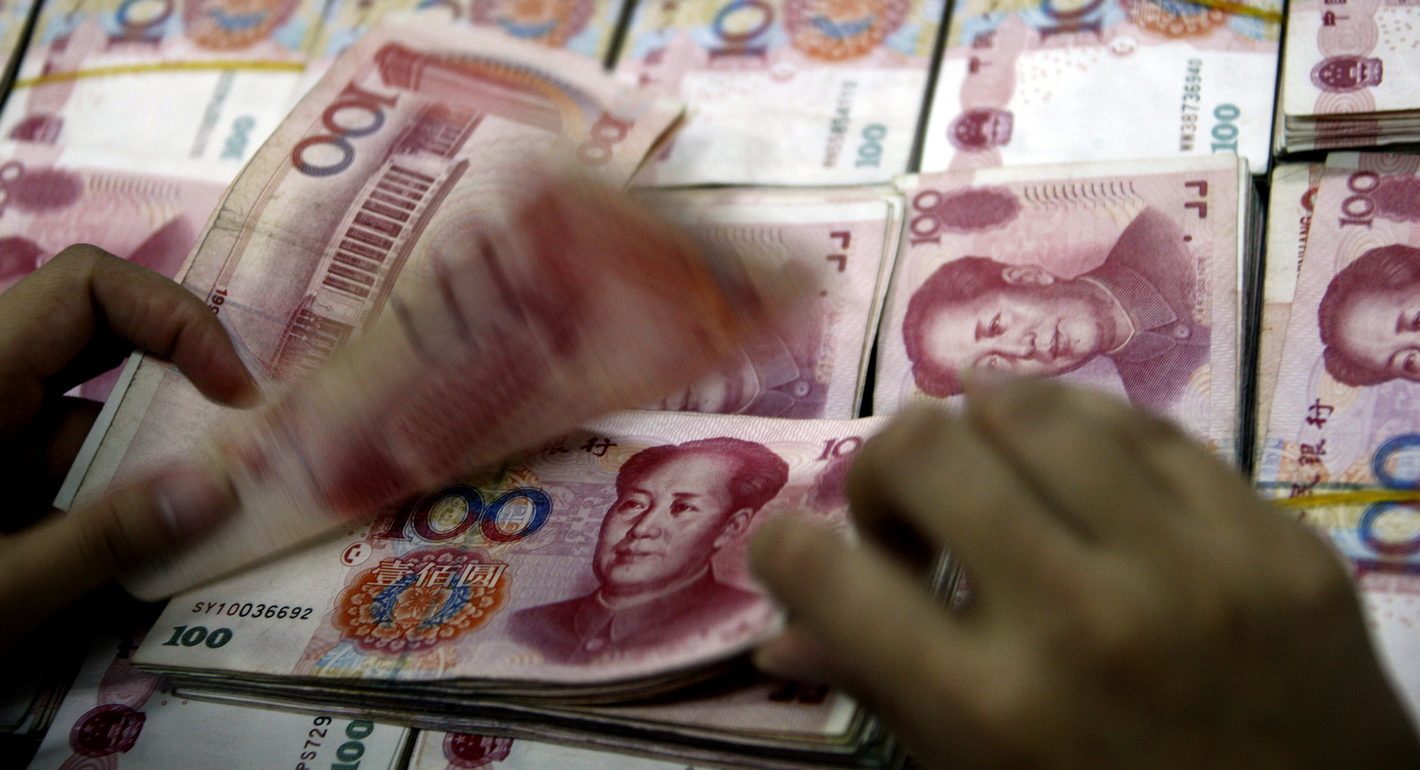
Is the Gulf moving beyond the dollar? This article examines how China is expanding the renminbi's role across Gulf markets, what that means for regional finance, and why the future of global currencies is more complex than the de-dollarization debate suggests.
Andrew Bonney
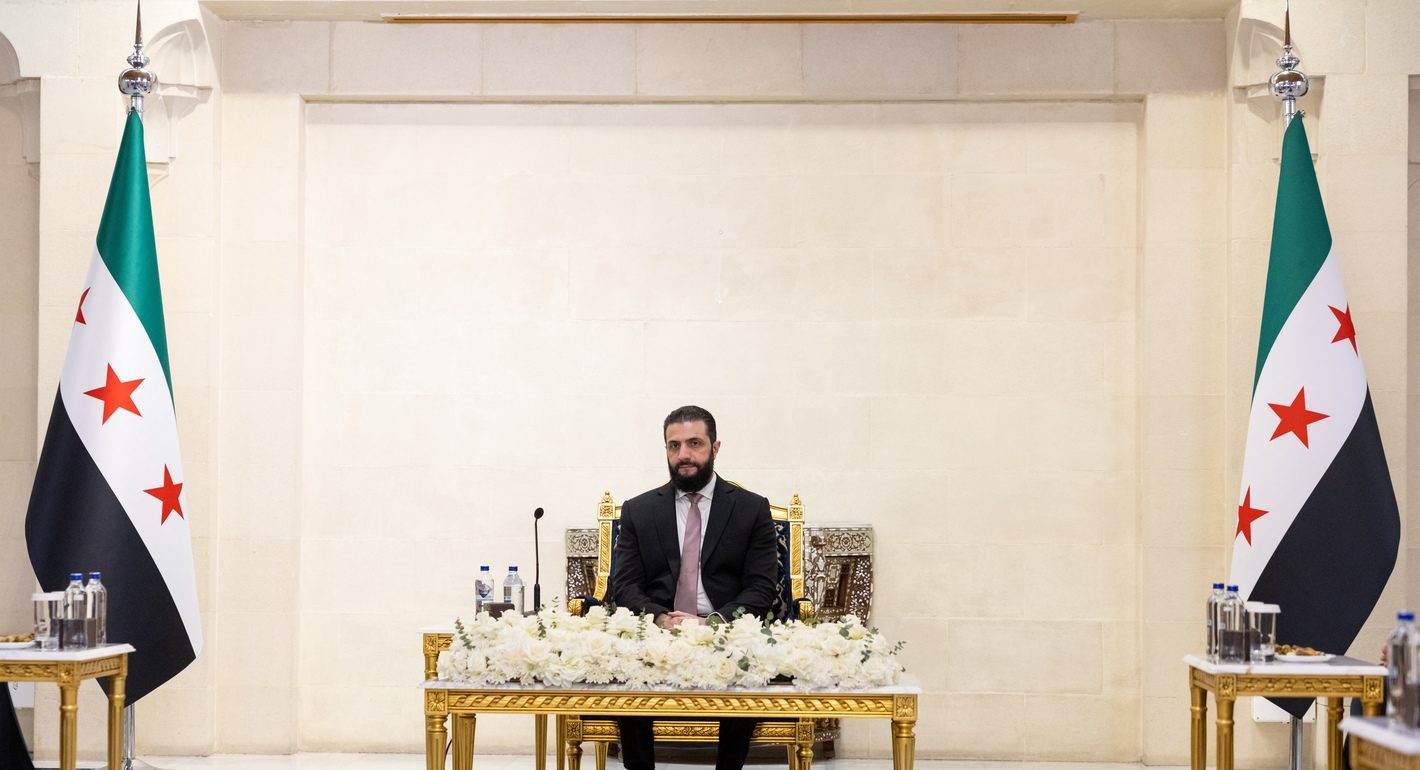
Syria's transition promised a fresh start. But are old habits of power making a comeback? This analysis looks at the warning signs and what it will take to build a more accountable state.
Sima Beitinjaneh
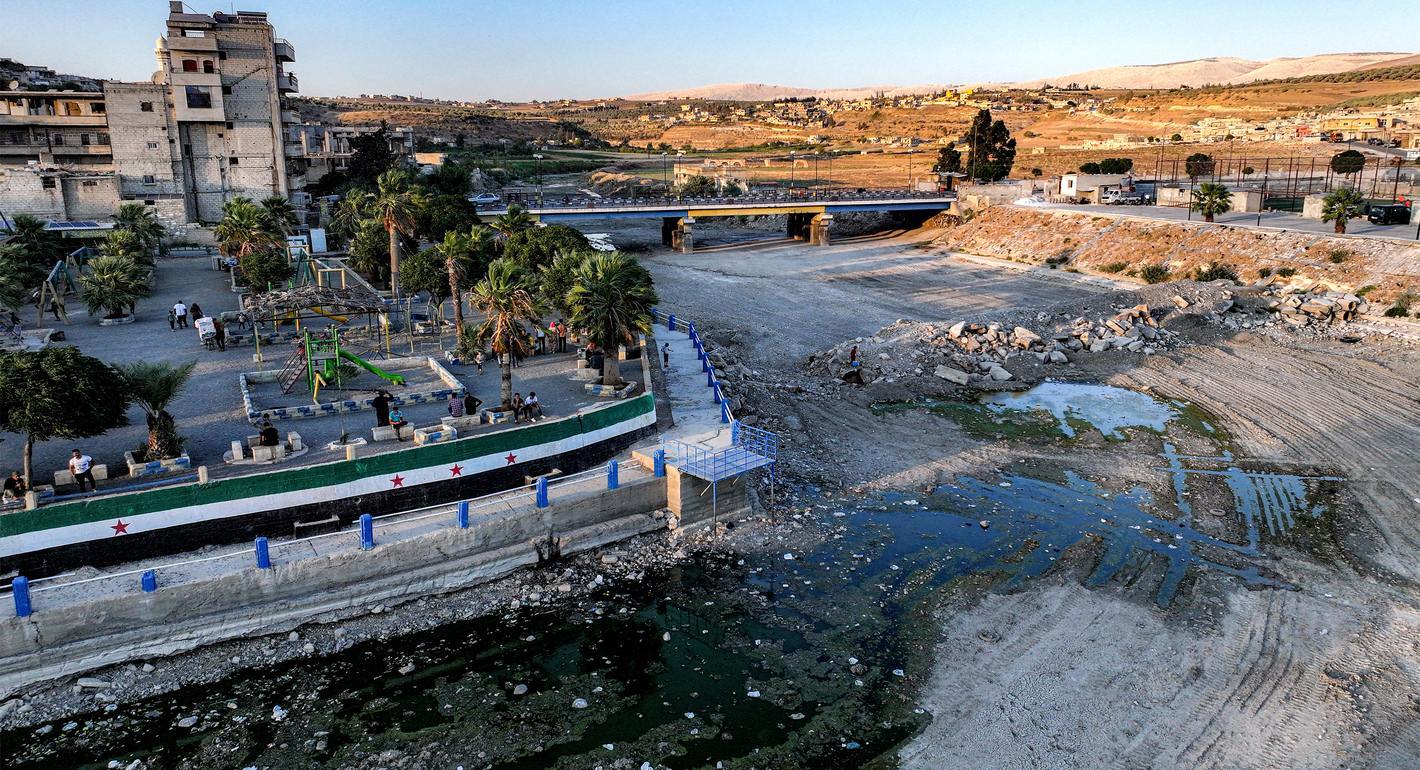
Syria’s worsening drought is no longer a seasonal crisis. This report explains what climate change is doing to rainfall, groundwater, and food security, and what solutions experts say are still possible.
Milia Esper
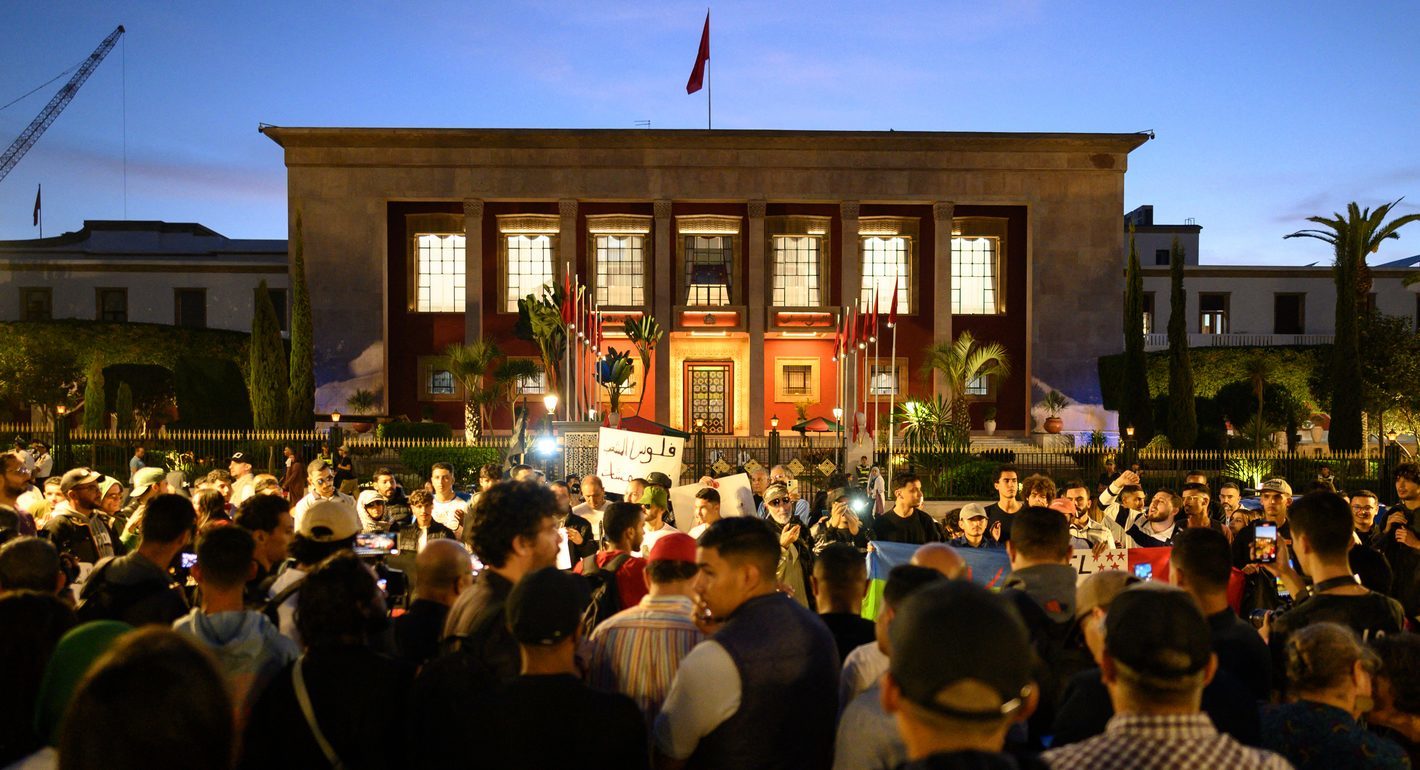
From anime heroes to online gaming communities, Morocco’s Gen Z is building a new protest culture. What does this digital imagination reveal about youth politics, and how should institutions respond?
Abdelilah Farah