President Bush's goal of advancing Arab democracy faced skepticism from the moment he first enunciated it in November 2003, and with good reason. A few months after the invasion of Iraq and amidst continued Israeli-Palestinian violence, the notion that aspiring Arab democrats would look to the United States for support seemed farfetched. More fundamentally, the United States' history of supporting autocratic rulers in the region was based on the need for military cooperation, energy stability, and Middle East peace—interests not easily trumped.
And yet, two years later, the Bush administration has made impressive progress in turning the vast ship that is U.S. foreign policy. In 2004, few substantive programs existed to back up the soaring rhetoric, and democracy and human rights were often pushed to the bottom of the agenda in bilateral meetings between U.S. and Arab officials. Today the president's commitment to spreading democracy is understood throughout the foreign policy bureaucracy as a priority. From the Secretary of State down to ambassadors at post, the diplomatic drumbeat for Arab democratization is sounded far more consistently than was true a few years ago. Still, questions linger about how much the United States will invest in its democracy drive, which must be answered before the Freedom Strategy can truly be viewed as a sea change in U.S. policy.
The Middle East Partnership Initiative (MEPI) is a good case study for the evolution, in fits and starts, of the president's initiative. At its launch in December 2002, many MEPI programs were little different from U.S. Agency for International Development “good governance” projects and many Arab non-governmental organizations refrained from applying. Today, MEPI has field offices in Abu Dhabi and Tunis and has seen a significant jump in grant proposals from Arab groups. MEPI has begun to inject political content into more of its grants, for example directing funds to help Egyptian and Lebanese civil society groups during 2005 elections. But an increased share of MEPI's budget is now being shifted to external projects, such as the new multilateral Foundation for the Future. So MEPI is now taking on more of a policy-coordination role, developing country-specific strategies for each of the Arab states that integrate bilateral assistance and programs run by other federal agencies.
The new U.S. rhetoric and the commitment to new programs like MEPI and the G-8's Broader Middle East Initiative, combined with growing internal pressures for reform, coaxed a noticeable change in attitude—if not in intentions—from Arab governments. In February 2004, when a U.S. proposal for a G-8-sponsored Middle East reform program was leaked to a newspaper, major Arab leaders such as Egyptian President Mubarak felt comfortable rejecting the concept out of hand as imperialist and irrelevant. Today, by contrast, virtually every Arab government has formally committed to participate in some aspect of the G-8's initiative.
In the past two years, then, the Bush administration's Freedom Strategy has overcome a major hurdle: Arab governments have come to believe that the president means what he says about Middle Eastern democracy, and that they must respond in some fashion if they wish good relations with Washington. This represents a first degree of progress in overcoming the credibility barrier the United States faces in promoting democracy in the Middle East.
The new challenge for the United States is to delineate how it will handle the inevitable tradeoffs between democracy promotion and shorter-term imperatives such as counterterrorism cooperation, assistance in stabilizing Iraq, and support for a Middle East peace process. How will bilateral aid packages, trade agreements, joint military endeavors, and other policy tools be adjusted to reward democratizing regimes and punish intransigent ones? In Saudi Arabia, Pakistan, and elsewhere, the White House has yet to demonstrate a willingness to place its other interests at risk on behalf of democratic reform.
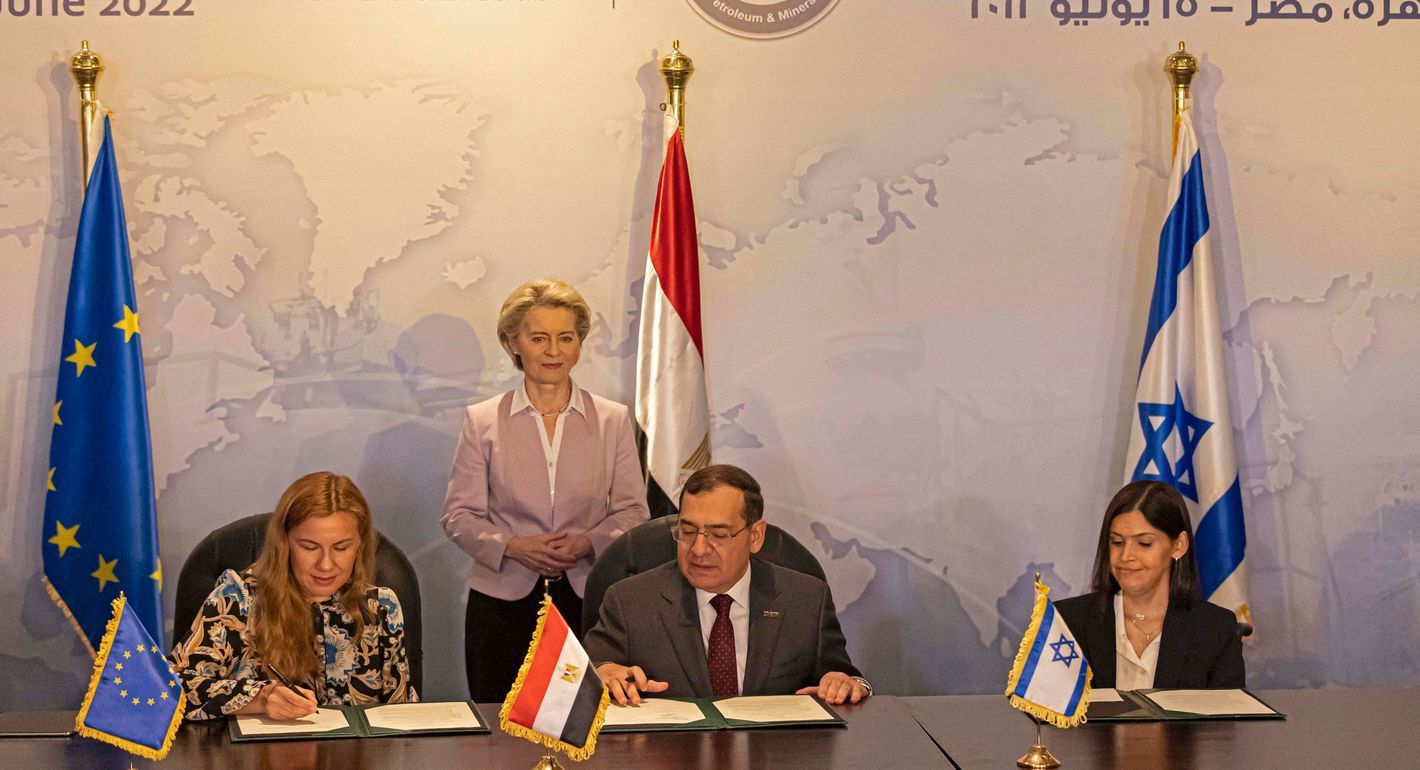
U.S. actions toward Egypt in particular will be watched carefully by democracy advocates and Arab governments alike as a signal of seriousness. The Mubarak regime allowed multicandidate presidential elections in 2005, but it also manipulated electoral laws, subverted judicial processes, beat up demonstrators, and blocked voters from the polls. So far, the Bush administration has condemned the imprisonment of opposition politician Ayman Nour and suspended progress in trade talks with Cairo. The lost prospect of a U.S.-Egyptian free trade agreement no doubt dismays reformers within the Egyptian ruling party and the liberal business elites, but it is not likely to cause many tears among regime stalwarts, whose well-being is rooted in the economic status quo. If these steps are the limit of the U.S. response, then the credibility of President Bush's democracy push will suffer throughout the region. But back in Washington, the matter will not rest. If the Bush administration punts, Congressional human rights advocates will make their voices heard when Egypt's aid package comes up for renewal this spring.
Tamara Cofman Wittes is director of the Arab Democracy and Development Project at the Brookings Institution's Saban Center for Middle East Policy.