

Article
Frederic Wehrey, Charles H. Johnson
{
  "authors": [
    "Frederic Wehrey"
  ],
  "type": "commentary",
  "blog": "Sada",
  "centerAffiliationAll": "",
  "centers": [
    "Carnegie Endowment for International Peace"
  ],
  "collections": [],
  "englishNewsletterAll": "",
  "nonEnglishNewsletterAll": "",
  "primaryCenter": "Carnegie Endowment for International Peace",
  "programAffiliation": "",
  "programs": [],
  "projects": [],
  "regions": [
    "Saudi Arabia",
    "North Africa",
    "Egypt",
    "Middle East",
    "Syria"
  ],
  "topics": [
    "Political Reform"
  ]
}

REQUIRED IMAGE
The Saudi Shi'i news service al-Rasid released its second annual human rights report in late April, a survey of discriminatory practices against the Kingdom's Shi'i minority. Noting a palpable stall in government reform efforts, the report cited the influence of Salafi hardliners in the clerical bureaucracy who dissuaded the ruling family from codifying further concessions to Shi'i identity.
The Saudi Shi'i news service al-Rasid released its second annual human rights report in late April, a survey of discriminatory practices against the Kingdom's Shi'i minority. Noting a palpable stall in government reform efforts, the report cited the influence of Salafi hardliners in the clerical bureaucracy who dissuaded the ruling family from codifying further concessions to Shi'i identity. Other Shi'i activists have pointed to the stagnating effect of the wars in Lebanon and Iraq on the integration of the Shi'a and on reform in general. An oft-quoted phrase attributed to the late King Fahd has acquired new resonance, especially in the Eastern Province: “Why start fires on the inside, when there are fires on the outside?”
The resulting loss of momentum has caused many Shi'a to lose faith in official channels for reform such as the National Dialogue and the municipal councils. Consequently, Shi'i activists and clerics stand at a crossroads. Some, such as the cleric Nimr al-Nimr, have pursued a militant line, stirring fears of a resurgent Saudi Hizballah. More moderate figures such as Hassan al-Saffar, Ja‘afar al-Shayeb, and Muhammad Mahfouz have adopted new tactics that augment the regime-sanctioned channels and focus on building cross-sectarian ties. The ultimate goal, according to one activist, is to create “space for the middle” and to diminish the appeal of sectarian mobilization advocated by radicals in both camps.
Seeking to counteract suspicions that Shi'a constitute an Iranian fifth column, some Shi'i intellectuals have pushed for Saudi-based clerical training in order to create a Saudi Shi'i marja‘ al-taqlid (clerical source of emulation). In their view, this would expedite the national integration of Shi'a and remove any basis for accusing them of loyalty to foreign authority. Advocates of this policy point to a Saudi government precedent in creating indigenous theological schools to mitigate outside influence, for example the establishment of Imam Ibn Saud University in 1974 to counter Egyptian and Syrian Muslim Brotherhood teaching at the Islamic University of Medina. It should be noted, however, that this initiative does not enjoy universal support among Shi'i activists; secularists argue that reducing the power of the clerics is a necessary first step in reforming Shi'ism before any national integration can be accomplished.
Shi'i intellectuals also play a role in dialogue with the Sunna. Scholar Muhammad Mahfouz, for example, recently published an edited volume entitled “Sectarian Dialogue in the Kingdom of Saudi Arabia” (al-Hiwar al-madhhabi fi al-mamlaka al-‘arabiyya al-sa‘udiyya). The 2007 book includes contributions from noted scholars from Sunni and Shi'i schools of thought—Malikis, Hanbalis, Shafi‘is, Hanafis, Zaydis, Isma‘ilis and Twelver Shi'a—across the country, and presents a nuanced revision of previous attempts at rapprochement (taqrib), arguing instead for fraternity (ta'akhi).
Shi'i activists are also continuing a long-standing practice of dialogue and partnering with Salafi reformists in the western party of the country, who serve as what one figure described as a “strike force for reform, deep within the Najd” (the central province of Saudi Arabia from which the ruling family hails, and the birthplace of Wahhabism). Other efforts at inter-sectarian dialogue include Hassan al-Saffar's recent visit to the Salafi stronghold of al-‘Unayza and his invitation for clerics from al-Burayda, also a Salafi bastion, to visit the east. But by their own admission, the Shi'i cooperation with other sects in the Kingdom has remained mostly at the informal level, through e-mails, personal contacts, and the occasional publishing of joint manifestos. Disagreements between Shi'a and Salafis about reform priorities—particularly about the inclusion of women's rights—are common.
At the local level, Shi'a point to the long-standing good relations between Sunna and Shi'a living in the Eastern Province as a buffer against Salafi puritanism, which many view as an import from the Najd. Local economic interdependence and social geography play a critical role in tempering the impact of this ideology and reducing the possibility of a spillover of Iraq's sectarian carnage. While there are acknowledged pockets of sectarian radicalism in provincial towns (al-Awamiyya for Shi'a and al-‘Anq for Salafis), shared schools, courts, public parks and civil defense forces encourage Shi'i-Sunni harmony.
Whether local efforts at co-existence will translate into willingness by the al-Saud to re-energize reforms toward the Shi'a is unclear. In any case, these recent initiatives have the effect of keeping Shi'a engaged in dialogue and political activism and of preventing frustration at the sluggish pace of reforms from spiraling into widespread radicalism. Ironically, the al-Saud may not fully acknowledge such benefits, and might actually impede them by positioning itself as what one activist called “the doorway through which all attempts at sectarian dialogue must pass.”
Fred Wehrey, an International Policy Analyst at the RAND Corporation, recently returned from Saudi Arabia's Eastern Province.
Senior Fellow, Middle East Program
Frederic Wehrey is a senior fellow in the Middle East Program at the Carnegie Endowment for International Peace, where his research focuses on governance, conflict, and security in Libya, North Africa, and the Persian Gulf.
Recent Work
Frederic Wehrey, Charles H. Johnson
Frederic Wehrey, Charles H. Johnson
Carnegie does not take institutional positions on public policy issues; the views represented herein are those of the author(s) and do not necessarily reflect the views of Carnegie, its staff, or its trustees.
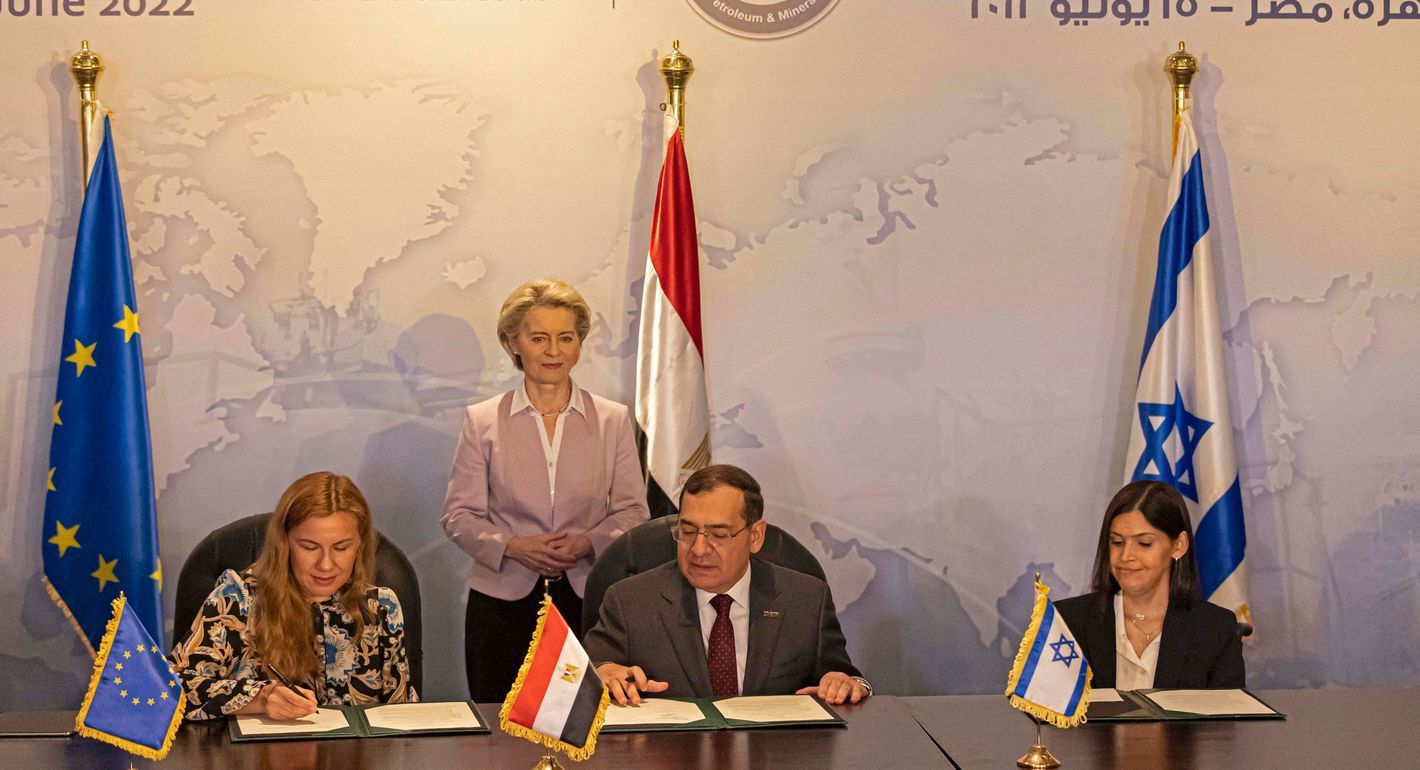
Can economic ties help contain conflict between Egypt and Israel, or do they simply postpone confrontation? Drawing on the German-Russian experience, the article examines how the gas deal creates mutual dependence, keeps channels of cooperation open, and raises the cost of conflict, without necessarily delivering lasting peace.
Nourhan Hefzy
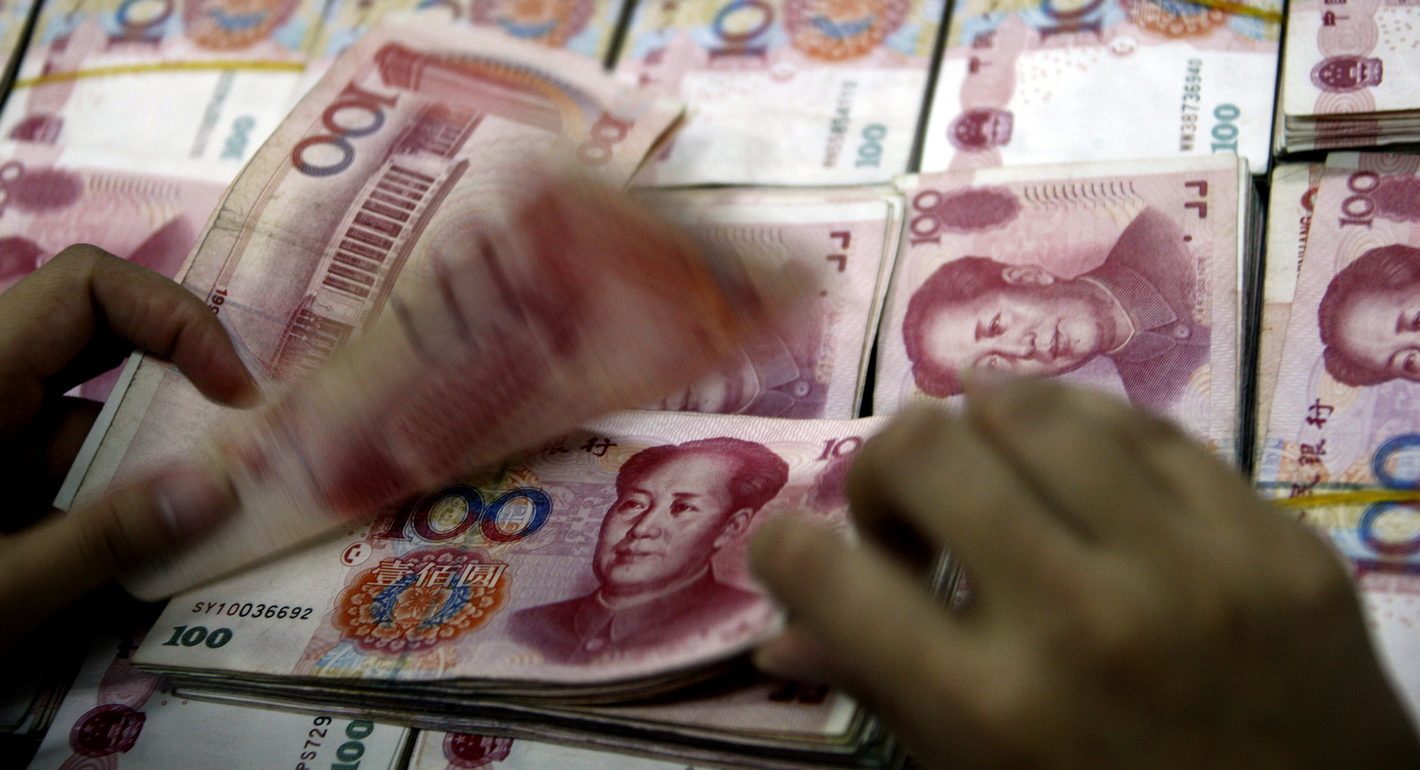
Is the Gulf moving beyond the dollar? This article examines how China is expanding the renminbi's role across Gulf markets, what that means for regional finance, and why the future of global currencies is more complex than the de-dollarization debate suggests.

Andrew Bonney
Syria's transition promised a fresh start. But are old habits of power making a comeback? This analysis looks at the warning signs and what it will take to build a more accountable state.
Sima Beitinjaneh
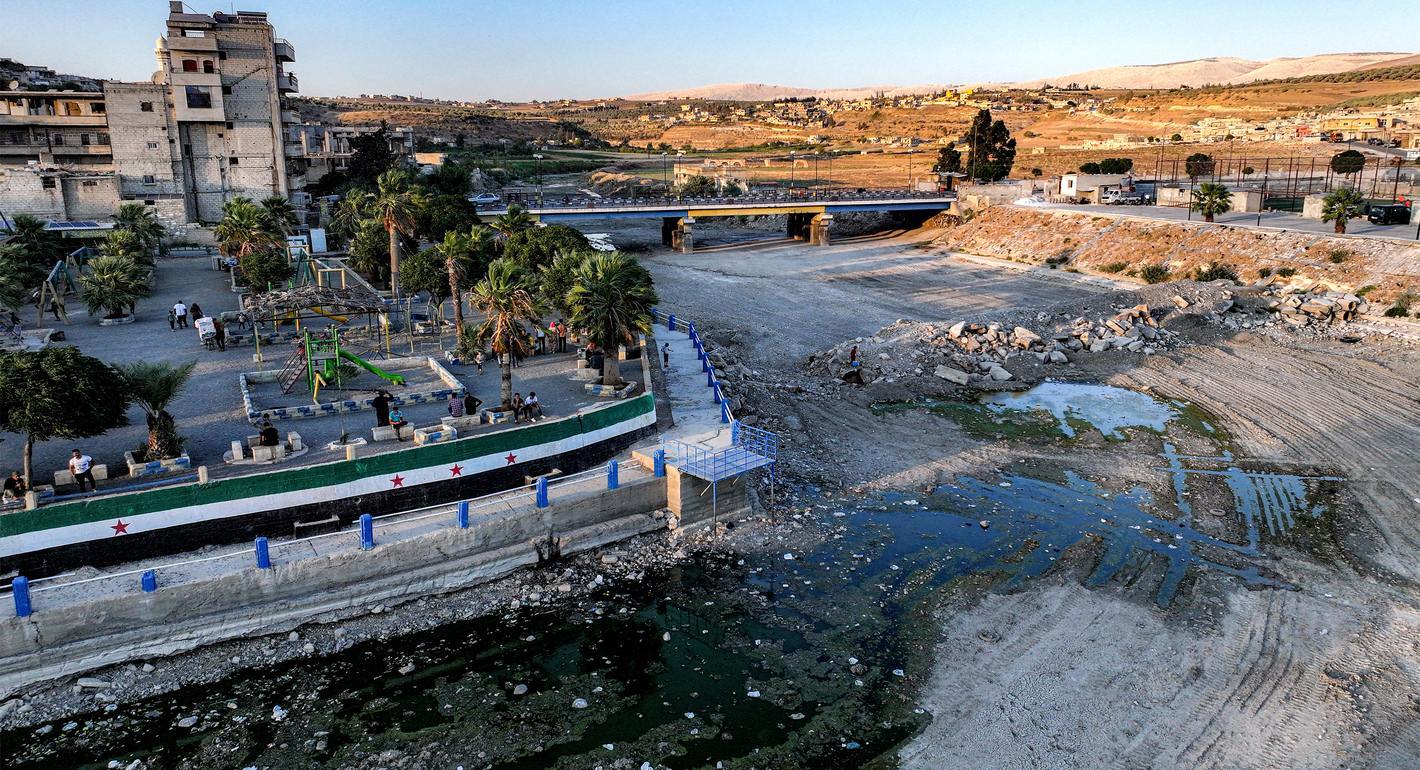
Syria’s worsening drought is no longer a seasonal crisis. This report explains what climate change is doing to rainfall, groundwater, and food security, and what solutions experts say are still possible.
Milia Esper
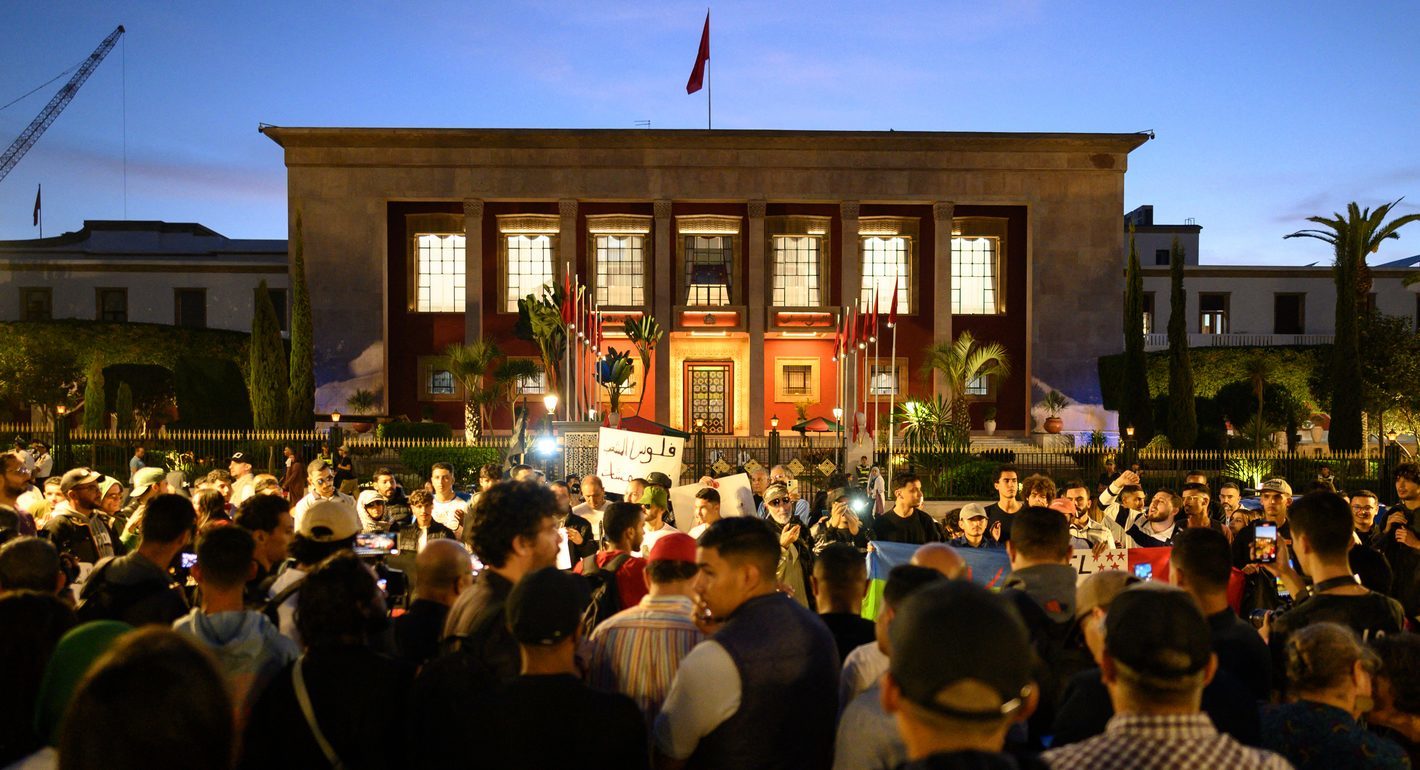
From anime heroes to online gaming communities, Morocco’s Gen Z is building a new protest culture. What does this digital imagination reveal about youth politics, and how should institutions respond?
Abdelilah Farah