

Research
- +6
Yasmine Farouk, Nathan J. Brown, Maysaa Shuja Al-Deen, …
{
  "authors": [
    "Michele Dunne"
  ],
  "type": "other",
  "centerAffiliationAll": "dc",
  "centers": [
    "Carnegie Endowment for International Peace",
    "Malcolm H. Kerr Carnegie Middle East Center"
  ],
  "collections": [
    "Democracy and Governance"
  ],
  "englishNewsletterAll": "democracy",
  "nonEnglishNewsletterAll": "",
  "primaryCenter": "Malcolm H. Kerr Carnegie Middle East Center",
  "programAffiliation": "DCG",
  "programs": [
    "Democracy, Conflict, and Governance",
    "Middle East"
  ],
  "projects": [],
  "regions": [
    "North Africa",
    "Egypt"
  ],
  "topics": [
    "Political Reform",
    "Democracy",
    "Foreign Policy"
  ]
}
REQUIRED IMAGE
Michele Dunne outlines the major implications of Egypt’s current political climate and presents four key issues on which the U.S. should focus its attention: presidential term limits, greater freedom for political parties and movements, independent election oversight, and limiting executive branch powers under a new counter-terrorism law.
Egypt is in the early stages of a leadership succession that could swing the country toward greater openness and political competition or toward consolidated authoritarianism. President Mubarak has proposed extensive constitutional amendments that would shift some powers from the presidency to the legislative branch and revise rules for presidential and parliamentary elections, but observers are concerned that many of the changes may prove to be cosmetic. Crises in Iraq, Palestine, and Lebanon have hindered the United States from pursuing its stated goal of Middle East democracy promotion, yet these developments present a unique opportunity to urge meaningful reform in Egypt without endangering stability or key regional relationships.
In a new Carnegie Policy Outlook, Michele Dunne outlines the major implications of Egypt’s current political climate and presents four key issues on which the U.S. should focus its attention: presidential term limits, greater freedom for political parties and movements, independent election oversight, and limiting executive branch powers under a new counter-terrorism law.
This is a web-only publication.
Click on the link above for the full text of this Carnegie publication.
About the Author
Michele Dunne is a senior associate at the Carnegie Endowment and editor of the Arab Reform Bulletin. A specialist on Middle East affairs, formerly at the State Department and White House, Dunne is author of Evaluating Egyptian Reform, Integrating Democracy Promotion into U.S. Middle East Policy, and Libya: Security Is Not Enough

Former Nonresident Scholar, Middle East Program
Michele Dunne was a nonresident scholar in Carnegie’s Middle East Program, where her research focuses on political and economic change in Arab countries, particularly Egypt, as well as U.S. policy in the Middle East.
Recent Work



Yasmine Farouk, Nathan J. Brown, Maysaa Shuja Al-Deen, …
Robert Springborg, Emile Hokayem, Becca Wasser, …
Carnegie does not take institutional positions on public policy issues; the views represented herein are those of the author(s) and do not necessarily reflect the views of Carnegie, its staff, or its trustees.
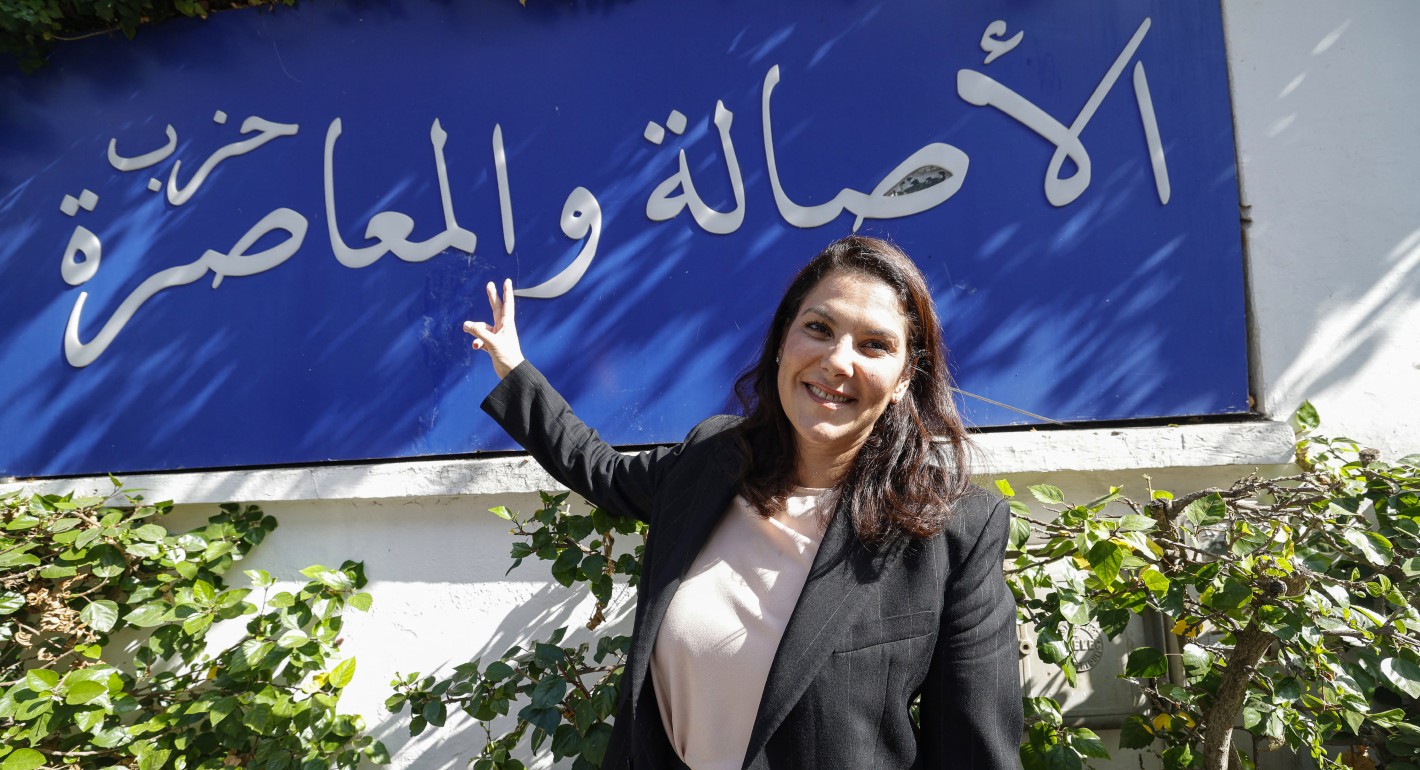
Fatima El Mansouri is the country’s first female prime minister. She’s also a privileged insider in a largely ceremonial position.

Sarah Yerkes

The acknowledgment has sparked fears of a new arms race with China and Russia.

Chris O’Meara

Smaller powers cannot go it alone, but Canadian history shows that integration with the United States will not always be benign.
Paul Samson

The European Commissioner for Trade is headed to China. But after President Xi’s bridge-building visit to Washington, can a more isolated EU overcome Beijing’s stranglehold on critical raw materials? Who will blink first?

Rym Momtaz, ed.
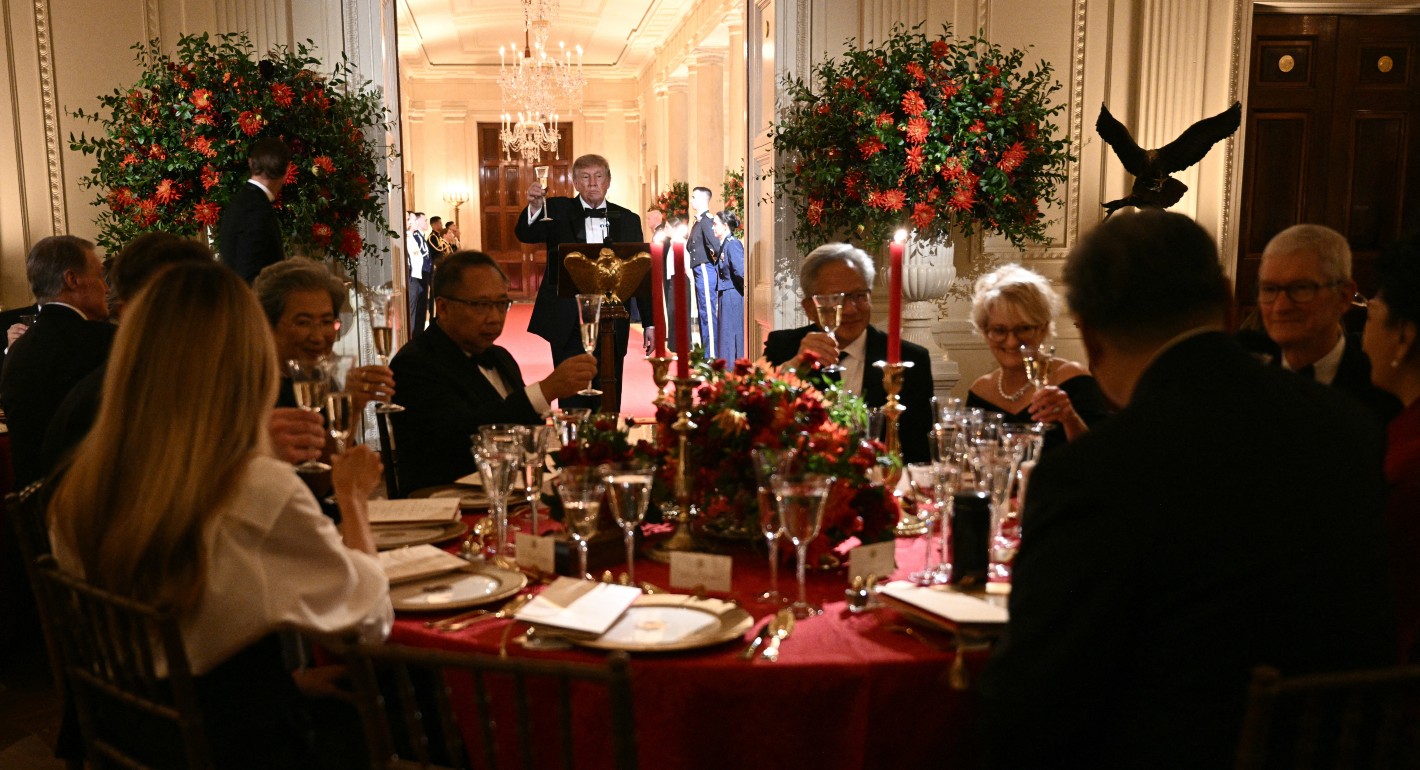
The summit may be remembered as a fatal blunder, when Washington, Beijing, and the AI industry collectively chose ceremony over action.
Jeffrey Prescott