

In The Media
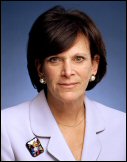
Jessica Tuchman Mathews
{
  "authors": [
    "Jessica Tuchman Mathews"
  ],
  "type": "testimony",
  "centerAffiliationAll": "dc",
  "centers": [
    "Carnegie Endowment for International Peace"
  ],
  "collections": [],
  "englishNewsletterAll": "menaTransitions",
  "nonEnglishNewsletterAll": "",
  "primaryCenter": "Carnegie Endowment for International Peace",
  "programAffiliation": "MEP",
  "programs": [
    "Middle East"
  ],
  "projects": [],
  "regions": [
    "North America",
    "United States",
    "Middle East",
    "Iraq"
  ],
  "topics": [
    "Political Reform",
    "Democracy",
    "Military",
    "Foreign Policy"
  ]
}
Source: Getty
The premise of the United States' current strategy in Iraq — that a political solution would follow if the violence could be reduced — is false. What is underway today in Iraq is a natural and inevitable struggle for power. The American presence delays what will eventually happen anyway.
Source: Testimony before the House Armed Services Committee

The current conversation in Washington badly distorts what is happening in Iraq and what our options are. As it has from the very beginning, U.S. strategy has more to do with political needs in Washington than it has to realities on the ground – to our continuing confusion and detriment. Five key considerations provide a more clear-eyed view and may offer a new approach for the way forward.
The premise of our current strategy — that a political solution would follow if the violence could be reduced — is false. What is underway today in Iraq is a natural and inevitable struggle for power. The American presence delays what will eventually happen anyway.
Click on PDF icon above to read full written testimony.
Click on the PDF icon to the right for the full Transcript.

To view this video, you will need Windows Media Player or RealPlayer.
Download Windows Media Player
Download RealPlayer
Click on one of the options below to watch video or listen to audio from the event:
   |

Distinguished Fellow
Mathews is a distinguished fellow at the Carnegie Endowment for International Peace. She served as Carnegie’s president for 18 years.
Recent Work
Jessica Tuchman Mathews
Jessica Tuchman Mathews
Carnegie does not take institutional positions on public policy issues; the views represented herein are those of the author(s) and do not necessarily reflect the views of Carnegie, its staff, or its trustees.
Closer EU-UK ties could help address urgent European concerns. But is the EU ready for rapprochement with the United Kingdom?

Rym Momtaz, ed.

The Russian state has opted for complete ideological control of the internet and is prepared to bear the associated costs.

Maria Kolomychenko
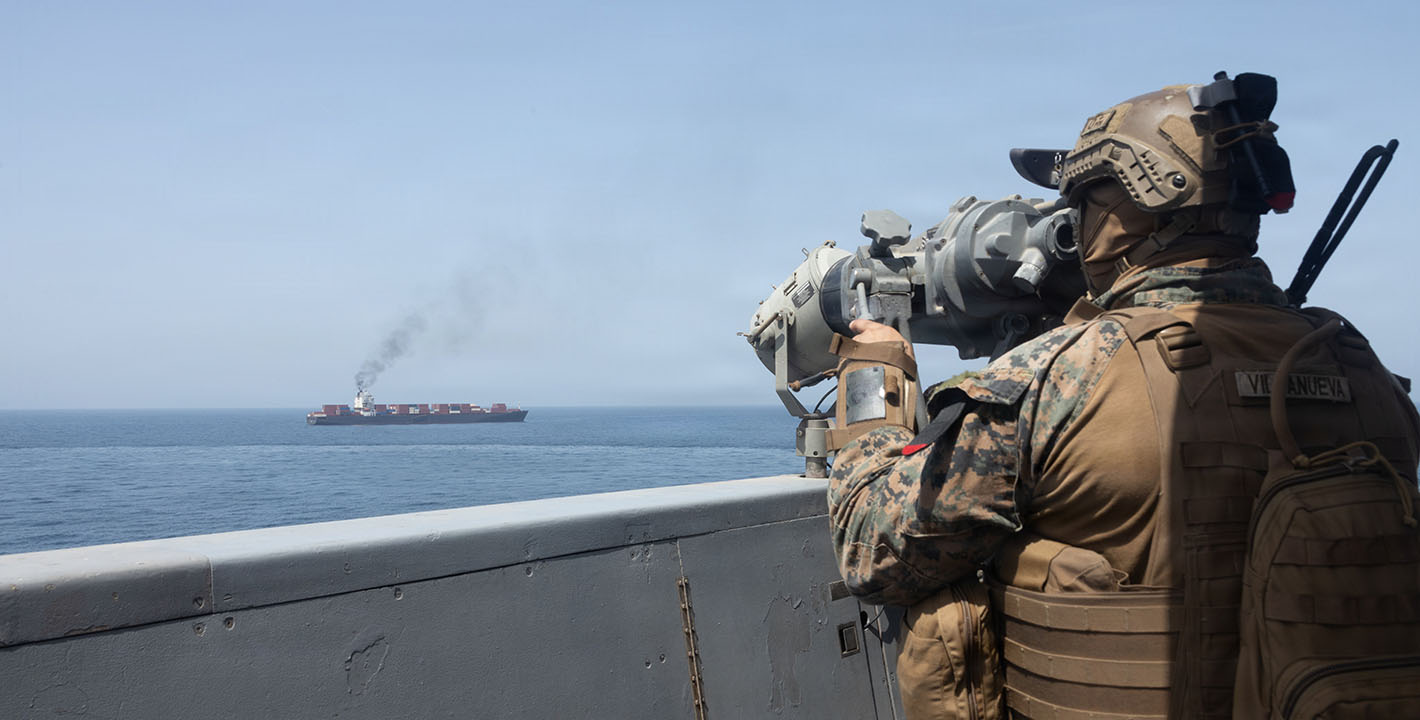
In an interview, Jim Lamson discusses the ongoing regional conflict and sees an unclear picture when it comes to winners and losers.

Michael Young
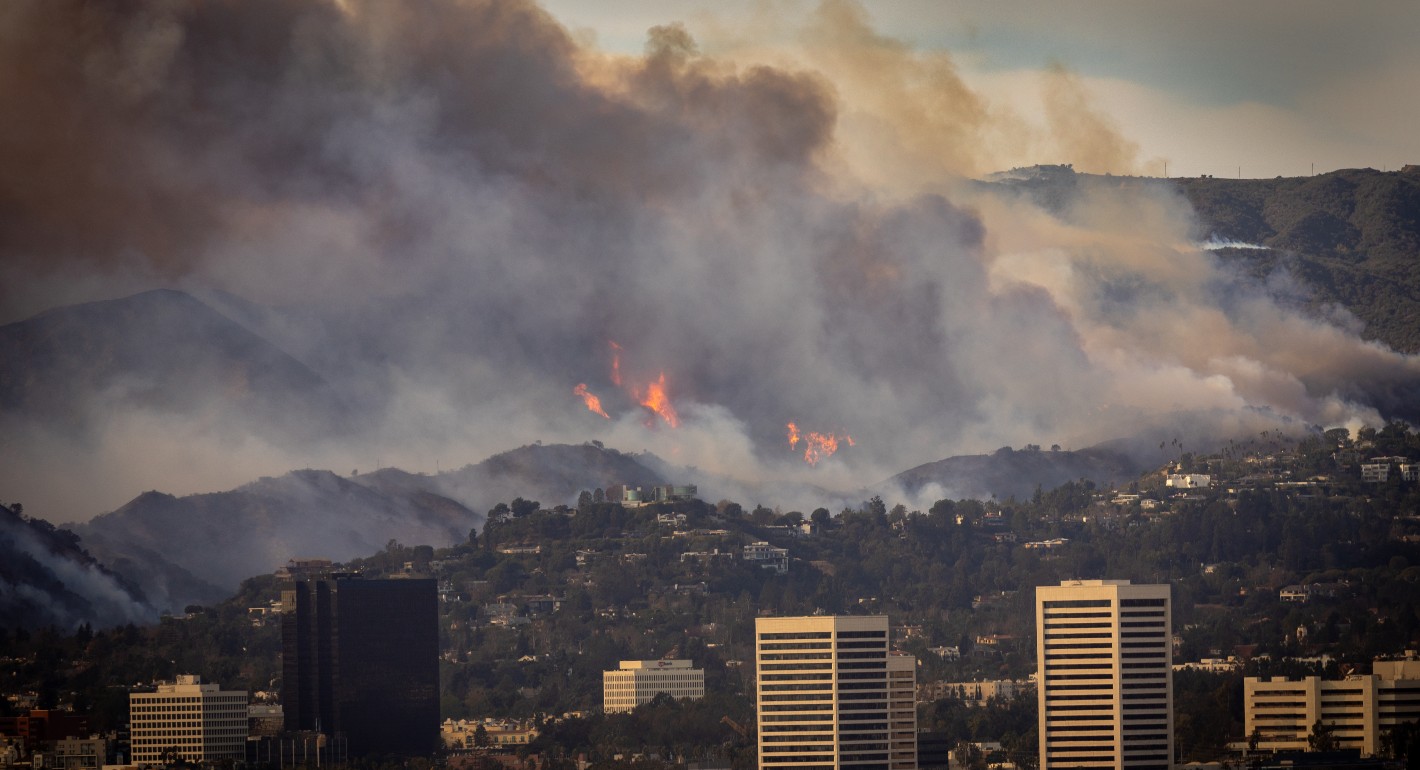
Our new report offers a path forward for local officials and future policymakers.



Joe McCannon, Jenny Keroack, Lauren Jensen, …

Present and future policymakers seeking to address climate-related health challenges can draw lessons from the successes and failures of the Biden administration.
Joe McCannon, Jenny Keroack, Lauren Jensen, …