

In The Media
David Rothkopf
{
  "authors": [
    "David Rothkopf"
  ],
  "type": "legacyinthemedia",
  "centerAffiliationAll": "dc",
  "centers": [
    "Carnegie Endowment for International Peace"
  ],
  "collections": [],
  "englishNewsletterAll": "asia",
  "nonEnglishNewsletterAll": "",
  "primaryCenter": "Carnegie Endowment for International Peace",
  "programAffiliation": "AP",
  "programs": [
    "Asia",
    "Russia and Eurasia"
  ],
  "projects": [],
  "regions": [
    "North America",
    "United States",
    "South America",
    "South Asia",
    "Pakistan",
    "East Asia",
    "China",
    "Taiwan",
    "Caucasus",
    "Russia"
  ],
  "topics": [
    "Economy",
    "Trade"
  ]
}
Source: Getty
In this phase of the financial crisis, struggling countries are looking to rising powers for help, rather than turning to the conditional aid traditionally offered by the IMF. This trend highlights the shifting global financial order and indicates that emerging powers will undoubtedly play a larger role as the international community attempts to define a new global financial system.
Source: Financial Times

For decades, countries in trouble have turned to the International Monetary Fund and the great powers of the developed world for the cash infusions needed for debt payments or to meet budget shortfalls. Typically, the money came with conditions, conforming to a prescription known as the Washington consensus that promoted market liberalisation and fiscal responsibility. For many the conditions were odious. But money talks and the result was the classic illustration of soft power, of western states advancing their interests not at the point of a gun but at the tip of a cheque-signer’s pen.
But as this crisis has unfolded, the first impulse of some of the countries in trouble has been to seek aid from emerging economy lenders, from countries that possess both the financial resources to help and a more accommodating attitude to lending conditions. When Iceland’s economy started to spiral downwards its leaders, frustrated by the lack of swift help from western allies, turned to Russia . Although the slow pace of those talks ultimately resulted in Iceland agreeing a package led by the IMF, it is noteworthy that those loans came with fewer conditions than the Fund has imposed in the past, a sign that it is starting to realise it is not the only game in town.
This trend is further illustrated by the case of Pakistan. With reserves falling to under $4.5bn (€3.4bn, £2.7bn), just enough to pay for six weeks of imports, politically unstable Pakistan has been speeding towards an economic calamity. A financial crisis would pose a threat to the new pro-western government of President Asif Ali Zardari, which is already under siege. But the institutions of the west are very unpopular in Pakistan.
So to whom did Pakistan turn in its hour of need? Last week Mr Zardari travelled to Beijing to seek a loan from the country with the world’s largest reserves. While specifics of the deal with the Chinese are unclear, it appears they will offer help in the form of commercial deals, energy aid and participation in a larger international rescue package. The Pakistanis want to augment this with funds from the oil-producing nations of the Persian Gulf that have agreed to discuss a “friends of Pakistan” bail-out with China, the US and others in an effort designed not to appear western dominated. Again, the IMF has subsequently (and with explicit unease) been approached and is likely to play a role in any final package, although there are signs it may again soften its usual terms.
The developments in Iceland and Pakistan are not isolated cases. A new mix of lenders is being sought, suggesting that the successor to the Bretton Woods order is being created on an ad hoc basis by the markets. Well before the crisis, the Chinese lent billions to Africa. In one press release associated with a financing programme, the Chinese leadership noted the money came with “no political conditions”. Even so, the move has concerned leaders in the global financial establishment. Hugo Chávez, president of Venezuela, drove the Americans crazy as Bolivia, Argentina, Ecuador, Nicaragua, Honduras and Cuba accepted his aid. Last year, Mr Chávez distributed four times as much aid in South America as the US.
Do these loans come, as advertised, without strings? Of course not. A recent meeting announcing a Russian loan to Venezuela produced a declaration of support for Russia’s territorial claims in the Caucasus. China has often put pressure on beneficiaries to vote China’s way against Taiwan in the United Nations or to withdraw recognition of Taiwan. Venezuela wants to counter US influence in the Americas and its cash has reinforced the views of countries already wary of the US.
This new set of lenders is gaining influence. Mr Chávez has begun to create a Bank of the South to institutionalise his ad hoc programme. Even if that project does not achieve the scale he hoped – with falling oil prices, it will be hard to meet funding goals – it heralds the emergence of a new wave of alternative institutional structures, not dominated by western powers.
As other countries face crisis – Turkey, Argentina, Ukraine, the Baltics and others in eastern Europe all look precarious – it will be telling how many go the traditional route and how many initially explore other options.
Of course, the final irony is that the free market gurus at the IMF and in the US Treasury are relearning an old free market lesson: competition. Unlike the moment when aggressive private sector lenders made the Fund seem redundant, the current shifts have significant geopolitical implications. The balance of soft power is shifting. Western leaders should learn the lesson: the old system is outdated. The powers that dominated it did not practice the medicine they preached to others in previous financial crises. Any new system must now reflect the new financial order, giving bigger roles to emerging powers. If this does not happen, the new entities could start out even weaker than the damaged ones they replace.
Former Visiting Scholar
David Rothkopf was a visiting scholar at the Carnegie Endowment as well as the former CEO and editor in chief of the FP Group.
Recent Work
David Rothkopf
David Rothkopf
Carnegie does not take institutional positions on public policy issues; the views represented herein are those of the author(s) and do not necessarily reflect the views of Carnegie, its staff, or its trustees.
Although Ukrainian strikes have led to a noticeable decline in the physical volume of Russian oil exports, the rise in prices has more than made up for it.

Sergey Vakulenko
Five problems—and solutions—to make it actually work as a tool of great power competition.
Afreen Akhter
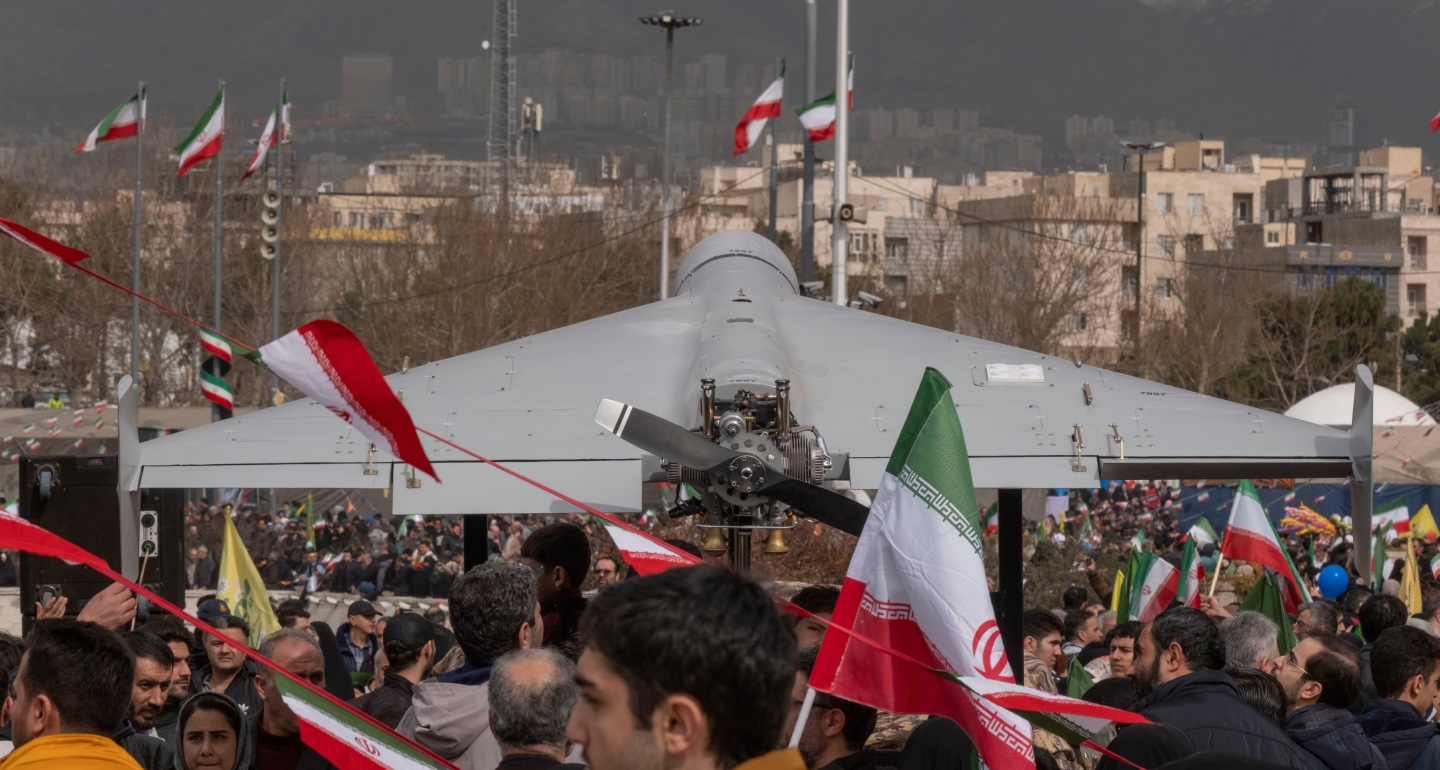
The Russian leadership wants to avoid a dangerous precedent in which it is squeezed out of Iran by the United States and Israel—and left powerless to respond in any meaningful way.

Nikita Smagin
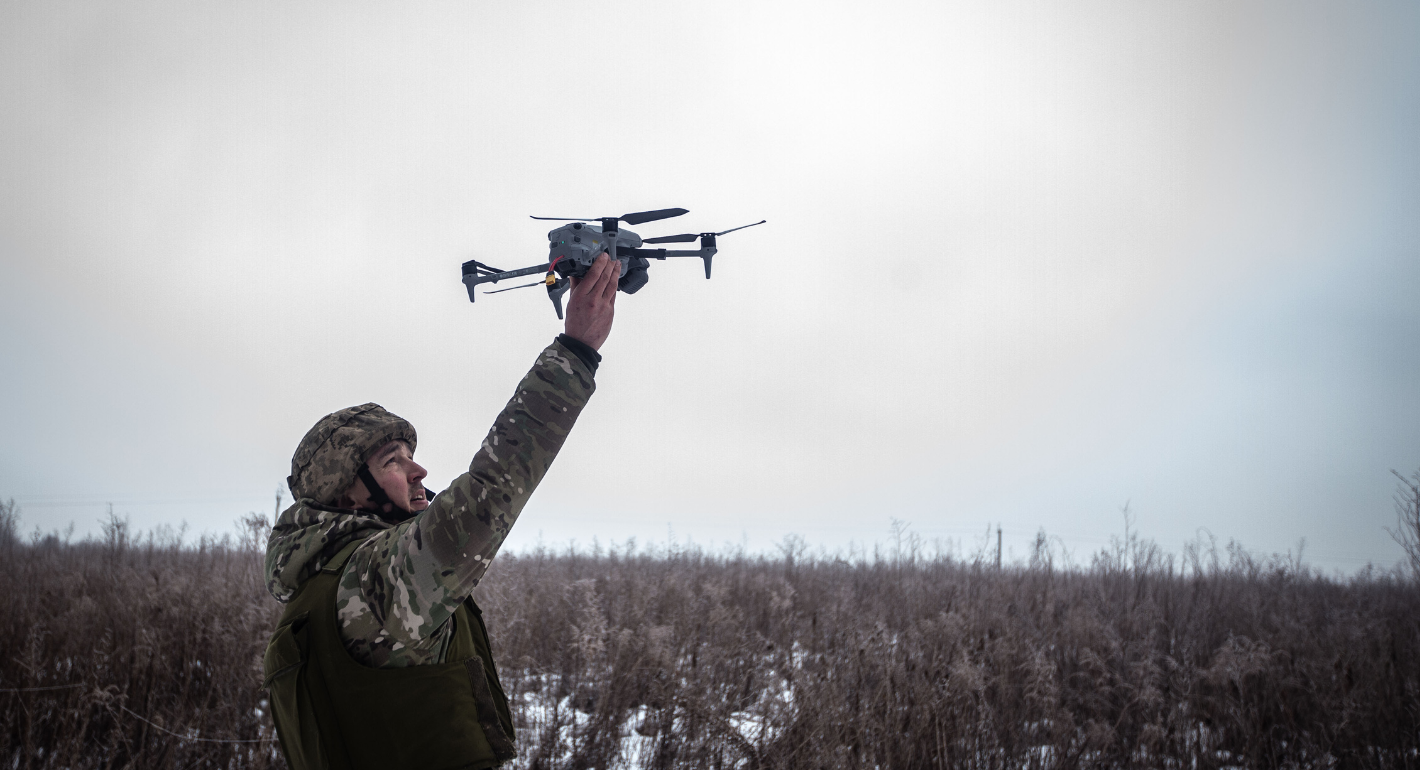
In Ukraine, Gaza, and Iran, AI warfare has come to dominate, with barely any oversight or accountability. Europe must lead the charge on the responsible use of new military technologies.

Raluca Csernatoni
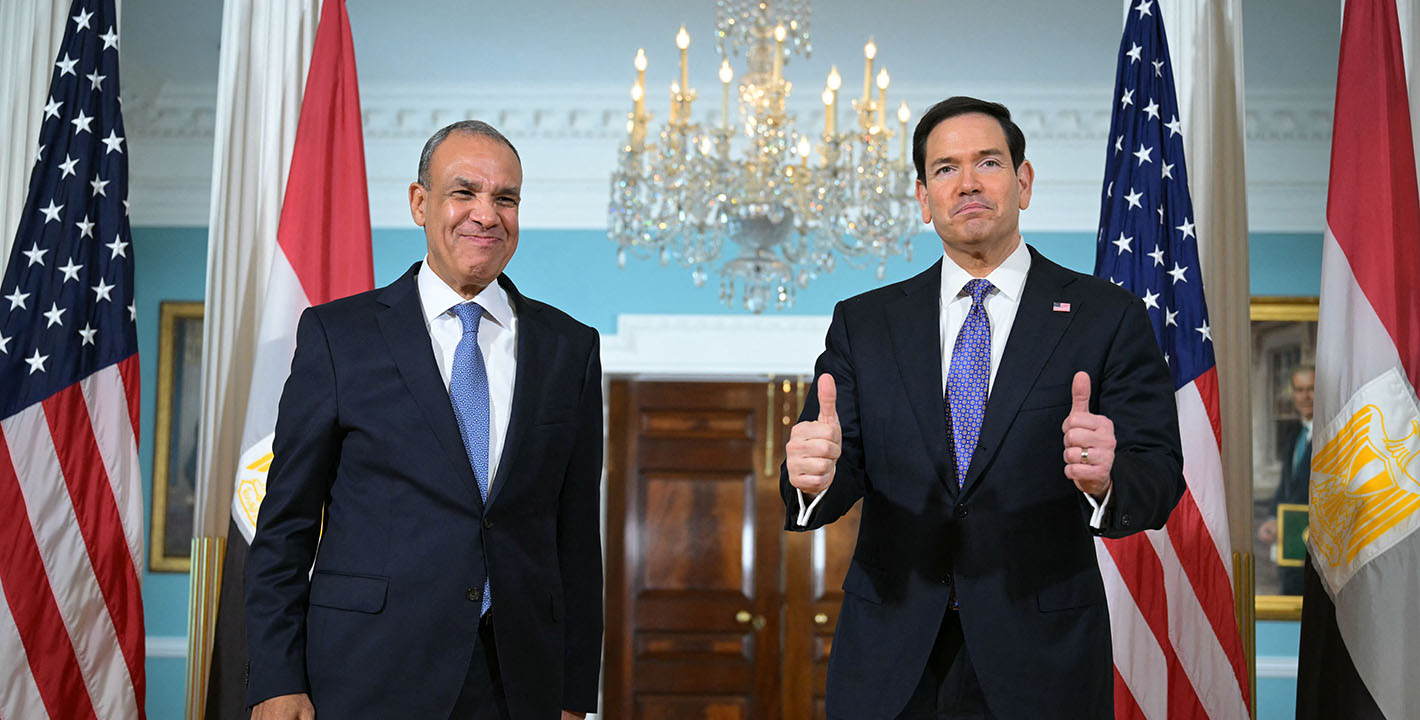
Cairo’s efforts send a message to the United States and the region that it still has a place at the diplomatic table.

Angie Omar