Article
John P. Millhone
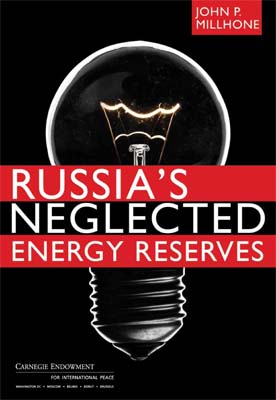
Russia’s energy reserves can be conserved through available, cost-effective measures, which will lead to a more competitive economy, more jobs, and increased national income.
Russia enjoys the world’s largest share of energy resources. While urban areas have grown more efficient in recent years, great expanses of the vast country continue to squander its valuable resources. Russia’s energy reserves can be conserved through available, cost-effective measures and this will lead to a more competitive economy, more jobs, and increased national income.
Significant benefits are within reach if effective federal, district, and local programs are implemented. By improving energy efficiency, Russia could:
“Russia has a unique win-win opportunity if it acts aggressively to couple its energy and climate-change policies,” writes Millhone.

Former Visiting Scholar, Energy and Climate Program
Millhone is currently evaluating and commenting on U.S. energy policies and focusing on clean energy and economic stimulus initiatives. He is also providing analysis to the U.S.–China provincial and municipal energy efficiency management program.
Recent Work
John P. Millhone
John P. Millhone
Carnegie does not take institutional positions on public policy issues; the views represented herein are those of the author(s) and do not necessarily reflect the views of Carnegie, its staff, or its trustees.
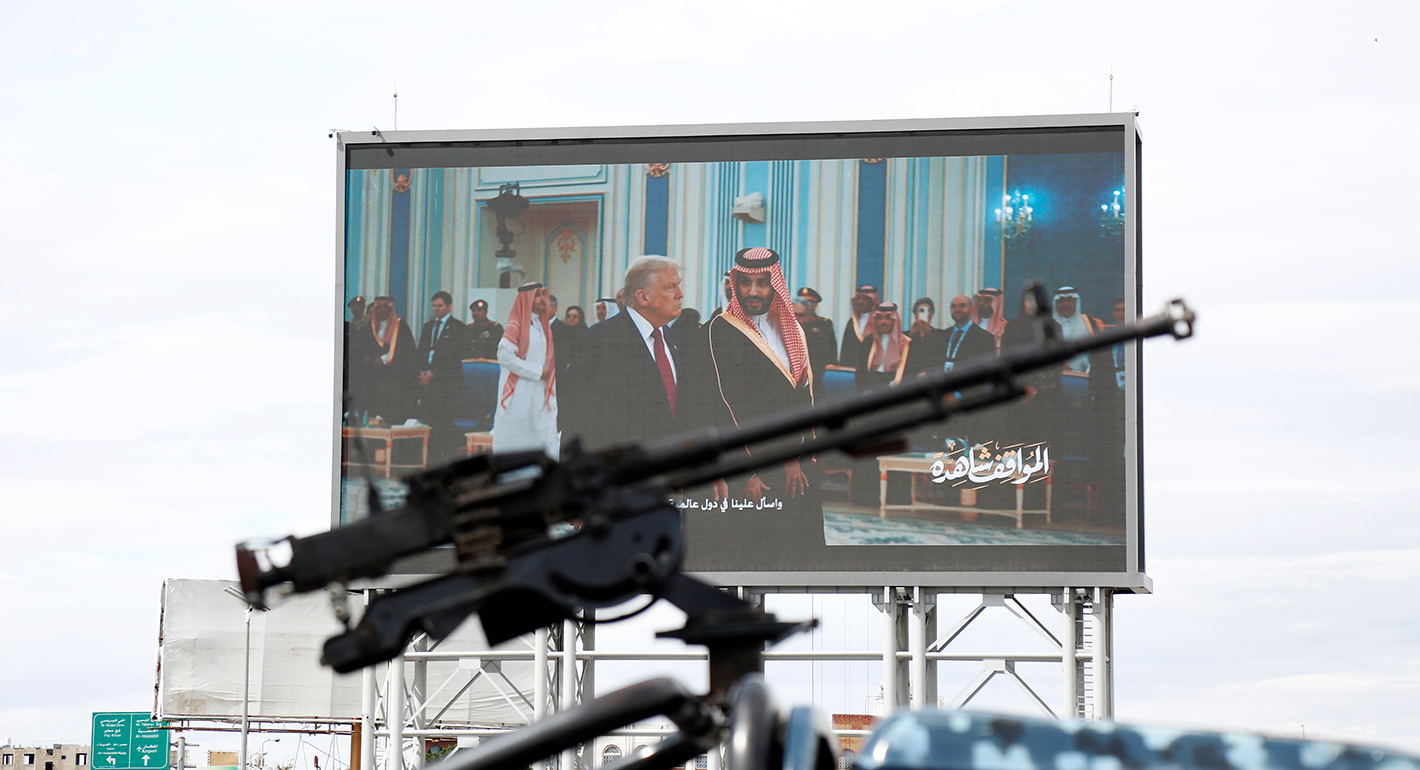
As the war between the United States, Israel, and Iran continues, Carnegie scholars contribute cutting-edge analysis on the events of the war and their wide-reaching implications. From the impact on Iran and its immediate neighbors to the responses from Gulf states to fuel and fertilizer shortages caused by the effective shutdown of the Strait of Hormuz, the war is reshaping Middle East alliances and creating shockwaves around the world. Carnegie experts analyze it all.
The return of war as the organizing factor in Middle Eastern politics has predictable consequences: governments are prioritizing regime stability and becoming averse to political and social reform.


Sarah Yerkes, Amr Hamzawy
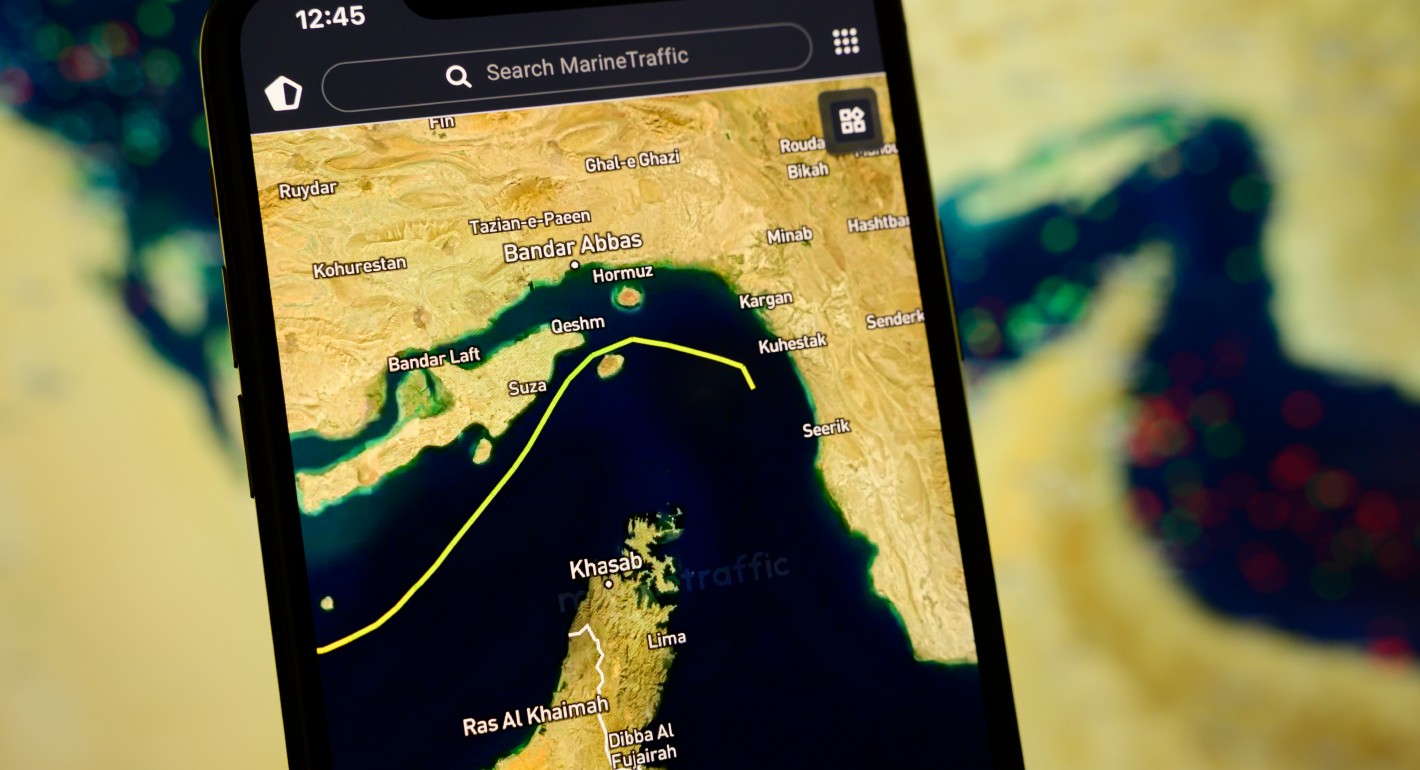
Why the Iran ceasefire isn’t a quick fix to the Strait of Hormuz energy crisis.


Helima Croft, Aaron David Miller

The internet is awash not only with instructions from digital security experts, but also with urban legends and conspiracy theories that divert attention away from the real dangers of Max.

David Frenkel
Putin’s blunder has created new and enduring security challenges for Russia and Europe.
Eugene Rumer