

Commentary
Europe has been standing by while its Southern neighborhood is being redrawn by force. To establish a path to peace between Israel and Lebanon, it’s time for Europeans to get involved with hard power.
Rym Momtaz
{
  "authors": [
    "Uri Dadush",
    "Michele Dunne"
  ],
  "type": "legacyinthemedia",
  "centerAffiliationAll": "dc",
  "centers": [
    "Carnegie Endowment for International Peace"
  ],
  "collections": [
    "Arab Awakening"
  ],
  "englishNewsletterAll": "menaTransitions",
  "nonEnglishNewsletterAll": "",
  "primaryCenter": "Carnegie Endowment for International Peace",
  "programAffiliation": "MEP",
  "programs": [
    "Middle East"
  ],
  "projects": [],
  "regions": [
    "North America",
    "United States",
    "Middle East",
    "North Africa",
    "Egypt",
    "Libya",
    "Tunisia",
    "Western Europe"
  ],
  "topics": [
    "Political Reform",
    "Economy",
    "Foreign Policy"
  ]
}
Source: Getty
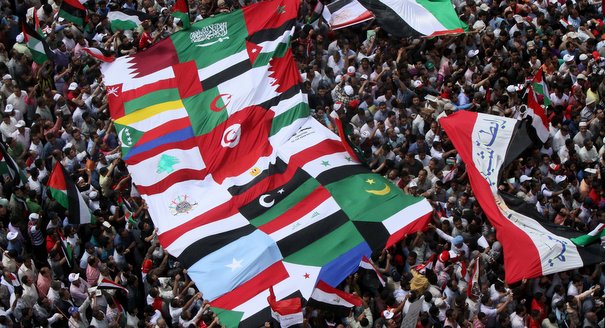
Given the economic problems facing both sides of the Atlantic, Europe and the United States can best support democratic transitions in Arab countries through enhanced trade agreements that improve market access and maximize job-promoting reforms.
Source: Washington Quarterly

Analogous to the process that successfully drew the formerly planned economies of Eastern Europe to liberal democracy, what is needed is a new and compelling vision for closer and more equitable economic relations both among Arab countries and between them and the trans-Atlantic community. Reflecting the global interest in successful transitions, the initiative should also mobilize assistance from large oil-importing countries outside of Europe and the United States. It should also draw on help from Saudi Arabia and the other Gulf States which, though clearly ambivalent about the democratic transitions in their Arab neighbors, have a vital interest in their growth and stability. To these ends, new trade agreements should be far deeper and more comprehensive than those currently in force and contain many of the elements included in Eastern European countries’ accession agreements, including a bold multi-year trade assistance initiative designed to bolster competitiveness and the role of the private sector in the Arab countries.

Former Senior Associate, International Economics Program
Dadush was a senior associate at the Carnegie Endowment for International Peace. He focuses on trends in the global economy and is currently tracking developments in the eurozone crisis.

Former Nonresident Scholar, Middle East Program
Michele Dunne was a nonresident scholar in Carnegie’s Middle East Program, where her research focuses on political and economic change in Arab countries, particularly Egypt, as well as U.S. policy in the Middle East.
Carnegie does not take institutional positions on public policy issues; the views represented herein are those of the author(s) and do not necessarily reflect the views of Carnegie, its staff, or its trustees.
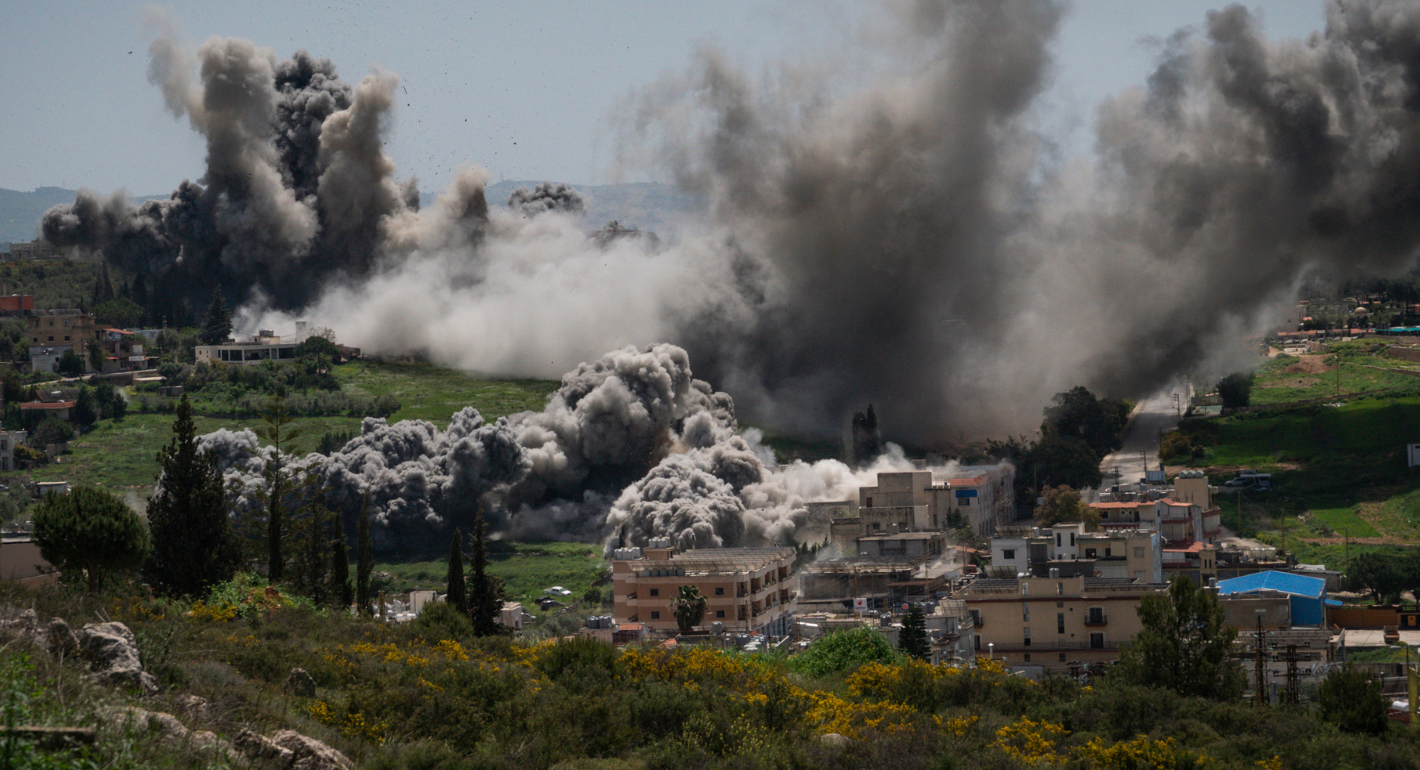
Europe has been standing by while its Southern neighborhood is being redrawn by force. To establish a path to peace between Israel and Lebanon, it’s time for Europeans to get involved with hard power.

Rym Momtaz

After four years of war, there is no one who can stand up to the security establishment, and President Vladimir Putin is increasingly passive.

Tatiana Stanovaya
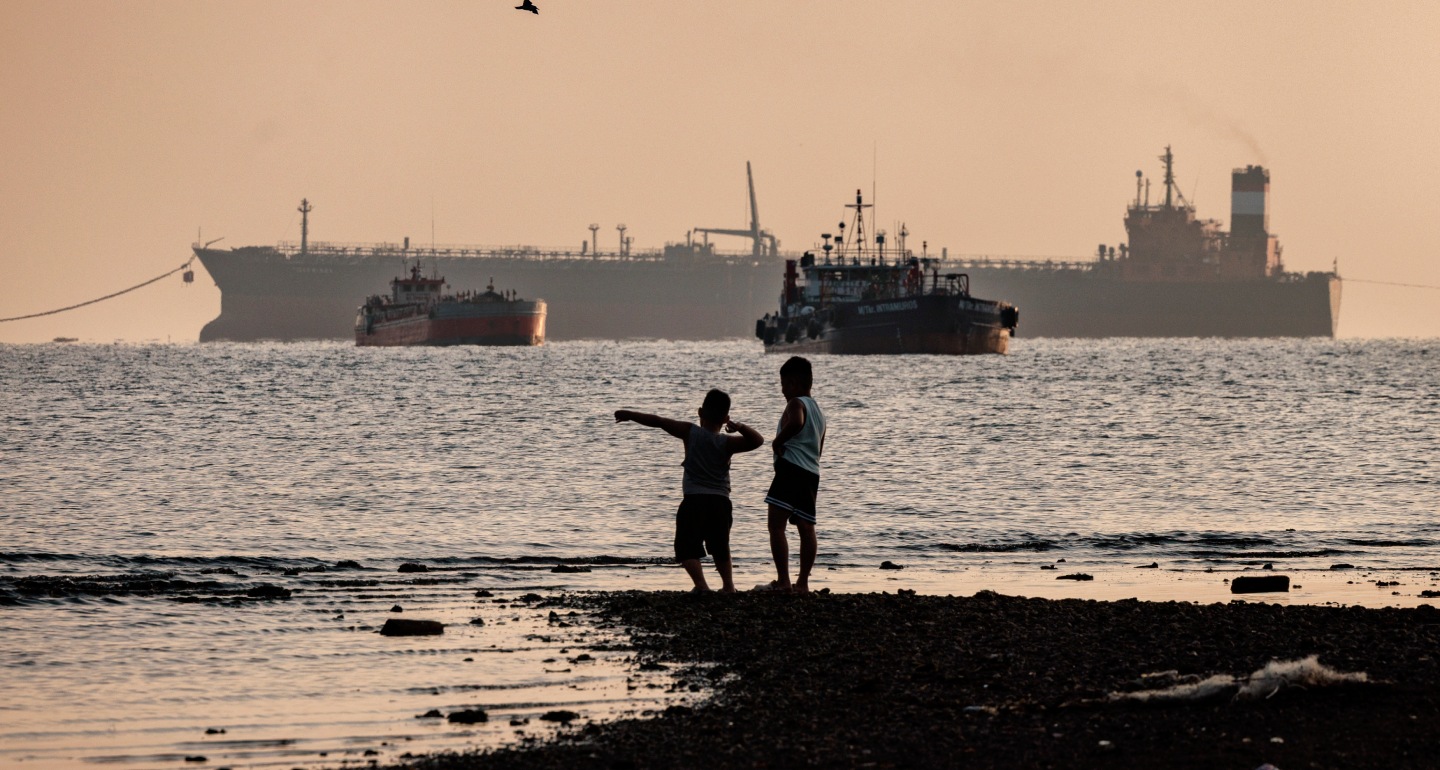
Although Ukrainian strikes have led to a noticeable decline in the physical volume of Russian oil exports, the rise in prices has more than made up for it.

Sergey Vakulenko
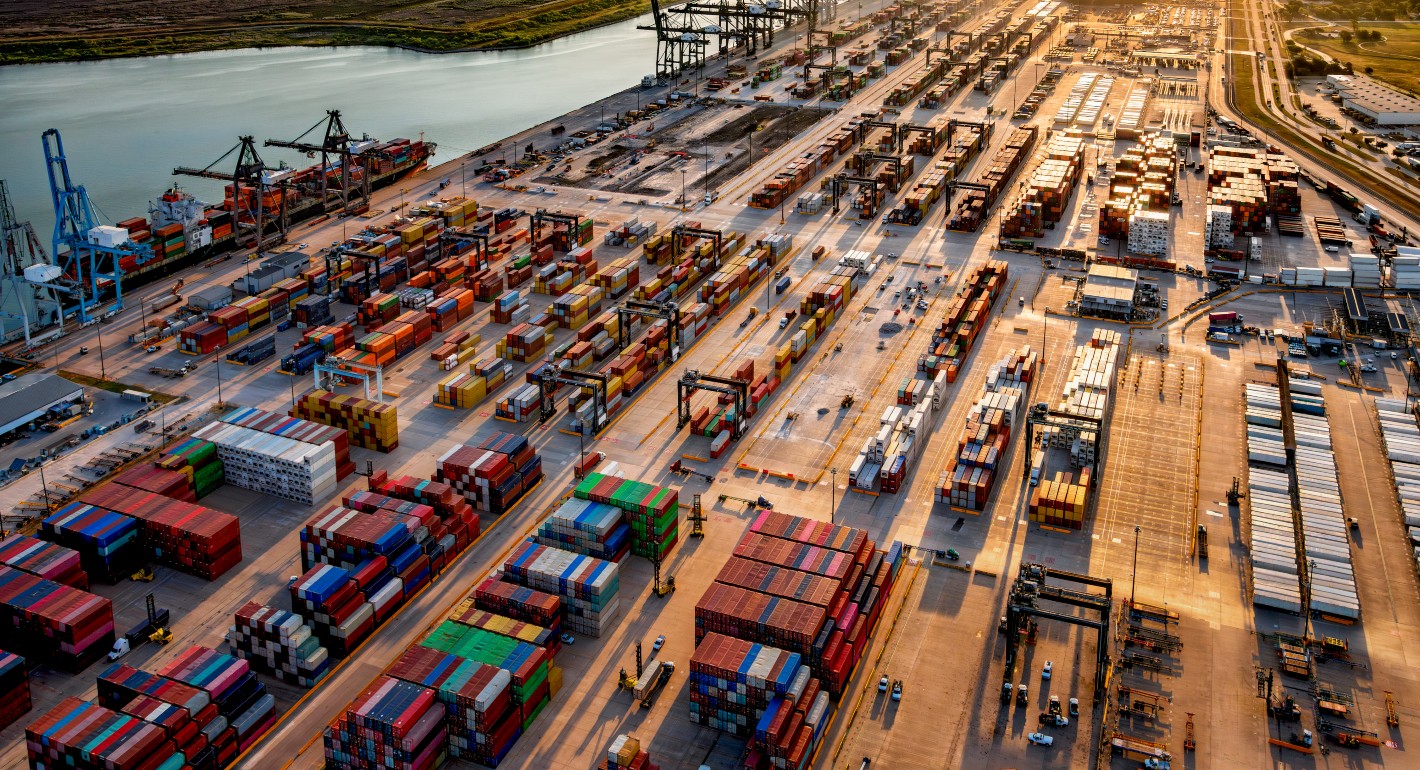
Five problems—and solutions—to make it actually work as a tool of great power competition.

Afreen Akhter
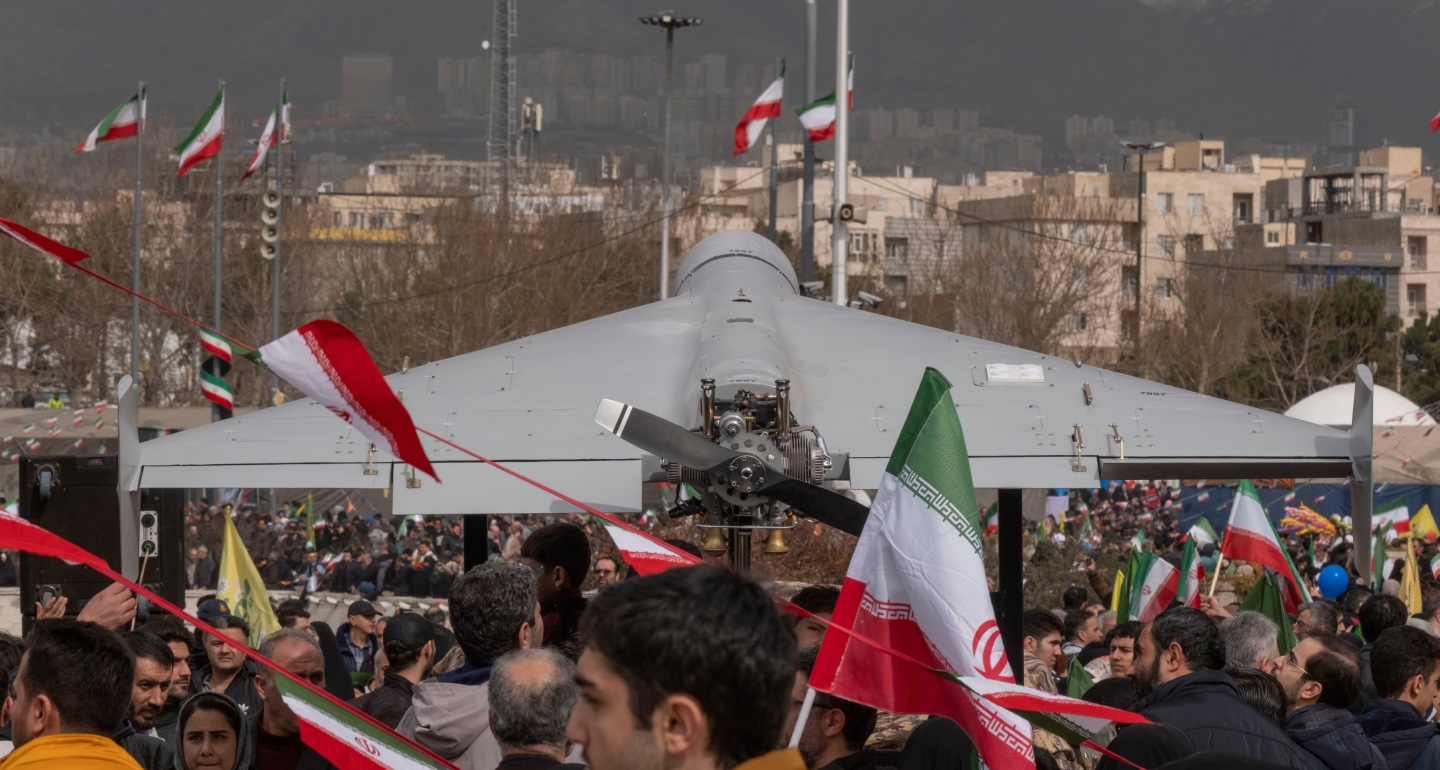
The Russian leadership wants to avoid a dangerous precedent in which it is squeezed out of Iran by the United States and Israel—and left powerless to respond in any meaningful way.

Nikita Smagin