

Commentary
Montenegro and Albania are frontrunners for EU enlargement in the Western Balkans, but they can’t just sit back and wait. To meet their 2030 accession ambitions, they must make a strong positive case.
Dimitar Bechev, Iliriana Gjoni
{
  "authors": [],
  "type": "pressRelease",
  "centerAffiliationAll": "dc",
  "centers": [
    "Carnegie Endowment for International Peace",
    "Malcolm H. Kerr Carnegie Middle East Center"
  ],
  "collections": [],
  "englishNewsletterAll": "ctw",
  "nonEnglishNewsletterAll": "",
  "primaryCenter": "Carnegie Endowment for International Peace",
  "programAffiliation": "SAP",
  "programs": [
    "South Asia"
  ],
  "projects": [],
  "regions": [
    "North America",
    "United States",
    "Middle East",
    "Iran",
    "Iraq",
    "Syria",
    "South Asia",
    "Afghanistan",
    "Pakistan"
  ],
  "topics": [
    "Security",
    "Military",
    "Foreign Policy"
  ]
}
REQUIRED IMAGE
Senator John McCain, Ranking Member of the Senate Armed Services Committee, made an impassioned plea for President Obama to reconsider the withdrawal of American troops from Afghanistan.
WASHINGTON—Senator John McCain, Ranking Member of the Senate Armed Services Committee, made an impassioned plea for President Obama to reconsider the withdrawal of American troops from Afghanistan. Speaking this afternoon at the Carnegie Endowment for International Peace, he said that it was essential for the United States to make a strategic partnership with the Afghan government, which included a long-term U.S. military presence on the ground to prevent the Taliban from returning to power.
Senator McCain also strongly criticized the White House for a lack of leadership on Syria. He said it was a “stain on our national honor” that we had not intervened to support the opposition forces in Syria. He called for the arming of the Syrian rebels and the creation of a safe area inside Syria.
He sharply attacked the Pakistani intelligence services for its links with known terrorists, calling it reprehensible that the ISI continued to maintain a close relationship with the Haqqani network, which is responsible for the deaths of American soldiers.
Asked about the recent photographs showing American soldiers posing with the bodies of Afghan fighters, he said it was “deplorable and despicable…but that 99.9% of American soldiers in Afghanistan were operating to the highest standards.”
Carnegie does not take institutional positions on public policy issues; the views represented herein are those of the author(s) and do not necessarily reflect the views of Carnegie, its staff, or its trustees.
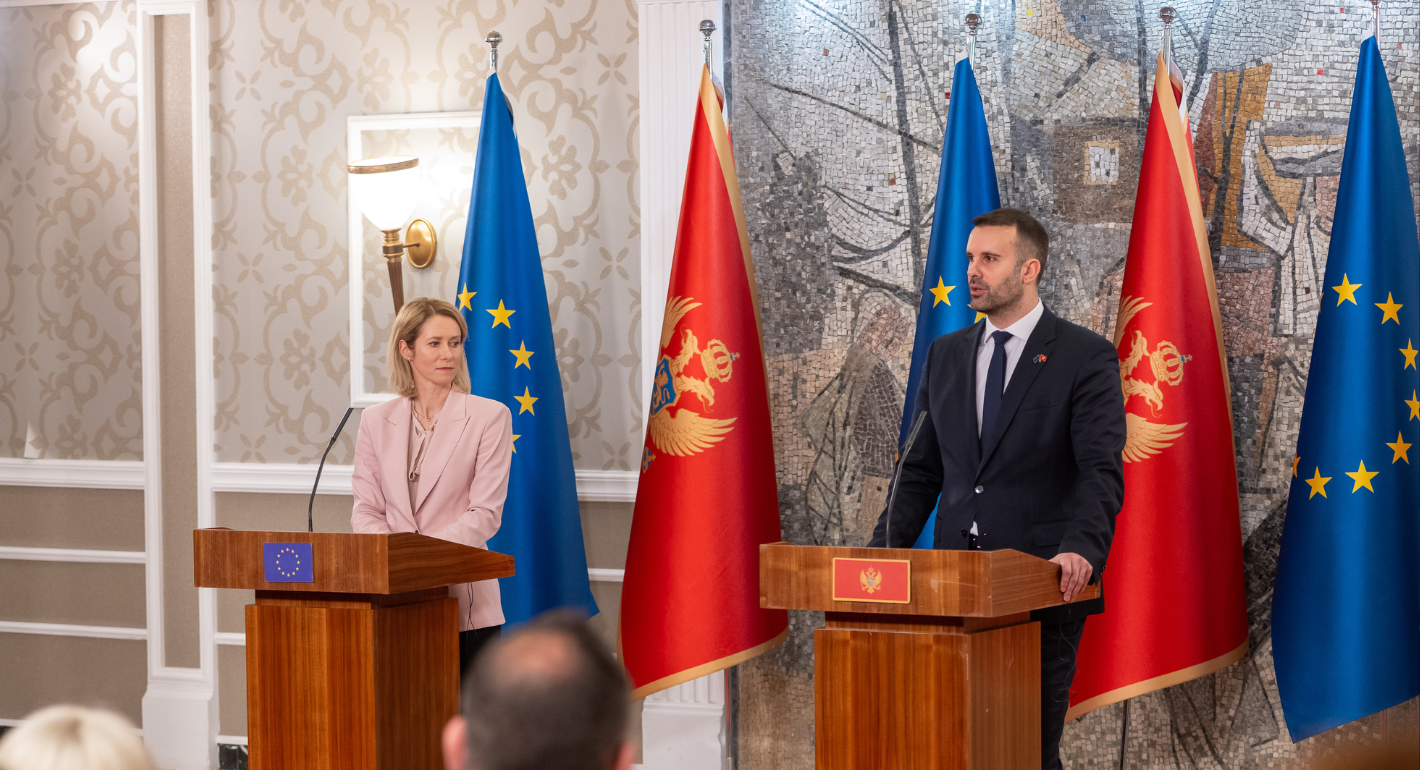
Montenegro and Albania are frontrunners for EU enlargement in the Western Balkans, but they can’t just sit back and wait. To meet their 2030 accession ambitions, they must make a strong positive case.


Dimitar Bechev, Iliriana Gjoni
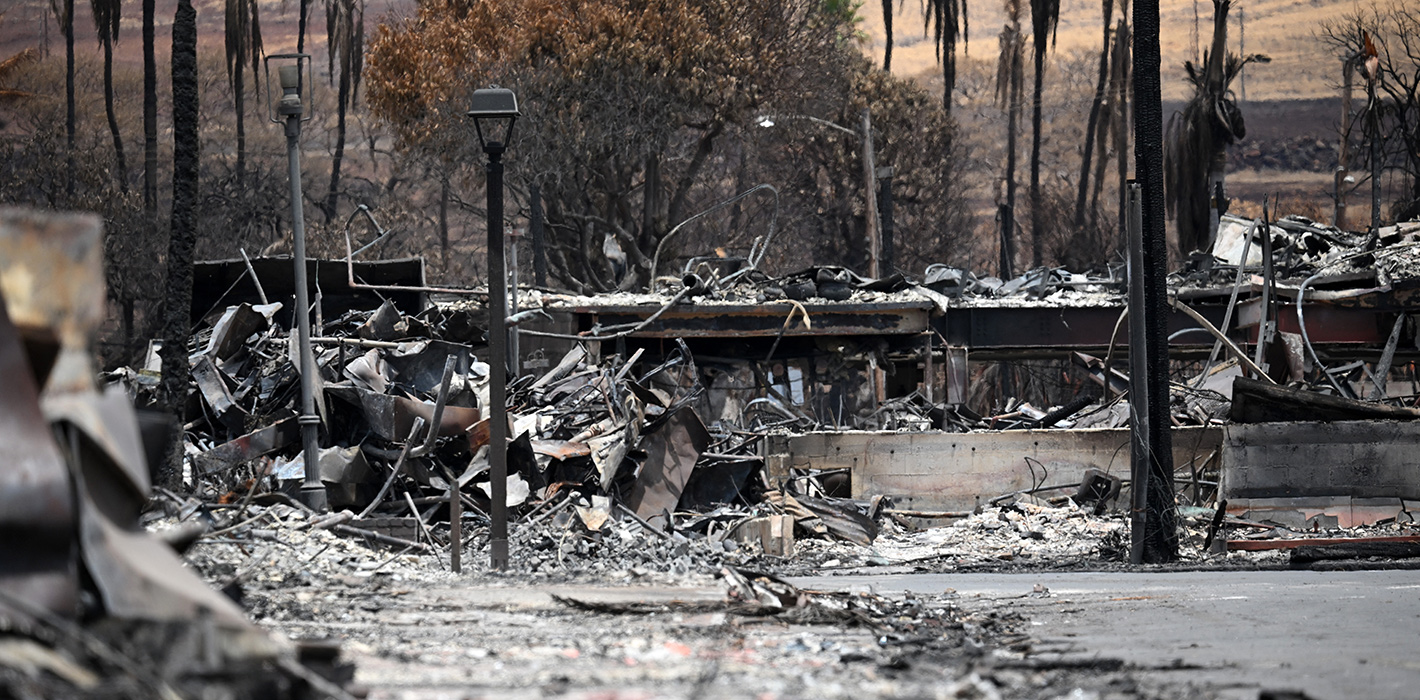
By reorganizing federal disaster policy around the rights of displaced people, the United States could unlock additional federal resources, accelerate the rebuilding of lives and livelihoods, and reduce suffering and economic disruption.

Kayly Ober

This piece argues that the present Indian strategy, based on opportunistic diversification and utilization of limited strategic reserves, remains inadequate when confronting supply disruptions. It evaluates India’s options in the short, medium, and long terms.

Vrinda Sahai

Its reinstatement should be celebrated, but it retains some major shortcomings.

Leonardo Martinez-Diaz
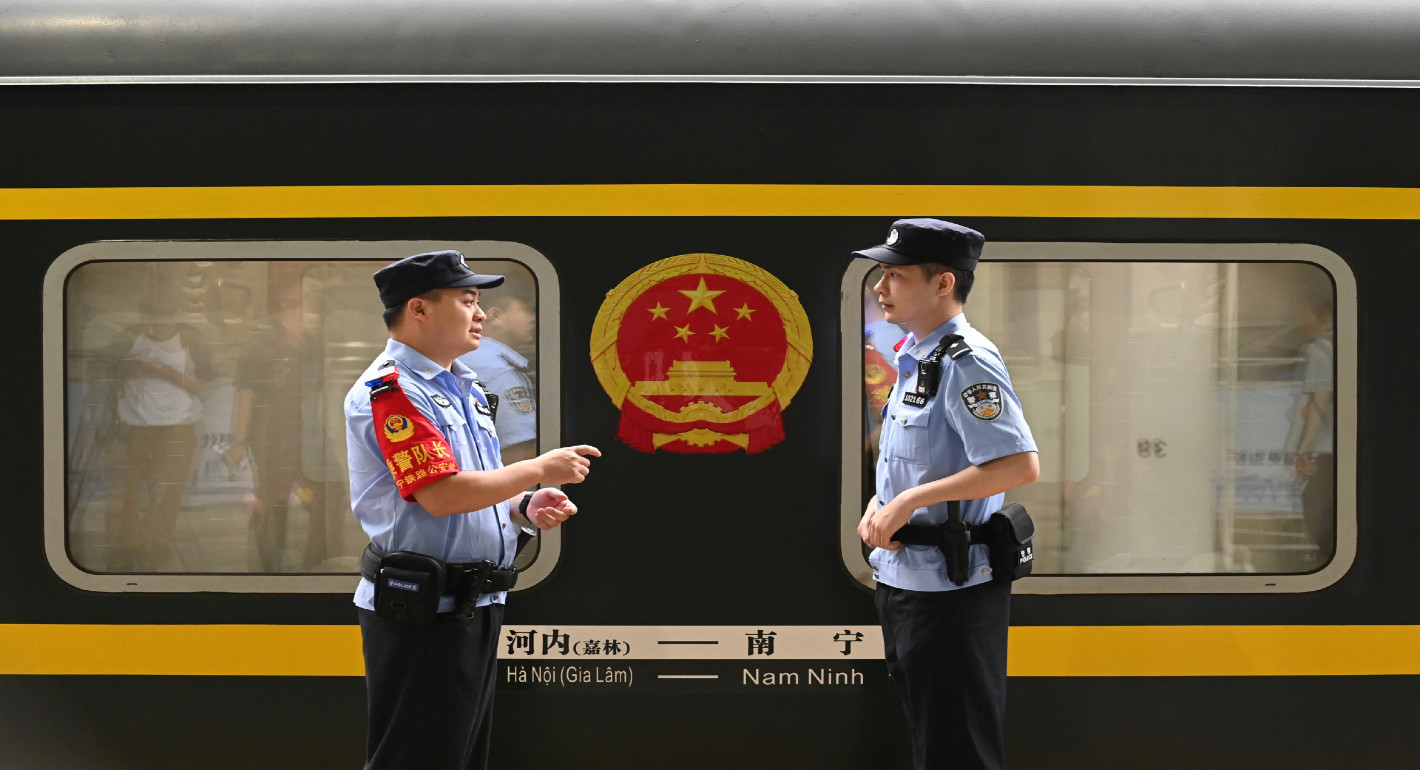
Despite long-standing differences, China and Vietnam are reinforcing common ground for collaboration, especially in public security. This internal security–centered diplomacy offers a strengthened road map for how China moves forward with Southeast Asia.
Sophie Zhuang