

Article
Thomas de Waal, Areg Kochinyan, Zaur Shiriyev
{
  "authors": [
    "Thomas de Waal"
  ],
  "type": "legacyinthemedia",
  "centerAffiliationAll": "dc",
  "centers": [
    "Carnegie Endowment for International Peace",
    "Carnegie Europe"
  ],
  "collections": [],
  "englishNewsletterAll": "ctw",
  "nonEnglishNewsletterAll": "",
  "primaryCenter": "Carnegie Europe",
  "programAffiliation": "russia",
  "programs": [
    "Russia and Eurasia"
  ],
  "projects": [],
  "regions": [
    "Caucasus",
    "Russia",
    "Azerbaijan",
    "Armenia",
    "Georgia"
  ],
  "topics": [
    "Political Reform"
  ]
}
Source: Getty
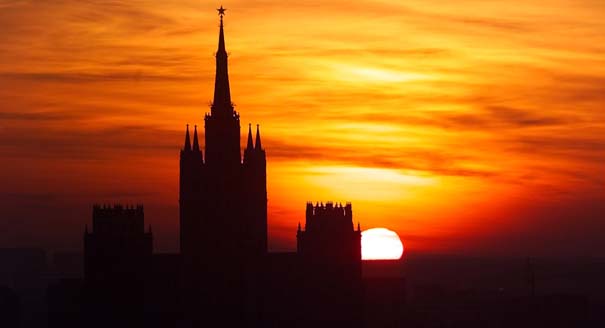
The figure of Stalin still provokes many positive reactions in the former Soviet Union.
Source: BBC World News
Surveys commissioned by the Carnegie Endowment for The Stalin Puzzle have revealed that the figure of Stalin provokes more positive reactions than one might have expected in several countries of the former Soviet Union. Carnegie's Thomas de Waal, editor of the project, spoke to BBC World News to discuss some of the reasons behind these results. He concentrated on the two most startling facts found in the surveys: support for Stalin has risen in Russia since the first election of President Vladimir Putin, while, in Stalin’s native Georgia, approval ratings are even higher.
De Waal explained that de-Stalinization campaigns were only tried halfheartedly until many years after Stalin’s death, when Mikhail Gorbachev came to power. He added that the Soviet victory in World War Two also made Stalin the great unifier, on a par with the victorious leaders of the UK and the United States. This is accentuated by a lack of alternative hero figures. While current Russian leaders do not glorify Stalin, it remains difficult for them to criticize a figure who is seen to have built a strong state, de Waal suggested.
Senior Fellow, Carnegie Europe
De Waal is a senior fellow at Carnegie Europe, specializing in Eastern Europe and the Caucasus.
Recent Work
Thomas de Waal, Areg Kochinyan, Zaur Shiriyev
Thomas de Waal
Carnegie does not take institutional positions on public policy issues; the views represented herein are those of the author(s) and do not necessarily reflect the views of Carnegie, its staff, or its trustees.
Although Ukrainian strikes have led to a noticeable decline in the physical volume of Russian oil exports, the rise in prices has more than made up for it.

Sergey Vakulenko
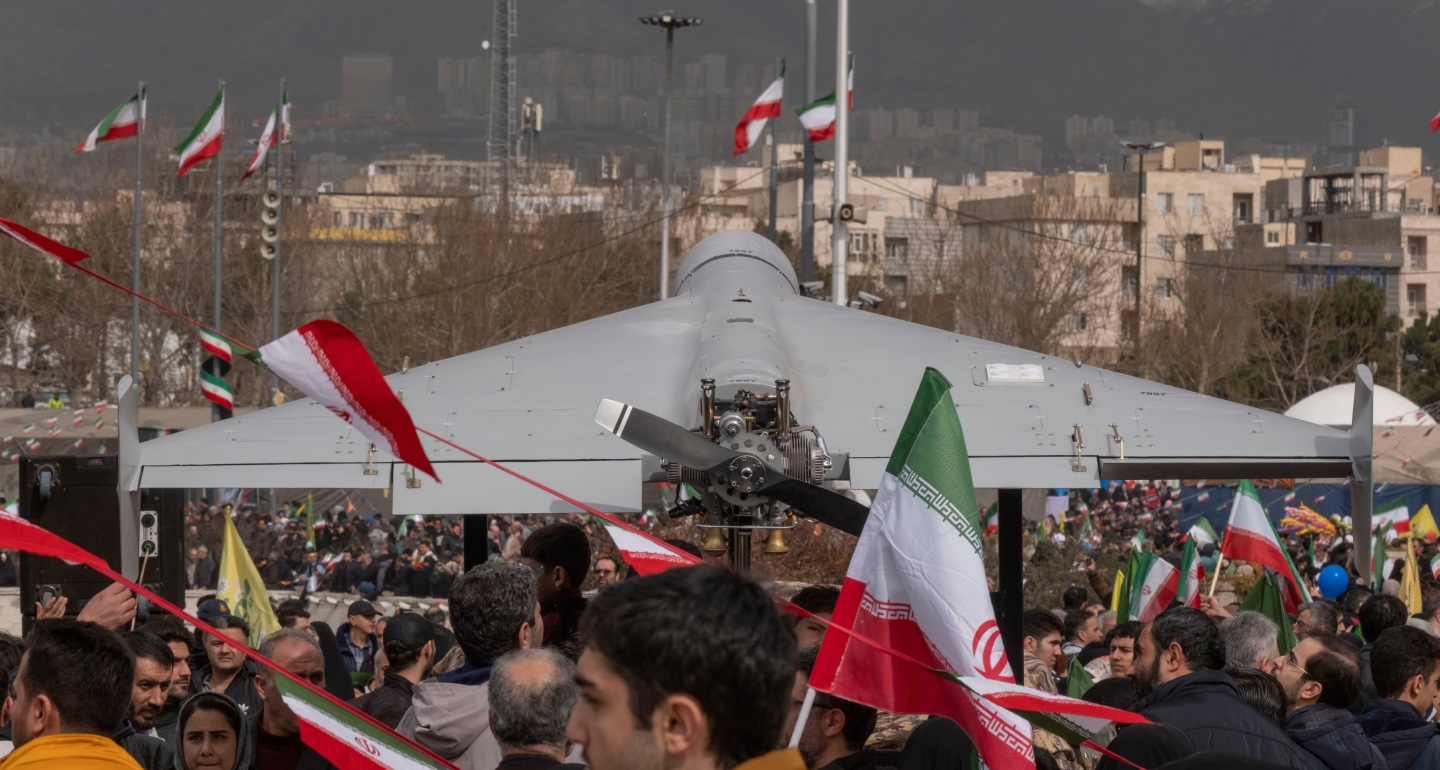
The Russian leadership wants to avoid a dangerous precedent in which it is squeezed out of Iran by the United States and Israel—and left powerless to respond in any meaningful way.

Nikita Smagin
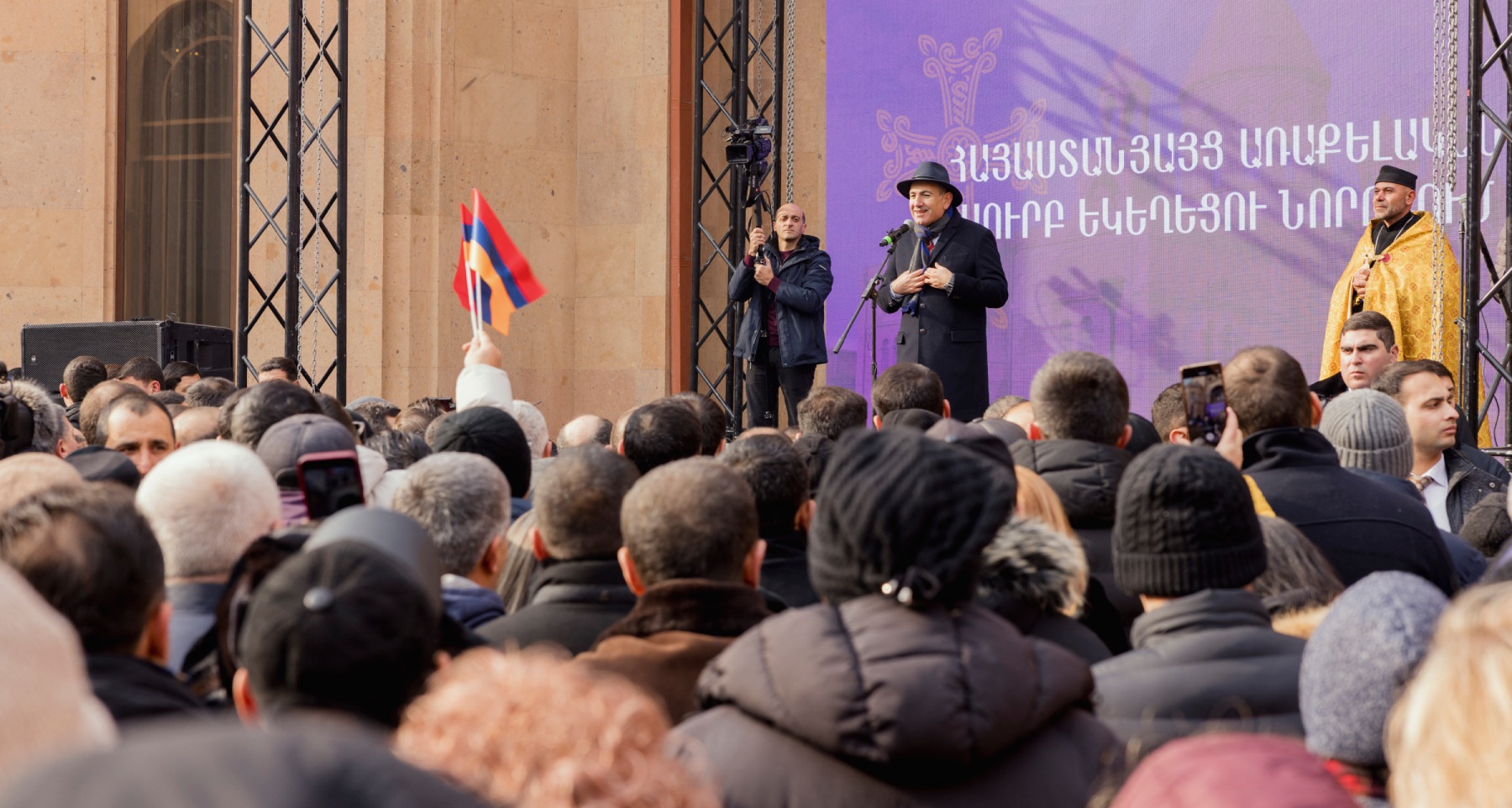
It’s true that many Armenians would vote for anyone just to be rid of Pashinyan, whom they blame for the loss of Nagorno-Karabakh, but the pro-Russia opposition is unlikely to be able to channel that frustration into an electoral victory.
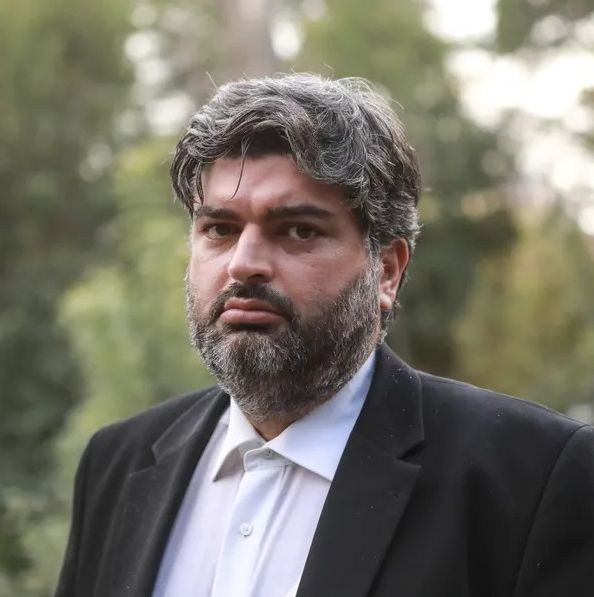
Mikayel Zolyan
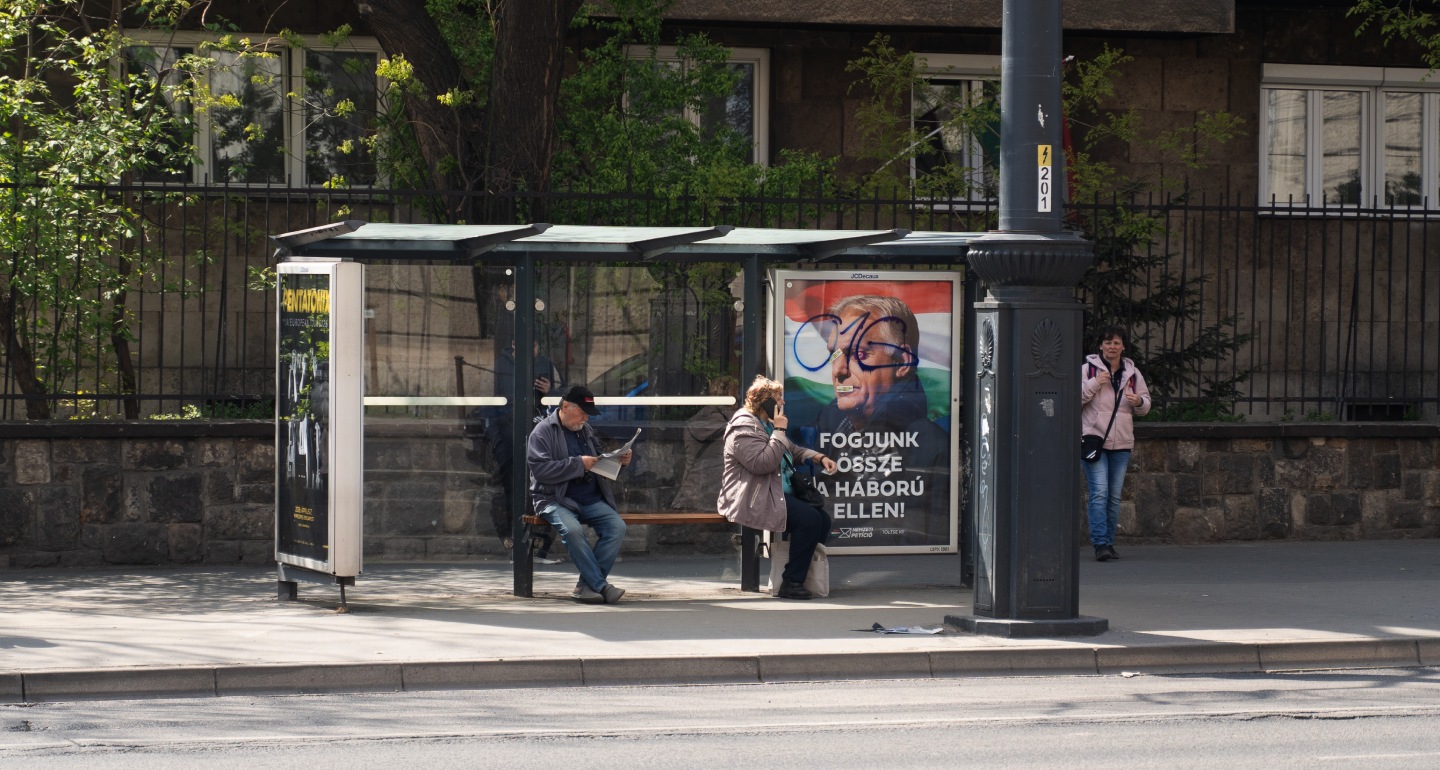
Orbán created an image for himself as virtually the only opponent of aid to Ukraine in the entire EU. But in reality, he was simply willing to use his veto to absorb all the backlash, allowing other opponents to remain in the shadows.
Maksim Samorukov
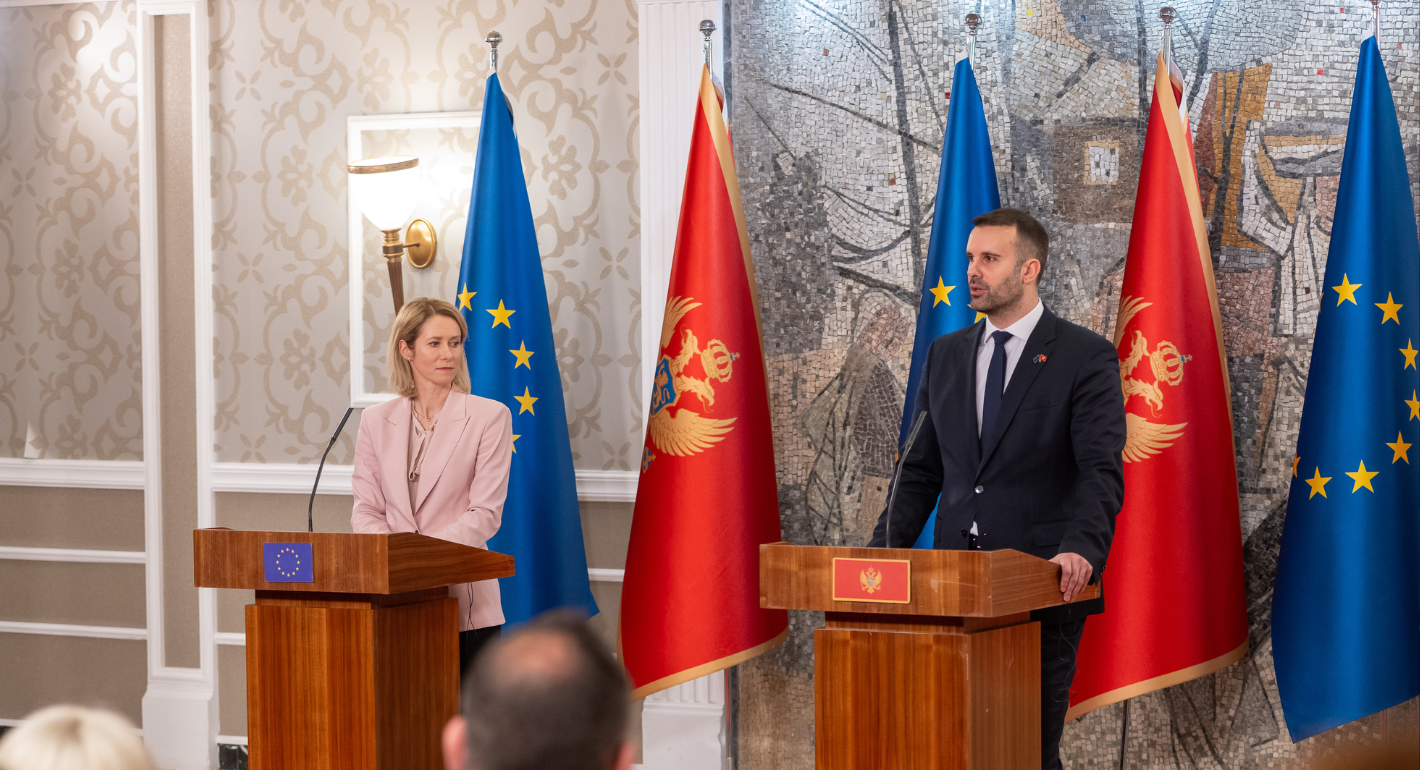
Montenegro and Albania are frontrunners for EU enlargement in the Western Balkans, but they can’t just sit back and wait. To meet their 2030 accession ambitions, they must make a strong positive case.


Dimitar Bechev, Iliriana Gjoni