

In The Media
Martha Brill Olcott
{
  "authors": [
    "Martha Brill Olcott"
  ],
  "type": "legacyinthemedia",
  "centerAffiliationAll": "dc",
  "centers": [
    "Carnegie Endowment for International Peace",
    "Malcolm H. Kerr Carnegie Middle East Center"
  ],
  "collections": [],
  "englishNewsletterAll": "ctw",
  "nonEnglishNewsletterAll": "",
  "primaryCenter": "Carnegie Endowment for International Peace",
  "programAffiliation": "russia",
  "programs": [
    "Russia and Eurasia"
  ],
  "projects": [],
  "regions": [
    "Middle East",
    "Iran",
    "Syria",
    "Russia",
    "Eastern Europe",
    "Ukraine",
    "Levant"
  ],
  "topics": [
    "Political Reform",
    "Security",
    "Foreign Policy"
  ]
}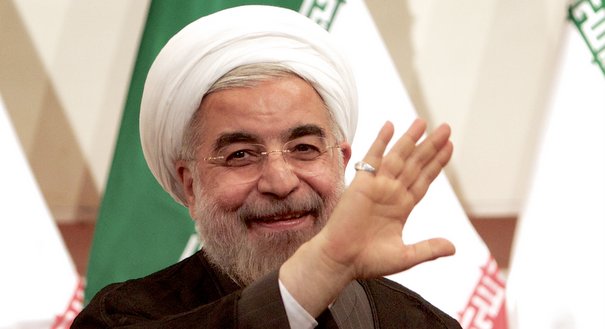
Source: Getty
Putin’s annexation of Crimea may be a victory at home, but it will harm Russia’s interests in the Middle East. If Iran could get sanctions removed, it might benefit from selling gas and oil to Europe.
Source: New York Times
Vladimir Putin’s rhetorically rich invocation of faith, language and history may endear him to the vast majority of his countrymen, but it won’t buy him the international support he needs to defend Russia’s broader interests, including those in the Middle East.
Putin has had limited international support for his policy in Ukraine. China abstained in the United Nations Security council, where 13 countries voted to endorse the territorial integrity of Ukraine, among them Jordan.Jordan’s own domestic stability has been put at risk by the presence of some half million refugees from Syria, where Assad’s continued survival must be counted as another of Putin’s policy triumphs.
Not surprisingly, Assad has been the most vocal supporter of Russia’s policies in Ukraine. The Syrian president's political survival is critical if Putin wishes to retain any foothold in the Middle East, a region where Moscow’s influence -- so critical during the “hot years” of the Arab-Israeli conflict in the 1960s and 1970s -- was diminished by the Middle East peace process.
Russia’s future influence in Syria, may depend on Iran, Assad’s other major ally. Lakdar Brahimi, the United Nations special envoy on Syria, visited Tehran to discuss the crisis on March 17. The meeting came just a day after Mohammad Javad Zarif, Iran's foreign minister, together with Vladimir Makei, Belarus's foreign minister, called for dialogue and international law to prevail in Ukraine.
Iran could benefit from a boycott against Russia; it has the gas and oil to meet the energy needs of Moscow’s current customers, if only they could get the international sanctions against them removed. It remains to be seen if Tehran’s new rulers are pragmatic enough to figure out how to use the situation in Syria to help them do this, and if the U.S. will allow them this role.
This article was originally published in the New York Times.
Former Senior Associate, Russia and Eurasia Program and, Co-director, al-Farabi Carnegie Program on Central Asia
Olcott is professor emerita at Colgate University, having taught political science there from 1974 to 2002. Prior to her work at the endowment, Olcott served as a special consultant to former secretary of state Lawrence Eagleburger.
Recent Work
Martha Brill Olcott
Martha Brill Olcott
Carnegie does not take institutional positions on public policy issues; the views represented herein are those of the author(s) and do not necessarily reflect the views of Carnegie, its staff, or its trustees.
Closer EU-UK ties could help address urgent European concerns. But is the EU ready for rapprochement with the United Kingdom?

Rym Momtaz, ed.
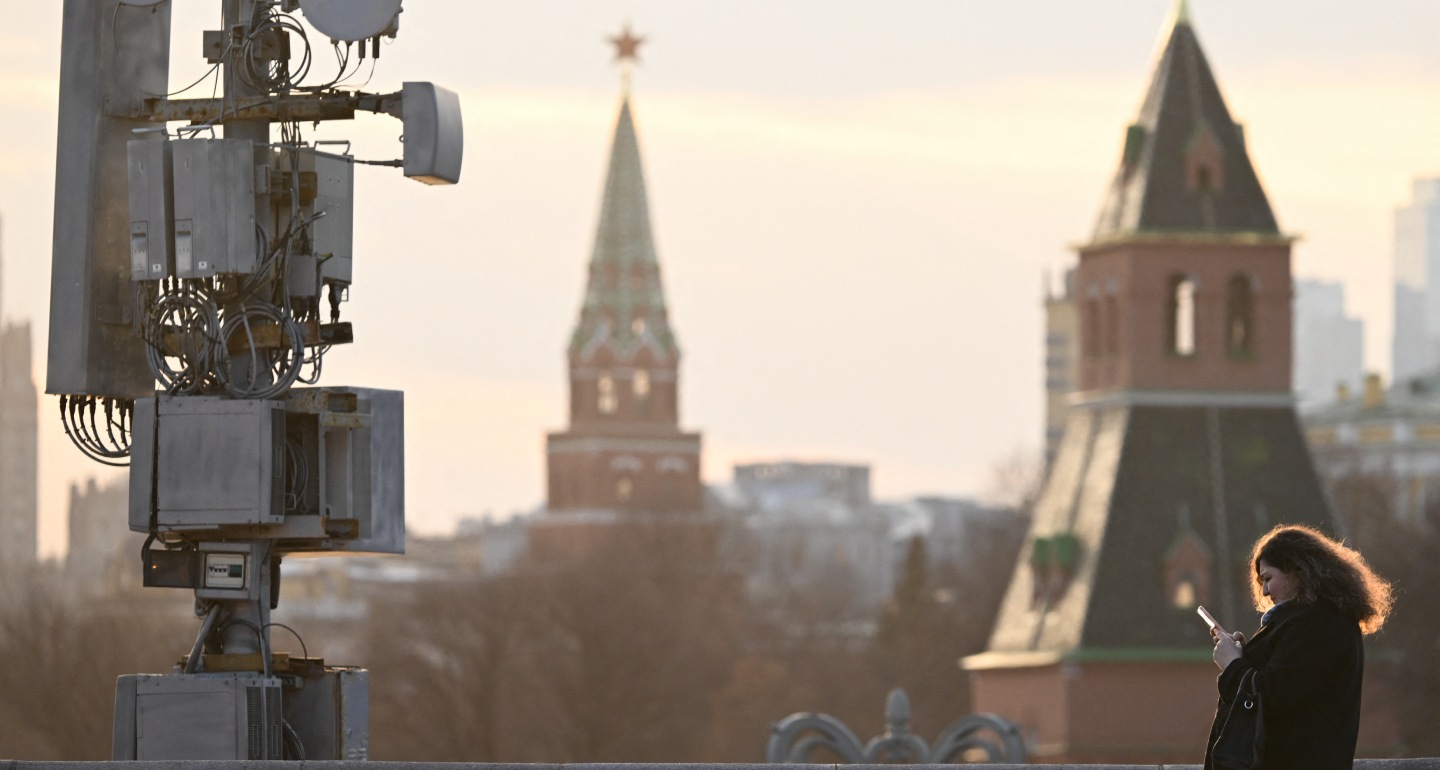
The Russian state has opted for complete ideological control of the internet and is prepared to bear the associated costs.

Maria Kolomychenko
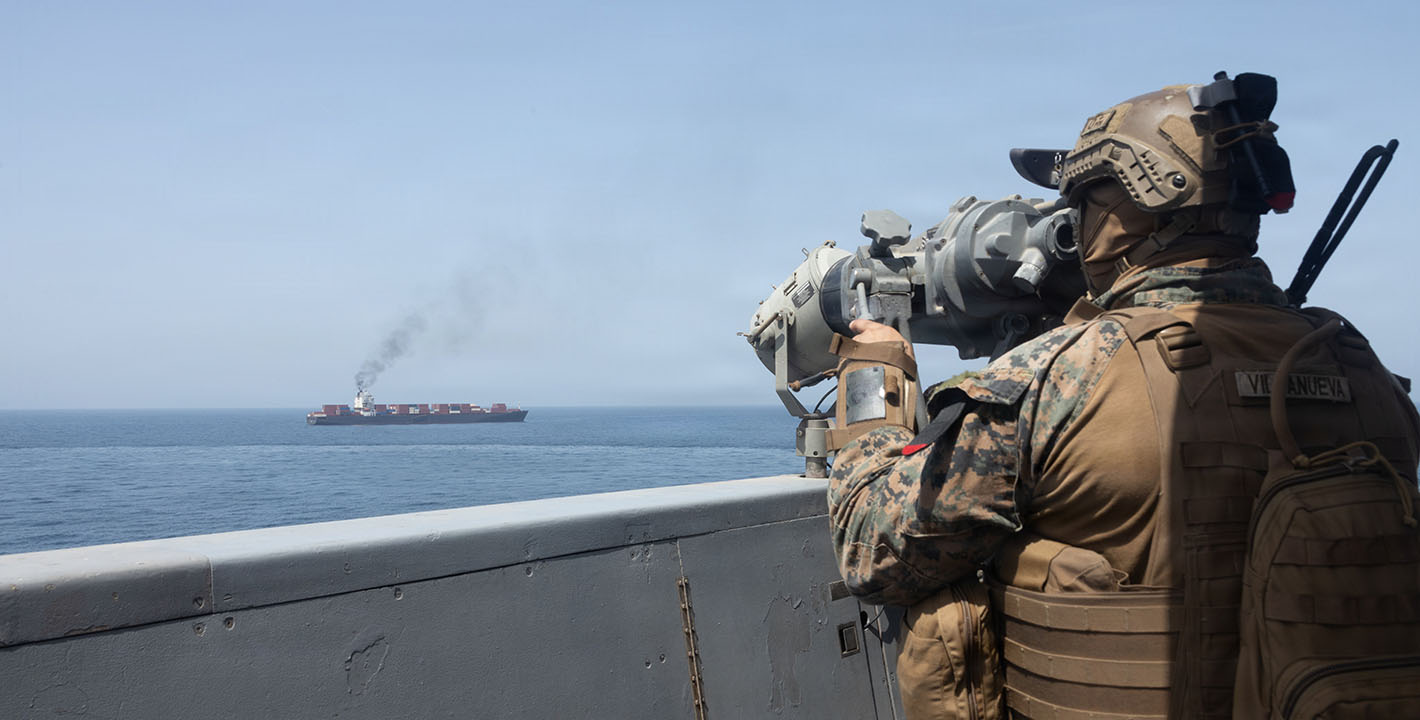
In an interview, Jim Lamson discusses the ongoing regional conflict and sees an unclear picture when it comes to winners and losers.

Michael Young
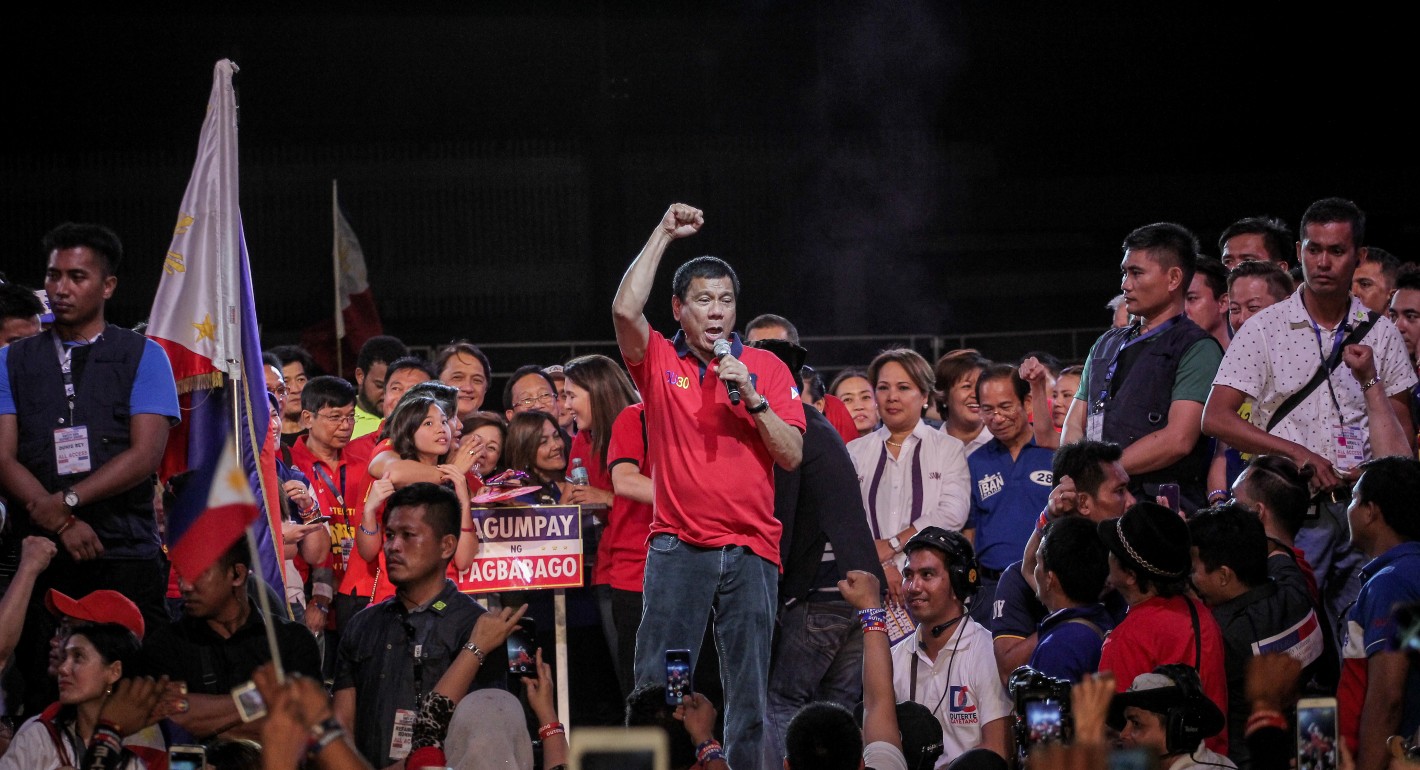
In the Philippines, Duterte-era discourse emphasizing sovereignty, anti-Western skepticism, and strongman diplomacy mirrors tenets of populist foreign policy around the world.
Aries A. Arugay
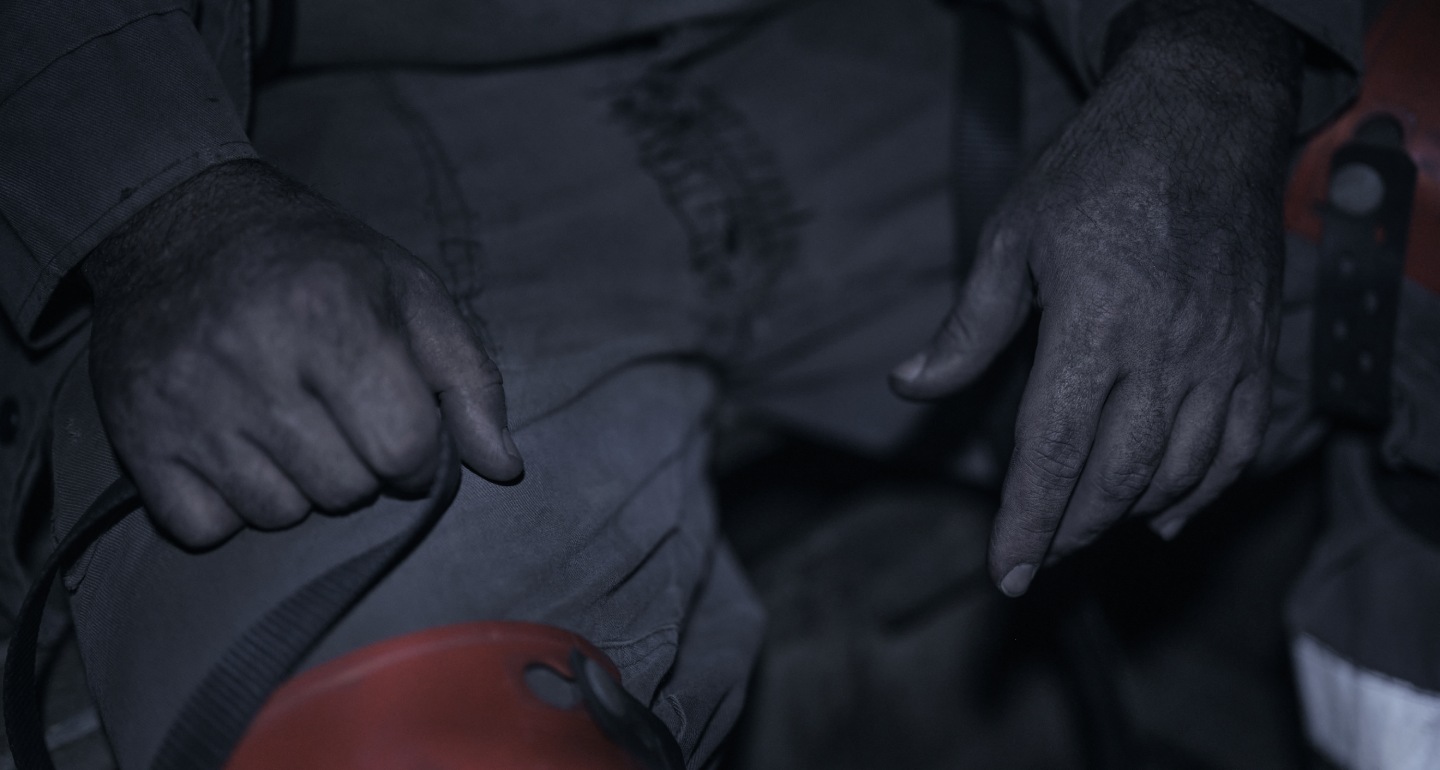
Powerful lobbyists and inertia led to Russia’s coal-mining sector missing an excellent opportunity to solve its structural problems.
Alexey Gusev