

Research
- +10
Rosa Balfour, Frances Z. Brown, Yasmine Farouk, …
{
  "authors": [
    "Moisés Naím"
  ],
  "type": "legacyinthemedia",
  "centerAffiliationAll": "",
  "centers": [
    "Carnegie Endowment for International Peace"
  ],
  "collections": [
    "Arab Awakening",
    "Inside Russia"
  ],
  "englishNewsletterAll": "",
  "nonEnglishNewsletterAll": "",
  "primaryCenter": "Carnegie Endowment for International Peace",
  "programAffiliation": "",
  "programs": [],
  "projects": [],
  "regions": [
    "North America",
    "United States",
    "Middle East",
    "North Africa",
    "South Asia",
    "East Asia",
    "Russia",
    "Eastern Europe",
    "Western Europe",
    "United Kingdom"
  ],
  "topics": [
    "Political Reform",
    "Democracy",
    "Economy",
    "Climate Change",
    "Foreign Policy",
    "Civil Society"
  ]
}
Source: Getty
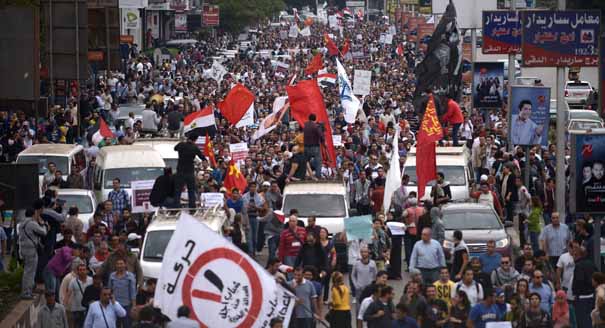
Power in the twenty-first century is a less concrete asset than it once was.
Source: WNYC’s Takeaway
Moisés Naím has worked as Venezuela's trade and industry minister, as well as editor-in-chief of Foreign Policy magazine, and those experiences have led him to conclude that power just isn't what it used to be.
Naím is the author of the book, The End of Power, which shot to fame after it was selected by Facebook Founder Mark Zuckerberg for his new book club.In this broadcast, Moisés Naím joins The Takeaway to discuss his book and his own experience of power, and what he hopes the Facebook CEO and his fans will take from his work.

Distinguished Fellow
Moisés Naím is a distinguished fellow at the Carnegie Endowment for International Peace, a best-selling author, and an internationally syndicated columnist.
Recent Work



Rosa Balfour, Frances Z. Brown, Yasmine Farouk, …
Moisés Naím
Carnegie does not take institutional positions on public policy issues; the views represented herein are those of the author(s) and do not necessarily reflect the views of Carnegie, its staff, or its trustees.
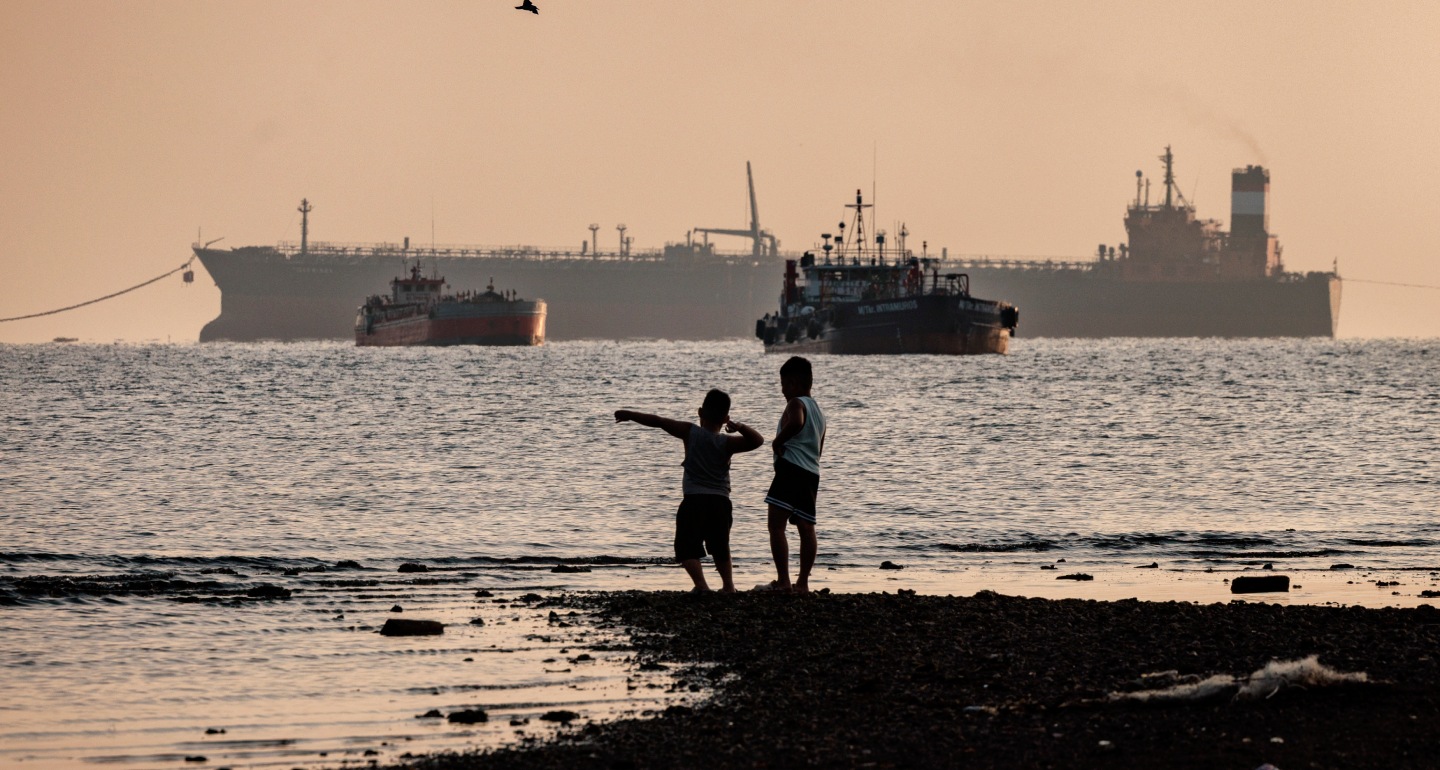
Although Ukrainian strikes have led to a noticeable decline in the physical volume of Russian oil exports, the rise in prices has more than made up for it.

Sergey Vakulenko
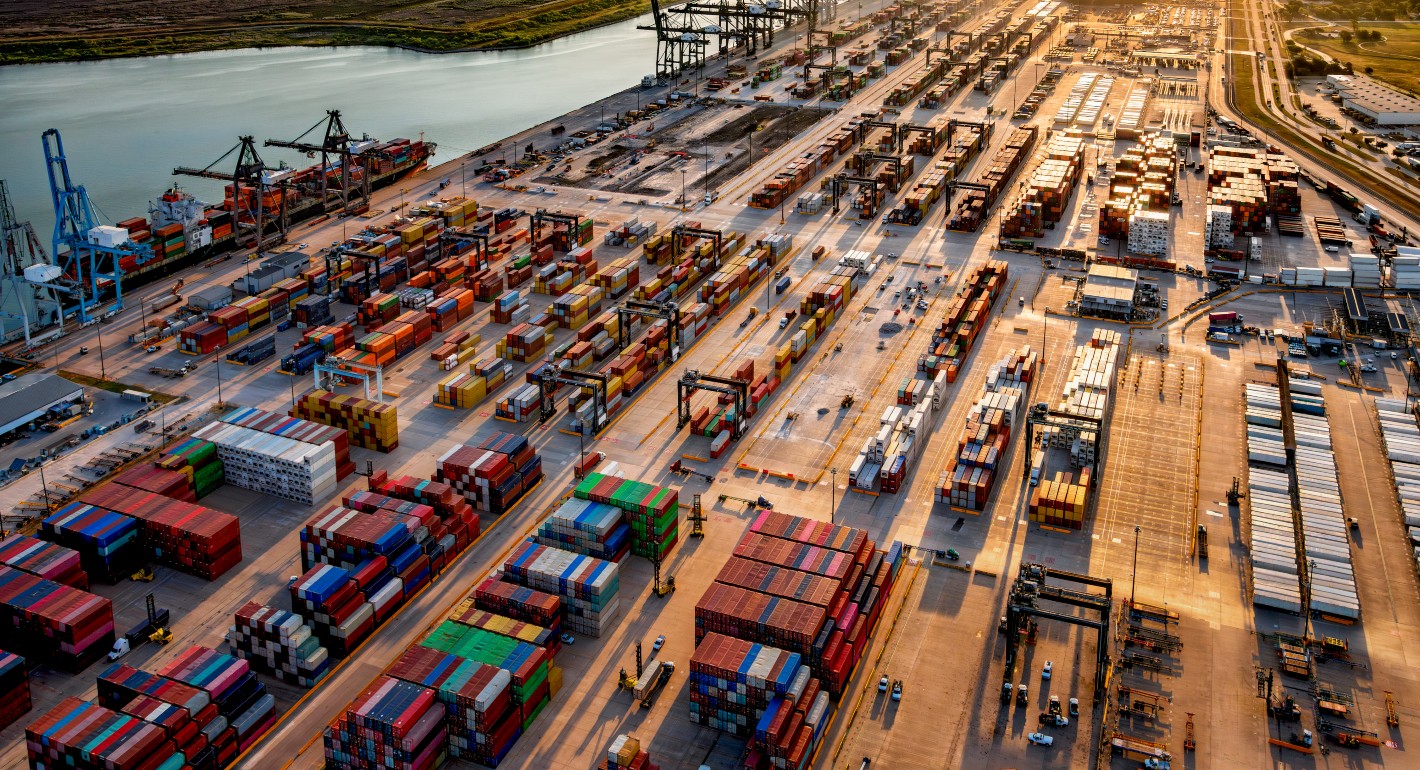
Five problems—and solutions—to make it actually work as a tool of great power competition.
Afreen Akhter
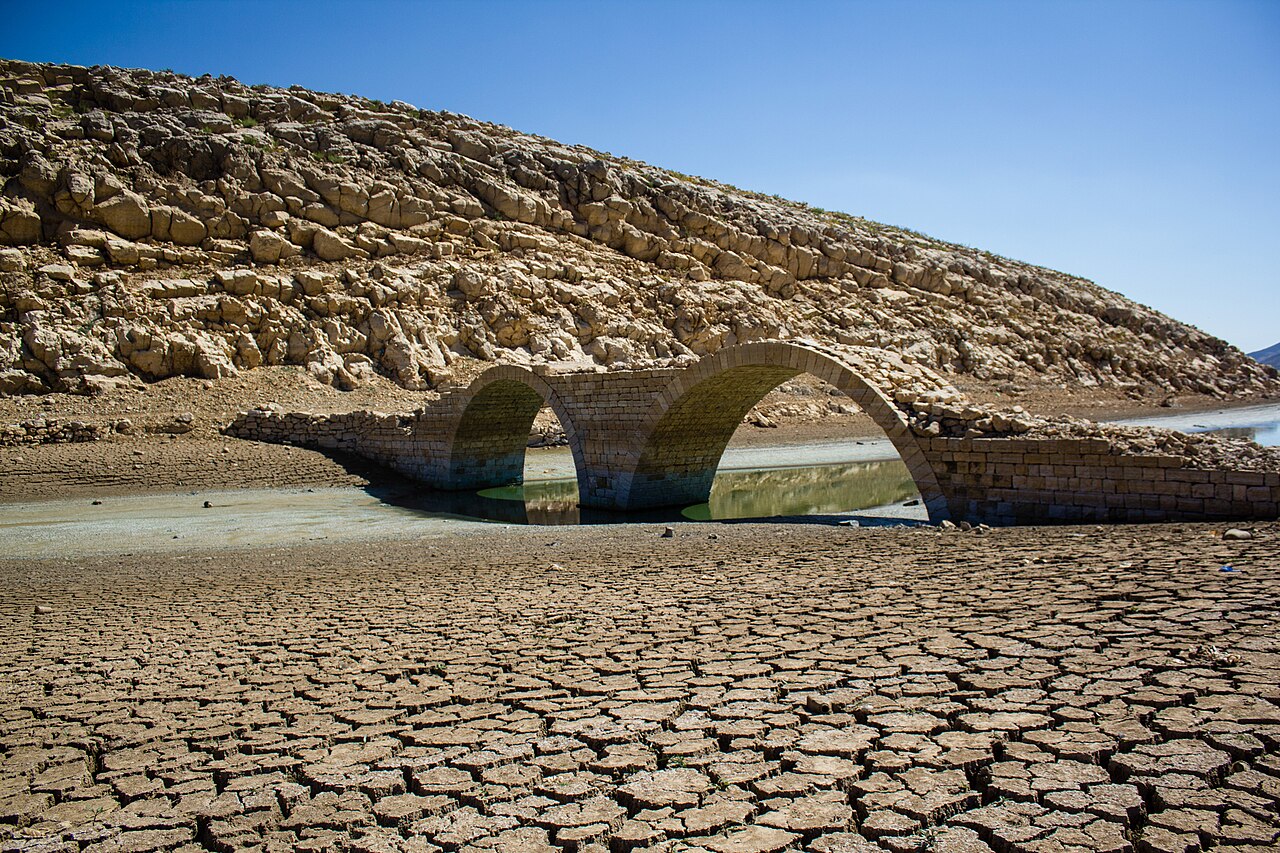
Lebanon’s largest water reservoir is a house of many mansions when it comes to converging failures.
Camille Ammoun

The Russian leadership wants to avoid a dangerous precedent in which it is squeezed out of Iran by the United States and Israel—and left powerless to respond in any meaningful way.

Nikita Smagin
One is hopeful. One is realistic. One is cautionary.

Andrew Leber, Sam Worby