

Research
- +11
Frances Z. Brown, Nate Reynolds, Priyal Singh, …
{
  "authors": [
    "Andrew S. Weiss"
  ],
  "type": "legacyinthemedia",
  "centerAffiliationAll": "dc",
  "centers": [
    "Carnegie Endowment for International Peace",
    "Malcolm H. Kerr Carnegie Middle East Center",
    "Carnegie Russia Eurasia Center"
  ],
  "collections": [],
  "englishNewsletterAll": "ctw",
  "nonEnglishNewsletterAll": "",
  "primaryCenter": "Carnegie Endowment for International Peace",
  "programAffiliation": "russia",
  "programs": [
    "Russia and Eurasia"
  ],
  "projects": [
    "Eurasia in Transition"
  ],
  "regions": [
    "North America",
    "United States",
    "Middle East",
    "Syria",
    "Russia",
    "Levant"
  ],
  "topics": [
    "Political Reform",
    "Security",
    "Foreign Policy",
    "Global Governance"
  ]
}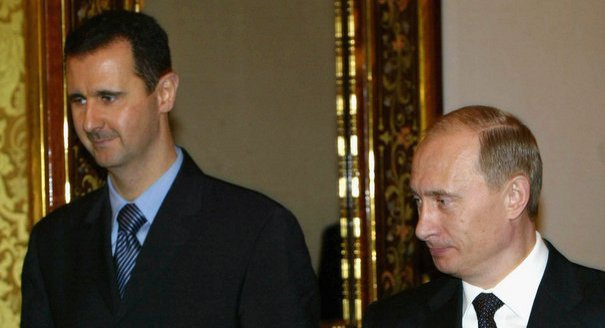
Source: Getty
Russia’s position on Syria is based in large part on Moscow’s concerns about the political repercussions of intervention. At the G20 Summit, Vladimir Putin attempted to create a de facto referendum on intervention.
Source: WBEZ’s Worldview
Speaking on WBEZ Worldwide, Carnegie’s Andrew Weiss explained that Russia’s position on Syrian intervention has several origins: worries about the precedent created by a possible U.S. intervention, Russia’s greater sympathy for Shia Muslims, and concerns about Syria’s possible collapse and the shockwaves such an event would create. He explained that Russian President Vladimir Putin’s placing of Syria on the agenda at the G20 Summit was an attempt to create a referendum on Syrian intervention, much like the one carried out in the British parliament. Weiss cast doubt on the idea that the United States’ possible failure to intervene in Syria would be a major win for Putin, noting that foreign policy issues have a low salience in Russian society.
James Family Chair, Vice President for Studies
Andrew S. Weiss is the James Family Chair and vice president for studies at the Carnegie Endowment for International Peace, where he oversees research on Russia, Ukraine, and Eurasia. His graphic novel biography of Vladimir Putin, Accidental Czar: the Life and Lies of Vladimir Putin, was published by First Second/Macmillan in 2022.
Recent Work

Frances Z. Brown, Nate Reynolds, Priyal Singh, …

James M. Acton, Saskia Brechenmacher, Cecily Brewer, …
Carnegie does not take institutional positions on public policy issues; the views represented herein are those of the author(s) and do not necessarily reflect the views of Carnegie, its staff, or its trustees.

Germany's sometimes ambiguous nuclear policy advocates nuclear weapons for deterrence purposes but at the same time adheres to non-proliferation. This dichotomy can turn into a formidable dilemma and increase proliferation pressures in Berlin once no nuclear protector is around anymore, a scenario that has become more realistic in recent years.
Ulrich Kühn
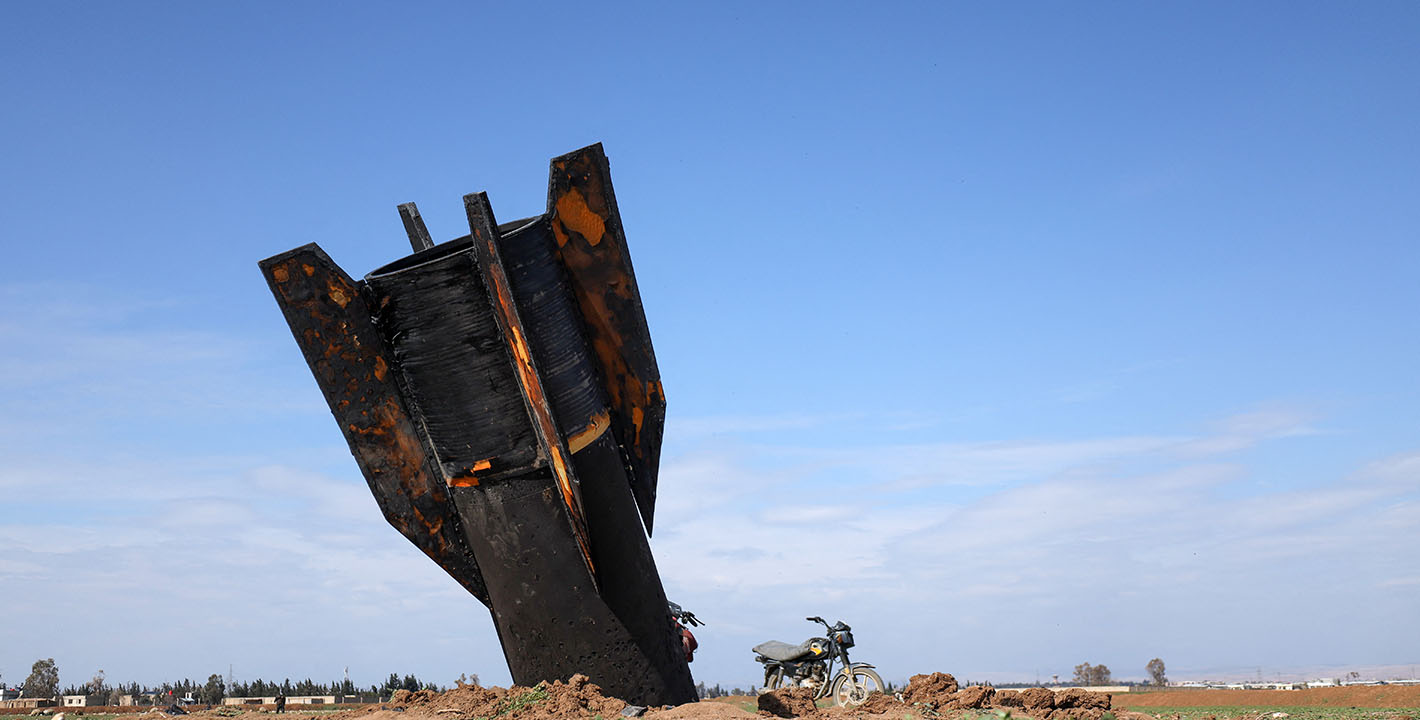
In an interview, Nicole Grajewski discusses the military dimension of the U.S. and Israeli attacks on Iran.

Michael Young
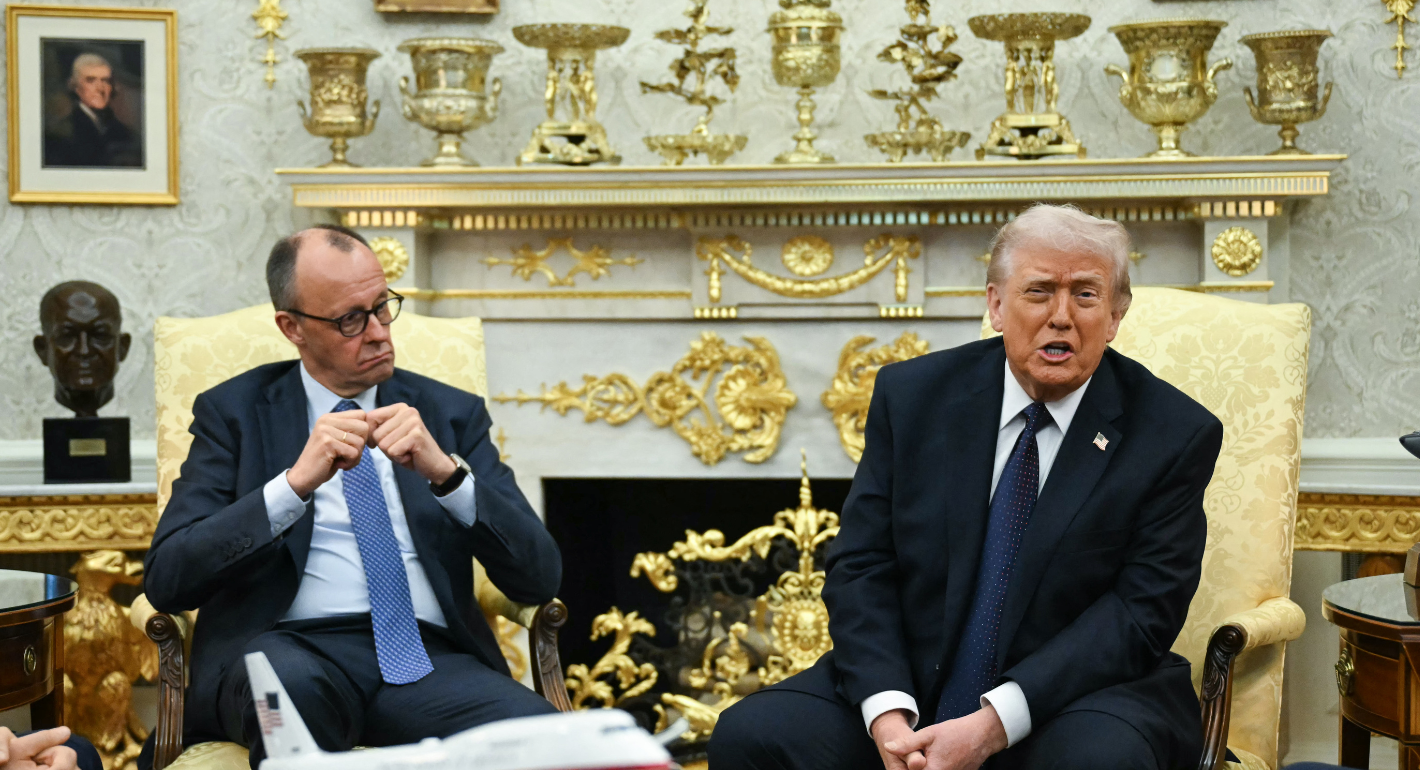
European reactions to the war in Iran have lost sight of wider political dynamics. The EU must position itself for the next phase of the crisis without giving up on its principles.

Richard Youngs
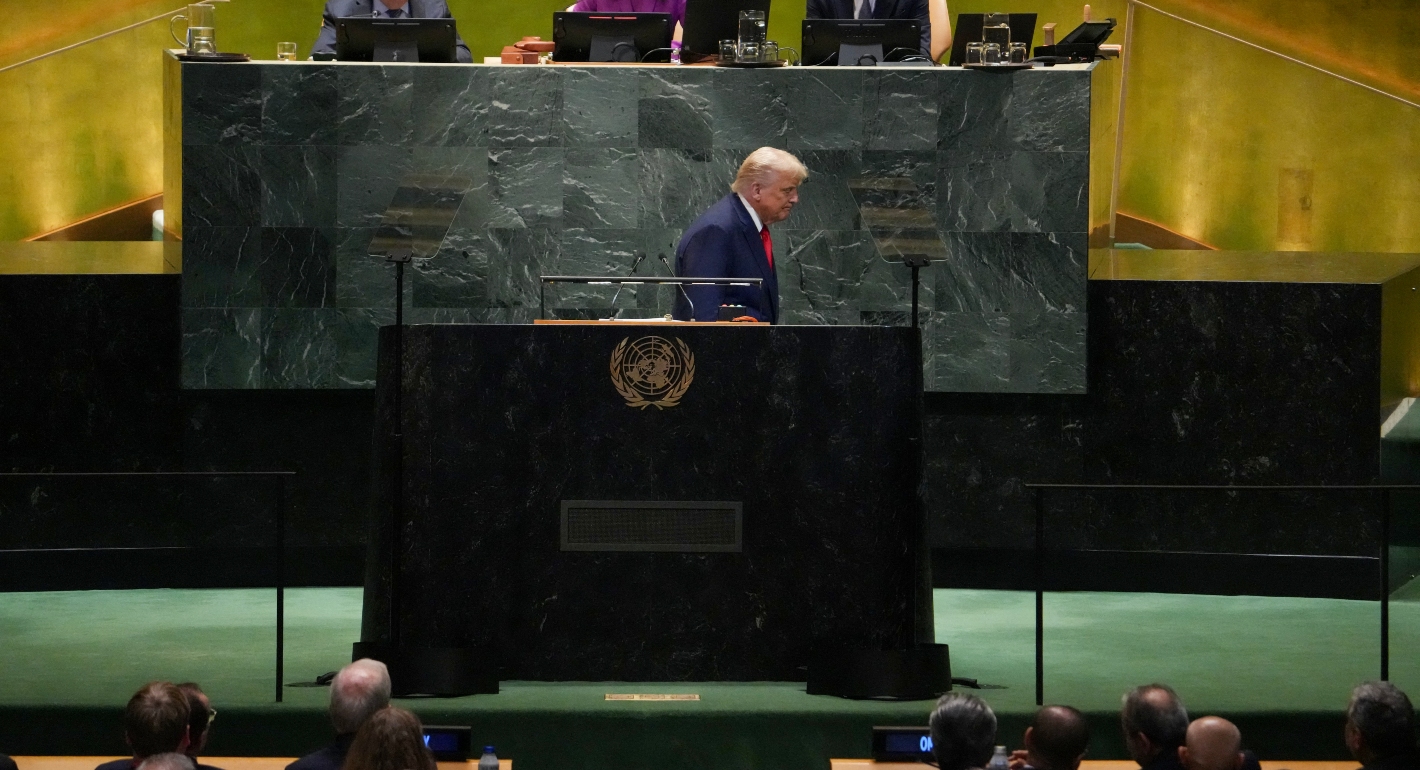
For years, the United States anchored global cyber diplomacy. As Washington rethinks its leadership role, the launch of the UN’s Cyber Global Mechanism may test how allies adjust their engagement.
Patryk Pawlak, Chris Painter
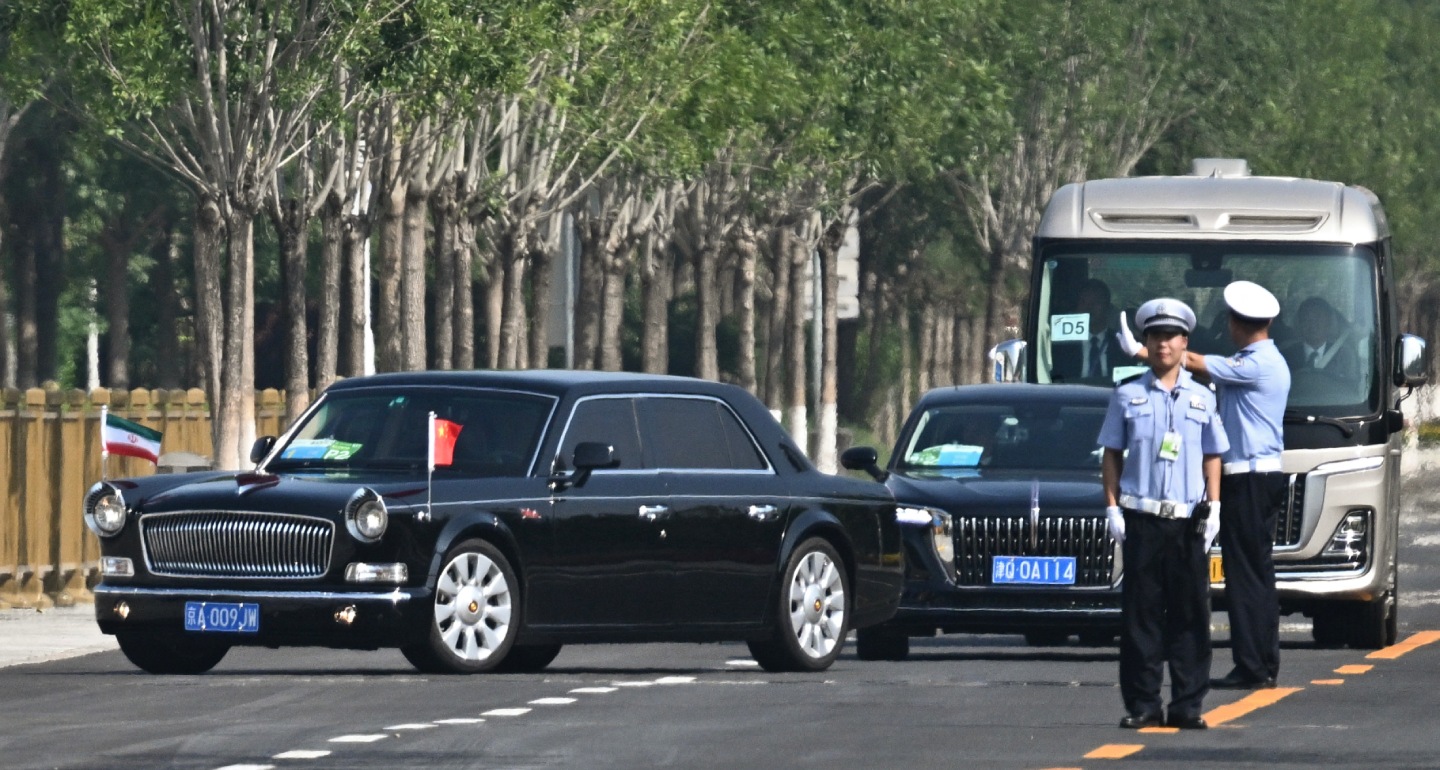
Most of Moscow’s military resources are tied up in Ukraine, while Beijing’s foreign policy prioritizes economic ties and avoids direct conflict.


Alexander Gabuev, Temur Umarov