

Article
Supporters of democracy within and outside the continent should track these four patterns in the coming year.
Saskia Brechenmacher, Frances Z. Brown
{
  "authors": [
    "Richard Youngs"
  ],
  "type": "other",
  "centerAffiliationAll": "",
  "centers": [
    "Carnegie Endowment for International Peace",
    "Carnegie Europe"
  ],
  "collections": [
    "Europe’s Southern Neighborhood",
    "Arab Awakening",
    "Democracy and Governance"
  ],
  "englishNewsletterAll": "",
  "nonEnglishNewsletterAll": "",
  "primaryCenter": "Carnegie Europe",
  "programAffiliation": "",
  "programs": [
    "Democracy, Conflict, and Governance",
    "Europe"
  ],
  "projects": [],
  "regions": [
    "Middle East",
    "Europe",
    "Western Europe",
    "Iran"
  ],
  "topics": [
    "Foreign Policy",
    "Democracy"
  ]
}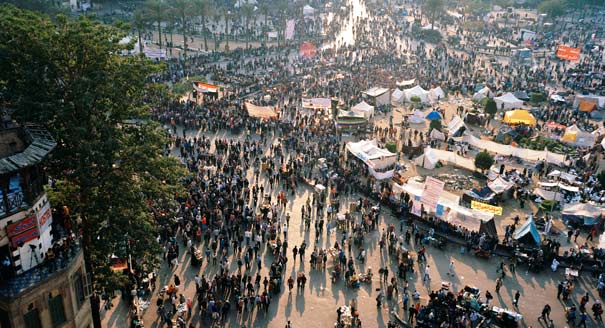
Today’s Euro-Mediterranean partnership needs to be rethought at the diametric opposite of what it had originally been set up for.
Youngs was speaking at a conference in Tarragona on October 2–3, 2014, which analyzed the increasing diversity and complexity of the Euro-Mediterranean region from different angles. These angles included national conflicts and rivalries, geopolitical transformations and the role of external actors, scenarios for democratic consolidation, and patterns of political continuity. The event also focused on the challenges posed by regional fragmentation for Euro-Mediterranean politics.
This event was originally recorded and published by IEMed Barcelona.
Carnegie does not take institutional positions on public policy issues; the views represented herein are those of the author(s) and do not necessarily reflect the views of Carnegie, its staff, or its trustees.
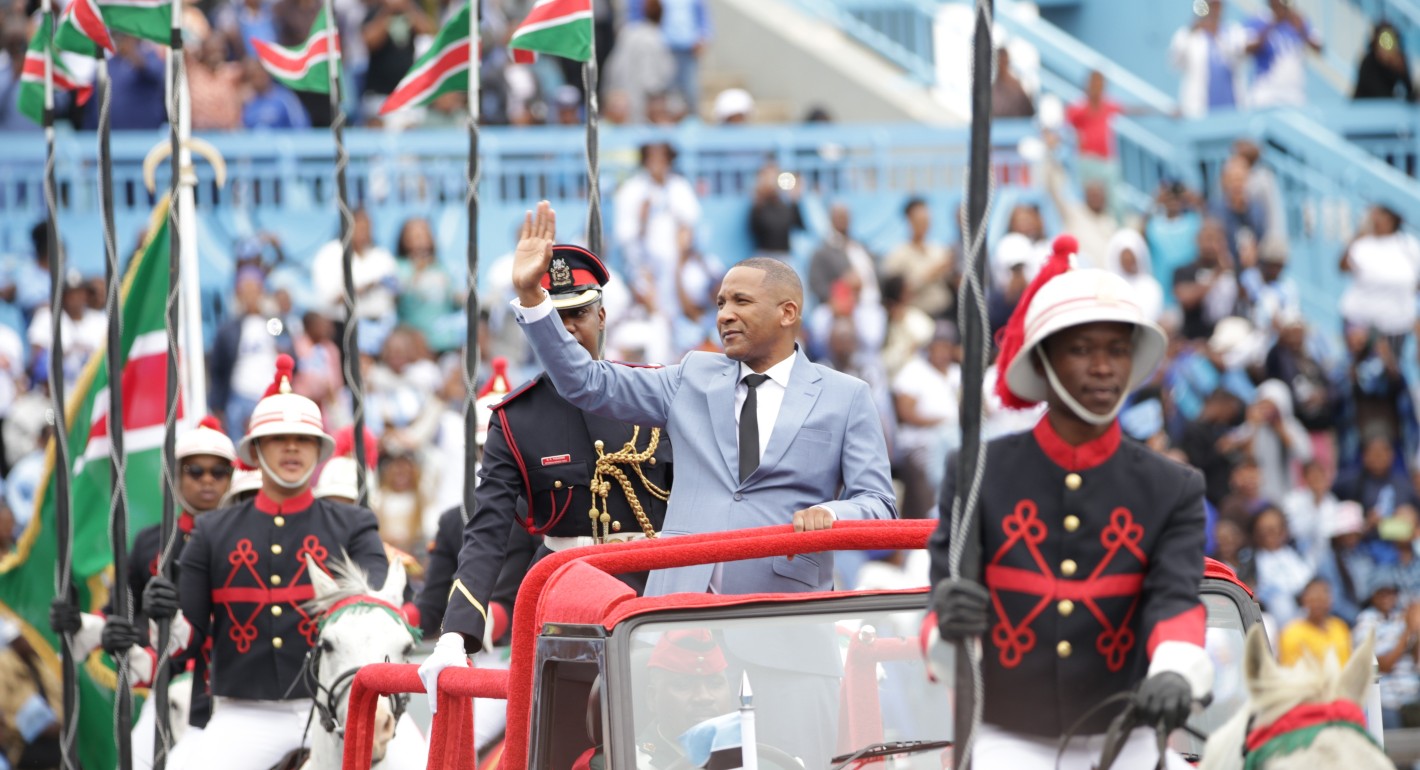
Supporters of democracy within and outside the continent should track these four patterns in the coming year.


Saskia Brechenmacher, Frances Z. Brown
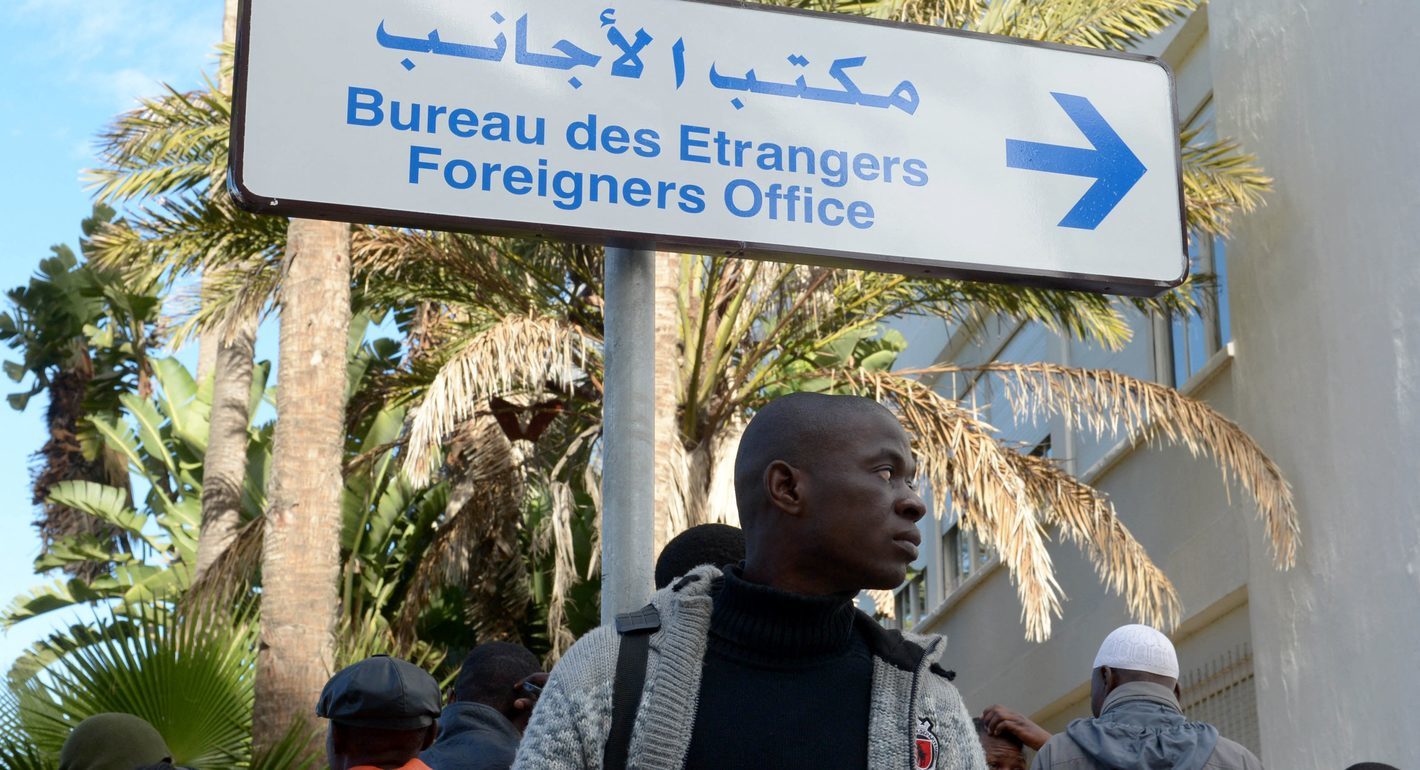
Is Morocco’s migration policy protecting Sub-Saharan African migrants or managing them for political and security ends? This article unpacks the gaps, the risks, and the paths toward real rights-based integration.
Soufiane Elgoumri
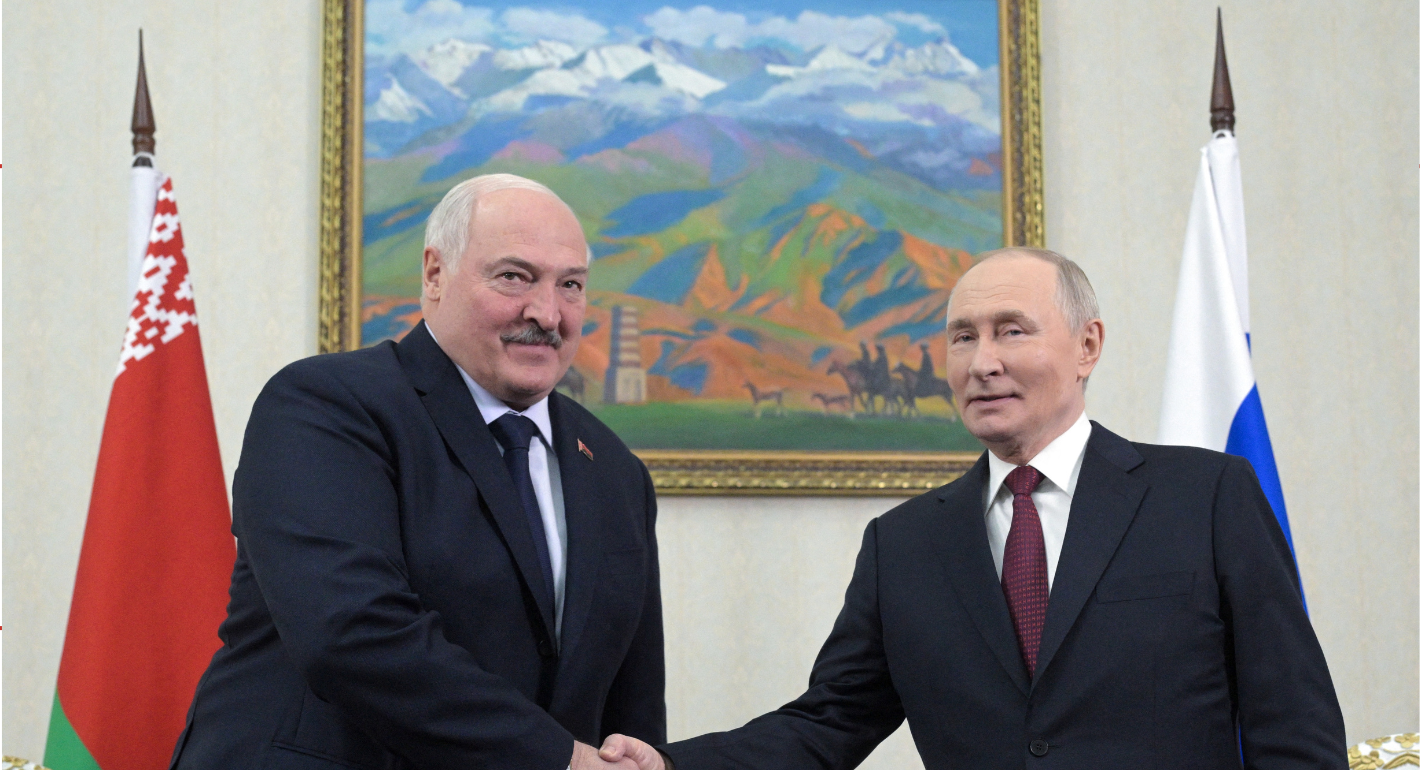
In return for a trade deal and the release of political prisoners, the United States has lifted sanctions on Belarus, breaking the previous Western policy consensus. Should Europeans follow suit, using their leverage to extract concessions from Lukashenko, or continue to isolate a key Kremlin ally?

Thomas de Waal, ed.
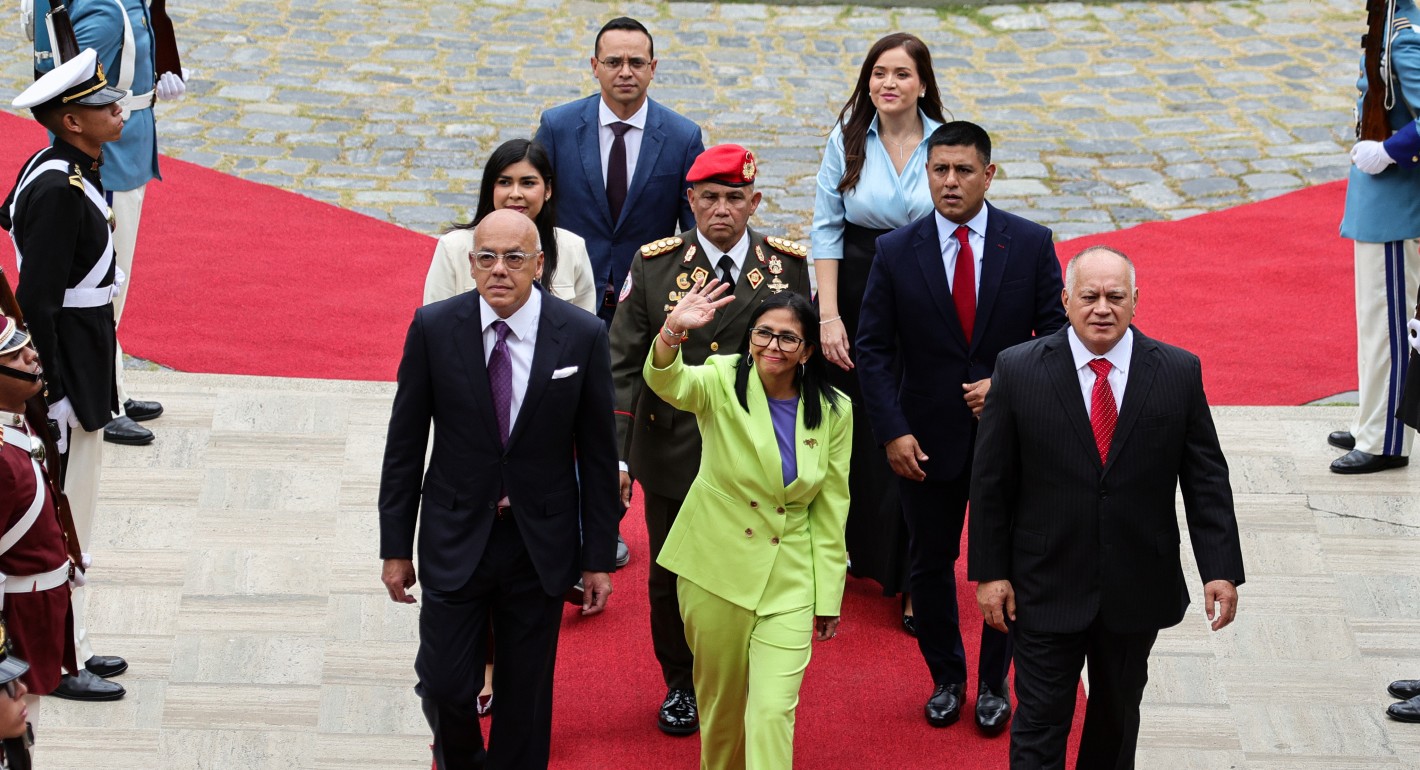
Venezuelans deserve to participate in collective decisionmaking and determine their own futures.

Jennifer McCoy
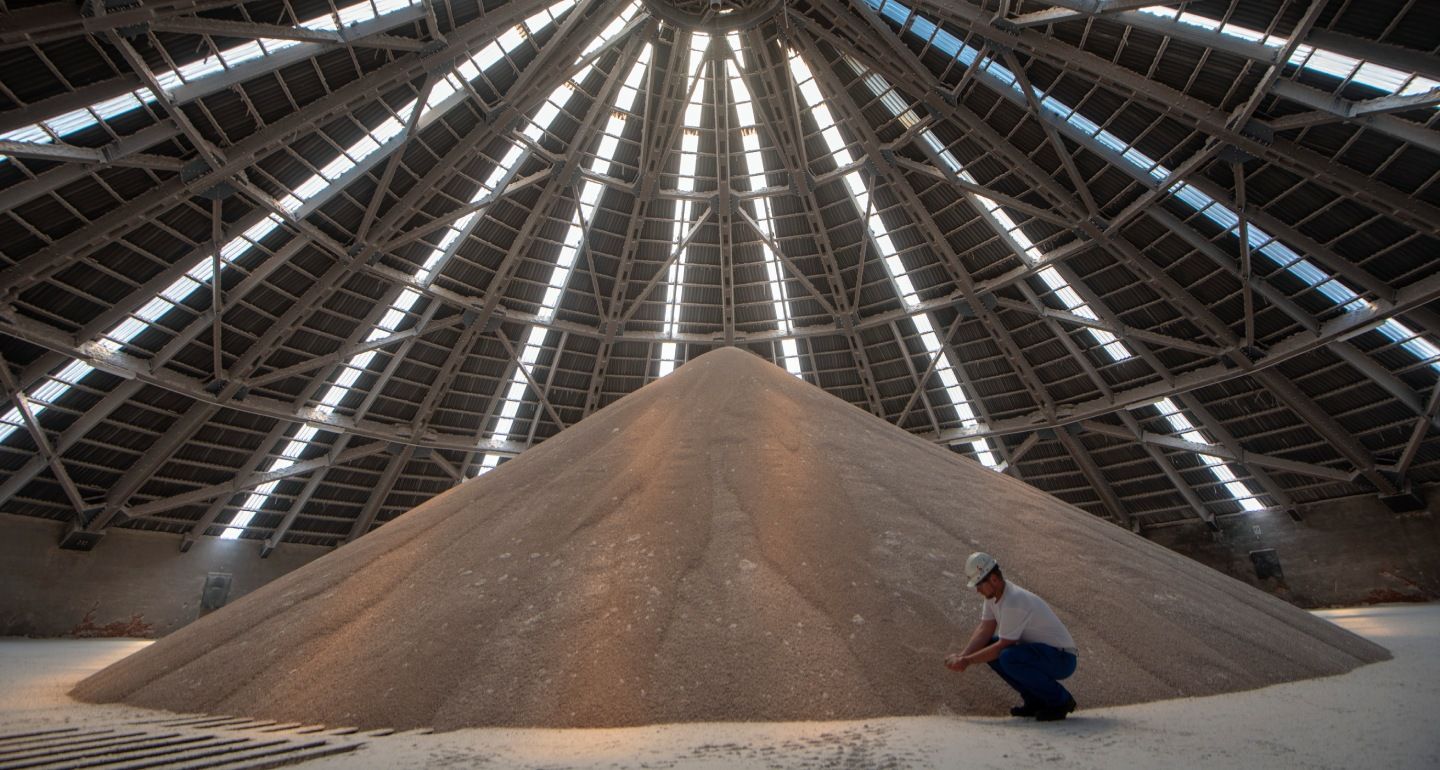
What should happen when sanctions designed to weaken the Belarusian regime end up enriching and strengthening the Kremlin?

Denis Kishinevsky