

Research
- +10
Rosa Balfour, Frances Z. Brown, Yasmine Farouk, …
{
  "authors": [
    "Moisés Naím"
  ],
  "type": "legacyinthemedia",
  "centerAffiliationAll": "",
  "centers": [
    "Carnegie Endowment for International Peace"
  ],
  "collections": [],
  "englishNewsletterAll": "",
  "nonEnglishNewsletterAll": "",
  "primaryCenter": "Carnegie Endowment for International Peace",
  "programAffiliation": "",
  "programs": [],
  "projects": [],
  "regions": [
    "Middle East",
    "Iran",
    "Israel",
    "Iraq",
    "Afghanistan"
  ],
  "topics": [
    "Foreign Policy",
    "Nuclear Policy"
  ]
}
REQUIRED IMAGE
Source: Carnegie
The Danger of a Compliant Saddam
By Moisés Naím
Originally published in the Financial Times, on November 14, 2002
What if Saddam Hussein fully complies with the United Nations' resolution, avoids a war and retains power? His past behaviour, the Bush administration's eagerness to get rid of him and the huge room for accidents and provocations that can spark a war have persuaded many that this is an improbable outcome. Moreover, even those who think Mr Hussein may comply with the UN demands - he appeared to take a first on Wednesday - assume that the inspection process is bound to destabilise his regime and eventually lead to its demise.
These are realistic expectations and it is, therefore, reasonable to expect that the regime may not survive the Bush administration's onslaught. But it is not reasonable to assume that Mr Hussein has no chance of retaining power - he does and he might.
Even those who think that Mr Hussein is deranged say that he is not suicidal. A recent visitor reports that the Iraqi leader is aware that the risks of trying to cheat his way out of complying with the UN demands are enormous. He probably also knows that his successful past tactics may now trigger an invasion. If Mr Hussein complies, the outcome of the Bush administration's massive diplomatic offensive and military preparations will be that his regime is disarmed but not toppled. Then what?
The Pentagon surely has plans for every contingency for a war in Iraq and the US government has a blueprint of how to approach nation-building after the current regime is ousted. But senior US officials admit that not much thinking has gone into how to manage the aftermath of a process where Mr Hussein stays in power. The consequences of this outcome are as complex, unpredictable and far-reaching as those of an armed occupation of Iraq.
The first consequences are those stridently emphasised for months by President George W. Bush and his closest aides when making the case that nothing short of ousting Mr Hussein would make them sleep well at night. In their view, the Iraqi leader's insatiable hunger for regional influence drives his addiction to weapons of mass destruction, which, with his ruthlessness and his oil money make him a permanent and undeterrable threat to regional stability and international security.
Second, if Mr Hussein without much oil money was dangerous and undeterrable, what would he be like with a lot of oil money? Once it became clear that the Iraqi regime had complied with UN demands, the pressures to lift the economic sanctions that have constrained its oil exports and its international trade would be enormous. Other Arab countries, multinational corporations eager to do business in Iraq and humanitarian groups that have long argued the sanctions hurt innocent civilians would step up their demands for lifting or relaxing them. On what grounds could the UN refuse to relax the sanctions if Iraq satisfied the conditions set by the Security Council? The US might choose to keep them in place but other countries would surely liberalise their trade and investment with Iraq, thus boosting its economy.
A year from now, a disarmed and closely watched Iraq might be a lesser security threat but, freed from sanctions, it would surely be on its way to becoming a significant economic factor in the region and in the global energy picture. Instead of counting Scud missiles Mr Hussein may end up spending his time counting the business deals coming his way.
An increased pressure to relax the embargo is neither the only nor the most important political aftershock that the Bush administration would face if Mr Hussein complied and stayed. The international prestige and credibility of the US as well as that of Mr Bush would suffer. While some would see the outcome as the positive result of Mr Bush's cunning strategy, many others would conclude that the Iraqi dictator had outfoxed yet another US president. The symbolism of a Mr Hussein who emerged from a massive American effort to oust him weakened and disarmed but still in power would not go unnoticed among critics and enemies of the US, particularly among the more thuggish ones, who might be emboldened by this outcome.
Last, there are global economic consequences if Mr Hussein retains power. Uncertainty over a possible war in Iraq has been a drag on the world economy for months, mostly because of its potential effects on oil prices. This uncertainty is not going to fade away if Mr Hussein stays, because consumers and investors will not quickly shed the belief that regime change is the only acceptable outcome acceptable for Mr Bush. Rather, they will assume that Mr Bush will keep trying to topple the Iraqi leader. Markets will continue to wait for war and, in the process, further slow down an already frail economy. Eventually, businesses and consumers might conclude that the Bush administration, while alert and vigilant, is not going to go to war. But this would take some time.
These are not arguments in favour of going to war regardless of how diligently Mr Hussein complies with the UN conditions. They are realistic possibilities that the Bush administration and the world at large would do well to consider.
The writer is editor of Foreign Policy magazine

Distinguished Fellow
Moisés Naím is a distinguished fellow at the Carnegie Endowment for International Peace, a best-selling author, and an internationally syndicated columnist.
Recent Work



Rosa Balfour, Frances Z. Brown, Yasmine Farouk, …
Moisés Naím
Carnegie does not take institutional positions on public policy issues; the views represented herein are those of the author(s) and do not necessarily reflect the views of Carnegie, its staff, or its trustees.

Ensuring that cities’ perspectives shape international discussions at this year’s forums is not just equitable; it is likely to produce better outcomes.


Liliana Gamboa, Marissa Jordan
Debate is heating up on how Turkey could be integrated into a common European defense framework. Commercial and industrial deals offer a better chance at alignment than sweeping political efforts.

Marc Pierini

The India–EU Free Trade Agreement (FTA) is shaping up to be one of the most consequential trade negotiations, both economically and strategically. But, what’s in the agreement, what’s missing, and what will determine its success in the years ahead

Vrinda Sahai, Nicolas Köhler-Suzuki
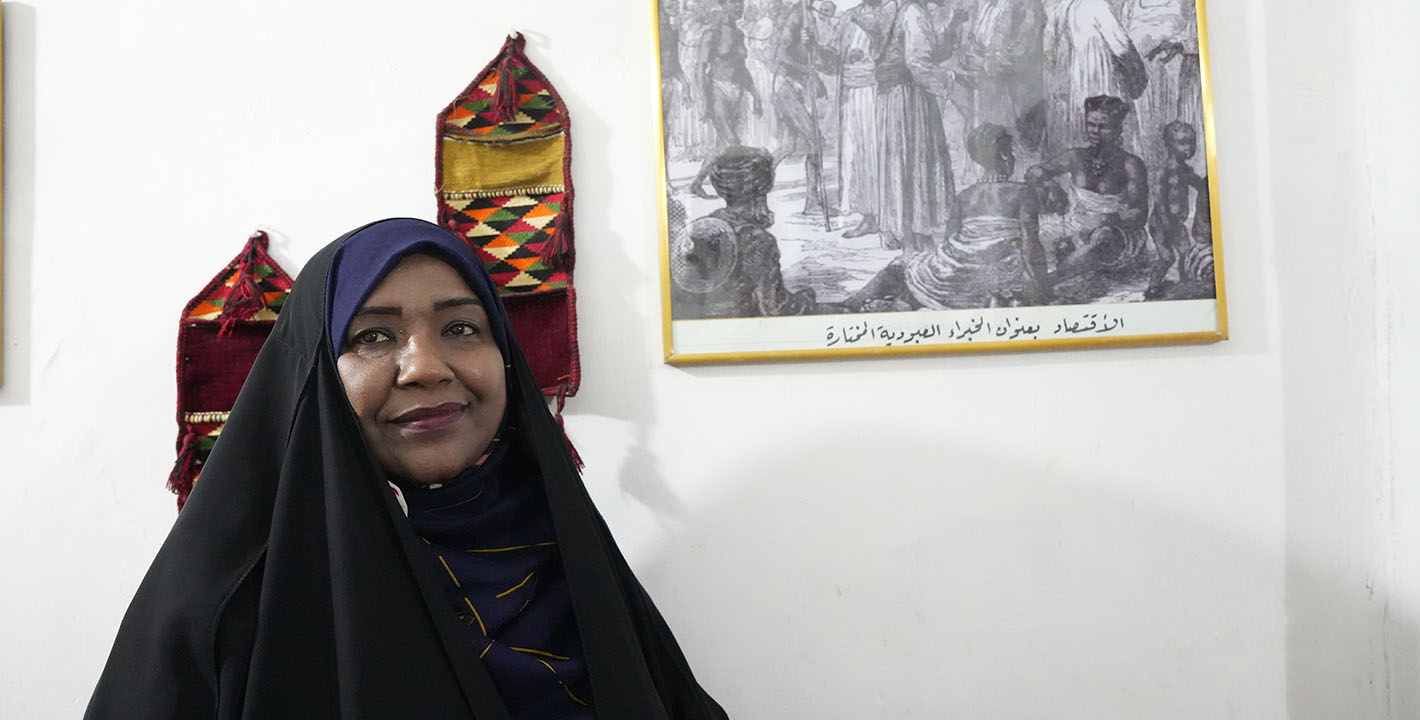
In Basra, an ethnoracial minority wages a constant struggle to assert itself in the face of marginalization.

Zeinab Shuker
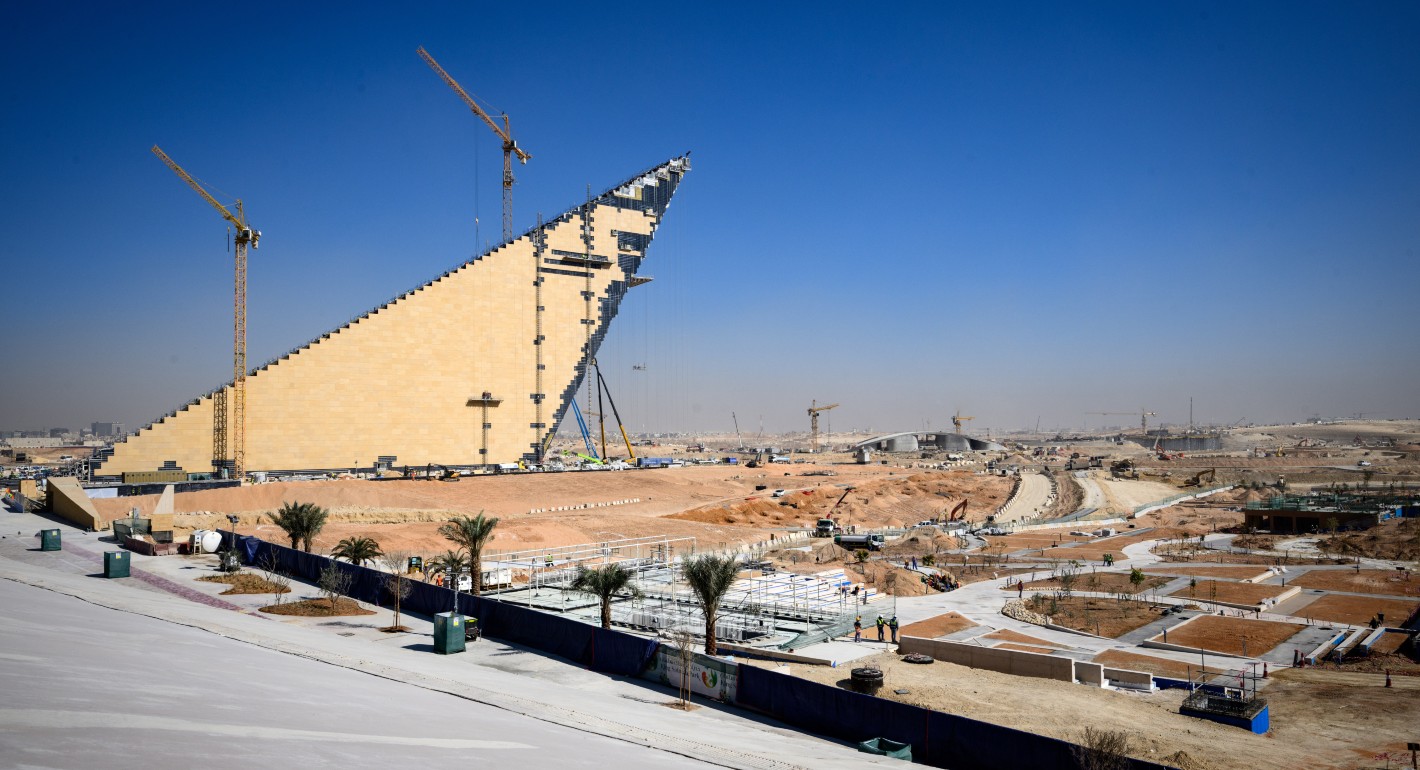
As the monarchy appears to question its grandest projects, the state could do with more critical debate than rote cheerleading.

Andrew Leber