

In The Media
Jessica Tuchman Mathews
{
  "authors": [
    "Jessica Tuchman Mathews"
  ],
  "type": "legacyinthemedia",
  "centerAffiliationAll": "",
  "centers": [
    "Carnegie Endowment for International Peace"
  ],
  "collections": [],
  "englishNewsletterAll": "",
  "nonEnglishNewsletterAll": "",
  "primaryCenter": "Carnegie Endowment for International Peace",
  "programAffiliation": "",
  "programs": [],
  "projects": [],
  "regions": [
    "Middle East",
    "Iraq"
  ],
  "topics": [
    "Security",
    "Military",
    "Foreign Policy",
    "Nuclear Policy",
    "Nuclear Energy"
  ]
}
Source: Getty
Before attention is lost in the controversies over the war itself and in the challenges of its aftermath, the UN must capture, clarify, and publicize the record of international inspections in Iraq: for itself, for member governments, and for the public.
Source: Global Governance

Before attention is lost in the controversies over the war itself and in the
challenges of its aftermath, the UN must capture, clarify, and publicize
the record of international inspections in Iraq: for itself, for member
governments, and for the public. Was the process encompassing the UN
Special Commission (UNSCOM), the International Atomic Energy
Agency (IAEA), and the UN Monitoring, Verification and Inspection
Commission (UNMOVIC) from 1991 to 2003 a success? Or was it the
bumbling embarrassment, the “sham,” portrayed by top U.S. officials
and still understood that way by the American public—and perhaps by
the public elsewhere?
Click here for full text
Reprinted by permission of Global Goverance, (Vol 10,
Issue 3, July-Sept. 2004), Lynne Rienner Publishers.
Distinguished Fellow
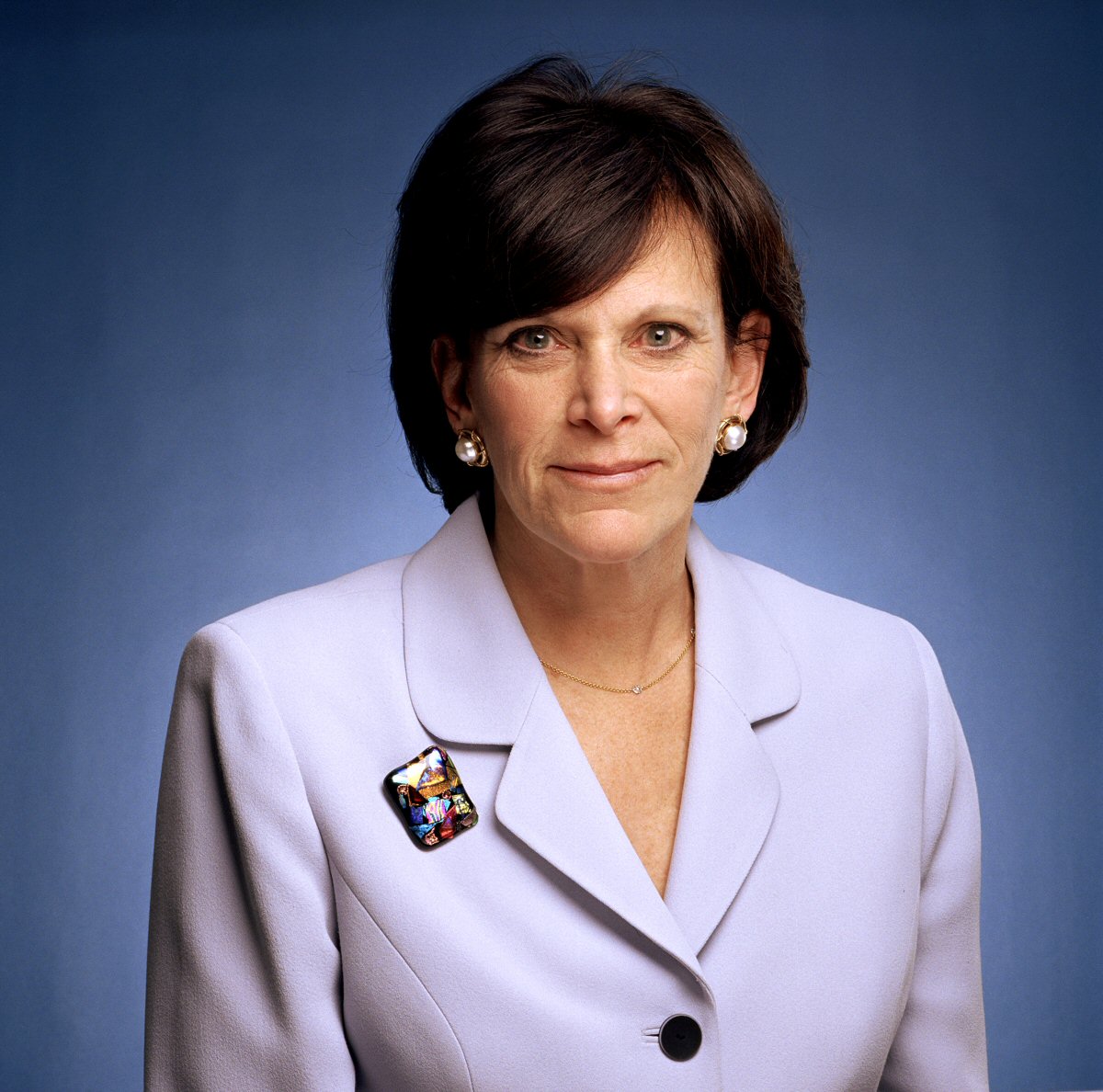
Mathews is a distinguished fellow at the Carnegie Endowment for International Peace. She served as Carnegie’s president for 18 years.
Recent Work
Jessica Tuchman Mathews
Jessica Tuchman Mathews
Carnegie does not take institutional positions on public policy issues; the views represented herein are those of the author(s) and do not necessarily reflect the views of Carnegie, its staff, or its trustees.
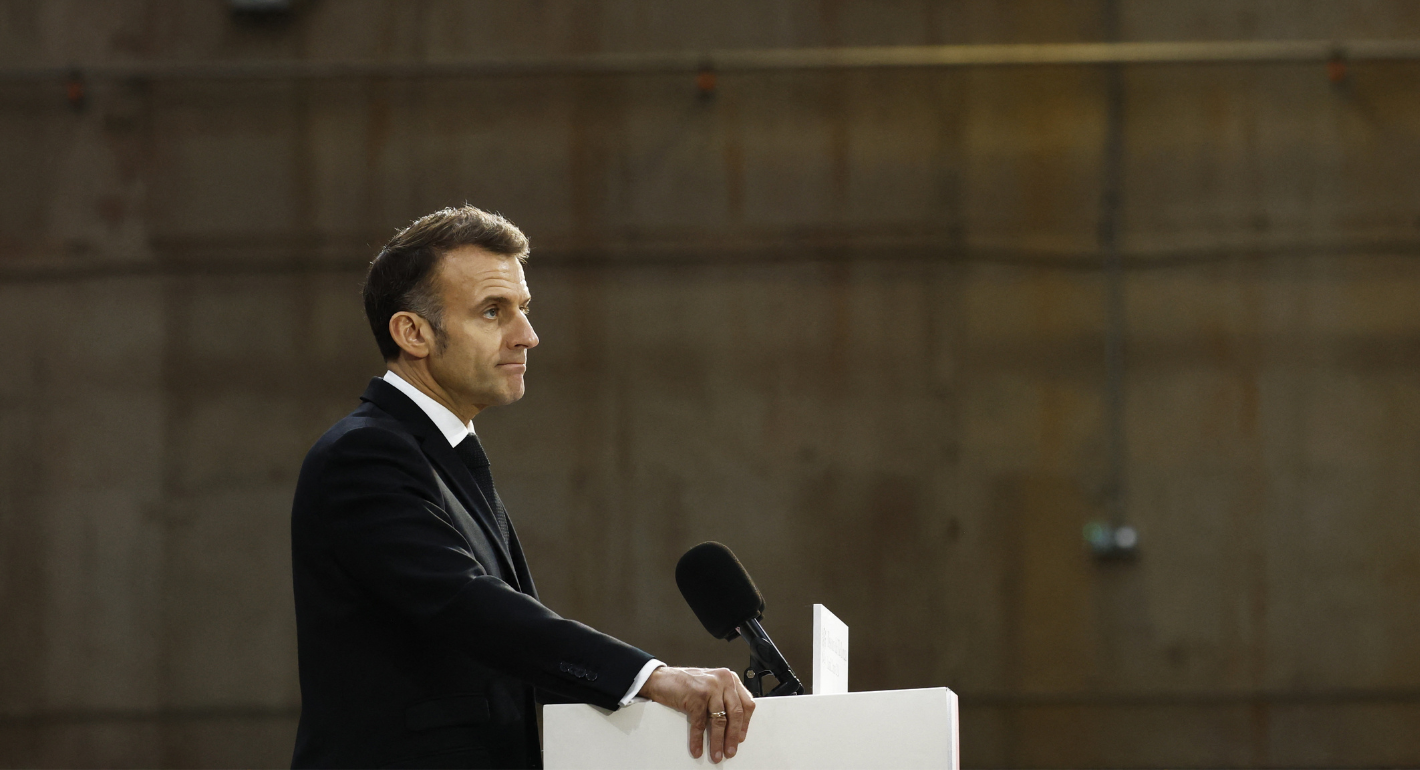
French President Emmanuel Macron has unveiled his country’s new nuclear doctrine. Are the changes he has made enough to reassure France’s European partners in the current geopolitical context?

Rym Momtaz, ed.
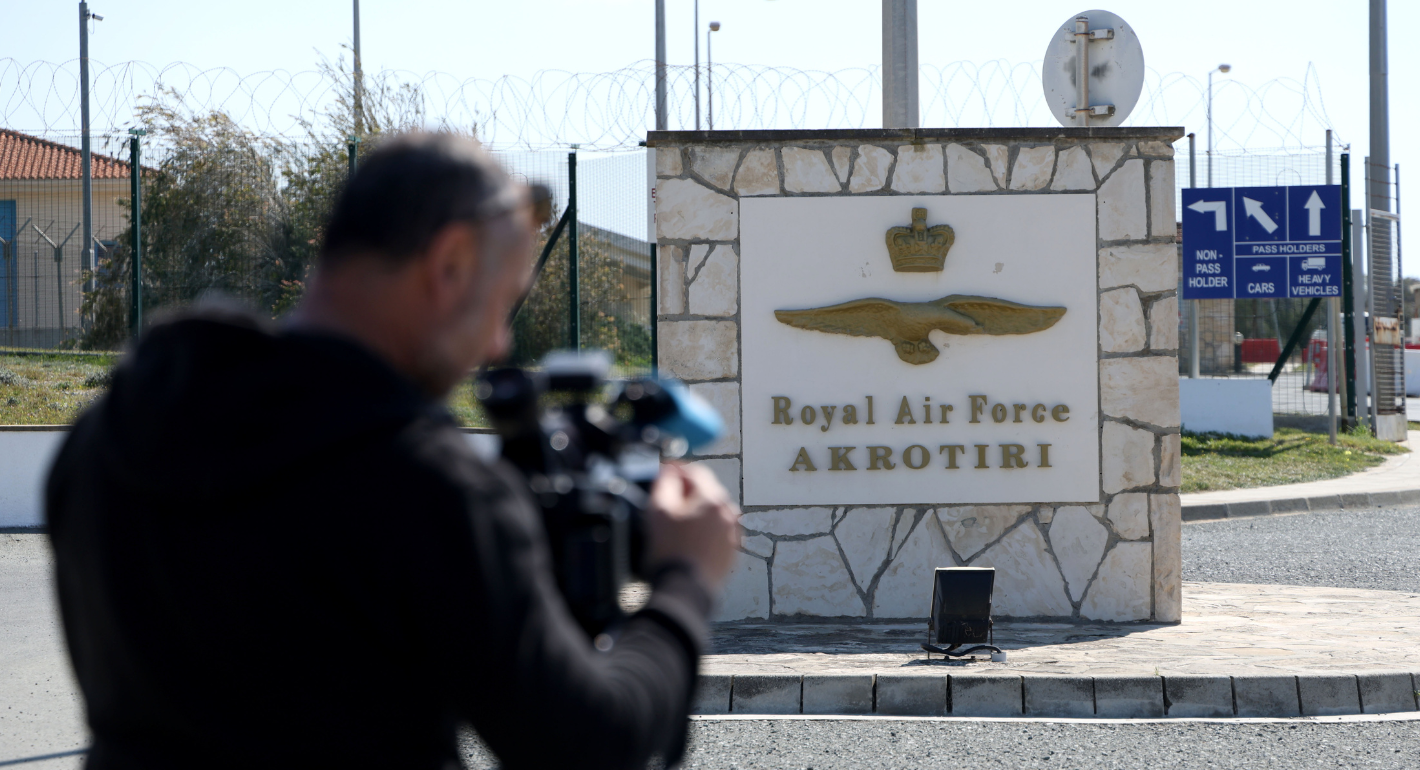
The drone strike on the British air base in Akrotiri brings Europe’s proximity to the conflict in Iran into sharp relief. In the fog of war, old tensions in the Eastern Mediterranean risk being reignited, and regional stakeholders must avoid escalation.

Marc Pierini
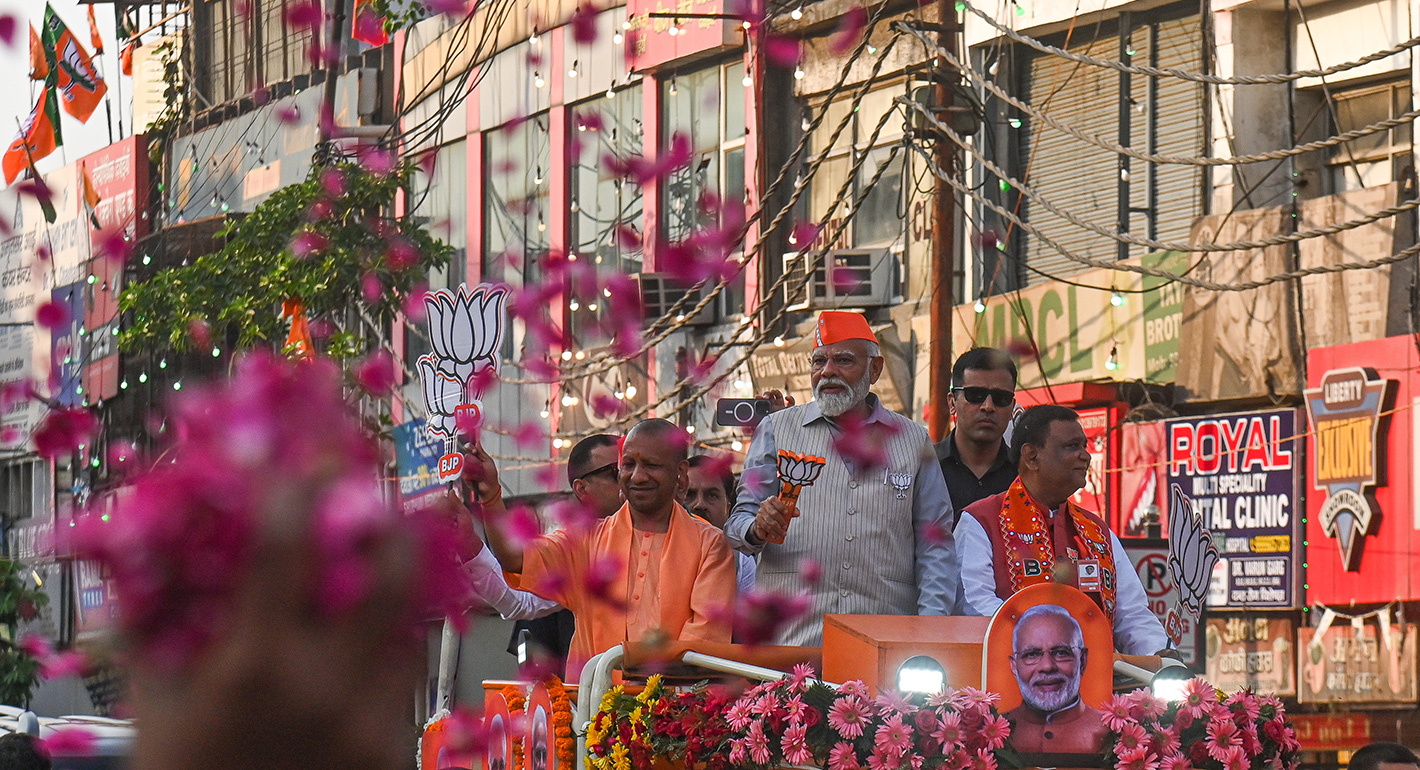
Domestic mobilization, personalized leadership, and nationalism have reshaped India’s global behavior.
Sandra Destradi
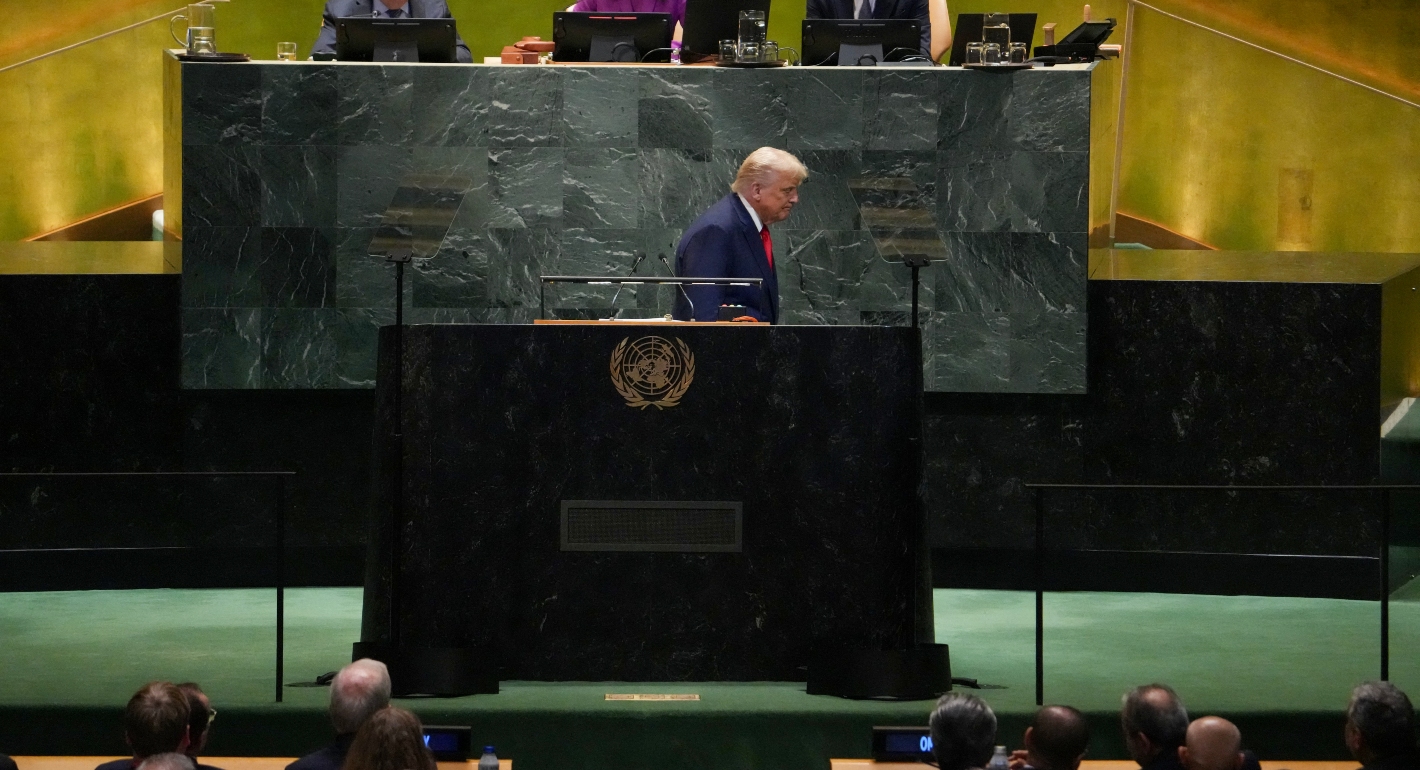
For years, the United States anchored global cyber diplomacy. As Washington rethinks its leadership role, the launch of the UN’s Cyber Global Mechanism may test how allies adjust their engagement.
Patryk Pawlak, Chris Painter
Most of Moscow’s military resources are tied up in Ukraine, while Beijing’s foreign policy prioritizes economic ties and avoids direct conflict.


Alexander Gabuev, Temur Umarov