• Research
  • Emissary
  • About
  • Experts
Carnegie Global logoCarnegie lettermark logo
DemocracyIran
  • Donate
{
  "authors": [
    "Maria Lipman"
  ],
  "type": "legacyinthemedia",
  "centerAffiliationAll": "",
  "centers": [
    "Carnegie Endowment for International Peace",
    "Carnegie Russia Eurasia Center"
  ],
  "collections": [],
  "englishNewsletterAll": "",
  "nonEnglishNewsletterAll": "",
  "primaryCenter": "Carnegie Russia Eurasia Center",
  "programAffiliation": "",
  "programs": [],
  "projects": [],
  "regions": [
    "North America",
    "United States",
    "Caucasus",
    "Russia"
  ],
  "topics": [
    "Political Reform",
    "Security",
    "Foreign Policy"
  ]
}
Source: Getty

In The Media
Carnegie Russia Eurasia Center

International Press Closely Watching RNC

As John McCain formally accepts his nomination for president, Russian coverage of the event and the campaign in general has been distanced and sometimes condescending. Instead, the Russian media has mainly been focused on the events in Georgia.

Link Copied
By Maria Lipman
Published on Sep 5, 2008

Source: NPR's Tell Me More

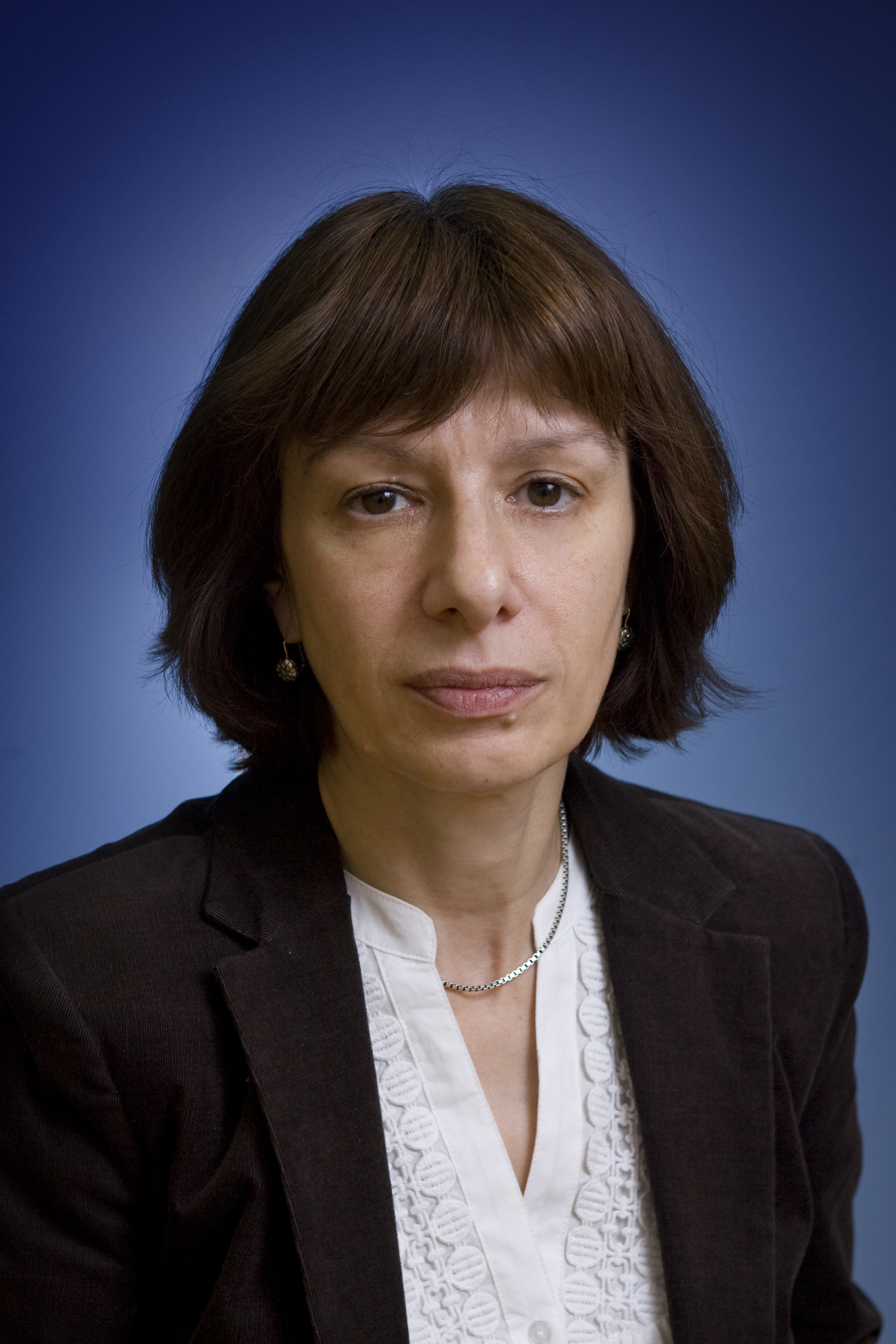
As John McCain formally accepts his nomination for president, Masha Lipman explains to NPR’s Tell Me More how the Republican National Convention (RNC) has been covered in Russia. While the RNC is a topic of discussion in the Russian media, coverage is much more focused on the situation in Georgia. Additionally, the visit of U.S. Vice President Dick Cheney to the Caucuses and Ukraine has further fueled discontent and overshadowed talk of the campaign. “The overall tone of the coverage of the American campaign is distanced and sometimes condescending,” concludes Lipman.
 

Click here to listen

About the Author

Maria Lipman

Former Scholar in Residence, Society and Regions Program, Editor in Chief, Pro et Contra, Moscow Center

Lipman was the editor in chief of the Pro et Contra journal, published by the Carnegie Moscow Center. She was also the expert of the Carnegie Moscow Center’s Society and Regions Program.

    Recent Work

  • Commentary
    The Russian State Power and the Ukrainian Human Factor

      Maria Lipman

  • Commentary
    Putin’s Crimean Conquest Pushes Russia to an Anti-Modernization Course

      Maria Lipman

Maria Lipman
Former Scholar in Residence, Society and Regions Program, Editor in Chief, Pro et Contra, Moscow Center
Maria Lipman
Political ReformSecurityForeign PolicyNorth AmericaUnited StatesCaucasusRussia

Carnegie does not take institutional positions on public policy issues; the views represented herein are those of the author(s) and do not necessarily reflect the views of Carnegie, its staff, or its trustees.
More Work from Carnegie Endowment for International Peace

  • Commentary
    Carnegie Politika
    Parliamentary Elections in Occupied Ukraine Risk Backfiring for the Kremlin

    Despite unhappiness on the ground, Moscow is determined to use both carrot and stick to ensure there is record support for United Russia in occupied Ukraine.

      Konstantin Skorkin

  • Article
    From Hormuz to the Maghreb: The Geopolitical Reach of a Gulf Crisis

    Morocco and Algeria, each in its own way, are having to navigate the global economic fallout of the U.S.-Israeli military campaign against Iran.

      Yasmine Zarhloule

  • Commentary
    Emissary
    Nolan’s "The Odyssey" Has a Colonialism Problem

    Despite Morocco’s hopes that its film industry would reap rewards, the blockbuster’s success will be tainted by controversy surrounding filming in occupied Western Sahara.

      • Sarah Yerkes

      Sarah Yerkes

  • Paper
    Securing America’s Near Abroad: Recalibrating U.S. Policy Toward Haiti

    Helping to stabilize Haiti is in the United States’ national interest and can be done by making wise use of various foreign policy tools in addition to supporting international security forces.

      Christopher Shell

  • Commentary
    Carnegie Politika
    Moldova’s Ruling Party PAS Must Graduate From Crisis Management to State Governance

    Whether PAS can refocus on the unfinished business of state-building may ultimately prove more consequential for Moldova’s European future than the pace of its accession negotiations.

      Balázs Jarábik

Get more news and analysis from
Carnegie Endowment for International Peace
Carnegie global logo, stacked
1779 Massachusetts Avenue NWWashington, DC, 20036-2103Phone: 202 483 7600
  • Research
  • Emissary
  • About
  • Experts
  • Donate
  • Programs
  • Events
  • Blogs
  • Podcasts
  • Contact
  • Annual Reports
  • Careers
  • Privacy
  • For Media
  • Government Resources
Get more news and analysis from
Carnegie Endowment for International Peace
© 2026 Carnegie Endowment for International Peace. All rights reserved.