

In The Media
Jessica Tuchman Mathews
{
  "authors": [
    "Jessica Tuchman Mathews"
  ],
  "type": "legacyinthemedia",
  "centerAffiliationAll": "",
  "centers": [
    "Carnegie Endowment for International Peace",
    "Malcolm H. Kerr Carnegie Middle East Center",
    "Carnegie Russia Eurasia Center"
  ],
  "collections": [],
  "englishNewsletterAll": "",
  "nonEnglishNewsletterAll": "",
  "primaryCenter": "Carnegie Endowment for International Peace",
  "programAffiliation": "",
  "programs": [],
  "projects": [],
  "regions": [
    "North America",
    "United States",
    "Egypt",
    "Gulf",
    "Levant",
    "Maghreb"
  ],
  "topics": [
    "Security",
    "Political Reform",
    "Climate Change",
    "Foreign Policy",
    "Nuclear Policy"
  ]
}
Source: Getty
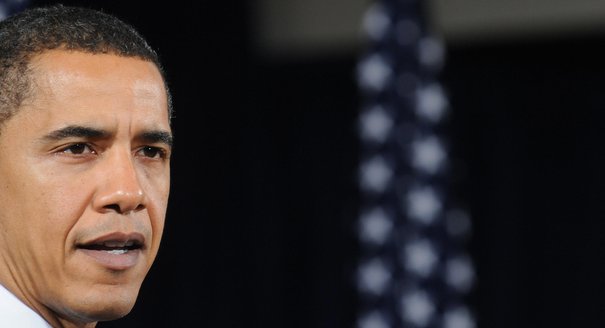
While a Nobel Peace Prize seems the occasion to address an international audience, Obama must use this opportunity to speak to his domestic constituency on the three great present challenges to world peace: nuclear proliferation, climate change and the allure of radical Islam.
Source: The Washington Post

Obama's toughest foreign-policy challenges in 2010 lie at home. He has to sell and sustain a renewed commitment to the war in Afghanistan, bring Congress to meaningful action on climate change and usher critical arms control and nuclear test ban treaties through the Senate. So, while a Nobel Peace Prize seems the occasion to address an international audience, he must use this opportunity to make the case to his domestic constituency on what the United States must do to confront the three great present challenges to world peace: nuclear proliferation, climate change and the allure of radical Islam.
To be convincing at home, he must also be plain about the limits on what the world should expect from us. U.S. leadership is plainly necessary, but these are global struggles. The United States must act to restrain carbon emissions, and so must India. Washington has to rebalance its policies to help forge an end to the Israeli-Palestinian conflict, but Arab leaders bear an equal responsibility to adjust theirs. The U.S. commitment to put out the fires that threaten the world in Pakistan and Afghanistan can succeed only with the help of NATO partners and a willingness by China to shoulder an equal burden there. U.S. efforts to avoid a nuclear Iran must be matched by Russia's if they are to work.

Distinguished Fellow
Mathews is a distinguished fellow at the Carnegie Endowment for International Peace. She served as Carnegie’s president for 18 years.
Recent Work
Jessica Tuchman Mathews
Jessica Tuchman Mathews
Carnegie does not take institutional positions on public policy issues; the views represented herein are those of the author(s) and do not necessarily reflect the views of Carnegie, its staff, or its trustees.
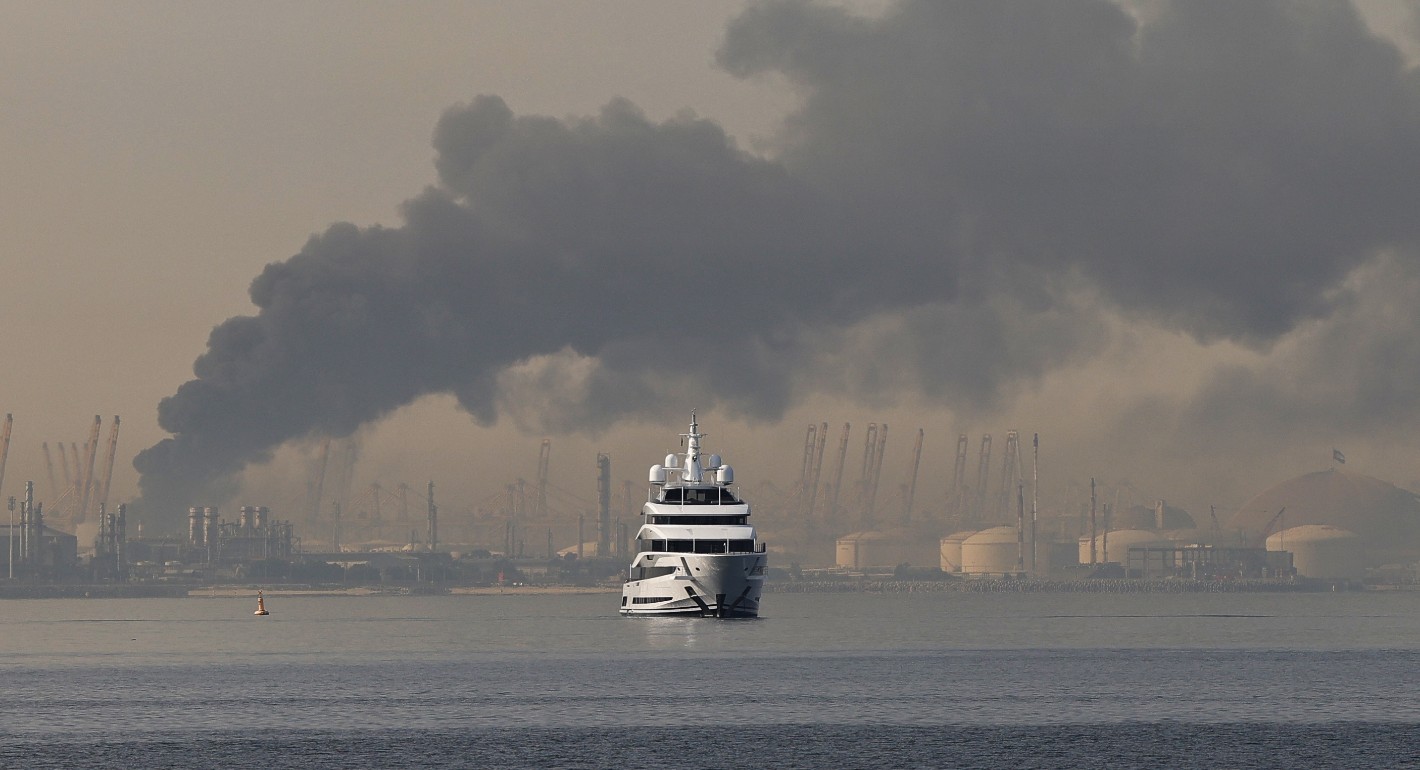
Only collective security can protect fragile economic models.

Andrew Leber

In a volatile Middle East, the Omani port of Duqm offers stability, neutrality, and opportunity. Could this hidden port become the ultimate safe harbor for global trade?
Giorgio Cafiero, Samuel Ramani
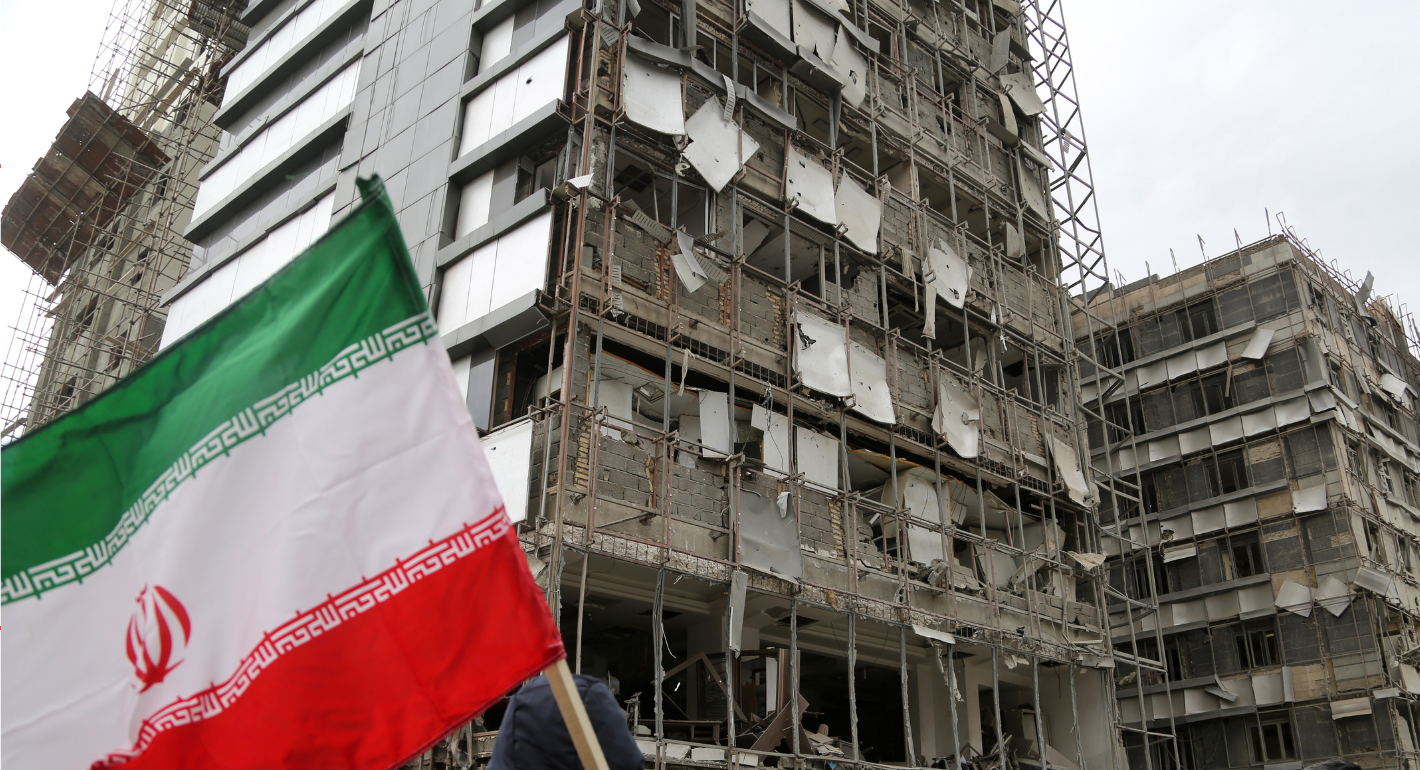
Europe’s reaction to the war in Iran has been disunited and meek, a far cry from its previously leading role in diplomacy with Tehran. To avoid being condemned to the sidelines while escalation continues, Brussels needs to stand up for international law.

Pierre Vimont
In 2021, the U.S. government began to consider how to address climate migration. The outcomes of that process offer useful takeaways for other governments.
Jennifer DeCesaro

On the last day of the India AI Impact Summit, India signed Pax Silica, a U.S.-led declaration seemingly focused on semiconductors. While India’s accession to the same was not entirely unforeseen, becoming a signatory nation this quickly was not on the cards either.

Konark Bhandari