

Article
Thomas de Waal
{
  "authors": [
    "Thomas de Waal"
  ],
  "type": "legacyinthemedia",
  "centerAffiliationAll": "dc",
  "centers": [
    "Carnegie Endowment for International Peace",
    "Carnegie Europe"
  ],
  "collections": [],
  "englishNewsletterAll": "ctw",
  "nonEnglishNewsletterAll": "",
  "primaryCenter": "Carnegie Europe",
  "programAffiliation": "russia",
  "programs": [
    "Russia and Eurasia"
  ],
  "projects": [],
  "regions": [
    "Caucasus",
    "Armenia"
  ],
  "topics": [
    "Political Reform",
    "Economy",
    "Foreign Policy"
  ]
}
Source: Getty
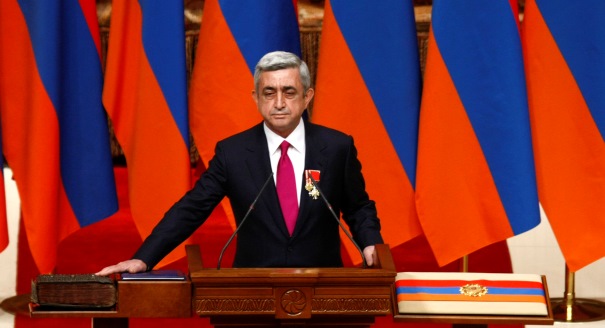
There are still many questions about Armenia’s future in the Russia-led Eurasian Customs Union, as well as the future of the union itself.
Source: Radio Free Europe/Radio Liberty
In an interview with Radio Free Europe/Radio Liberty’s Armenian Service, Carnegie’s Tom de Waal discussed the factors behind Armenia’s decision to join the Russia-led Eurasian Customs Union and halt its plans to sign an Association Agreement with the European Union. De Waal suggested that the Armenian government is now working to speed up the process of Customs Union ascenscion in order to avoid being left in a vacuum without the benefits of European integration or Customs Union membership. Armenian society is less pro-Russian than the political elite, de Waal stated. However, the political elite is quite pro-Russian, and President Serzh Sargsyn may have decided to join the Customs Union to avoid a pro-Russian threat to his rule in the future.
This interview was originally aired on Radio Free Europe/Radio Liberty.

Senior Fellow, Carnegie Europe
Thomas de Waal is a senior fellow at Carnegie Europe, specializing in Eastern Europe and the Caucasus.
Recent Work
Thomas de Waal
Thomas de Waal
Carnegie does not take institutional positions on public policy issues; the views represented herein are those of the author(s) and do not necessarily reflect the views of Carnegie, its staff, or its trustees.
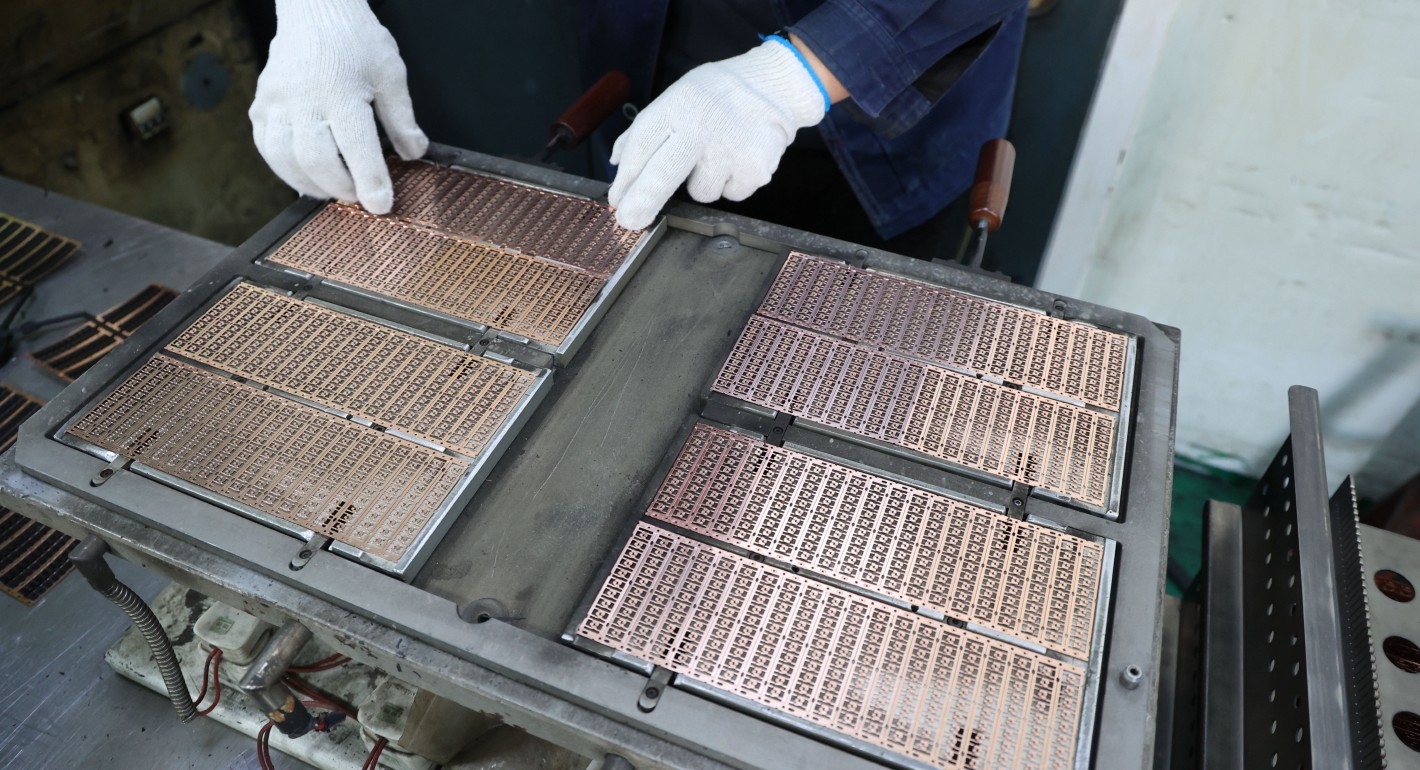
The Bureau of Industry and Security needs to adjust its focus and practices to maintain its position as the U.S. government’s primary champion of international technological competition.
Geoffrey Irving

European Commission President Ursula von der Leyen is about to give her annual address on the state of the EU. Here’s what she won’t—but should—say.

Rym Momtaz

Depleted financial reserves and a shrinking tax base mean it is no longer possible to simultaneously deliver high defense spending, price stability, and economic growth.

Alexandra Prokopenko

The books, podcasts, and films that explain the world it made.

Andrew Leber

U.S. trading partners in Asia are closely watching the dispute for signs of how it may affect their own interests.

Barbara Weisel