

Report
- +3
James M. Acton, Alexey Arbatov, Vladimir Dvorkin, …
{
  "authors": [
    "Petr Topychkanov"
  ],
  "type": "commentary",
  "centerAffiliationAll": "",
  "centers": [
    "Carnegie Endowment for International Peace",
    "Carnegie Russia Eurasia Center"
  ],
  "collections": [],
  "englishNewsletterAll": "",
  "nonEnglishNewsletterAll": "",
  "primaryCenter": "Carnegie Russia Eurasia Center",
  "programAffiliation": "",
  "programs": [],
  "projects": [],
  "regions": [
    "South Asia",
    "India",
    "Russia"
  ],
  "topics": [
    "Political Reform",
    "Security",
    "Military",
    "Foreign Policy",
    "Nuclear Policy",
    "Nuclear Energy"
  ]
}
Source: Getty
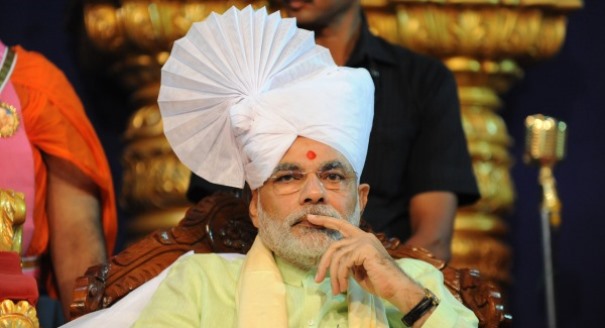
The BJP’s election victory has changed India’s political landscape. Russia has close ties with the BJP, but serious steps are needed to elevate Russian-Indian relations to a new level.
India’s parliamentary elections have completely changed the country’s political landscape. These changes, however, are not much of a surprise for Russia.
Both the Bharatiya Janata Party (BJP) and India’s new prime minister, Narendra Modi, are acceptable to Moscow. Russian diplomats stopped aligning themselves exclusively with the INC as early as the 1990s. Moscow continued to maintain frequent contacts with the BJP in 2004-2014, the years the INC-led coalition was in power. In November 2012, in an unprecedented departure from diplomatic protocol, the Russian Ambassador to India, Alexander Kadakin, visited the home of BJP senior leader Lal Krishna Advani to wish him a happy 85th birthday. After presenting Advani with a bouquet, Kadakin touched his feet, seeking a blessing. The fact that Advani, who then headed the parliamentary opposition, was eyeing the post of the prime minister does not matter now. Nor is the fact that he opposed Modi’s candidacy for the prime minister in 2013 important. The ambassador’s respectful gesture, which was at the time met with some disapproval in both New Delhi and Moscow, demonstrated the high level of relations between the head of Russian diplomatic mission and the BJP.
Unless these pronouncements are followed by some serious steps, however, Putin and Modi are not likely to elevate Russian-Indian relations to a new level. After all, the BJP is not ready to offer Russia any special preferences as of now. For instance, the party staunchly supports the 2010 Nuclear Liability Act, which effectively halted the Russian-Indian cooperation on atomic energy. New nuclear contracts between Russia and India will not be possible unless the Modi government alters its position on the Nuclear Liability Act.
When it comes to cooperation on military technology, the BJP articulated its position in its election manifesto, which expresses a commitment to “developing indigenous defense technologies.” The manifesto also talks about encouraging domestic industry to have a larger share in design and production of military hardware for both domestic use and exports. In light of Modi’s strong desire to also strengthen India’s relations with Israel, Germany, France, and Japan, it is becoming apparent that Russian arms manufacturers will not benefit from the government change in New Delhi. In fact, during Modi’s rule, India may start competing against Russia in the regions where Russia is still one of the major arms and military technology exporters.
These are only two of many areas in which Russia’s and India’s positions have to be corrected so that the countries find new, mutually beneficial approaches to multiplying their past achievements. Putin’s and Modi’s personal political wills, as well as active efforts on the part of state, commercial, academic and civic institutions, are required to affect the change. Otherwise, the strategic partnership is likely to remain where it was before: at a declarative stage that lacks a strong foundation. To avoid this outcome, Moscow and New Delhi must intensify dialogue on restarting their strategic partnership. The parties have to set the priorities for Russia-India relations, work out a road map for developing ties, take stock of bilateral mechanisms, and, if necessary, create new ones.
In 2012-2013 the Russian International Affairs Council set out to analyze the state and the prospects of Russian-Indian relations. While the project was incomplete and imperfect, it stands out as the only instance of a serious collective effort to analyze bilateral relations between the two countries in recent years. Without such unilateral and bilateral projects, Moscow and New Delhi will fail to produce an analytical foundation for their strategic partnership, thus failing to raise their relations to new heights.
Former Fellow, Nonproliferation Program, Moscow Center
Topychkanov was a fellow in the Carnegie Moscow Center’s Nonproliferation Program.
Recent Work

James M. Acton, Alexey Arbatov, Vladimir Dvorkin, …
Petr Topychkanov
Carnegie does not take institutional positions on public policy issues; the views represented herein are those of the author(s) and do not necessarily reflect the views of Carnegie, its staff, or its trustees.
A leak of Russian gas price data helps establish that China is paying Russia far less than Central Asian countries and Gazprom’s former European customers.

Sergey Vakulenko

China’s political future will be shaped between now and next October. As the Communist Party enters its intense “campaign season” to prepare for a major political transition in 2027, reading Beijing's actions and responses may become more difficult as domestic politics weigh on its behavior more than usual.

Damien Ma

The EU can impose sanctions but struggles to enforce them without the United States. With Washington increasingly disinterested in backing European interests, the bloc must now fend for itself.


Nicu Popescu, Tiago Antunes
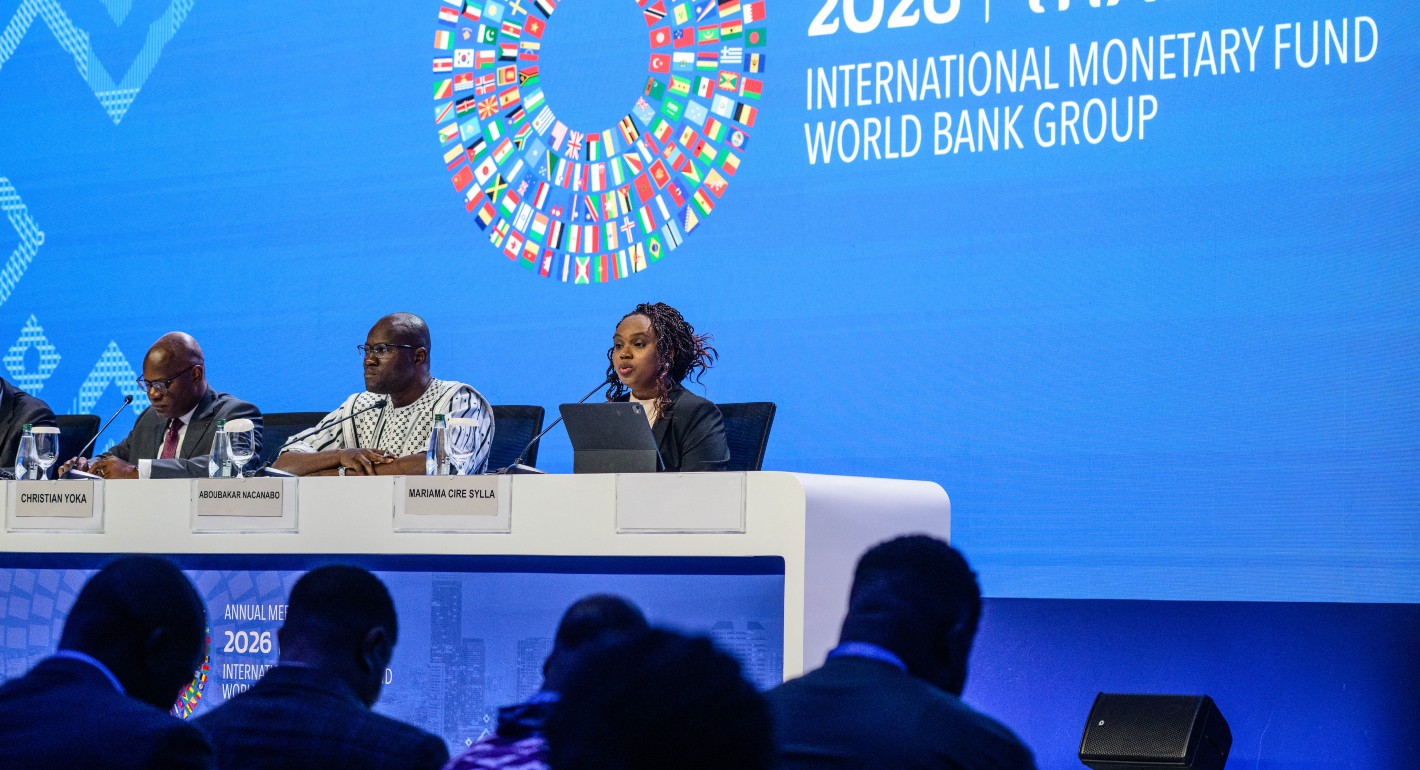
Global and rising powers will need to engage with Africa’s priorities and agency in order to secure the continent’s increasingly attractive partnerships.
Fonteh Akum
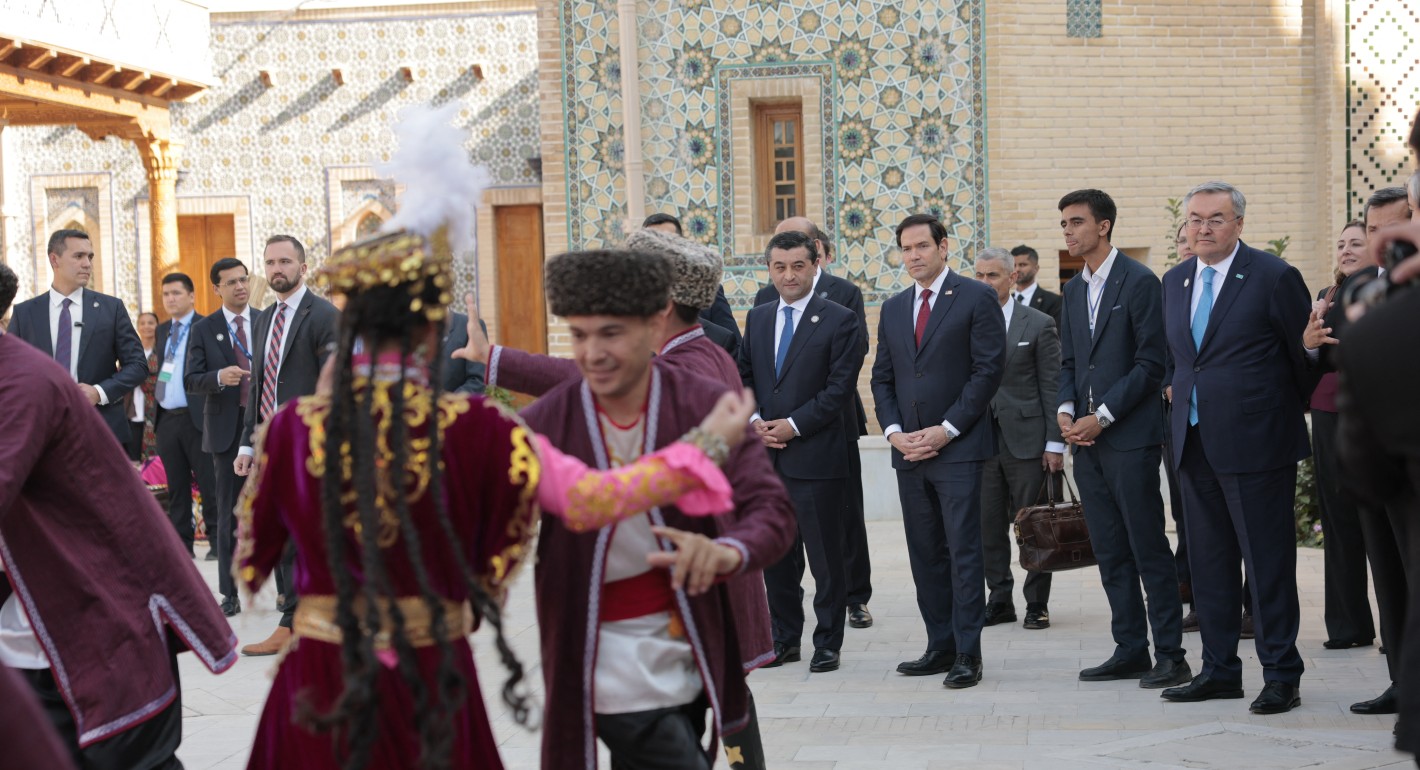
Rubio’s recent visit brought welcome attention, but more capital requires governance changes that may be a hard sell for regional governments.

Jennifer B. Murtazashvili