

Commentary
In the discussions made possible by the State Duma election campaign, one question is being asked more and more loudly. “What next?”
Andrey Pertsev
{
  "authors": [
    "Lina Khatib",
    "Martin Lidegaard",
    "Jean-Marie Guéhenno",
    "Steven Heydemann",
    "Hazem Kandil",
    "Ellen Lust",
    "Mohammed Hafez",
    "Rasmus Alenius Boserup",
    "Helle Malmvig",
    "Sune Haugbølle",
    "Jakob Wichmann"
  ],
  "type": "other",
  "centerAffiliationAll": "dc",
  "centers": [
    "Carnegie Endowment for International Peace",
    "Malcolm H. Kerr Carnegie Middle East Center"
  ],
  "collections": [],
  "englishNewsletterAll": "menaTransitions",
  "nonEnglishNewsletterAll": "",
  "primaryCenter": "Malcolm H. Kerr Carnegie Middle East Center",
  "programAffiliation": "MEP",
  "programs": [
    "Middle East"
  ],
  "projects": [],
  "regions": [
    "Egypt",
    "Gulf",
    "Levant",
    "Maghreb",
    "Middle East",
    "North Africa"
  ],
  "topics": [
    "Political Reform"
  ]
}
Source: Getty
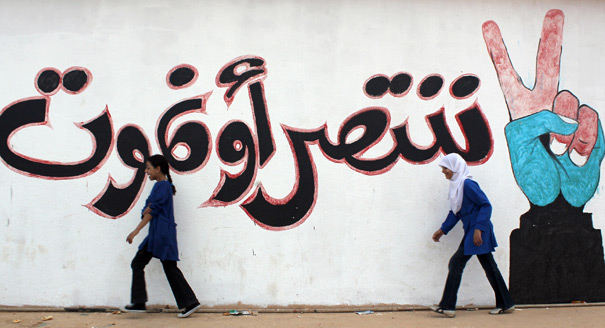
Almost four years later, the opportunity for political transition in the Middle East and North Africa seems to have narrowed.
Source: Danish Institute for International Studies
When the Arab Revolts broke out in late 2010 and early 2011, observers and policymakers cheered the arrival of an opportunity, however fragile and uncertain, for generating political change in a region that for decades had hosted the world’s most enduring authoritarian regimes.
Almost four years later, the opportunity for political transition seems to have narrowed. With a few but important exceptions such as Tunisia, authoritarian regime practices have been restored, regional competition has increased, contentious politics have been militarized, and in some cases the political arenas have disintegrated.
These recent developments not only present decisionmakers in the Arab region with an unprecedented political and social crisis. They also force international actors to reconsider their policy preferences and alliance-buildings, and may prompt immediate security concerns to trump the long-term political development goals that were identified in the early days of the “Arab Spring.”
The Danish Institute for International Studies organized an international conference and hosted Carnegie’s Lina Khatib to discuss recent developments in the Arab region and how Denmark and its partners may best engage with the region in the future.
Former Director, Middle East Center
Khatib was director of the Carnegie Middle East Center in Beirut. Previously, she was the co-founding head of the Program on Arab Reform and Democracy at Stanford University’s Center on Democracy, Development, and the Rule of Law.
Martin Lidegaard
Jean-Marie Guéhenno
Jean-Marie Guéhenno is the president and CEO of the International Crisis Group. A former French diplomat, he served as the United Nations’ under secretary general for peacekeeping operations from 2000 to 2008.
Steven Heydemann
Hazem Kandil
Ellen Lust
Mohammed Hafez
Rasmus Alenius Boserup
Helle Malmvig
Sune Haugbølle
Jakob Wichmann
Carnegie does not take institutional positions on public policy issues; the views represented herein are those of the author(s) and do not necessarily reflect the views of Carnegie, its staff, or its trustees.

In the discussions made possible by the State Duma election campaign, one question is being asked more and more loudly. “What next?”

Andrey Pertsev
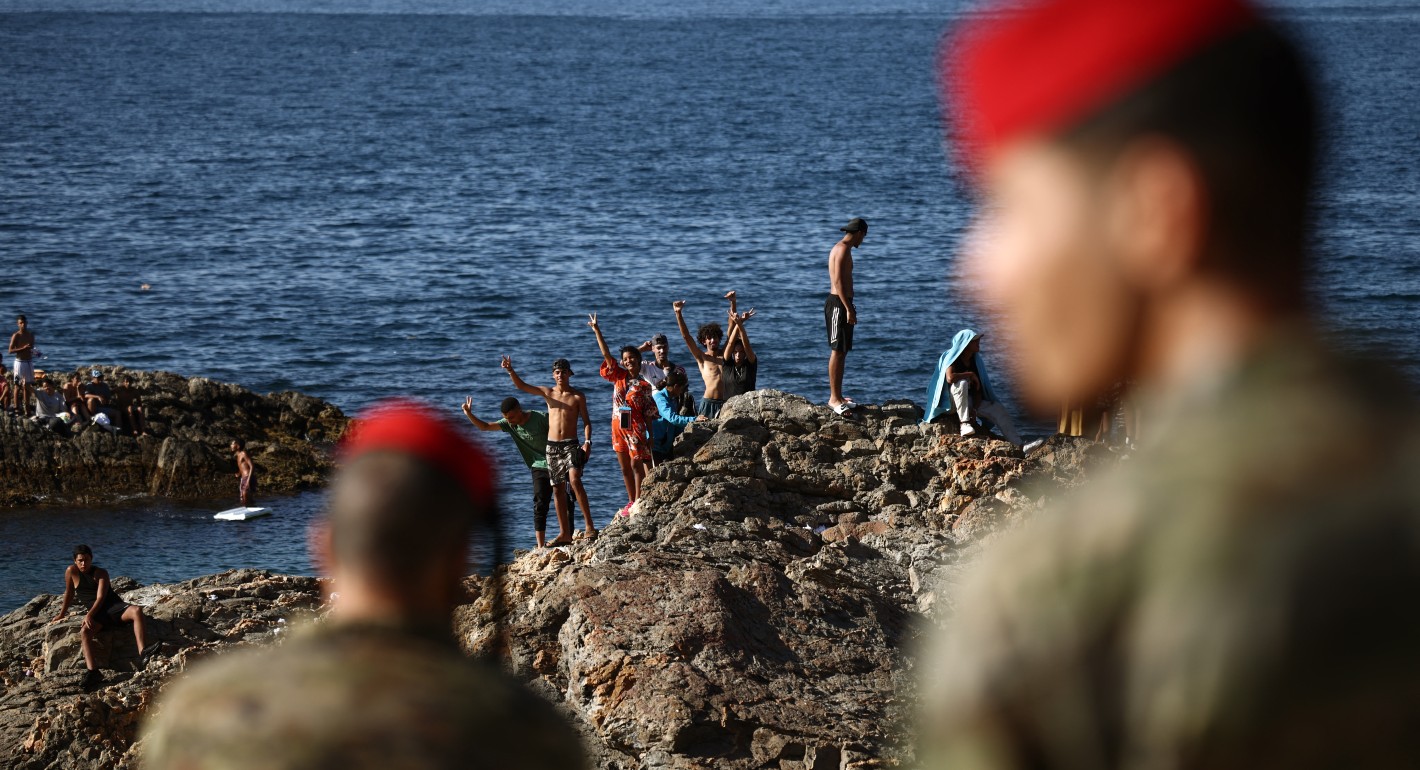
Most migrants may have left Ceuta, but the effects may linger.


Alejandro Martin Rodriguez, Sarah Yerkes
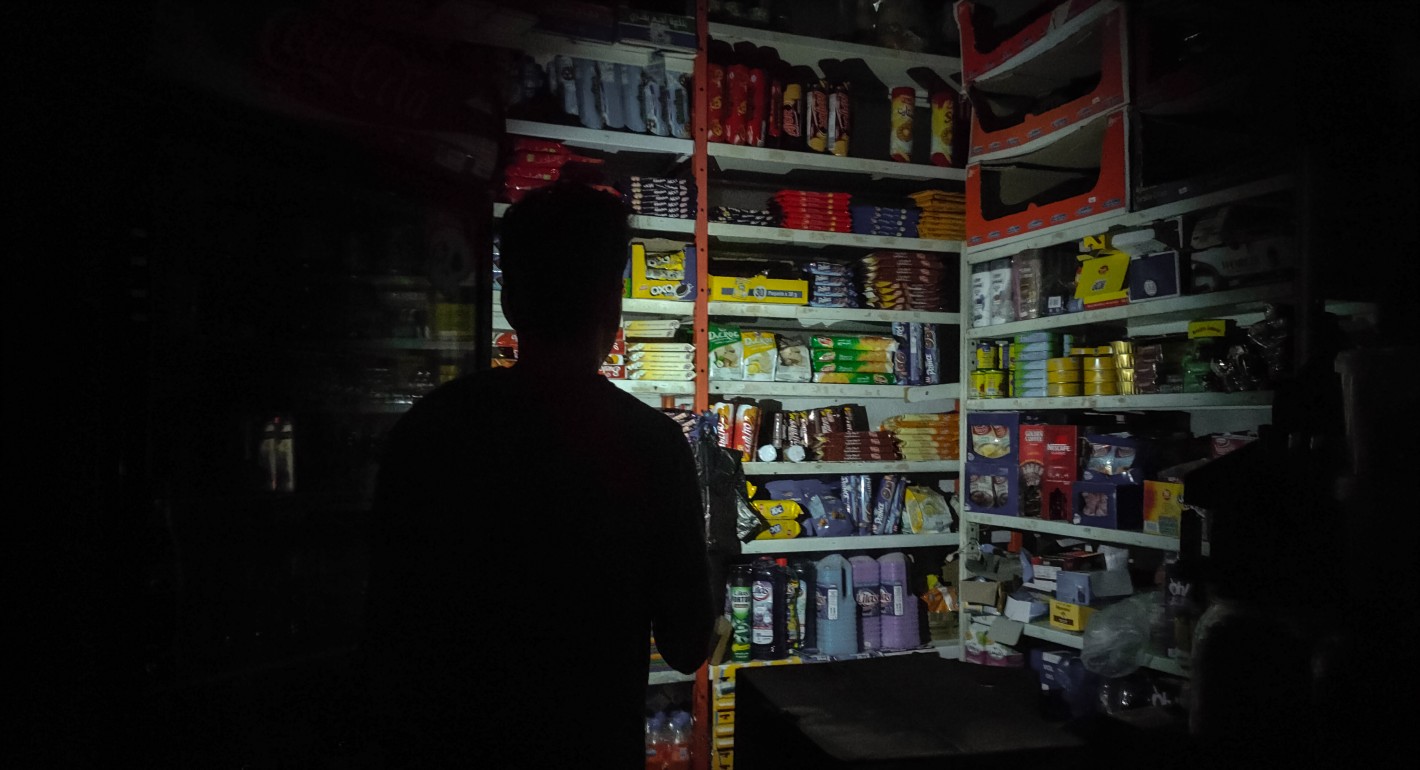
Saied’s main accomplishment has been to destroy a decade’s worth of democratic progress.
Sarah Yerkes
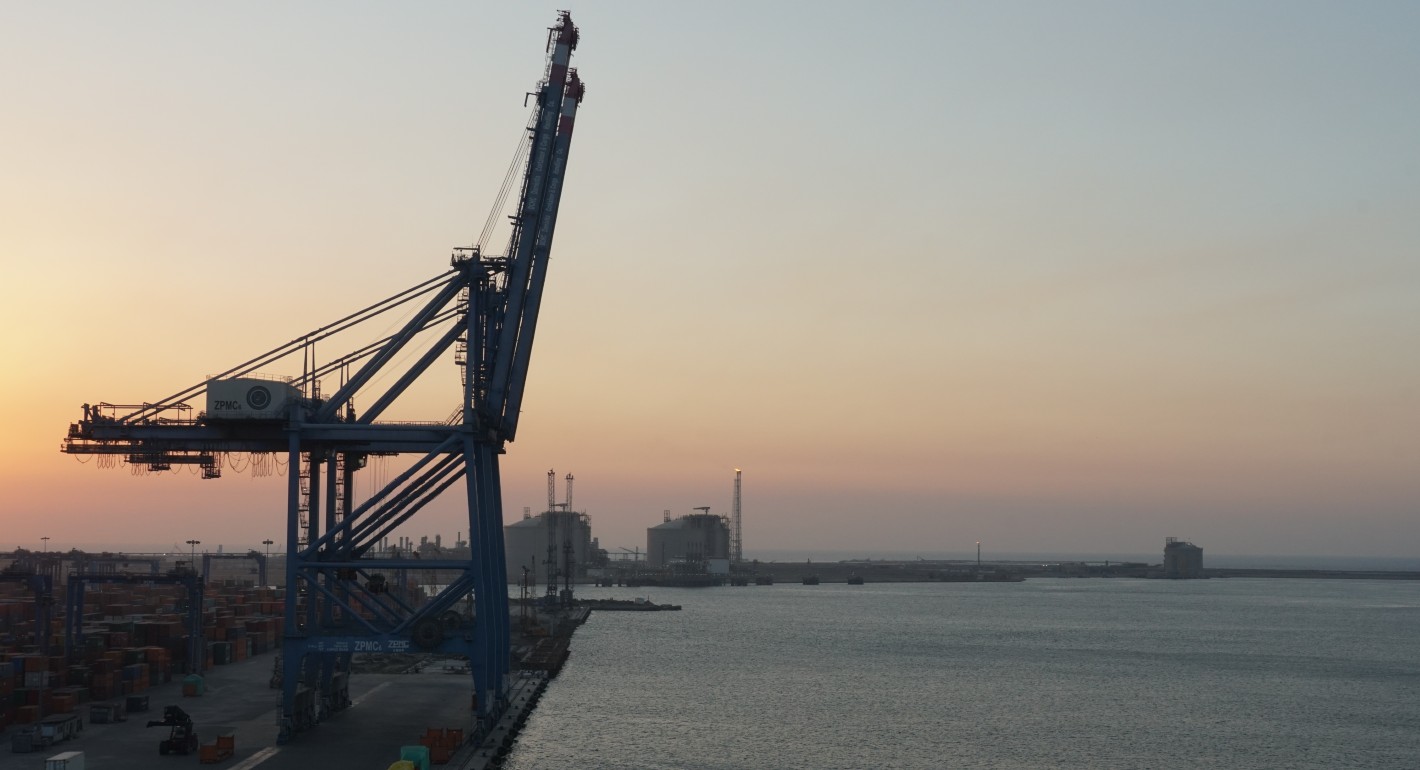
The targeting of Damietta Port appears to be more than a mere security message.

Amr Hamzawy
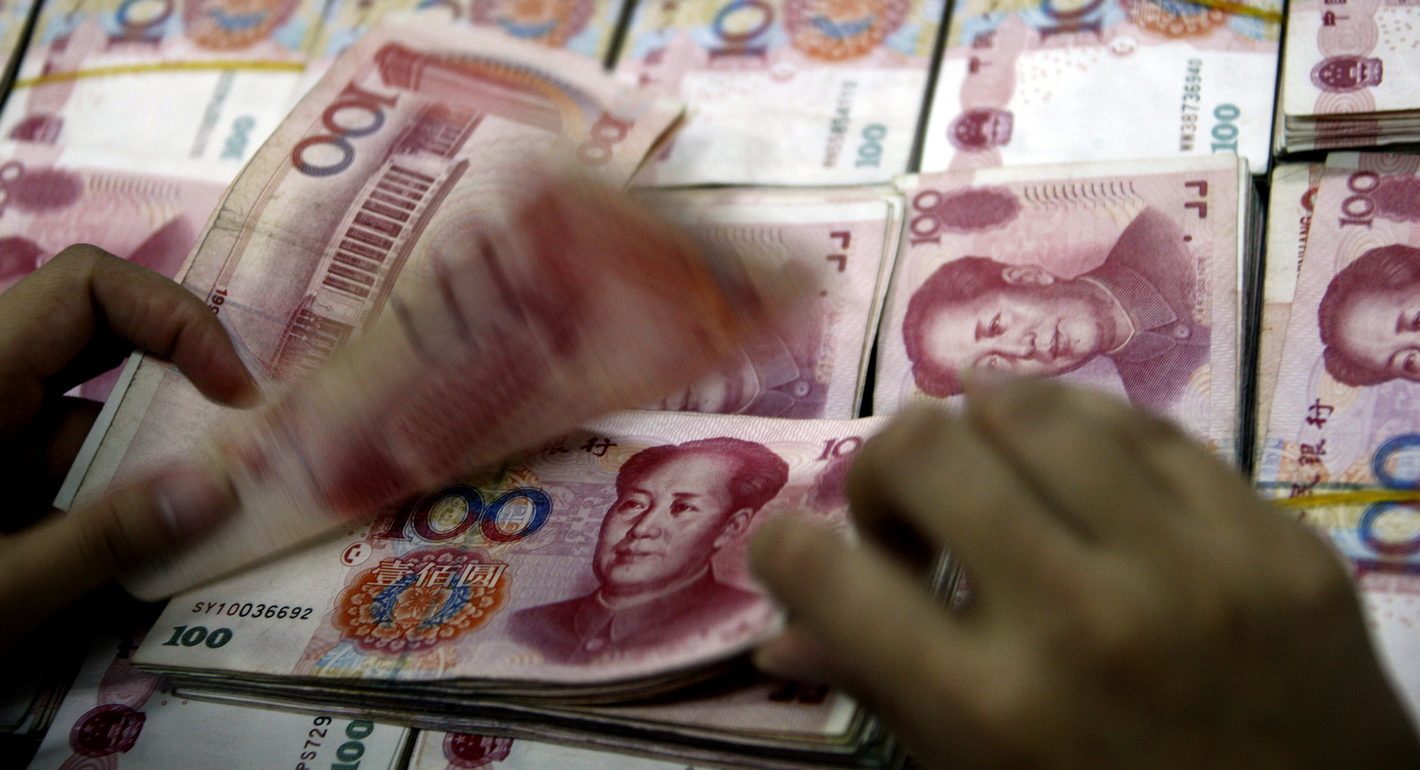
Is the Gulf moving beyond the dollar? This article examines how China is expanding the renminbi's role across Gulf markets, what that means for regional finance, and why the future of global currencies is more complex than the de-dollarization debate suggests.
Andrew Bonney