

Q&A
Eugene Rumer
{
  "authors": [
    "Eugene Rumer"
  ],
  "type": "legacyinthemedia",
  "centerAffiliationAll": "dc",
  "centers": [
    "Carnegie Endowment for International Peace"
  ],
  "collections": [],
  "englishNewsletterAll": "ctw",
  "nonEnglishNewsletterAll": "",
  "primaryCenter": "Carnegie Endowment for International Peace",
  "programAffiliation": "russia",
  "programs": [
    "Russia and Eurasia"
  ],
  "projects": [],
  "regions": [
    "North America",
    "United States",
    "East Asia",
    "China",
    "Russia",
    "Eastern Europe",
    "Ukraine"
  ],
  "topics": [
    "Security",
    "Foreign Policy"
  ]
}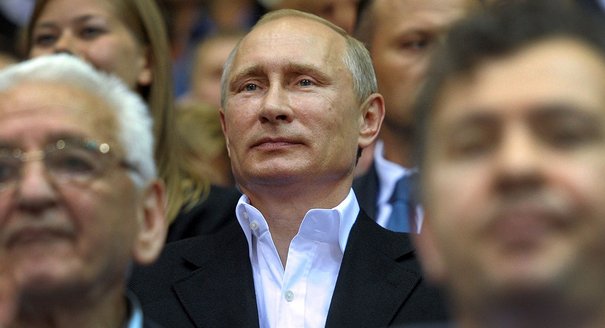
Source: Getty
The West’s policy of imposing sanctions on Russia and sending weapons to Kyiv will not cause the Kremlin to change its course on Ukraine.
Source: Bloomberg TV
Speaking on Bloomberg’s Trish Regan on “Street Smart”, Carnegie’s Eugene Rumer argued that neither sanctions nor weapons will force Russia to change its current policy on Ukraine. The Ukraine crisis is an existential issue for the Kremlin and it is willing to escalate if necessary.
President Vladimir Putin’s ultimate goal is to bring Ukraine back into the orbit as part of the constellation of Russian satellites. He may be able to win militarily, but it will be politically challenging for him to force the government in Kyiv to follow in Russia’s footsteps, Rumer explained.By further developing its relationship with China, Russia is trying to show the world that it is not isolated, he added. However, in this relationship of mutual convenience, China cannot replace Russian access to Western financial markets or Western technology. China also has more at stake with the United States than Russia. For this reason, the Chinese will not blindly follow in President Putin’s footsteps, Rumer warned.
Washington can play up some of the weaknesses in the Russia-China relationship and focus on revitalizing NATO, Rumer concluded. These steps will convince President Putin that his current policy will not leave Russia better off in the long run.
Director and Senior Fellow, Russia and Eurasia Program
Rumer, a former national intelligence officer for Russia and Eurasia at the U.S. National Intelligence Council, is a senior fellow and the director of Carnegie’s Russia and Eurasia Program.
Recent Work
Eugene Rumer
Eugene Rumer
Carnegie does not take institutional positions on public policy issues; the views represented herein are those of the author(s) and do not necessarily reflect the views of Carnegie, its staff, or its trustees.
Ultimately, Zelensky sided neither with the reform camp nor with the military establishment as such, but with political control.

Balázs Jarábik
Despite the agreement’s uncertainty, it’s still a significant development in regional and nuclear policy.


Andrew Leber, Jane Darby Menton
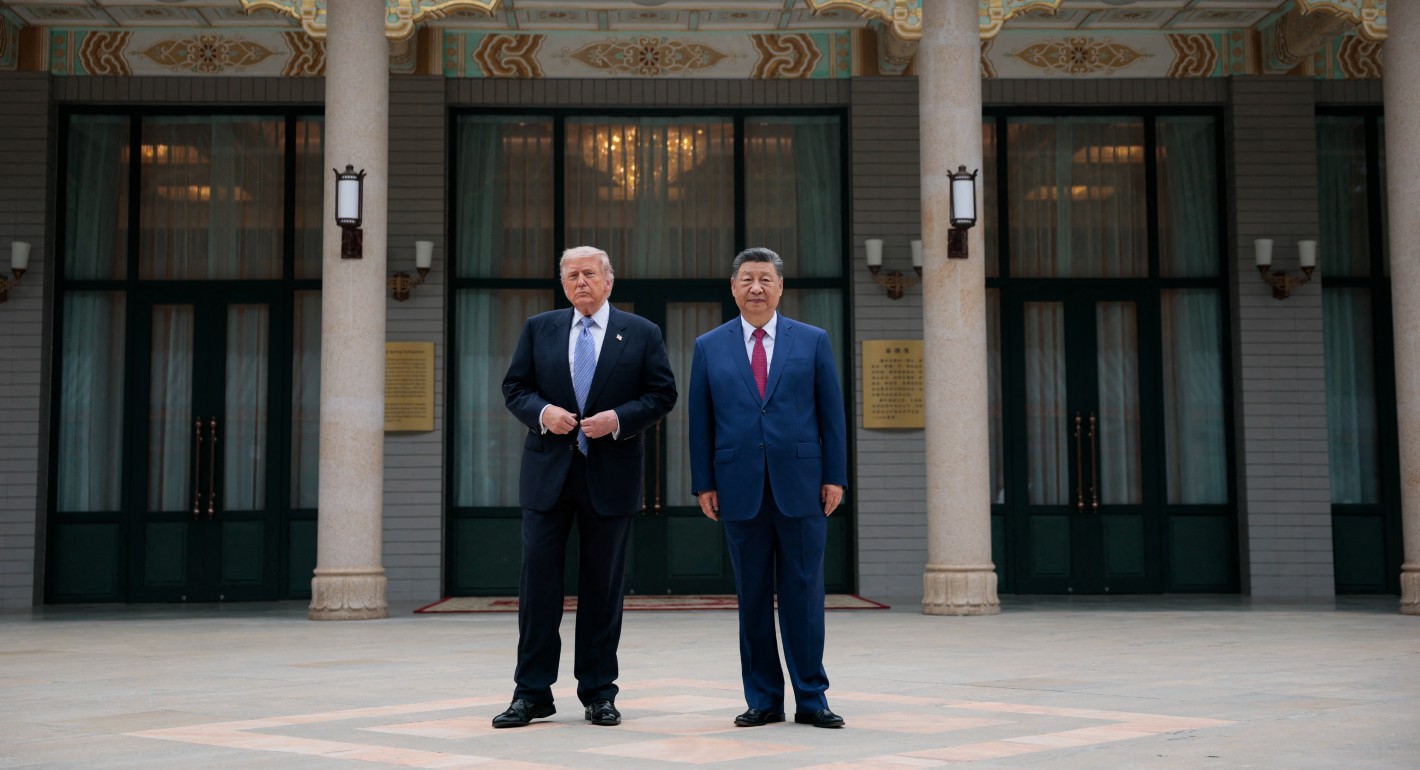
“AI safety in parallel” is modest and pragmatic but vital.

Matt Sheehan

Trump is distracted and Ukraine wants Europe to step up. The continent’s leaders must find their voice and assert it in talks with Russia.

Alissa de Carbonnel
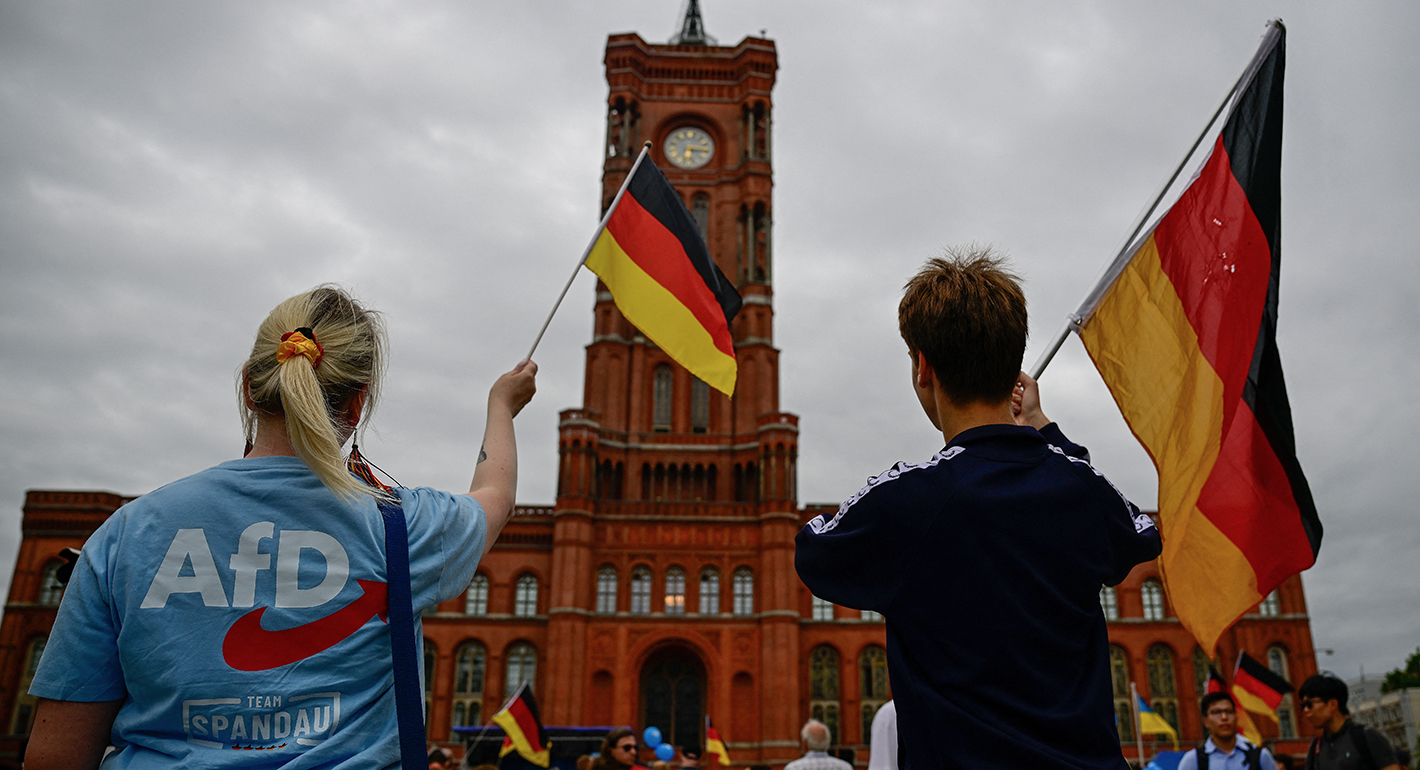
Unresolved tensions within the AfD may ultimately constrain the its potential as a leader among European and global populist forces.
Jeremy Cliffe