

Paper
George Perkovich
{
  "authors": [
    "George Perkovich"
  ],
  "type": "legacyinthemedia",
  "centerAffiliationAll": "dc",
  "centers": [
    "Carnegie Endowment for International Peace",
    "Malcolm H. Kerr Carnegie Middle East Center"
  ],
  "collections": [
    "Iranian Proliferation",
    "U.S. Nuclear Policy"
  ],
  "englishNewsletterAll": "ctw",
  "nonEnglishNewsletterAll": "",
  "primaryCenter": "Carnegie Endowment for International Peace",
  "programAffiliation": "NPP",
  "programs": [
    "Nuclear Policy"
  ],
  "projects": [],
  "regions": [
    "North America",
    "United States",
    "Middle East",
    "Iran"
  ],
  "topics": [
    "Political Reform",
    "Nuclear Policy",
    "Arms Control"
  ]
}
Source: Getty
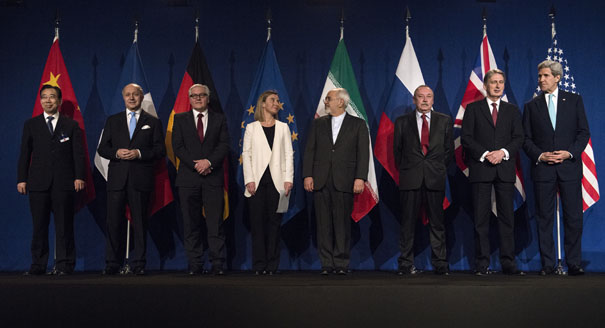
Negotiators in Switzerland announced a “tentative agreement” to limit Iran’s nuclear program and Federica Mogherini, European Union’s High Representative for Foreign Affairs, said EU sanctions against Iran will end.
Source: KCRW’s To the Point
After failing to meet Tuesday’s deadline, negotiators in Switzerland today announced a “tentative agreement” to limit Iran’s nuclear program. Federica Mogherini , European Union’s High Representative for Foreign Affairs, said EU sanctions against Iran will end. Speaking to KCRW’s To The Point, Carnegie’s George Perkovich said that more clarity is needed on the role of the IAEA and what criteria it will assess in saying Iran has taken all key nuclear-related steps.
Perkovich added that he hopes that the framework agreement will be perceived as a draw by both sides as there are a lot of details yet to be worked out. Perkovich argued that there are now broad principles and they will only stick if the details are worked out. As for critics of the deal, Perkovich said, “I don’t know how members of Congress can say it’s a bad deal based on this information.” Perkovich urged critics to wait until June 30 to judge the deal. “Ultimately I don’t think Congress wants to be held responsible for the collapse of the deal,“ he concluded.

Japan Chair for a World Without Nuclear Weapons, Senior Fellow
George Perkovich is the Japan Chair for a World Without Nuclear Weapons and a senior fellow in the Carnegie Endowment for International Peace’s Nuclear Policy Program. He works primarily on nuclear deterrence, nonproliferation, and disarmament issues, and is leading a study on nuclear signaling in the 21st century.
Recent Work
George Perkovich
George Perkovich
Carnegie does not take institutional positions on public policy issues; the views represented herein are those of the author(s) and do not necessarily reflect the views of Carnegie, its staff, or its trustees.

Two divergent trends—Putin’s hardline vision of how to prosecute the war in Ukraine, and a growing desire for change in Russia—could tear the regime apart.

Tatiana Stanovaya
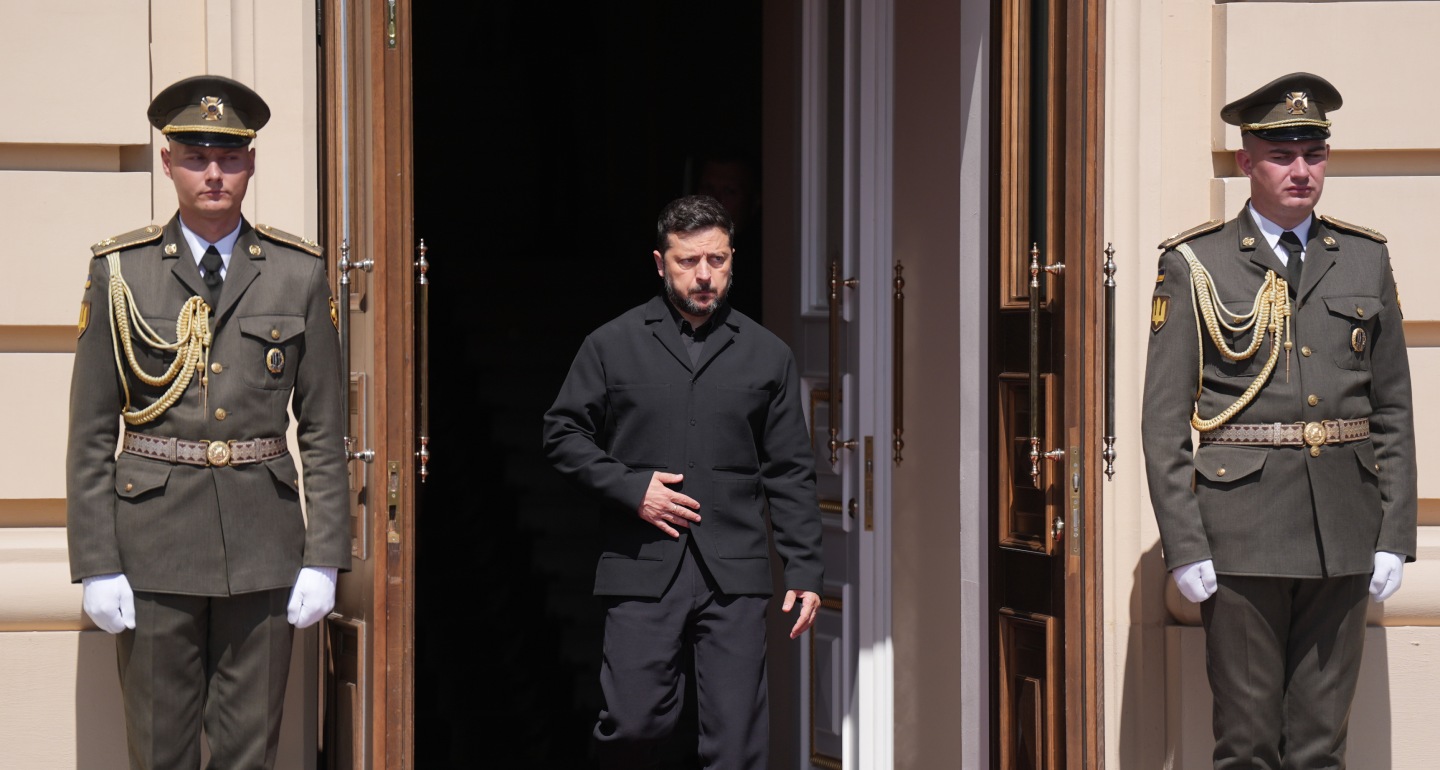
Ultimately, Zelensky sided neither with the reform camp nor with the military establishment as such, but with political control.

Balázs Jarábik
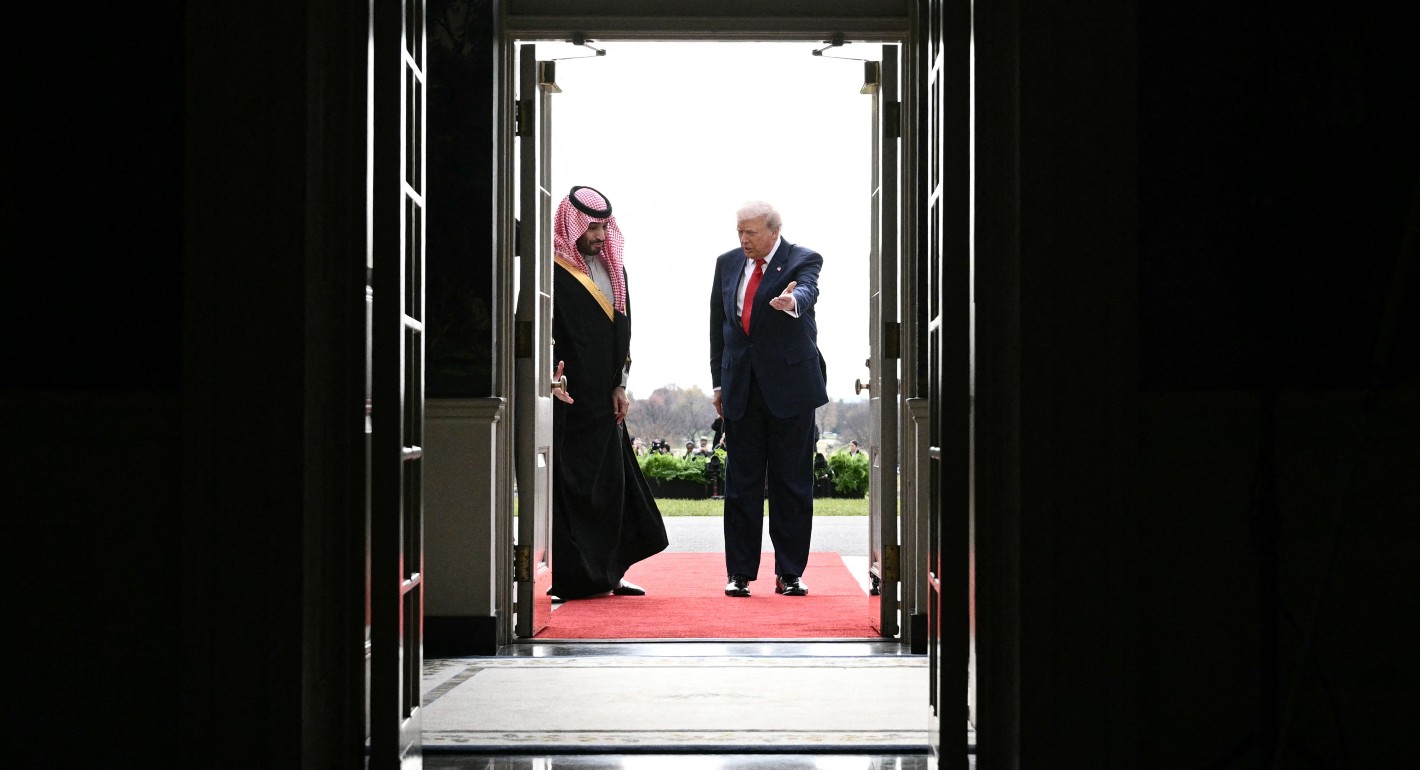
Despite the agreement’s uncertainty, it’s still a significant development in regional and nuclear policy.


Andrew Leber, Jane Darby Menton
“AI safety in parallel” is modest and pragmatic but vital.

Matt Sheehan

Trump is distracted and Ukraine wants Europe to step up. The continent’s leaders must find their voice and assert it in talks with Russia.

Alissa de Carbonnel