

Other
- +18
James M. Acton, Saskia Brechenmacher, Cecily Brewer, …
{
  "authors": [
    "James M. Acton"
  ],
  "type": "legacyinthemedia",
  "centerAffiliationAll": "dc",
  "centers": [
    "Carnegie Endowment for International Peace",
    "Malcolm H. Kerr Carnegie Middle East Center"
  ],
  "collections": [
    "Iranian Proliferation"
  ],
  "englishNewsletterAll": "ctw",
  "nonEnglishNewsletterAll": "",
  "primaryCenter": "Carnegie Endowment for International Peace",
  "programAffiliation": "NPP",
  "programs": [
    "Nuclear Policy"
  ],
  "projects": [],
  "regions": [
    "Middle East",
    "Iran",
    "Western Europe",
    "United Kingdom"
  ],
  "topics": [
    "Political Reform",
    "Nuclear Policy"
  ]
}
Source: Getty
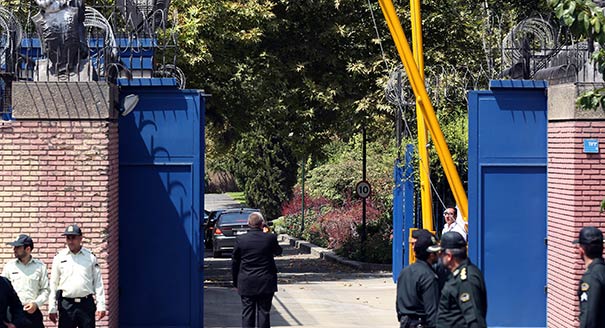
Four years after closing, the United Kingdom is reopening its embassy in Tehran.
Source: MSNBC
Speaking on MSNBC, Carnegie’s James M. Acton discussed the reopening of the British embassy in Tehran and some of the concerns about the nuclear deal with Iran. He pointed out that the IAEA has confidential agreements with all countries that have signed the Treaty of Non-Proliferation of Nuclear Weapons, and Iran is not an exception in this regard.
Acton also stated that the Associated Press, which originally reported the story on “self inspection” by Iran last week, only got a draft of the agreement, not the final version. Acton concluded that no one knows what the final agreement contains.

Jessica T. Mathews Chair, Co-director, Nuclear Policy Program
Acton holds the Jessica T. Mathews Chair and is co-director of the Nuclear Policy Program at the Carnegie Endowment for International Peace.
Recent Work


James M. Acton, Saskia Brechenmacher, Cecily Brewer, …
James M. Acton
Carnegie does not take institutional positions on public policy issues; the views represented herein are those of the author(s) and do not necessarily reflect the views of Carnegie, its staff, or its trustees.
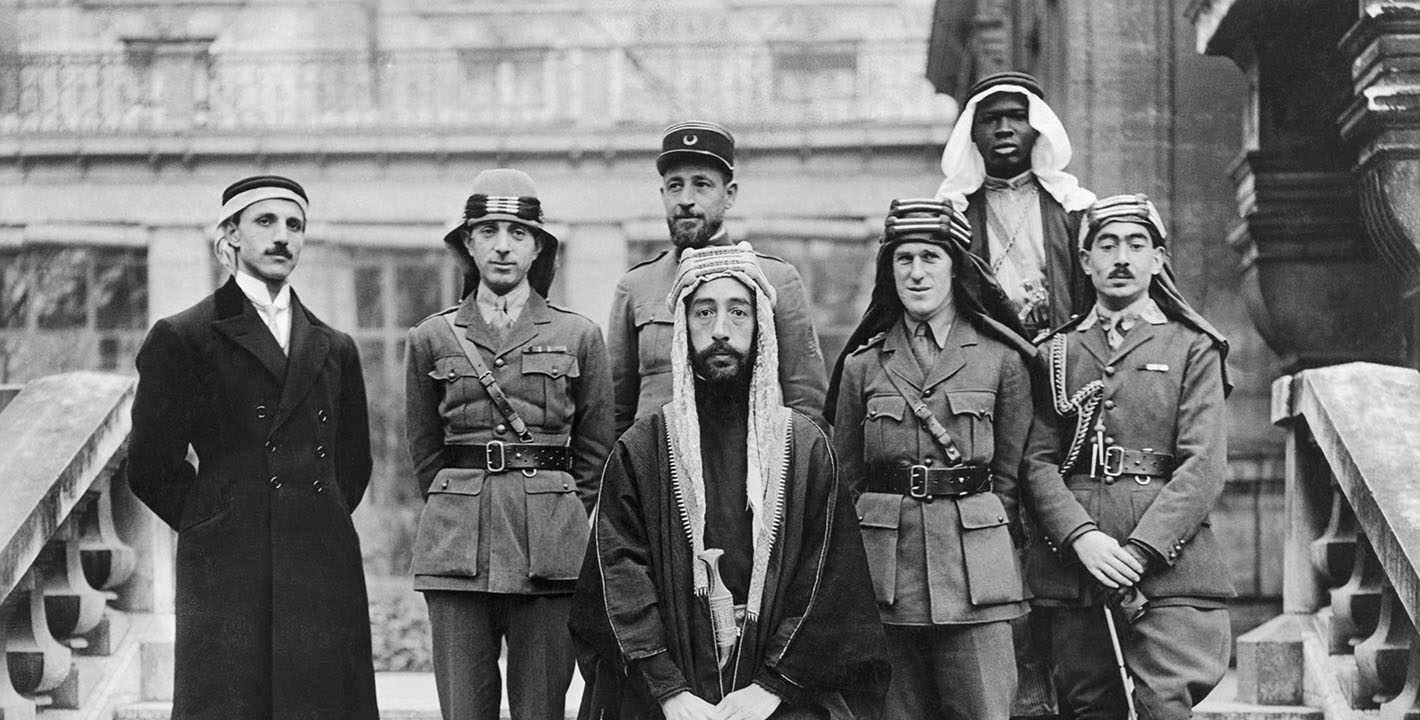
In an interview, Elizabeth Thompson recalls how the country formulated a liberal constitution in 1920, before being denied by France and Britain.

Michael Young

The EU’s new migration policy is not suited to today’s realities. With climate change increasingly becoming a driver of displacement, Europe needs to rethink its deterrence-focused approach.

Shana Tabak

Nuclear recycling has emerged as a salient, cross-cutting issue, one that is heavily dependent on broader choices among reactor designs, fuel availability, economic resources, technological options, and political choices. States and nuclear industries seeking to advance recycling must devote sustained consideration now to the interplay of all these factors.
Etienne Pochon

This will be the region’s most representative tournament, amid broad changes in its footballing landscape.

Issam Kayssi
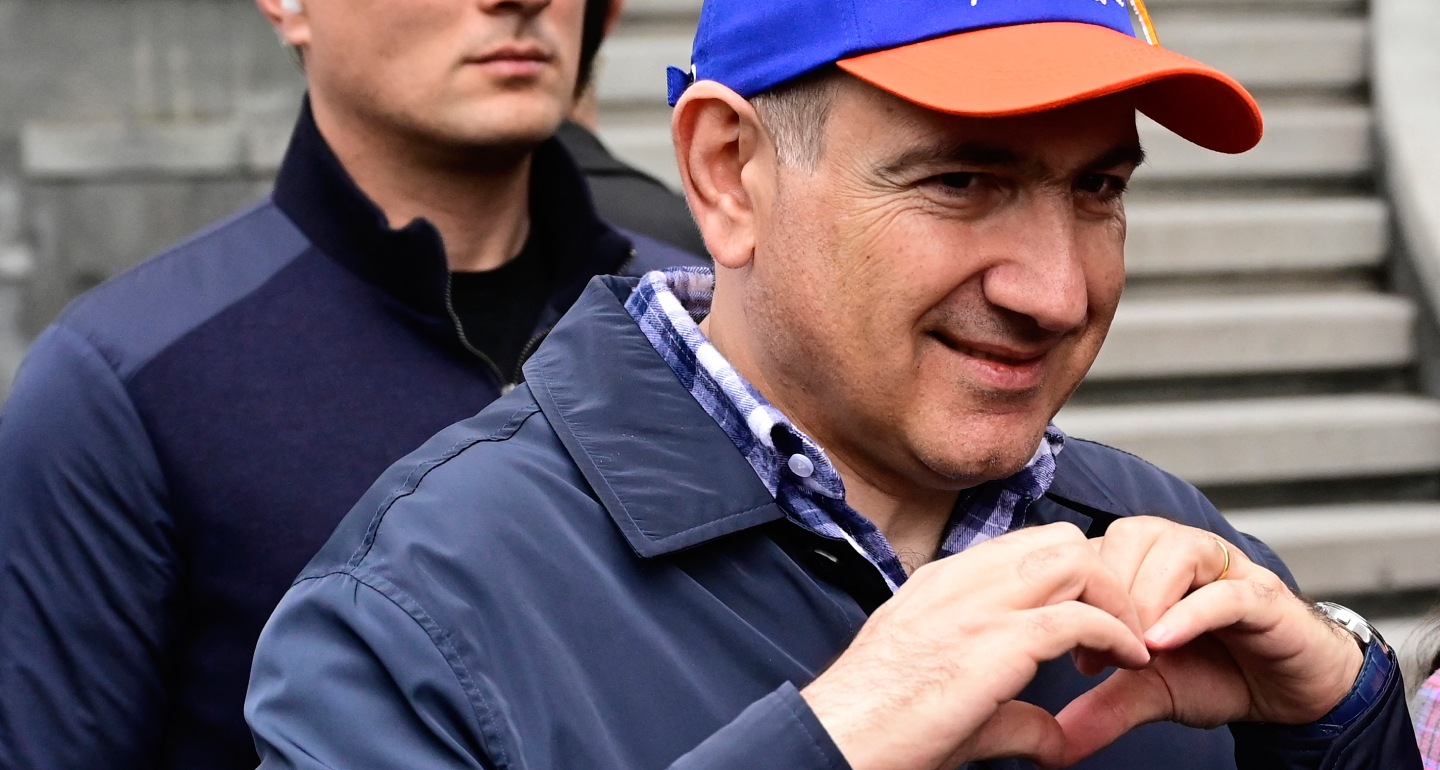
By fueling the arguments of both supporters and opponents of Armenian Prime Minister Nikol Pashinyan, Azerbaijan wants to ensure he is re-elected with a weaker mandate.

Bashir Kitachaev