

Commentary
Ensuring that cities’ perspectives shape international discussions at this year’s forums is not just equitable; it is likely to produce better outcomes.
Liliana Gamboa, Marissa Jordan
{
  "authors": [
    "Ukraine Reform Monitor Team"
  ],
  "type": "other",
  "centerAffiliationAll": "dc",
  "centers": [
    "Carnegie Endowment for International Peace",
    "Carnegie Europe"
  ],
  "collections": [
    "Europe’s Eastern Neighborhood",
    "Ukraine Reform Monitor"
  ],
  "englishNewsletterAll": "ctw",
  "nonEnglishNewsletterAll": "",
  "primaryCenter": "Carnegie Endowment for International Peace",
  "programAffiliation": "russia",
  "programs": [
    "Russia and Eurasia"
  ],
  "projects": [
    "Reforming Ukraine"
  ],
  "regions": [
    "Eastern Europe",
    "Ukraine",
    "Europe"
  ],
  "topics": [
    "Political Reform",
    "Economy",
    "Security",
    "Foreign Policy"
  ]
}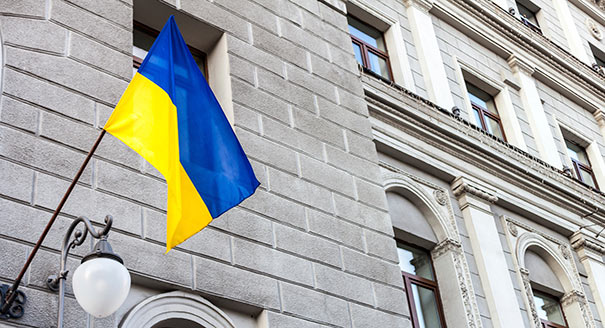
Source: Getty
The biggest challenges facing Ukraine are its long-standing, systemic failures—a corrupt government and a political system dominated by big business.
The Ukraine Reform Monitor provides independent, rigorous assessments of the extent and quality of reforms in Ukraine. The Carnegie Endowment has assembled an independent team of Ukraine-based scholars to analyze reforms in four key areas. This fourth memo covers the period from December 2015 to mid-February 2016. The monitor is supported in part by a grant from the Open Society Foundations.
In early 2016, the administration of Ukrainian President Petro Poroshenko suffered a series of major setbacks that threatened a new political crisis in Ukraine. The government failed to secure the necessary support in the parliament for a decentralization reform. This in turn raised new doubts about the feasibility of the Minsk process aimed at settling the conflict in eastern Ukraine and the prospects for peace there.
The country was rocked by several scandals involving corruption allegations against Poroshenko’s team and charges that the president was turning a blind eye to corruption. The government adopted the 2016 budget necessary for the IMF to deliver the next tranche of its financial assistance, but the aid was delayed pending resolution of the corruption scandals. The cabinet of Prime Minister Arseniy Yatsenyuk survived a parliamentary vote of no confidence on February 16, but two ruling coalition partners (Batkivshchyna or Fatherland and Samopomich or Self-Reliance) officially left the coalition. The trade portion of the EU-Ukraine Association Agreement, delayed at Russia’s insistence, entered into force on January 1.
The past several months have demonstrated that Ukraine’s challenges are increasingly domestic rather than external. The ceasefire in eastern Ukraine is largely holding despite frequent violations thanks to pressure from external actors. Although the unsettled conflict continues to exact a heavy toll on the country’s economy, politics, and social fabric, some of the biggest challenges facing Ukraine have been its long-standing, systemic failures—a corrupt government and a political system dominated by big business.
The Poroshenko administration’s perceived lack of commitment or ability to take decisive action against both corruption and the role of big business emerged as a major impediment to Ukraine’s further progress at home and relations with major partners abroad. A statement on February 3 by ten ambassadors to Ukraine, including those of the United States, the United Kingdom, and Canada, was a sign that Ukraine’s partners are disappointed with its progress. The statement was prompted by Abromavičius’s resignation and echoed his frustration with the government.
The IMF’s postponement of its next tranche of assistance was a blow both to Ukraine’s reformers and to its finances, as well as a reminder of past failed IMF programs. In another serious development reflecting Europe’s frustration with Ukraine’s slow progress, Danish officials warned that in the event of Kyiv’s failure to implement its portion of the Minsk accords, the EU would not maintain the sanctions it imposed on Russia following Moscow’s March 2014 annexation of Crimea.
Although Prime Minister Yatsenyuk and his cabinet have survived a no-confidence vote, Ukraine appears to be heading for more turbulence in 2016. Failure to adopt constitutional changes required of Kyiv by the Minsk accords runs the risk of handing a political victory to Russia, making it possible for Moscow to shift the blame for the conflict onto Ukraine.
At the same time, by pushing for these constitutional changes, the Poroshenko administration risks becoming vulnerable to attacks from the nationalist wing of the political spectrum and seeing its parliamentary coalition collapse, leading to an early parliamentary election. Because two partners have left the coalition, the government does not have a parliamentary majority. It also suffers from strains caused by allegations of corruption and political and personal rivalries. These tensions may result in a new parliamentary election, a cabinet reshuffle, or simply more political maneuvering. Any of these outcomes would be an unwelcome distraction at a time when a strong coalition is essential for the government’s ability to function and proceed with reforms necessary to restore the confidence of the Ukrainian population and the international community.
Ukraine Reform Monitor Team
Carnegie does not take institutional positions on public policy issues; the views represented herein are those of the author(s) and do not necessarily reflect the views of Carnegie, its staff, or its trustees.

Ensuring that cities’ perspectives shape international discussions at this year’s forums is not just equitable; it is likely to produce better outcomes.


Liliana Gamboa, Marissa Jordan
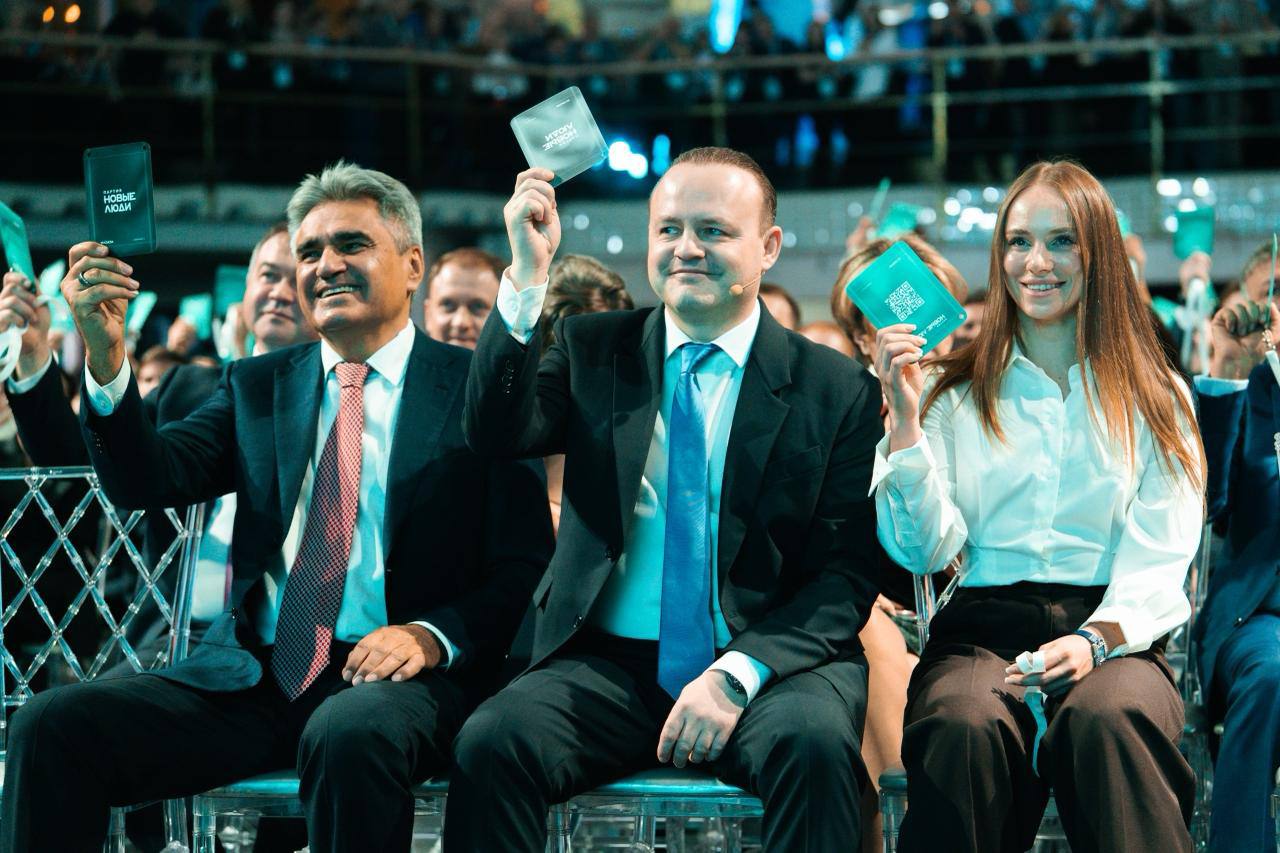
Anger over online restrictions has led to a surge in support for the New People party, which has replaced the Communists as Russia’s second most popular political party.

Andrey Pertsev
Debate is heating up on how Turkey could be integrated into a common European defense framework. Commercial and industrial deals offer a better chance at alignment than sweeping political efforts.

Marc Pierini

The India–EU Free Trade Agreement (FTA) is shaping up to be one of the most consequential trade negotiations, both economically and strategically. But, what’s in the agreement, what’s missing, and what will determine its success in the years ahead

Vrinda Sahai, Nicolas Köhler-Suzuki
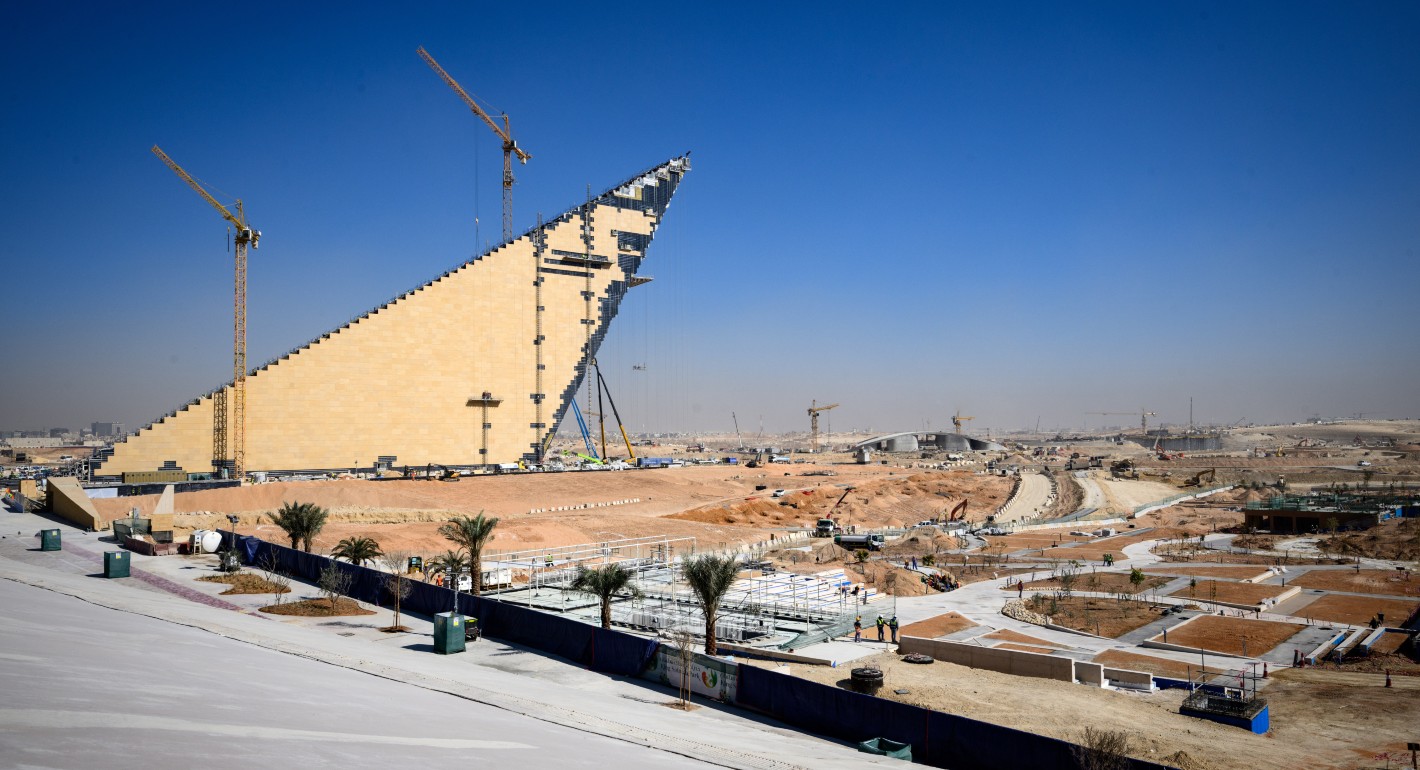
As the monarchy appears to question its grandest projects, the state could do with more critical debate than rote cheerleading.

Andrew Leber