

Research
A review of a detailed account of how antipathy toward Tehran has assumed a life and logic of its own in Washington, DC.
Jane Darby Menton
{
  "authors": [
    "Uri Dadush",
    "Karim El Aynaoui",
    "Karim El Mokri",
    "Rim Berahab"
  ],
  "type": "other",
  "centerAffiliationAll": "",
  "centers": [
    "Carnegie Endowment for International Peace",
    "Carnegie Europe"
  ],
  "collections": [
    "Arab Awakening"
  ],
  "englishNewsletterAll": "",
  "nonEnglishNewsletterAll": "",
  "primaryCenter": "Carnegie Endowment for International Peace",
  "programAffiliation": "",
  "programs": [],
  "projects": [],
  "regions": [
    "Middle East",
    "North Africa",
    "Western Europe",
    "Europe",
    "North America"
  ],
  "topics": [
    "Political Reform",
    "Economy",
    "Trade",
    "Security",
    "EU",
    "Foreign Policy"
  ]
}
Source: Getty
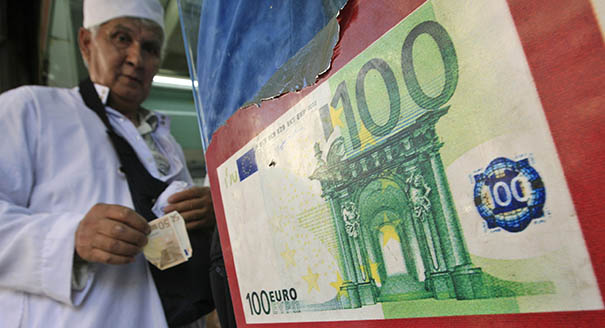
Dealing with the challenge of interdependence between the EU and the Arab World will not, on its own, solve the two regions’ growth dilemmas—but it will help.
Source: OCP Policy Center
The countries of Europe and those to the South surrounding the Mediterranean, as well as those further East in the Levant and stretching to the Arab Gulf, share a long history of commerce, punctuated by alternating periods of crisis and rapid development. Crisis best describes the last decade. In recent years, their economies have shared one salient feature: European and Arab countries have failed to meet the expectations of their citizens by a wide margin. Both regions have experienced lower growth than their peers over the last ten years. All of Europe has suffered from the global financial crisis, but the European countries of the South closest to the MENA region have seen unemployment soar, and some have experienced not just recession, but depression. Meanwhile, the MENA countries have seen the disappointment of their people turn into waves of turmoil and civil conflicts, contributing to even more economic hardship. The crises to the North and South of the Mediterranean have fed on each other, resulting in diminished trade and a sharp increase in migration pressures. Overcoming these difficulties will predominantly depend on domestic political and economic reforms in European and Arab countries. However, their ability to collaborate in dealing with these shared issues matters as well.
Reform programs must recognize the interdependence of the two regions, in terms of security, geopolitics, economics and energy, and aim to turn it into an asset rather than a source of recurrent instability. Even with their own problems, the United States, Japan, China, and the other great economic powers have clearly done a better job than the EU and the Arab world at mitigating the risks of instability and in exploiting the economic synergies with their developing periphery. To be clear, dealing with the challenge of interdependence between the EU and the Arab World will not, on its own, solve the two regions’ growth dilemmas—but it will help. From a Southern perspective, urgency is critical, not only because there is little sign that the turmoil and conflicts triggered by the Arab uprising are nearing an end, but also due to the collapse of oil prices. This collapse is creating unprecedented budget pressures across a wide swathe of the region – from Algeria to Saudi Arabia – which had escaped the worst of the turmoil. Moreover, the increasing reluctance of the United States to intervene in regional conflicts, following its failed intervention in Iraq and that of its European allies in Libya, leaves a dangerous vacuum. Russia’s intervention in Syria, its escalating tensions with Turkey, Turkey’s struggle against Kurdish insurgents, the spread of ISIS into Libya, Saudi Arabia’s intervention in Yemen, and the rivalry between Iran and Saudi Arabia make for an unstable mix.Currently, Europeans view these interconnected events mainly through the prism of the refugee crisis, yet arguably, European countries could be seeing only the tip of the iceberg. While in 2015 European countries have seen the inflow of some 1.3 million asylum seekers (less than 0.3% of the European population), it is estimated that about 7.6 million Syrians have been displaced, of whom 1.7 million are in Lebanon and 629,128 are in Jordan, representing respectively 23.6% and 8.3% of their respective populations. The stability of far more populous countries, such as Egypt, is also in question. Should Libya turn into a failed state, it would become a significant security threat to Europe. It would also make it even more difficult to regulate the flow of forced migrants and economic migrants from Sub-Saharan Africa...
This article was originally published by the OCP Policy Center.

Former Senior Associate, International Economics Program
Dadush was a senior associate at the Carnegie Endowment for International Peace. He focuses on trends in the global economy and is currently tracking developments in the eurozone crisis.

Karim El Aynaoui
Karim El Aynaoui is the President of the Policy Center for the New South, and Executive Vice-President of the Mohammed VI Polytechnic University and Dean of its Faculty of Governance, Economics and Social Sciences.
Karim El Mokri
Rim Berahab
Carnegie does not take institutional positions on public policy issues; the views represented herein are those of the author(s) and do not necessarily reflect the views of Carnegie, its staff, or its trustees.

A review of a detailed account of how antipathy toward Tehran has assumed a life and logic of its own in Washington, DC.

Jane Darby Menton
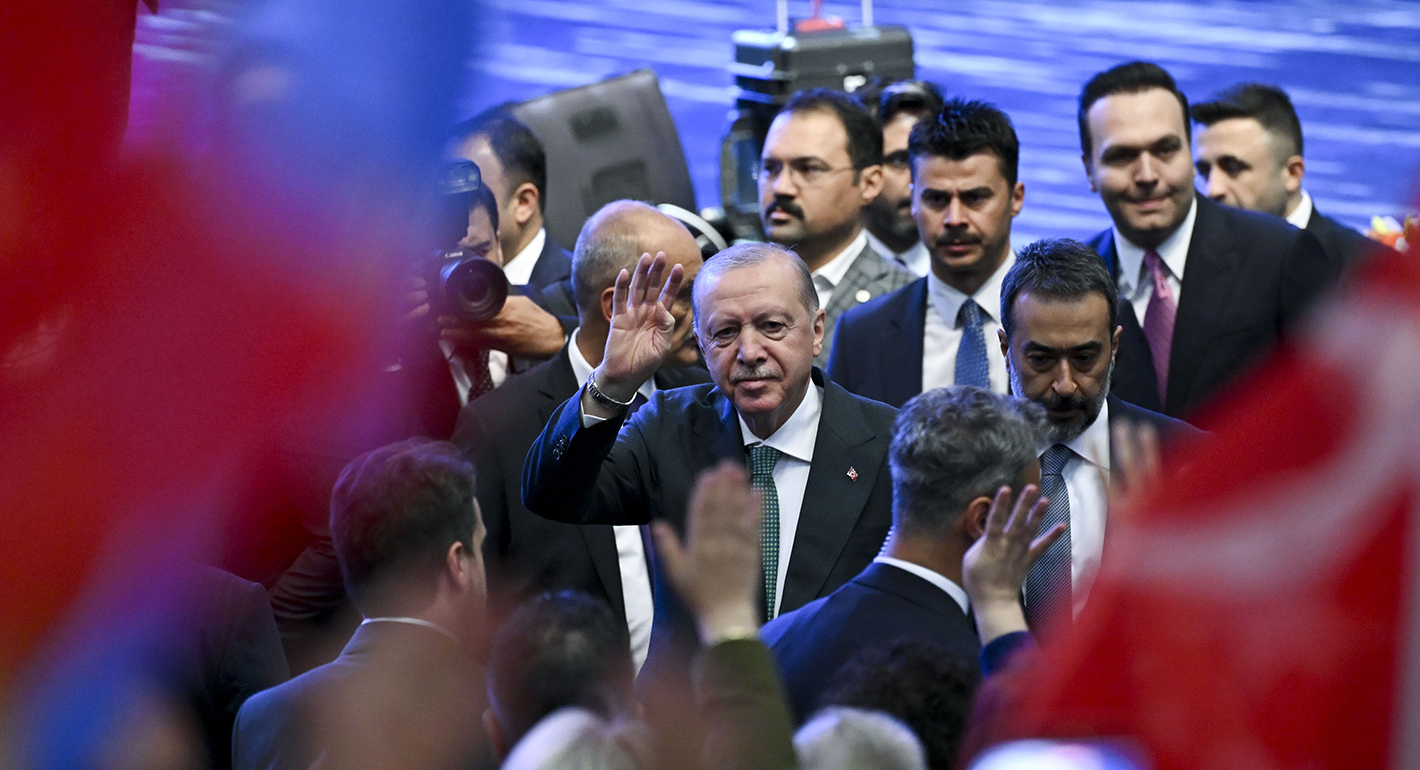
Turkish right-wing populists have been trying to advance the country’s middle-power goals based on perceptions of what the public wants, but they have been doing so in ways that reinforce their project of autocratic political consolidation.

Murat Somer

In Colombia and elsewhere in the region, the United States is trying to shape election outcomes—but at what cost?

Oliver Stuenkel, Adrian Feinberg
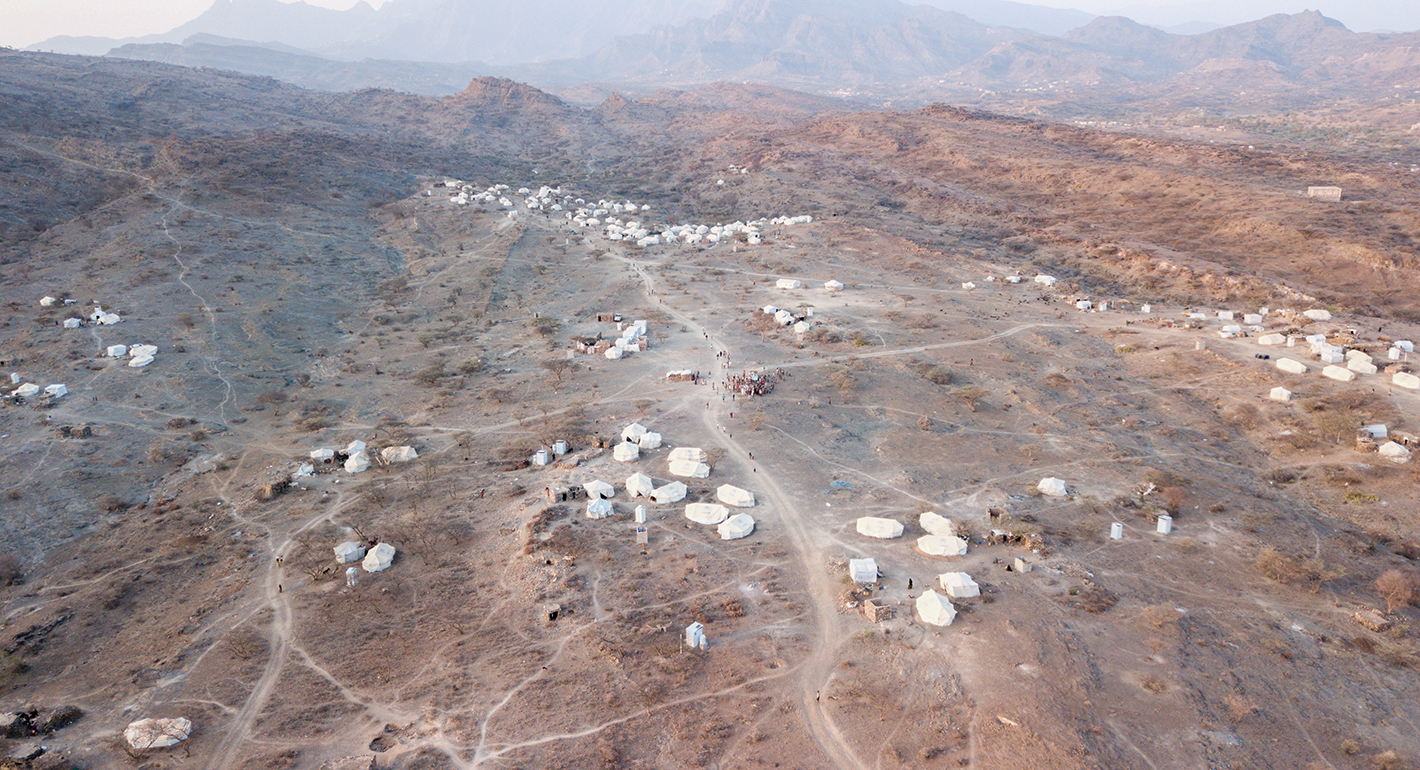
The world’s climate adaptation funds must adapt to address the ways that climate change is deepening state fragility.
Ray Salvatore Jennings, Paul Andrew Mayewski
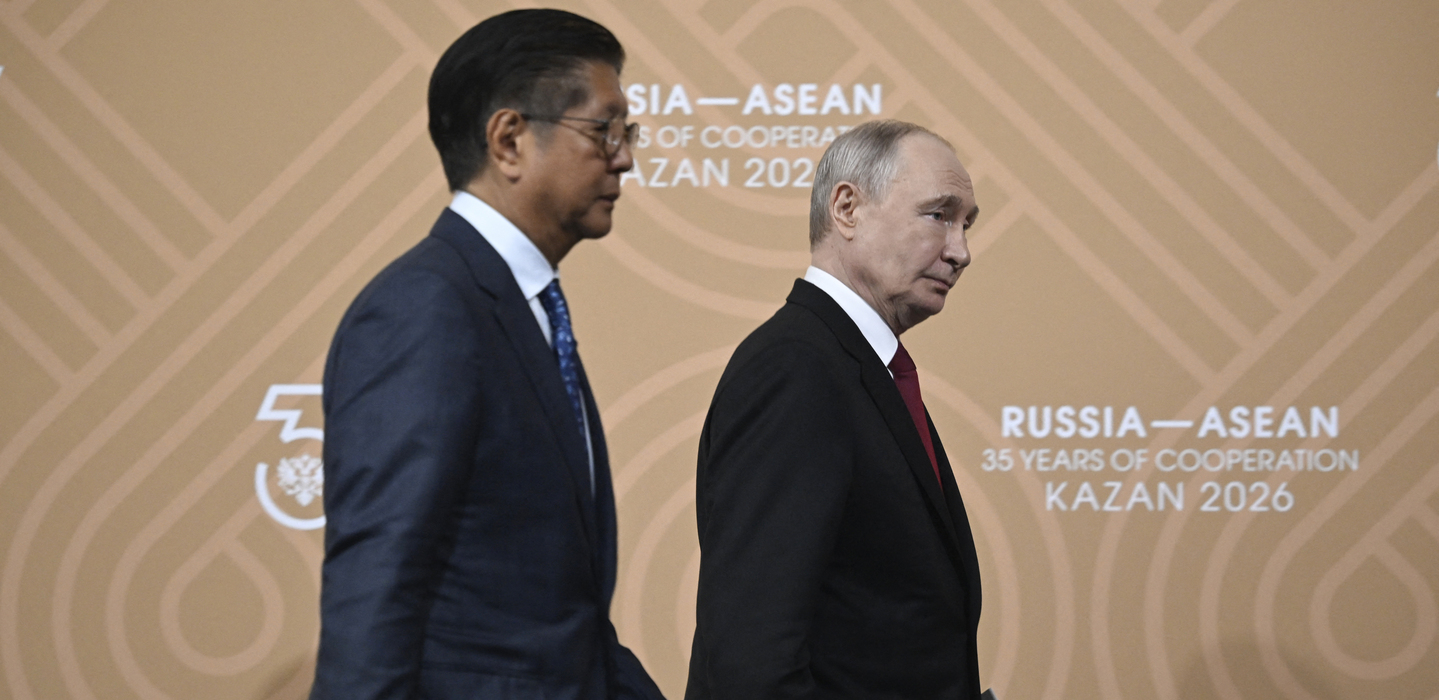
Russia looks set to reap economic benefits from closer ties with Southeast Asian countries that are keen to find reliable energy suppliers and diversify trade ties.

Alexander Gabuev