

Commentary
Evan A. Feigenbaum
{
  "authors": [
    "Evan A. Feigenbaum"
  ],
  "type": "legacyinthemedia",
  "centerAffiliationAll": "dc",
  "centers": [
    "Carnegie Endowment for International Peace"
  ],
  "collections": [],
  "englishNewsletterAll": "asia",
  "nonEnglishNewsletterAll": "",
  "primaryCenter": "Carnegie Endowment for International Peace",
  "programAffiliation": "AP",
  "programs": [
    "Asia"
  ],
  "projects": [],
  "regions": [
    "United States",
    "East Asia",
    "Southeast Asia"
  ],
  "topics": [
    "Economy",
    "Trade",
    "Security",
    "Foreign Policy"
  ]
}
Source: Getty
The Trans-Pacific Partnership is a necessary condition for the United States to establish a market-oriented and open regional economic order in the Asia-Pacific.
Source: CNBC
Speaking on CNBC, Carnegie’s Evan Feigenbaum explained that Asia can be viewed through two sets of analytical frameworks, which he described as Economic Asia and Security Asia. Historically, he said, the United States has played a very important role in both spheres. However, he argued that it is now likely that it will fade in the former, at least in relative terms, while continuing to play a very critical role in the latter.
In the future, he predicted it is very likely that Washington will continue to be Asia’s primary security provider, while the economic rules are set by Asians themselves. The Trans-Pacific Partnership is not just about improving opportunities for American businesses, Feigenbaum concluded; it is a necessary but by no means sufficient step for the United States to achieve a market-oriented and open regional economic order.

Vice President for Studies
Evan A. Feigenbaum is vice president for studies at the Carnegie Endowment for International Peace, where he oversees work at its offices in Washington, New Delhi, and Singapore on a dynamic region encompassing both East Asia and South Asia. He served twice as Deputy Assistant Secretary of State and advised two Secretaries of State and a former Treasury Secretary on Asia.
Recent Work
Evan A. Feigenbaum
Evan A. Feigenbaum
Carnegie does not take institutional positions on public policy issues; the views represented herein are those of the author(s) and do not necessarily reflect the views of Carnegie, its staff, or its trustees.
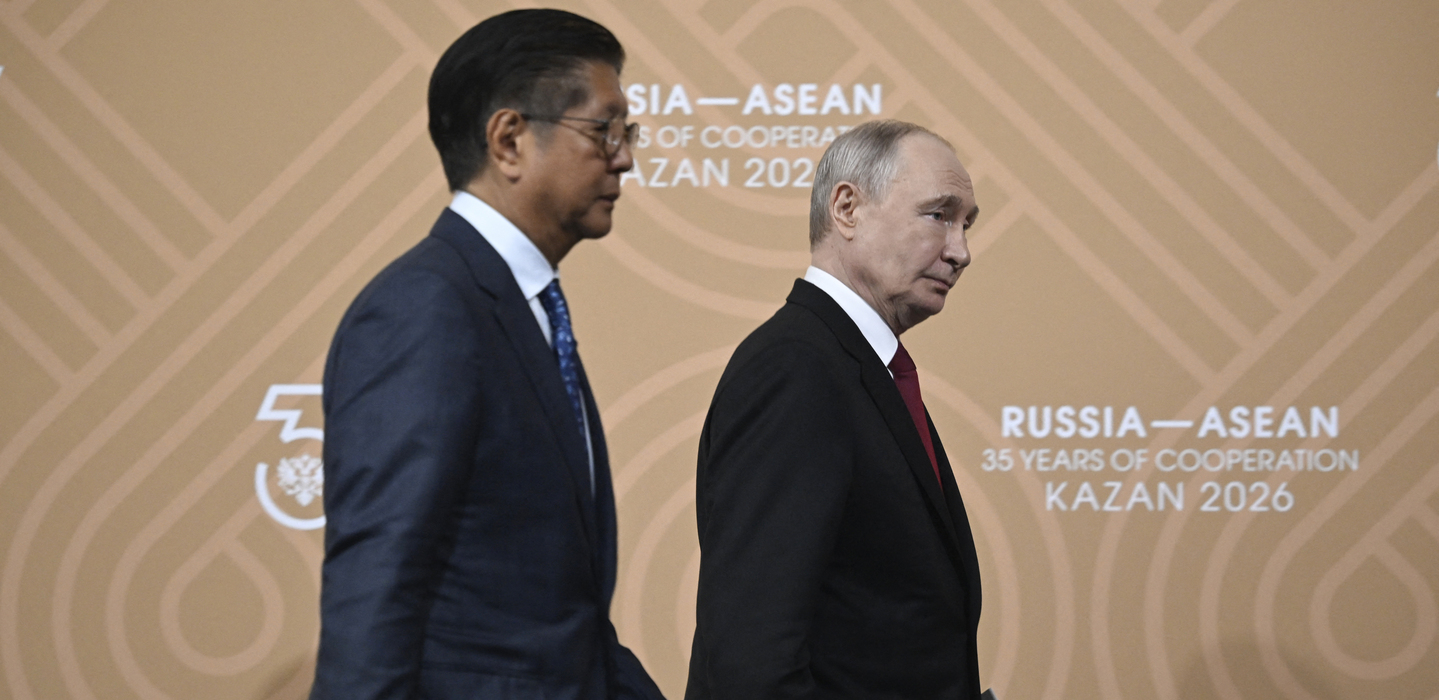
Russia looks set to reap economic benefits from closer ties with Southeast Asian countries that are keen to find reliable energy suppliers and diversify trade ties.

Alexander Gabuev

There is an elephant in the room when it comes to the EU’s upcoming security strategy: Donald Trump. Unless European leaders acknowledge the depth of the transatlantic crisis, true autonomy will remain out of reach.

Stefan Lehne
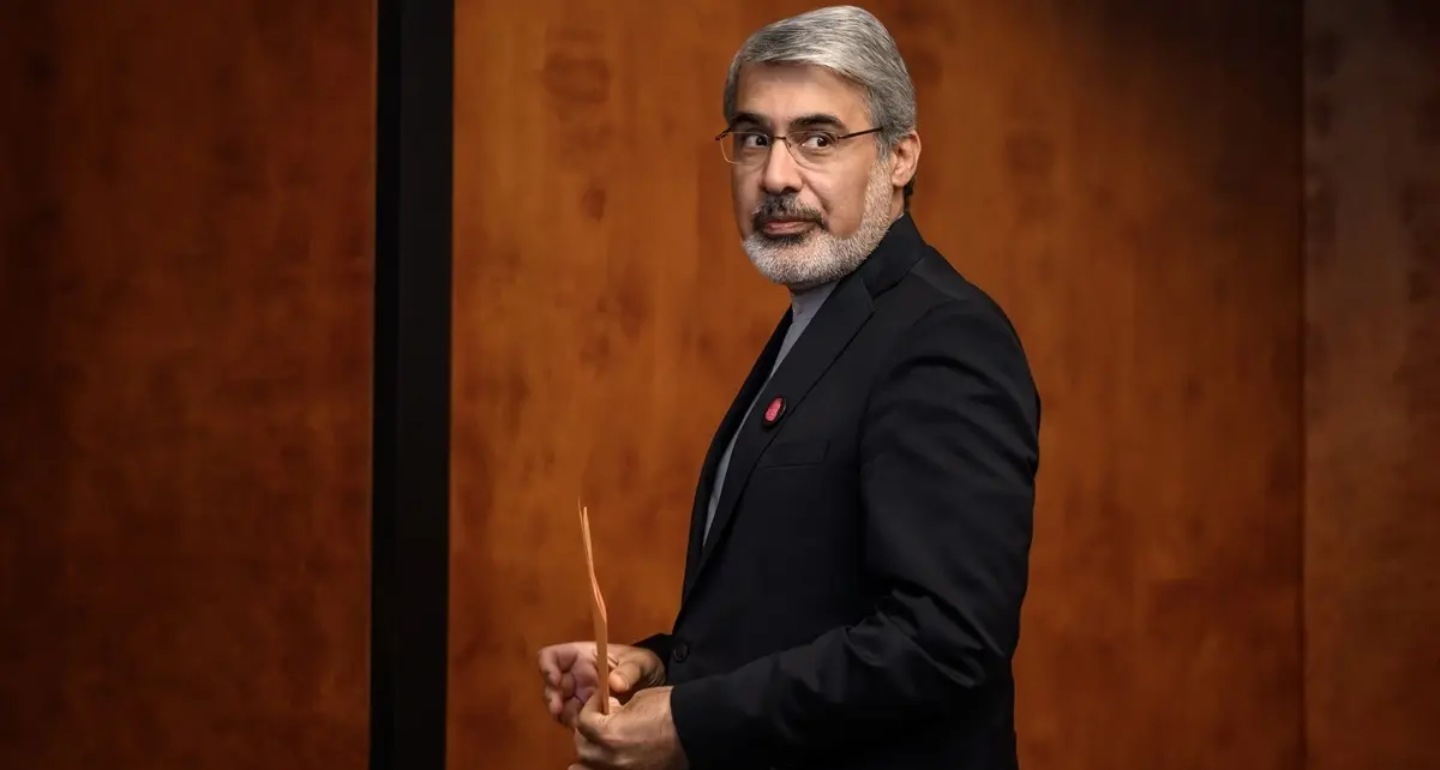
Ongoing uncertainty in the Middle East allows Moscow to both increase its influence in Tehran and continue to enjoy the financial windfall of higher oil prices.

Nikita Smagin

To carry out its global AI agenda, Washington will need strategic relationships with emerging markets in Africa, starting with Kenya.

Jane Munga

Europe’s industrial supply chains leave it vulnerable to global shocks. The EU needs a pragmatic green industrial strategy that balances durable partnerships and bolsters homegrown clean tech without sacrificing low-carbon ambition.


Milo McBride, Pauline Gerard