

Commentary
Despite unhappiness on the ground, Moscow is determined to use both carrot and stick to ensure there is record support for United Russia in occupied Ukraine.
Konstantin Skorkin
{
  "authors": [
    "Balázs Jarábik",
    "Iulian Groza",
    "Jana Kobzová",
    "Viktor Konstantynov",
    "Tsovinar Kuiumchian",
    "Leonid Litra",
    "Tornike Sharashenidze",
    "Isaac Webb"
  ],
  "type": "other",
  "centerAffiliationAll": "",
  "centers": [
    "Carnegie Endowment for International Peace",
    "Carnegie Europe"
  ],
  "collections": [
    "Europe’s Eastern Neighborhood"
  ],
  "englishNewsletterAll": "",
  "nonEnglishNewsletterAll": "",
  "primaryCenter": "Carnegie Endowment for International Peace",
  "programAffiliation": "",
  "programs": [],
  "projects": [
    "Reforming Ukraine"
  ],
  "regions": [
    "Caucasus",
    "Georgia",
    "Eastern Europe",
    "Ukraine",
    "Moldova",
    "Russia",
    "Europe"
  ],
  "topics": [
    "Political Reform",
    "Foreign Policy"
  ]
}
Source: Getty
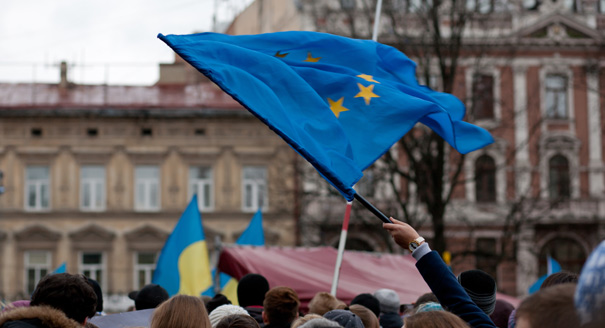
EU association deals with Ukraine, Georgia, and Moldova have proven to be key drivers of reform in all three countries. The emphasis should now be on implementation, not simply legislative adoption.
Source: European Parliament
Signing and ratifying Association Agreements with Georgia, Moldova, and Ukraine has proven to be an impressive affirmation of Brussels’ soft power. The EU’s overtures have persuaded elites and mobilised societies despite the fact that the Agreements come neither with a membership promise nor with the kind of financial assistance that has been given to the EU’s new member states.
EU assistance has been effective in restoring macro-financial stability in all three countries. While costs of compliance with the DCFTA were calculated, level of investment associated with the necessary modernisation to make these economies competitive were neglected. The discrepancy between costs and benefits should prompt the EU to be more flexible.
Brussels’ achievements remain fragile. Informal interests continue to play important roles in these countries and have the potential to thwart reforms. In the absence of strong, de-politicised institutions, the EU should work to support political consolidation—the alternative is further polarisation and political fragility—while at the same time insisting on adherence to democratic standards and strengthened institutional checks and balances.

Political analyst, former Slovak diplomat, and consultant specializing in Eastern Europe
Iulian Groza
Jana Kobzová
Viktor Konstantynov
Tsovinar Kuiumchian
Leonid Litra
Tornike Sharashenidze
Isaac Webb
Former Junior Fellow, Russia and Eurasia Program
Carnegie does not take institutional positions on public policy issues; the views represented herein are those of the author(s) and do not necessarily reflect the views of Carnegie, its staff, or its trustees.

Despite unhappiness on the ground, Moscow is determined to use both carrot and stick to ensure there is record support for United Russia in occupied Ukraine.

Konstantin Skorkin
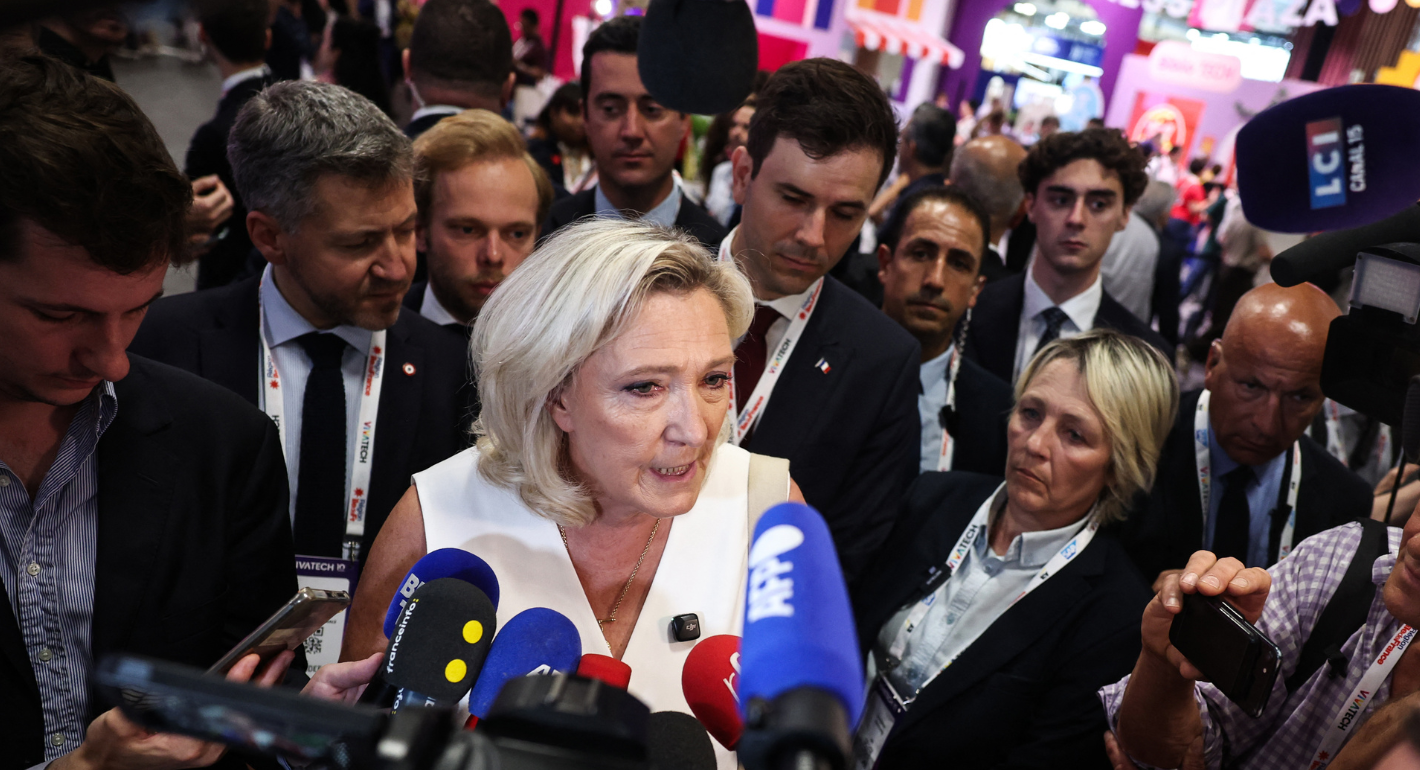
Far-right leader Marine Le Pen can—and will—run in France’s next presidential election. What does the outcome of her appeal against a 2025 embezzlement conviction mean for the country’s political future?

Catherine Fieschi

Despite Morocco’s hopes that its film industry would reap rewards, the blockbuster’s success will be tainted by controversy surrounding filming in occupied Western Sahara.

Sarah Yerkes
Helping to stabilize Haiti is in the United States’ national interest and can be done by making wise use of various foreign policy tools in addition to supporting international security forces.

Christopher Shell

Whether PAS can refocus on the unfinished business of state-building may ultimately prove more consequential for Moldova’s European future than the pace of its accession negotiations.
Balázs Jarábik