

Article
Thomas de Waal
{
  "authors": [
    "Thomas de Waal"
  ],
  "type": "legacyinthemedia",
  "centerAffiliationAll": "dc",
  "centers": [
    "Carnegie Endowment for International Peace",
    "Carnegie Europe"
  ],
  "collections": [
    "Europe’s Eastern Neighborhood"
  ],
  "englishNewsletterAll": "ctw",
  "nonEnglishNewsletterAll": "",
  "primaryCenter": "Carnegie Europe",
  "programAffiliation": "EP",
  "programs": [
    "Europe"
  ],
  "projects": [],
  "regions": [
    "Russia",
    "Europe",
    "Eastern Europe",
    "Caucasus",
    "Georgia",
    "Iran"
  ],
  "topics": [
    "Economy",
    "Trade",
    "Foreign Policy"
  ]
}
Source: Getty
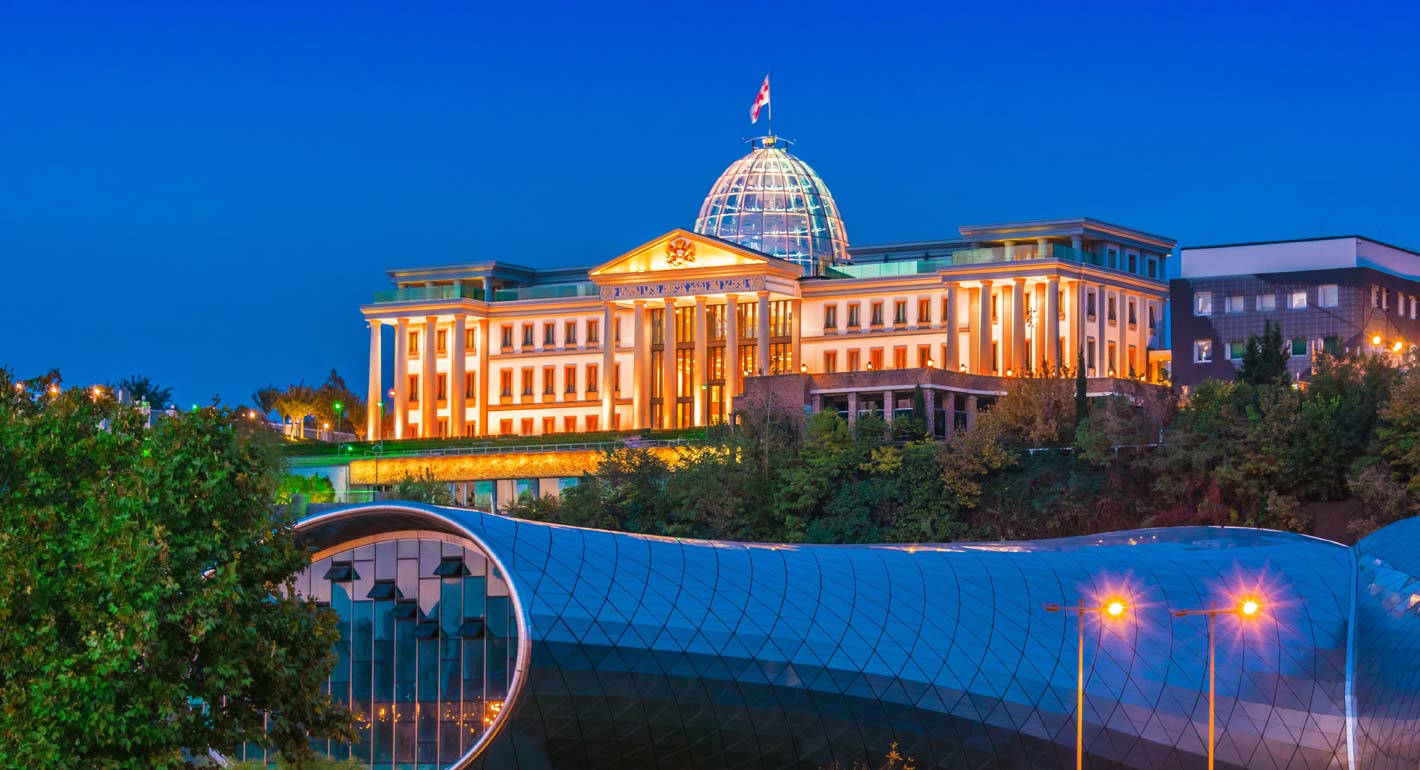
A major Georgian international project, Anaklia port, is being threatened by a domestic political row. Abuse of informal power is hurting Georgia, Moldova, and Ukraine.
Source: POLITICO Europe
There’s an enemy stalking the post-Soviet states of Eastern Europe — undermining governments, attacking the economy and sowing instability.
Russia? No. The greatest threat to countries like Georgia, Moldova and Ukraine lies in their own poor governance and abuse of informal power.
And while these weaknesses make them more vulnerable to their powerful eastern neighbor, the blame for their consequences ultimately lies at home.
To be sure, Russian military aggression poses a major threat to Ukraine. Its brazen seizure of three Ukrainian naval vessels and their crew in the Azov Sea last year is a prime example. But this type of open affront is the exception, not the rule.
Recent developments in Georgia provide a good example. U.S. bilateral military assistance — as well as the long-delayed sale of anti-tank Javelin missiles to Georgia — has slackened the country’s fear of Russian military aggression and reduced the urgency of its demands for NATO membership.
Indeed, relations between Russia and Georgia have greatly improved since diplomatic relations were cut off in the wake of the Five Day War in 2008, when Moscow lost direct influence inside Georgia and recognized the two breakaway territories of Abkhazia and South Ossetia.
These days, the biggest issue in Georgia isn’t threats from Moscow; it’s the political foul play that risks jeopardizing its biggest infrastructure project in years: a deep-water port at Anaklia on the Black Sea coast.
Slated to open in 2020, the project is intended to cement Georgia’s position as a valuable East-West transit route by allowing it to receive large container ships, and boost its road and rail traffic. The project has attracted international backers: The first phase, costing $600 million, is partly funded by a group of four international lenders, and the European Commission has pledged to help finance the second phase, including road and rail connections. SSA Marine of Seattle, a major U.S. port operator, is set to manage the terminal.
But its future looks decidedly uncertain.
The project is closely associated with former Prime Minister Giorgi Kvirikashvili, who resigned last year after falling out with Bidzina Ivanishvili, another former prime minister and the major backer of the ruling party Georgian Dream.
A recently launched money-laundering investigation into TBC, the bank in charge of the port project, is widely seen as being politically motivated — payback perhaps by Ivanishvili, who is still the power behind the throne of the new government. The former prime minister’s parochial interests, or those of his business friends, in the rival port of Poti may also be a factor. Last week, the government announced a new expansion project for Poti’s port.
Formally, the government of Georgia has expressed its full support for Anaklia, and the project has a good chance of weathering the crisis. It is too important not to. But the uncertainty created by the power struggle has already created instability and given openings to outsiders seeking to interfere.
And there’s no shortage of foreign ill-wishers. For Russia, Anaklia would be a competitor to its own Black Sea ports. It also sits uncomfortably close to their client statelet of Abkhazia, leading one Russian commentator to call it a covert U.S. military project.
Turkey may not be fond of the project either, as Anaklia would be a direct rival to its own ports on the Black Sea. And while the Chinese formally support the project, they are rumored to be less than enthusiastic about its management structure, after their own attempt to own and manage the project was reportedly rebuffed.
Sadly, struggles like these are nothing new in Georgia — informal government and behind-the-scenes power plays have long been a part of how the country is run.
The analyst Ivlian Khaindrava memorably said of former President Mikheil Saakashvili, much beloved in some circles in the West, that he had a “government by day” that talked to Western interlocutors and a “government by night” that took the real decisions.
Georgia dropped in the Economist Intelligence Unit’s Democracy Index for 2018 and currently looks like a de facto one-party state governed by Ivanishvili’s Georgian Dream party. Yet compared to other post-Soviet countries in Eastern Europe, it’s doing relatively well.
It still has checks and balances. Nongovernmental organizations and parliamentarians have just won the first round of another row over the way the country is governed, forcing 10 candidates for the Supreme Court with dubious reputations to withdraw their candidacies after a major public backlash against them.
Problems of corruption and cronyism are writ even larger in Moldova and Ukraine. Moldova in particular looks like a “captured state” where business and politics are fused together and large parts of the state are required to serve the needs of powerful individuals, rather than the national interest. Both countries face elections this spring in which there will be an unedifying choice of candidates with dubious track records.
Countering instances of Russian aggression, especially in Ukraine, is still important. But that is only half the story in these countries. As long as these deep-rooted domestic problems are allowed to persist, other saboteurs of their sovereignty will find an open back door.

Senior Fellow, Carnegie Europe
Thomas de Waal is a senior fellow at Carnegie Europe, specializing in Eastern Europe and the Caucasus.
Recent Work
Thomas de Waal
Thomas de Waal
Carnegie does not take institutional positions on public policy issues; the views represented herein are those of the author(s) and do not necessarily reflect the views of Carnegie, its staff, or its trustees.
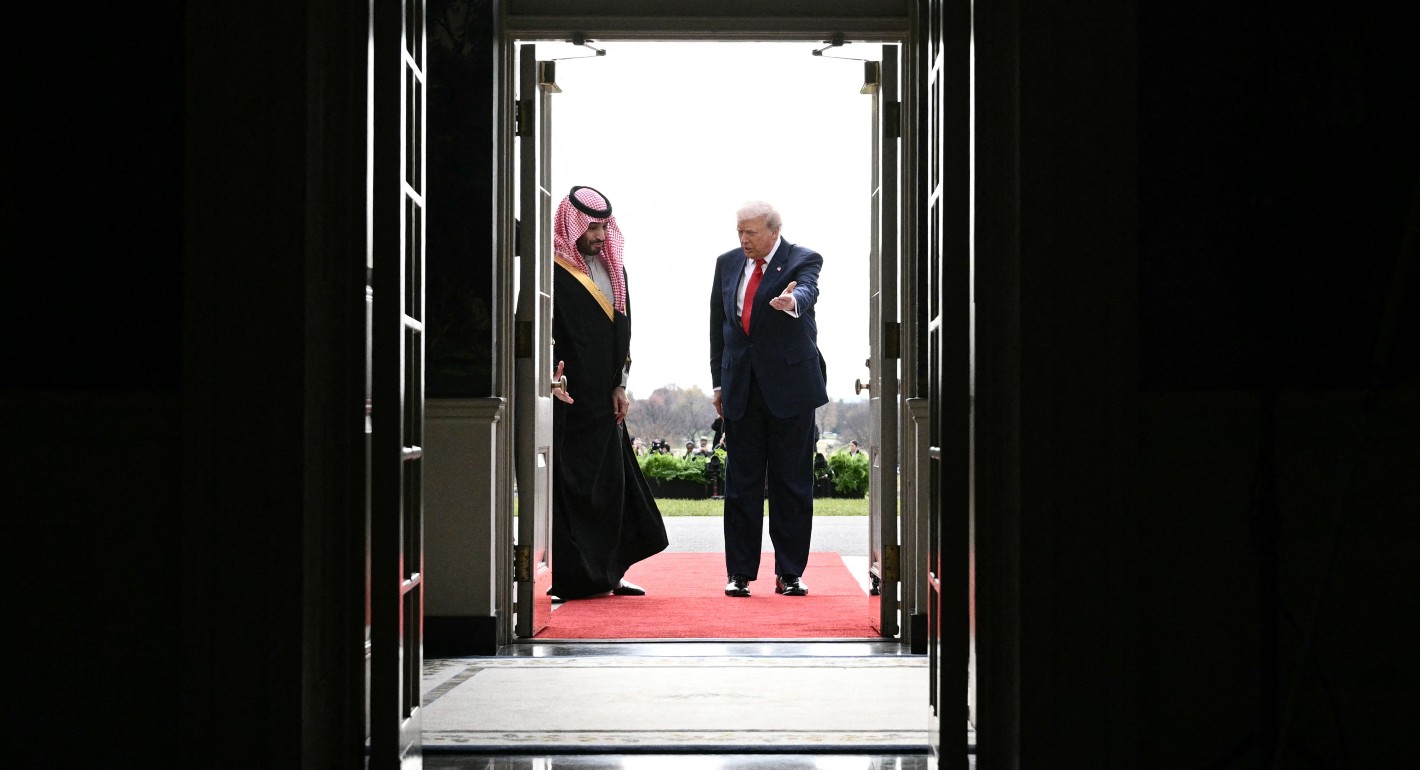
Despite the agreement’s uncertainty, it’s still a significant development in regional and nuclear policy.


Andrew Leber, Jane Darby Menton
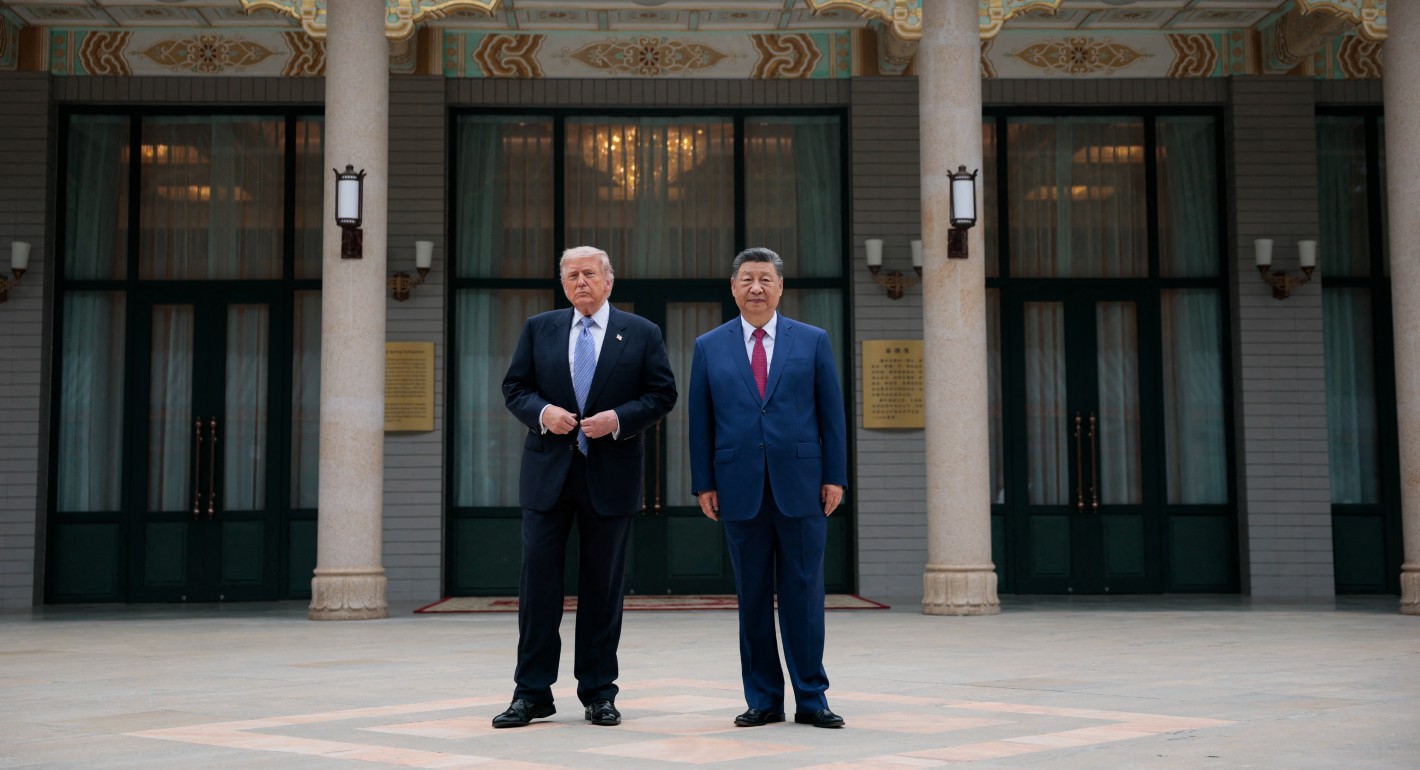
“AI safety in parallel” is modest and pragmatic but vital.

Matt Sheehan

Trump is distracted and Ukraine wants Europe to step up. The continent’s leaders must find their voice and assert it in talks with Russia.

Alissa de Carbonnel
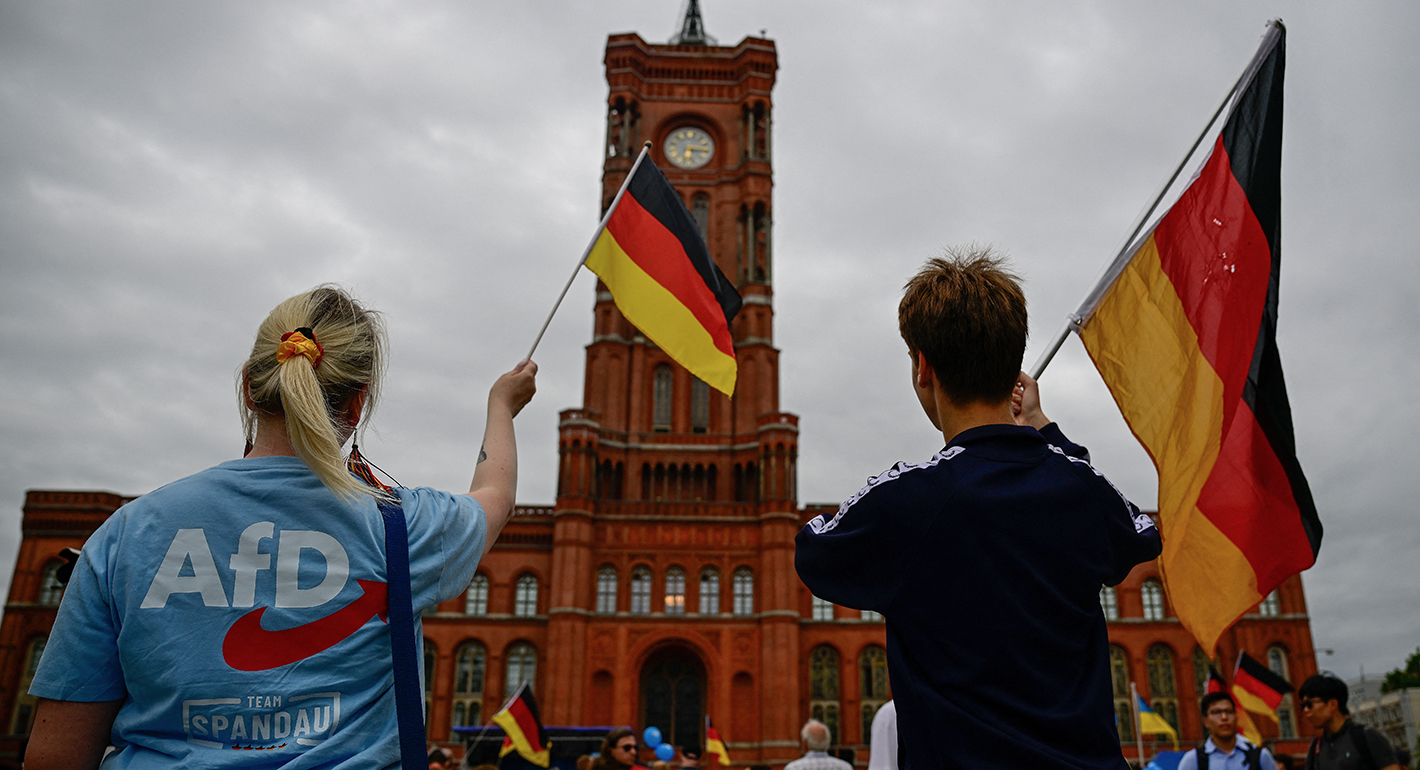
Unresolved tensions within the AfD may ultimately constrain the its potential as a leader among European and global populist forces.
Jeremy Cliffe
There is a deeply rooted assumption in post–Cold War American statecraft that overwhelming military and economic power translates directly into favorable political outcomes. But force alone is rarely enough. To meet the challenges of the mid-21st century, Washington needs a cultural shift toward a mindset that takes negotiation far more seriously.

Cecily Brewer