

Q&A
- +2
Judy Dempsey, Alexander Gabuev, Rose Gottemoeller, …
{
  "authors": [
    "Rose Gottemoeller"
  ],
  "type": "legacyinthemedia",
  "centerAffiliationAll": "dc",
  "centers": [
    "Carnegie Endowment for International Peace"
  ],
  "collections": [],
  "englishNewsletterAll": "ctw",
  "nonEnglishNewsletterAll": "",
  "primaryCenter": "Carnegie Endowment for International Peace",
  "programAffiliation": "EP",
  "programs": [
    "Europe"
  ],
  "projects": [],
  "regions": [
    "Eastern Europe",
    "Western Europe",
    "Iran"
  ],
  "topics": [
    "Political Reform",
    "Democracy",
    "Foreign Policy"
  ]
}
Source: Getty
It has helped to build what the late John McCain called a “league of democracies” to battle the rising tide of autocratic rule. It has been a force multiplier for the U.S. military as it tackles instability, crisis and conflict.
Source: Columbus Dispatch
President Trump’s impulsive decision recently to remove 12,000 American troops from Germany — without a serious interagency review or consultation with close allies — is just the latest example of how undisciplined and ill-advised his actions toward NATO and Europe have become in the past 3 1/2 years.
As the NATO deputy secretary general from 2016 to 2019, I always marveled at the bipartisan support the alliance enjoys. Since NATO was founded in 1949, every U.S. president and every Congress have worked to deepen transatlantic cooperation. This unwavering support has not only kept the peace for more than 70 years but has also brought more European nations into the alliance to further our shared democratic values. It has helped to build what the late John McCain called a “league of democracies” to battle the rising tide of autocratic rule. It has been a force multiplier for the U.S. military as it tackles instability, crisis and conflict.
Trump’s latest action marks another low point in how he has devalued the alliance and put American security at risk at a time when threats from Russia as well as others are on the increase. Numerous former American officials as well as many European leaders have denounced the move as strategically illogical, financially counter-productive and a self-inflicted wound that benefits only Vladimir Putin. Such an unplanned move fits with no known strategy that can explain how it helps strengthen NATO.
Like many other unplanned actions — accepting Putin’s lame denials of interference in American elections, unilaterally withdrawing from the Iran nuclear deal or abruptly withdrawing U.S. forces from Syria and abandoning our Kurdish friends in the line of fire — Trump has displayed an utter disregard for policies that will safeguard Europe and the United States.
In this case, the bases from which those forces depart will now have to be rebuilt in other NATO countries, at our expense. Germany has been for decades the best location to forward base U.S. ground and air forces, to maximize our ability to project power within and beyond Europe. We are sacrificing strategic assets for the sake of satisfying the whim of a president wishing to punish one of our closest military allies and our largest economic partner in Europe.
Taking his ire out on German Chancellor Angela Merkel comes at a time when German and other European support for America is waning. The countless times Trump has questioned NATO’s relevance, threatened not to live up to the collective defense commitment embedded in the NATO treaty’s Article 5 and not responded to Putin’s interference in European and American politics have taken a toll on U.S. respectability and credibility.
We can recall when the U.N. General Assembly collectively laughed at his self-serving references to the great work he had done or when key allied leaders were heard musing about Trump’s missteps on the margins of the London NATO summit. Sadly, many European observers not only laugh publicly, but they openly pity American leaders who have the task of explaining the illogic of American presidential tantrums. Ominously, allies have begun to ignore the White House.
This November, we Americans — Republicans, Democrats and independents — have an opportunity to restore U.S. respect and credibility by electing a President Joe Biden, who along with John McCain has been one of the strongest supporters of the alliance and its role in keeping the peace. Both senators, longtime friends as well as colleagues, saw how much the United States gained from having like-minded allies, prepared to share the burden and blood — as they have in the Balkans as well as Afghanistan — to keep Europe and the United States safe.
This transatlantic alliance is a still bargain and bulwark of security. Let’s be sure we keep up our end of it with a new administration that clearly has America’s strategic interests at heart.

Nonresident Senior Fellow, Nuclear Policy Program
Rose Gottemoeller is a nonresident senior fellow in Carnegie’s Nuclear Policy Program. She also serves as lecturer at Stanford University’s Freeman Spogli Institute for International Studies and is a research fellow at the Hoover Institution. Ambassador Gottemoeller served as the deputy secretary general of NATO from 2016 to 2019.
Recent Work


Judy Dempsey, Alexander Gabuev, Rose Gottemoeller, …
Carnegie does not take institutional positions on public policy issues; the views represented herein are those of the author(s) and do not necessarily reflect the views of Carnegie, its staff, or its trustees.

Japan’s long-term security policy is driven by concerns about China, and there is little appetite for (or interest in) pursuing a confrontation with Moscow.

James D.J. Brown

Russia is testing the waters of NATO’s mutual defense clause. What do strikes in Romanian territorial waters mean for the alliance’s posture toward Moscow?

Dimitar Bechev
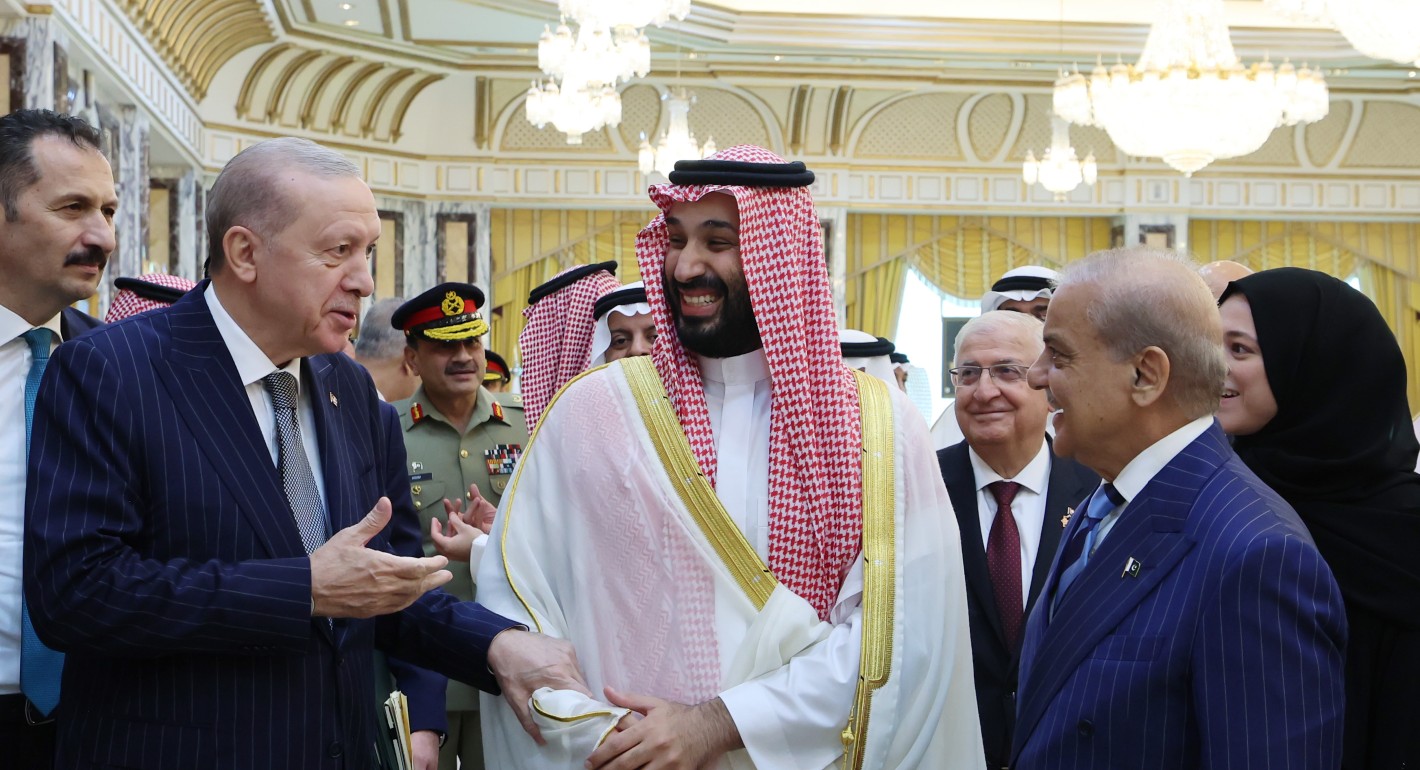
Why Pakistan, Saudi Arabia, and Turkey are joining forces on regional security.


Alper Coşkun, Amr Hamzawy
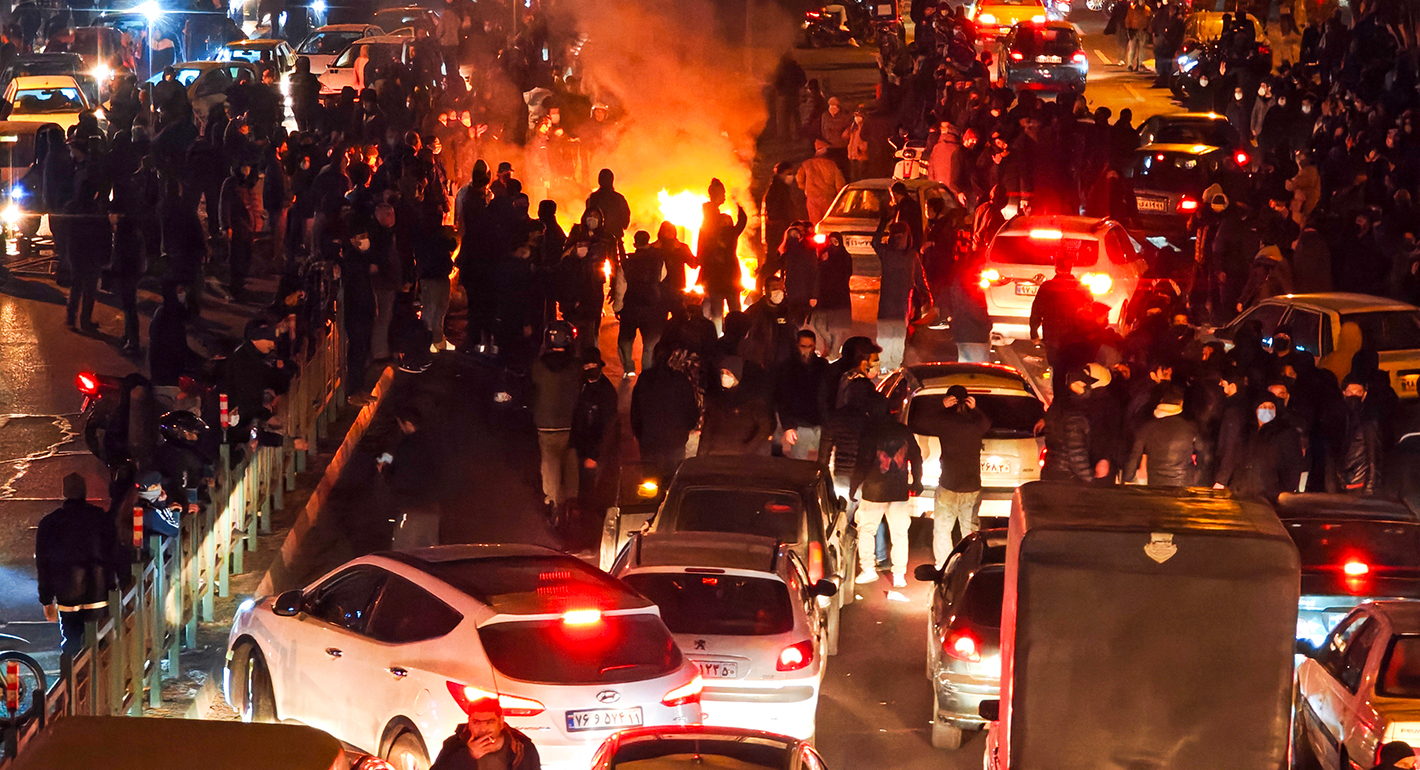
Protests in Iran follow a similar pattern: Economic grievances turn into political protests that spread nationwide. But increased state repression has begun to shift the arrangement.

Eric Lob

Despite public disputes over trade and immigration, the strategic partnership’s foundations remain sturdy.

Sameer Lalwani