

Commentary
Cornelius Adebahr
{
  "authors": [
    "Cornelius Adebahr"
  ],
  "type": "legacyinthemedia",
  "centerAffiliationAll": "dc",
  "centers": [
    "Carnegie Endowment for International Peace",
    "Carnegie Europe"
  ],
  "collections": [
    "Transatlantic Cooperation"
  ],
  "englishNewsletterAll": "ctw",
  "nonEnglishNewsletterAll": "",
  "primaryCenter": "Carnegie Europe",
  "programAffiliation": "EP",
  "programs": [
    "Europe"
  ],
  "projects": [],
  "regions": [
    "Middle East",
    "Europe",
    "North America",
    "Iran"
  ],
  "topics": [
    "Foreign Policy",
    "Security"
  ]
}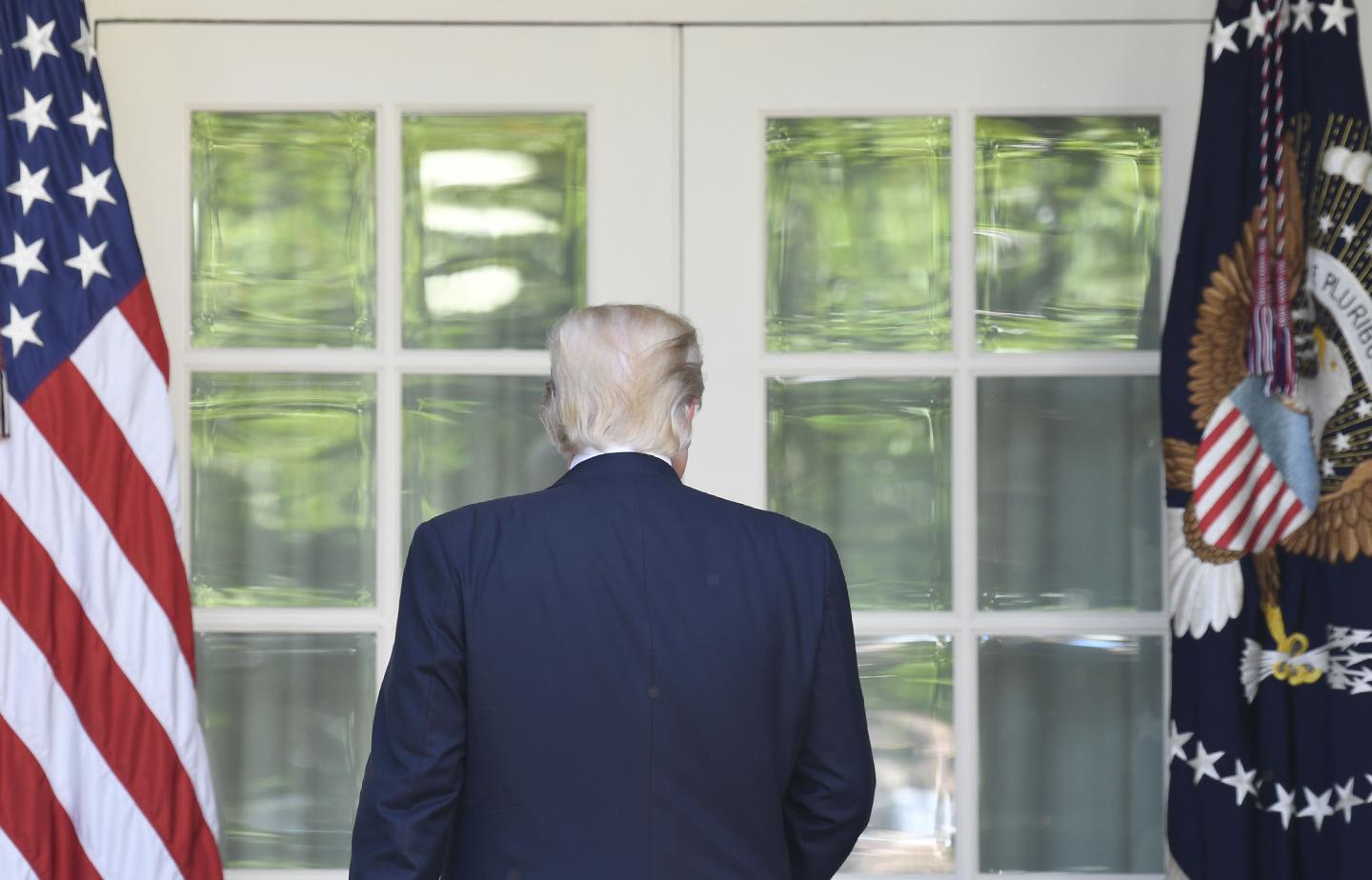
Source: Getty
Legitimate or not, President Trump’s snapback of the Iran sanctions and his distorted reality based on “alternative facts” undermine the foundations of international politics.
Source: Politico Europe
When it comes to foreign policy, U.S. President Donald Trump is increasingly living in his own world — and it hardly matters that no one shares his version of reality.
After the U.S. State Department on Saturday announced that U.N. sanctions against Iran “snapped back” into full force at midnight on September 20, Trump issued an executive order to the same effect on Monday. The move is an attempt to use a provision of the 2015 Iran nuclear deal to punish Tehran for alleged violations of the agreement.
Few agree it’s legitimate — given the fact Trump pulled out of the deal in 2018. All other signatories to the deal and 13 of the 15 members of the U.N. Security Council have rejected the U.S. position. Only Israel backs it, and some Arab Gulf States may follow suit in light of their warming ties with Tel Aviv.
And yet it hardly matters if others don’t agree with Trump’s interpretation of international law and his assertion the snapback has indeed taken place. If Washington chooses to push its version of events — and especially if Trump is reelected in November — the consequences for global affairs could be disastrous.
The U.S. could block Iranian shipments, besides just oil cargo, or sanction countries working with Iran on nuclear projects. And it could do so with what appears to be global authority, rather than on the basis of unilateral sanctions. In the words of U.S. Secretary of State Mike Pompeo: “If U.N. member states fail to fulfill their obligations to implement these sanctions, the U.S. is prepared to use our domestic authorities to impose consequences for those failures and ensure that Iran does not reap the benefits of U.N.-prohibited activity.”
Admittedly, it’s typical for adversaries to live in different universes, each perceiving the other as aggressive and threatening. World War I began because Europe’s major powers each thought they were legally obligated to assist their respective ally, thus “sleepwalking” into a disaster.
During the Cold War, both the Soviet Union and the U.S. estimated the other’s weaponry to be superior to their own, prompting an arms race that could only be halted by mutually agreed verification measures. Today, what Iran claims to be “forward defense” in a hostile environment looks like aggressive expansion to many of its neighbors.
Still, what has happened at the U.N. over the past month is of a different quality. Here, the dispute is not about who has how many missiles, but whether a legal mechanism has been used or not.
Washington believes it can use the “snapback” provision of the Iran nuclear deal brokered in 2015 to reinstate all U.N.-mandated Iran sanctions dating from before the deal in response to Tehran’s violations of the agreement. The president’s executive order lists more than two dozen entities and individuals connected to Iran’s nuclear and missile programs as well as to its procurement of conventional arms.
It’s far from clear why the U.S. has chosen to embark on this lonely path. The move will only marginally add economic pressure on Iran compared to the sanctions under the current U.S. “maximum pressure” policy. Moreover, Washington could have worked with the Europeans on their proposal to supplement the EU’s existing arms embargo against Iran lasting until 2023.
The U.S.’s position also means that the U.N. arms embargo against Iran will lapse on October 18, as earlier efforts by the Europeans to introduce a compromise extension failed.
Trump may be trying to pander to a specific section of the electorate with tough-on-Iran rhetoric, or he may be seeking to kill off the nuclear deal completely, to make it more difficult for a potential Biden administration to rejoin it.
Until now, Tehran has avoided being goaded into military escalation (apart from increased hacking activities, that is). Its response was muted when Washington seized Iranian oil tankers bound for Venezuela. Moreover, it allowed international inspectors to visit disputed military sites to defuse a standoff over its nuclear program.
Some analysts also reckon that it called off a previously planned “October surprise” — an attack that would disrupt the global economy in order to hurt the U.S. president’s chances of reelection. Such restraint could end, however, if U.S. warships were to seize Iranian cargoes in international waters — or worse, in the Persian Gulf.
Trump’s stubborn pursuit of his own virtual reality on the sanctions snapback also puts Washington on a collision course with the U.N. This not only undermines the work of the Security Council, but could impede the work of the organization as a whole if the U.S. president gives in to the temptation to withhold funds or obstruct decisions in unrelated areas.
This, after all, is the U.S. administration that left the Paris climate agreement, UNESCO and the U.N. Human Rights Council, and ended cooperation with the World Health Organization in the middle of a global pandemic.
By doubling down on his snapback charade, Trump is exporting his domestic dysfunction into international affairs: The distorted reality based on “alternative facts” peddled by the White House since 2016 is now poisoning international diplomacy.
The oft-cited return of great power politics is bad enough, with the U.S. going up against China and Russia for influence on the global stage. But with this latest move, the White House is trying to create a parallel reality that will undermine the foundations of international politics.

Former Nonresident Fellow, Carnegie Europe
Cornelius Adebahr was a nonresident fellow at Carnegie Europe. His research focuses on foreign and security policy, in particular regarding Iran and the Persian Gulf, on European and transatlantic affairs, and on citizens’ engagement.
Recent Work
Cornelius Adebahr

Cornelius Adebahr, Barbara Mittelhammer
Carnegie does not take institutional positions on public policy issues; the views represented herein are those of the author(s) and do not necessarily reflect the views of Carnegie, its staff, or its trustees.

The Bureau of Industry and Security needs to adjust its focus and practices to maintain its position as the U.S. government’s primary champion of international technological competition.

Geoffrey Irving
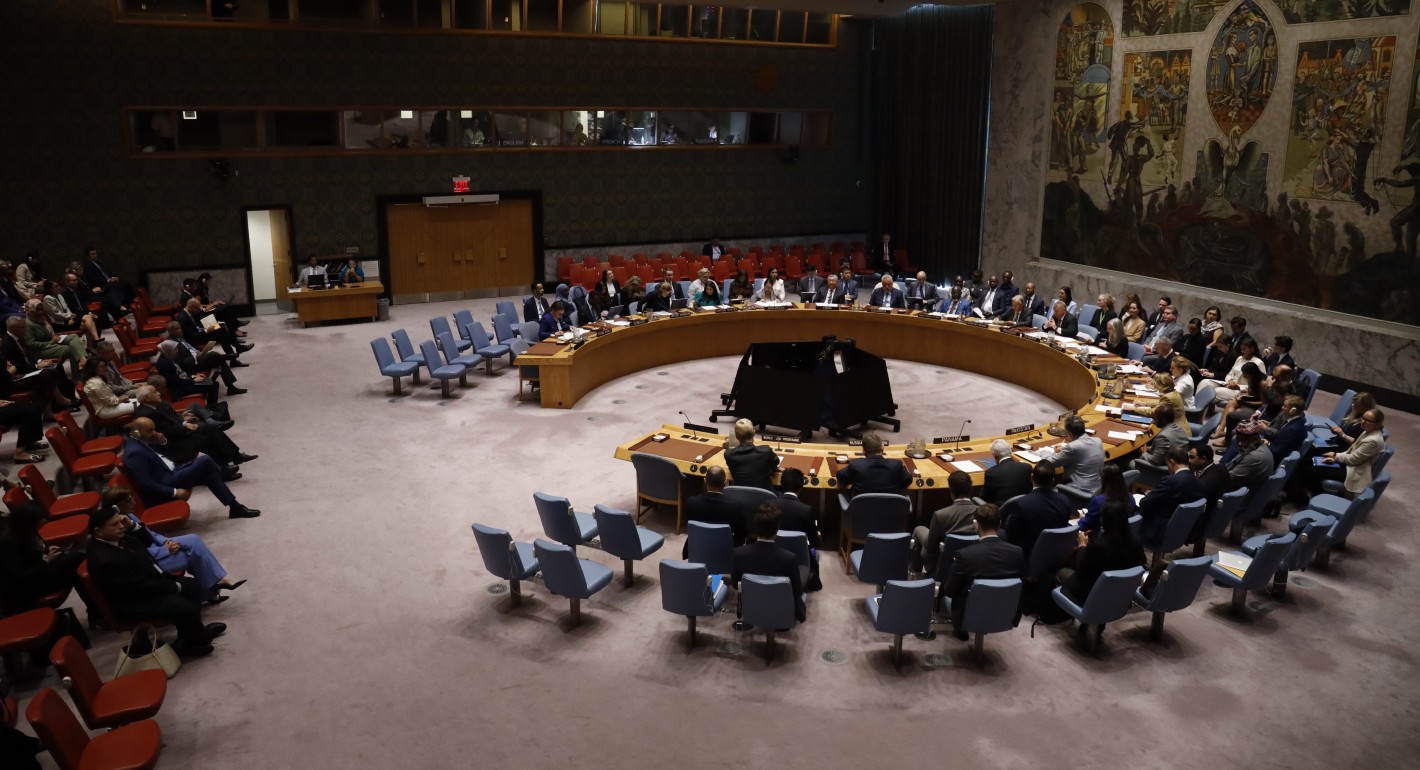
They face an uphill climb, but they could draw on a strategy that other diplomats have used in the past.


Shana Tabak, Alejandro Martin Rodriguez
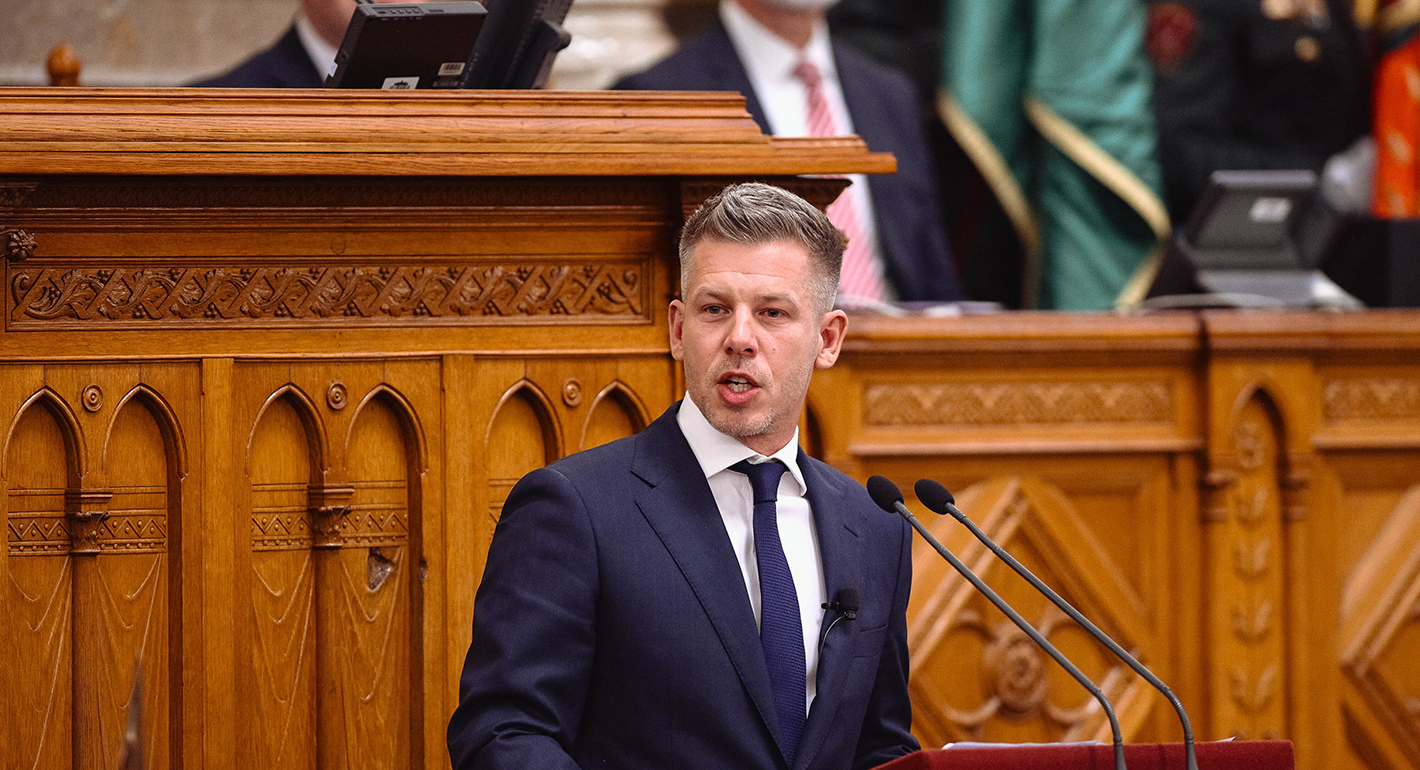
Despite myriad challenges and occasional stumbles, the new Hungarian government is moving ahead with energy and conviction to uproot years of illiberalism and corruption and rebuild Hungarian democracy.

Thomas Carothers

European Commission President Ursula von der Leyen is about to give her annual address on the state of the EU. Here’s what she won’t—but should—say.

Rym Momtaz
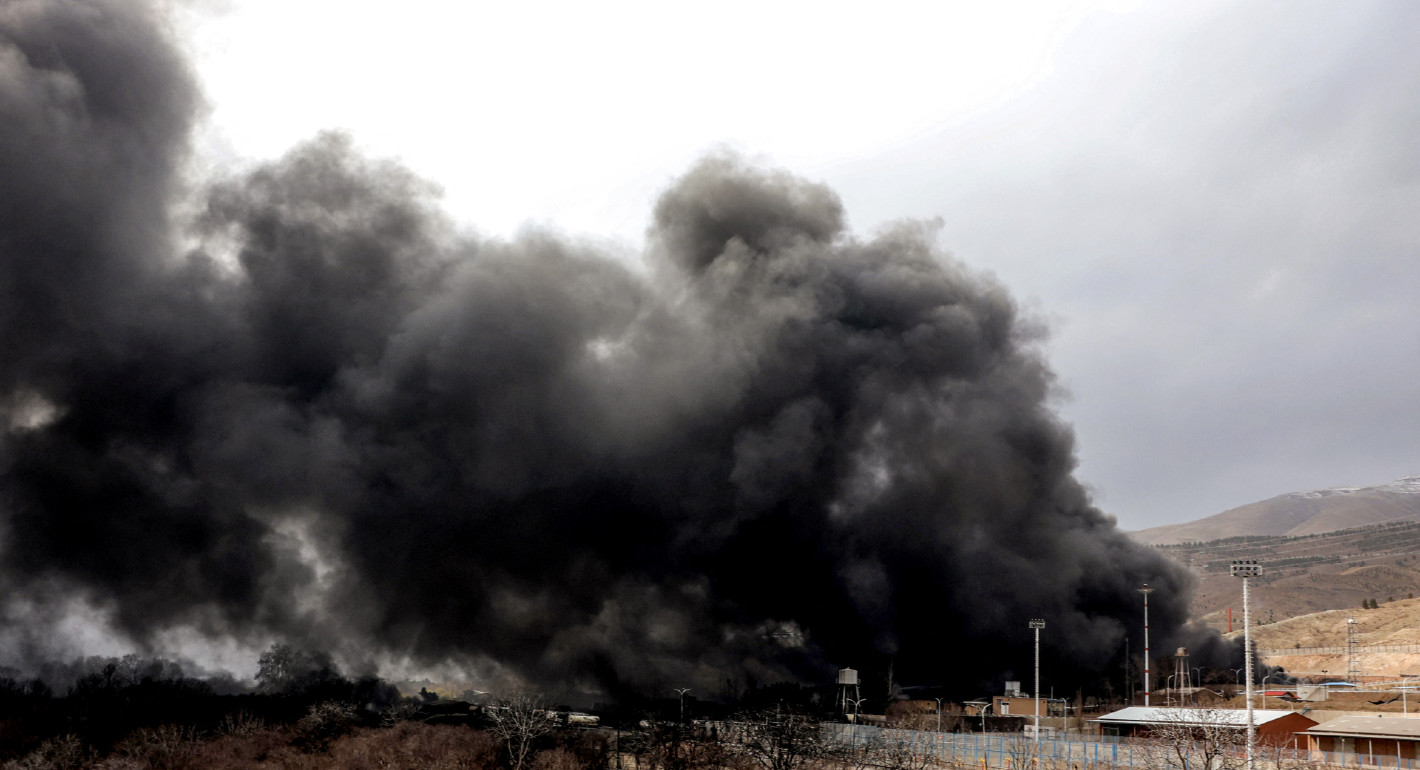
Understanding the climatic pain points is necessary for policymakers hoping to minimize the war’s negative environmental consequences.


Alejandro Martin Rodriguez, Joy Arkeh, Sarah Yerkes