

Commentary
Despite unhappiness on the ground, Moscow is determined to use both carrot and stick to ensure there is record support for United Russia in occupied Ukraine.
Konstantin Skorkin
{
  "authors": [
    "Rosa Balfour",
    "Lizza Bomassi"
  ],
  "type": "legacyinthemedia",
  "centerAffiliationAll": "",
  "centers": [
    "Carnegie Endowment for International Peace",
    "Carnegie Europe"
  ],
  "collections": [
    "Transatlantic Cooperation"
  ],
  "englishNewsletterAll": "",
  "nonEnglishNewsletterAll": "",
  "primaryCenter": "Carnegie Europe",
  "programAffiliation": "",
  "programs": [],
  "projects": [],
  "regions": [
    "Asia",
    "Europe",
    "North America",
    "United States",
    "East Asia",
    "China",
    "Western Europe"
  ],
  "topics": [
    "Foreign Policy",
    "Economy",
    "Trade",
    "Security"
  ]
}
REQUIRED IMAGE
Brussels seems to have put business interests before democratic values and security realities at a time when the West and Beijing are competing to vaccinate the world against coronavirus.

Director, Carnegie Europe
Rosa Balfour is the director of Carnegie Europe. Her fields of expertise include European politics, institutions, and foreign and security policy.

Lizza Bomassi
Former Deputy Directory, Carnegie Europe
Lizza Bomassi was the deputy director of Carnegie Europe.
Carnegie does not take institutional positions on public policy issues; the views represented herein are those of the author(s) and do not necessarily reflect the views of Carnegie, its staff, or its trustees.

Despite unhappiness on the ground, Moscow is determined to use both carrot and stick to ensure there is record support for United Russia in occupied Ukraine.

Konstantin Skorkin

The armed forces champion a form of capitalism that is generating revenue, but its reliance on rent faces diminishing returns, leaving the country with massive sunk costs and deferred returns, deepening dependency on external borrowing.

Yezid Sayigh
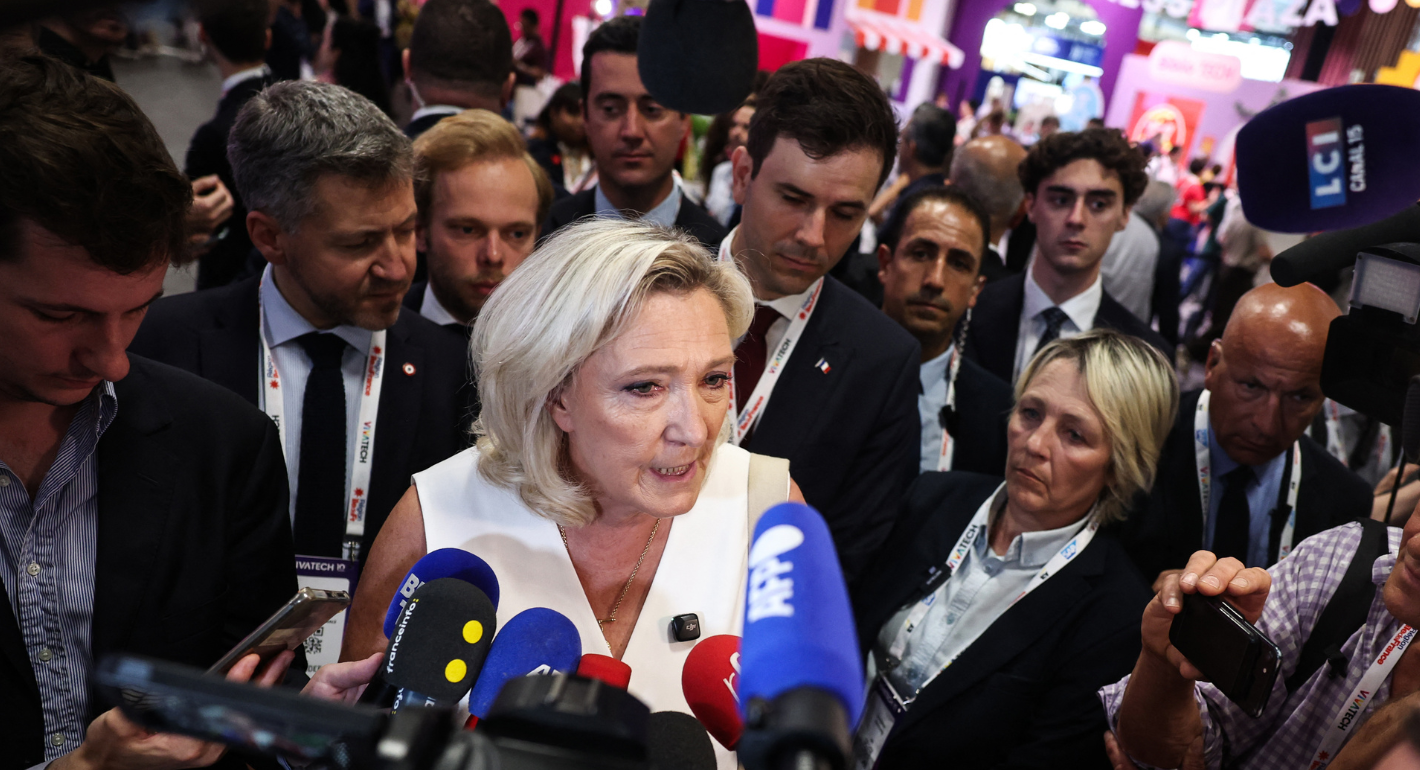
Far-right leader Marine Le Pen can—and will—run in France’s next presidential election. What does the outcome of her appeal against a 2025 embezzlement conviction mean for the country’s political future?
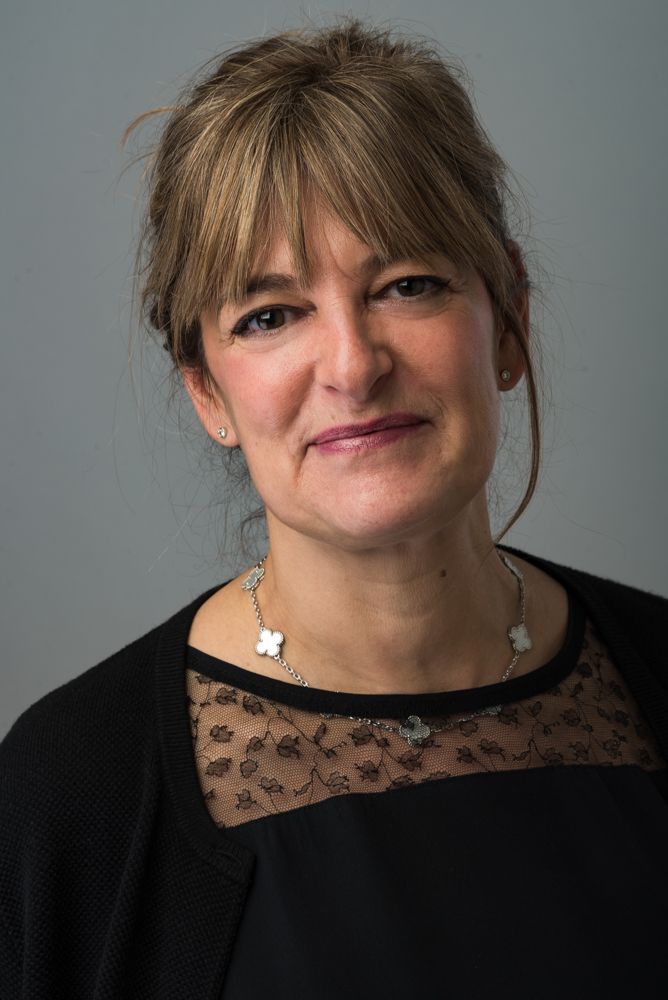
Catherine Fieschi

Morocco and Algeria, each in its own way, are having to navigate the global economic fallout of the U.S.-Israeli military campaign against Iran.

Yasmine Zarhloule
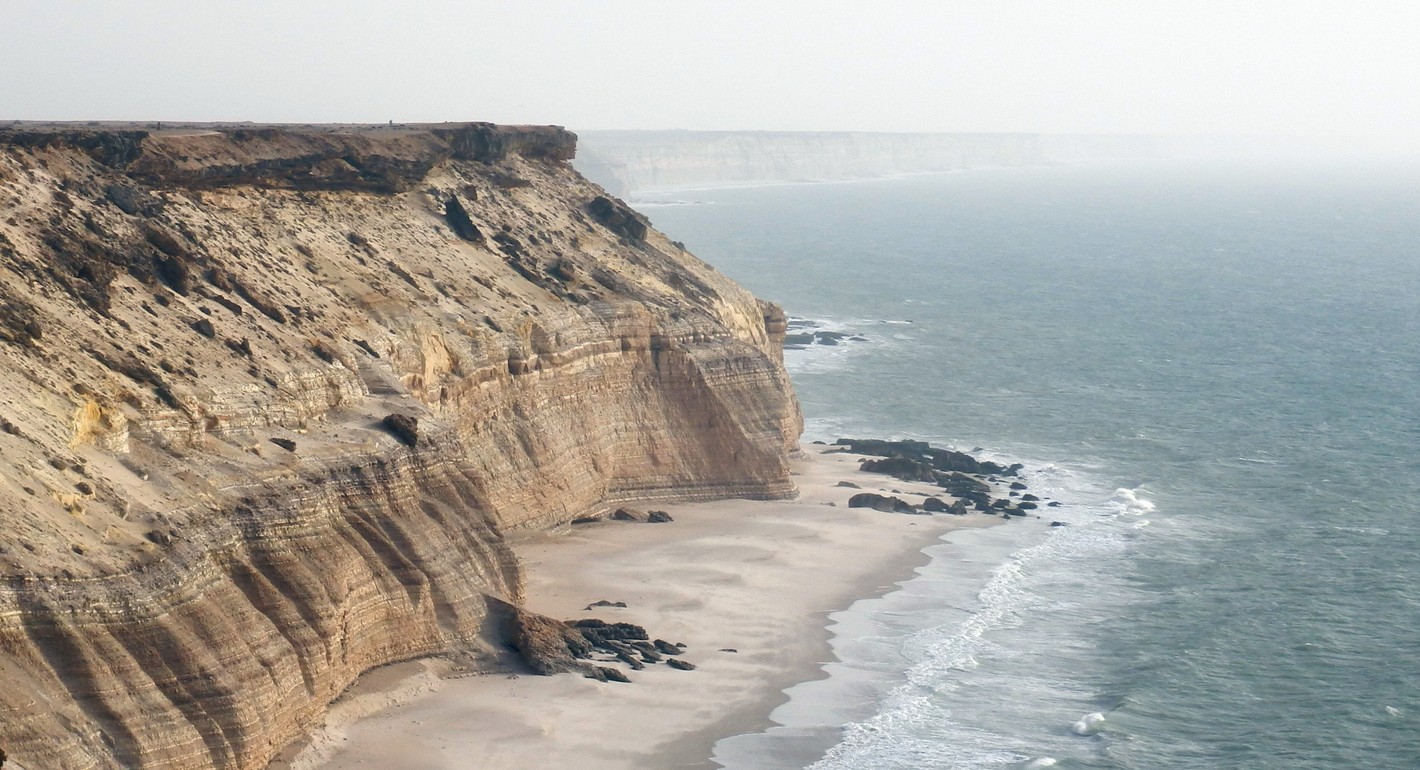
Despite Morocco’s hopes that its film industry would reap rewards, the blockbuster’s success will be tainted by controversy surrounding filming in occupied Western Sahara.

Sarah Yerkes