

Paper
Olivia Lazard, Mandi Bissett, James Dyke
{
  "authors": [
    "Olivia Lazard"
  ],
  "type": "legacyinthemedia",
  "centerAffiliationAll": "dc",
  "centers": [
    "Carnegie Endowment for International Peace",
    "Carnegie Europe"
  ],
  "collections": [],
  "englishNewsletterAll": "ctw",
  "nonEnglishNewsletterAll": "",
  "primaryCenter": "Carnegie Europe",
  "programAffiliation": "SCP",
  "programs": [
    "Sustainability, Climate, and Geopolitics",
    "Europe"
  ],
  "projects": [],
  "regions": [
    "Europe",
    "Western Europe",
    "North America",
    "Iran"
  ],
  "topics": [
    "Foreign Policy",
    "EU",
    "Security",
    "Economy",
    "Migration",
    "Climate Change",
    "Global Governance"
  ]
}
REQUIRED IMAGE
The EU has a major role to play in accelerating climate action both at home and abroad. If it fails, the bloc will succumb to supply chain breakdowns and migratory pressures. To avoid this, the EU must advance climate justice and restore trust between developed and developing countries.
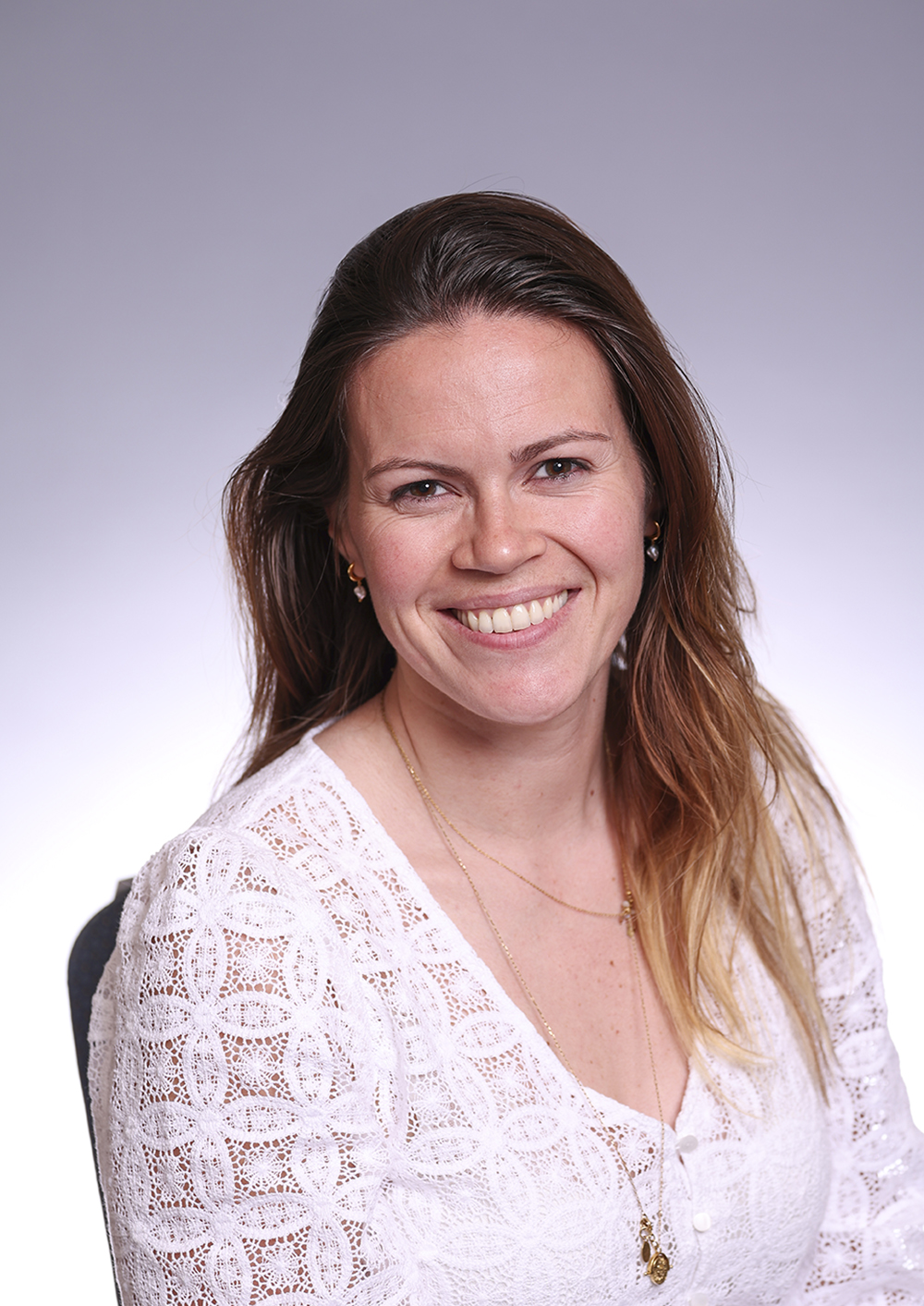
Fellow, Carnegie Europe
Olivia Lazard was a fellow at Carnegie Europe. Her research focused on the geopolitics of climate, the transition ushered by climate change, and the risks of conflict and fragility associated to climate change and environmental collapse.
Recent Work

Olivia Lazard, Mandi Bissett, James Dyke
Olivia Lazard
Carnegie does not take institutional positions on public policy issues; the views represented herein are those of the author(s) and do not necessarily reflect the views of Carnegie, its staff, or its trustees.

In an interview, Ian Lustick and Eli Clifton discuss their new book on why a prominent ally has so much influence in America.

Michael Young

Germany, India, and other middle powers can’t build frontier AI alone, and they risk being cut off if they depend on the United States or China. The way through is to build the capacity for a frontier sprint while hoping never to use it.


Anton Leicht, Sam Winter-Levy

The Plaza Accord was not an externally imposed punishment of Japan but part of a broader restructuring that Japanese economists and policymakers themselves recognized was necessary. Its effects were undermined, however, when Tokyo responded to the resulting slowdown with policies that exacerbated investment, credit expansion, and the very imbalances the adjustment was intended to resolve.

Michael Pettis

Trump has promised Belarus a massive potash deal. But Minsk is seeking something greater: restored Western transit and greater room for maneuver from Russia.

Balázs Jarábik

Before the next wave of EU enlargement takes place, the union needs to grapple with thorny questions of how power is distributed among its members.


Emil Sondaj Hansen, Ditte Brasso Sørensen