

Report
- +9
Richard Youngs, Erik Jones, Dan Baer, …
{
  "authors": [
    "Rosa Balfour"
  ],
  "type": "legacyinthemedia",
  "centerAffiliationAll": "dc",
  "centers": [
    "Carnegie Endowment for International Peace",
    "Carnegie Europe"
  ],
  "collections": [
    "Europe’s Eastern Neighborhood",
    "Europe’s Southern Neighborhood",
    "EU Integration and Enlargement"
  ],
  "englishNewsletterAll": "ctw",
  "nonEnglishNewsletterAll": "",
  "primaryCenter": "Carnegie Europe",
  "programAffiliation": "EP",
  "programs": [
    "Europe"
  ],
  "projects": [],
  "regions": [
    "Russia",
    "Europe",
    "Türkiye",
    "Eastern Europe",
    "Middle East",
    "Caucasus",
    "Georgia",
    "Ukraine",
    "Western Europe",
    "Moldova",
    "Iran"
  ],
  "topics": [
    "Foreign Policy",
    "EU",
    "Democracy"
  ]
}
REQUIRED IMAGE
Russia's invasion of Ukraine prompted the EU to break several taboos, including offering candidate status to Ukraine and Georgia. The enlargement process, which has stalled over the past decade, is likely to be hindered by the complex revisions required, including the question of voting rights.

Director, Carnegie Europe
Rosa Balfour is the director of Carnegie Europe. Her fields of expertise include European politics, institutions, and foreign and security policy.
Recent Work


Richard Youngs, Erik Jones, Dan Baer, …
Rosa Balfour
Carnegie does not take institutional positions on public policy issues; the views represented herein are those of the author(s) and do not necessarily reflect the views of Carnegie, its staff, or its trustees.

A leak of Russian gas price data helps establish that China is paying Russia far less than Central Asian countries and Gazprom’s former European customers.

Sergey Vakulenko

The EU can impose sanctions but struggles to enforce them without the United States. With Washington increasingly disinterested in backing European interests, the bloc must now fend for itself.


Nicu Popescu, Tiago Antunes
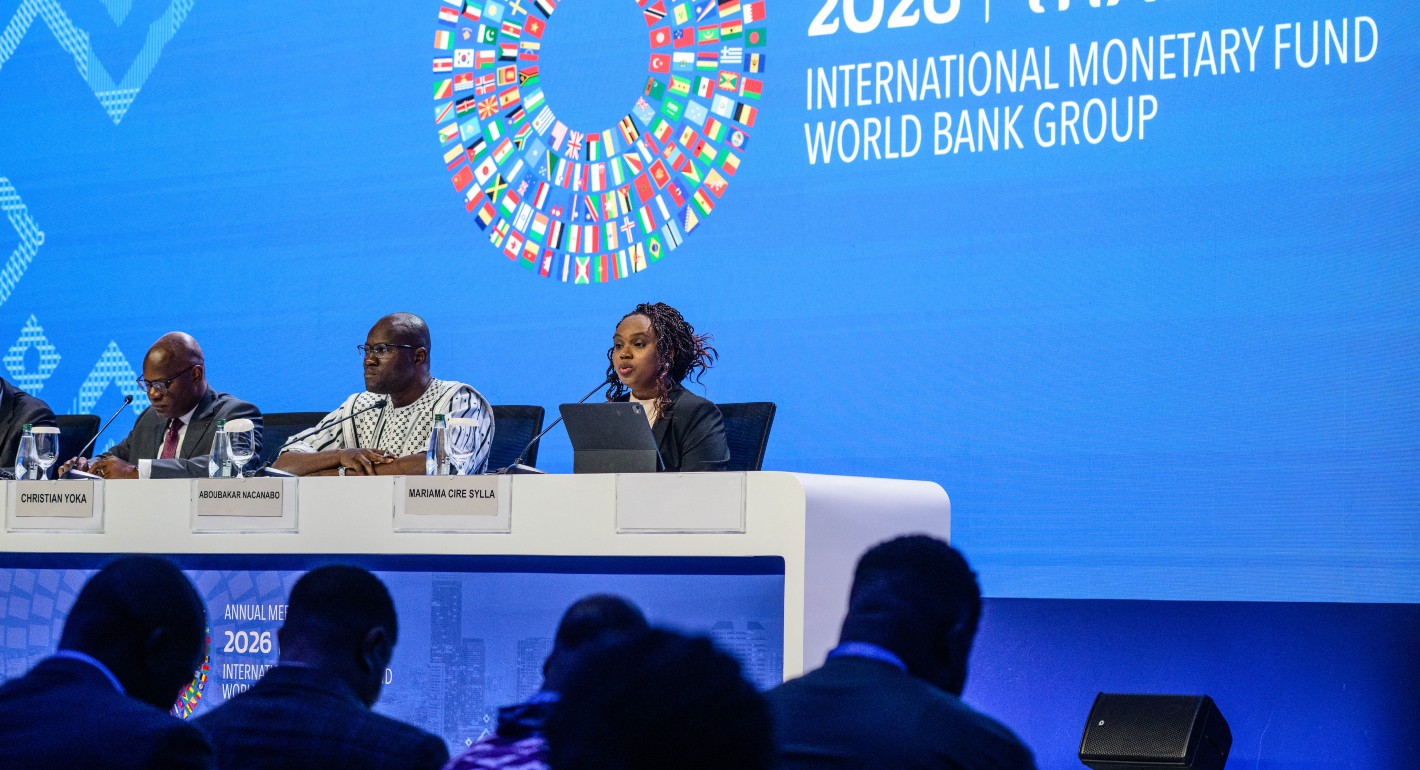
Global and rising powers will need to engage with Africa’s priorities and agency in order to secure the continent’s increasingly attractive partnerships.

Fonteh Akum
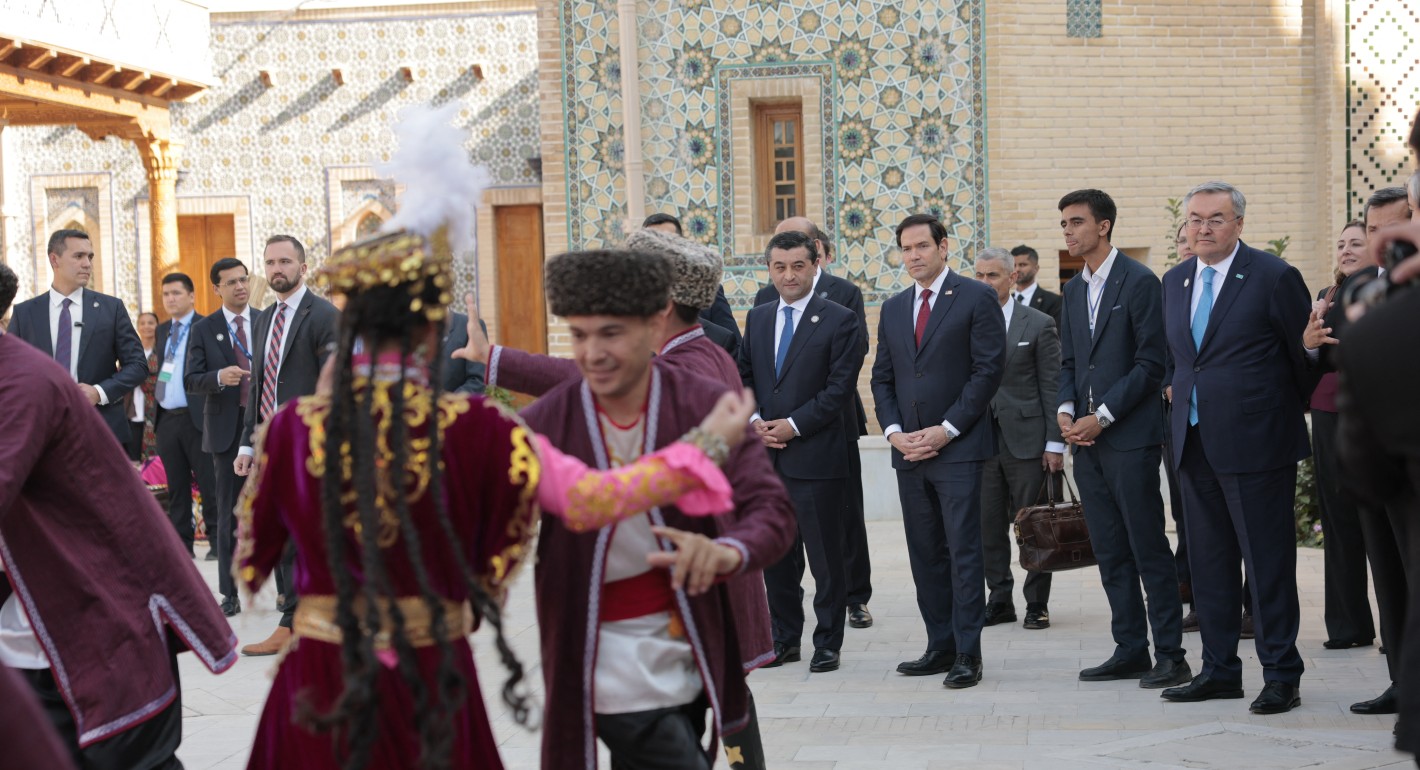
Rubio’s recent visit brought welcome attention, but more capital requires governance changes that may be a hard sell for regional governments.

Jennifer B. Murtazashvili

America’s foreign-policy objectives have grown more demanding while Americans have demanded greater focus on their own affairs.
Stephen Wertheim