

Commentary
Why Pakistan, Saudi Arabia, and Turkey are joining forces on regional security.
Alper Coşkun, Amr Hamzawy
{
  "authors": [
    "Ashley Townshend",
    "Darshana M. Baruah",
    "Tom Corben",
    "Blake Herzinger",
    "Tomohiko Satake"
  ],
  "type": "legacyinthemedia",
  "centerAffiliationAll": "dc",
  "centers": [
    "Carnegie Endowment for International Peace"
  ],
  "collections": [
    "Dynamic Security Risks in Asia"
  ],
  "englishNewsletterAll": "asia",
  "nonEnglishNewsletterAll": "",
  "primaryCenter": "Carnegie Endowment for International Peace",
  "programAffiliation": "AP",
  "programs": [
    "Asia",
    "South Asia"
  ],
  "projects": [
    "Indian Ocean Initiative"
  ],
  "regions": [
    "North America",
    "United States",
    "South Asia",
    "India",
    "East Asia",
    "Japan",
    "Oceania",
    "Australia"
  ],
  "topics": [
    "Security",
    "Foreign Policy"
  ]
}
REQUIRED IMAGE
This report lays out a case and provides a menu of policy options for how the Quad can pursue a collective approach to Indo-Pacific maritime security, with a particular focus on regional deterrence and defence.

Former Senior Fellow Asia Program
Ashley Townshend was a senior fellow for Indo-Pacific security, directing research on regional strategy, defense policy, and alliances and partnerships.

Former Nonresident Scholar, South Asia Program
Darshana M. Baruah was a nonresident scholar with the South Asia Program at the Carnegie Endowment for International Peace where she directs the Indian Ocean Initiative.
Tom Corben
Blake Herzinger
Tomohiko Satake
Carnegie does not take institutional positions on public policy issues; the views represented herein are those of the author(s) and do not necessarily reflect the views of Carnegie, its staff, or its trustees.
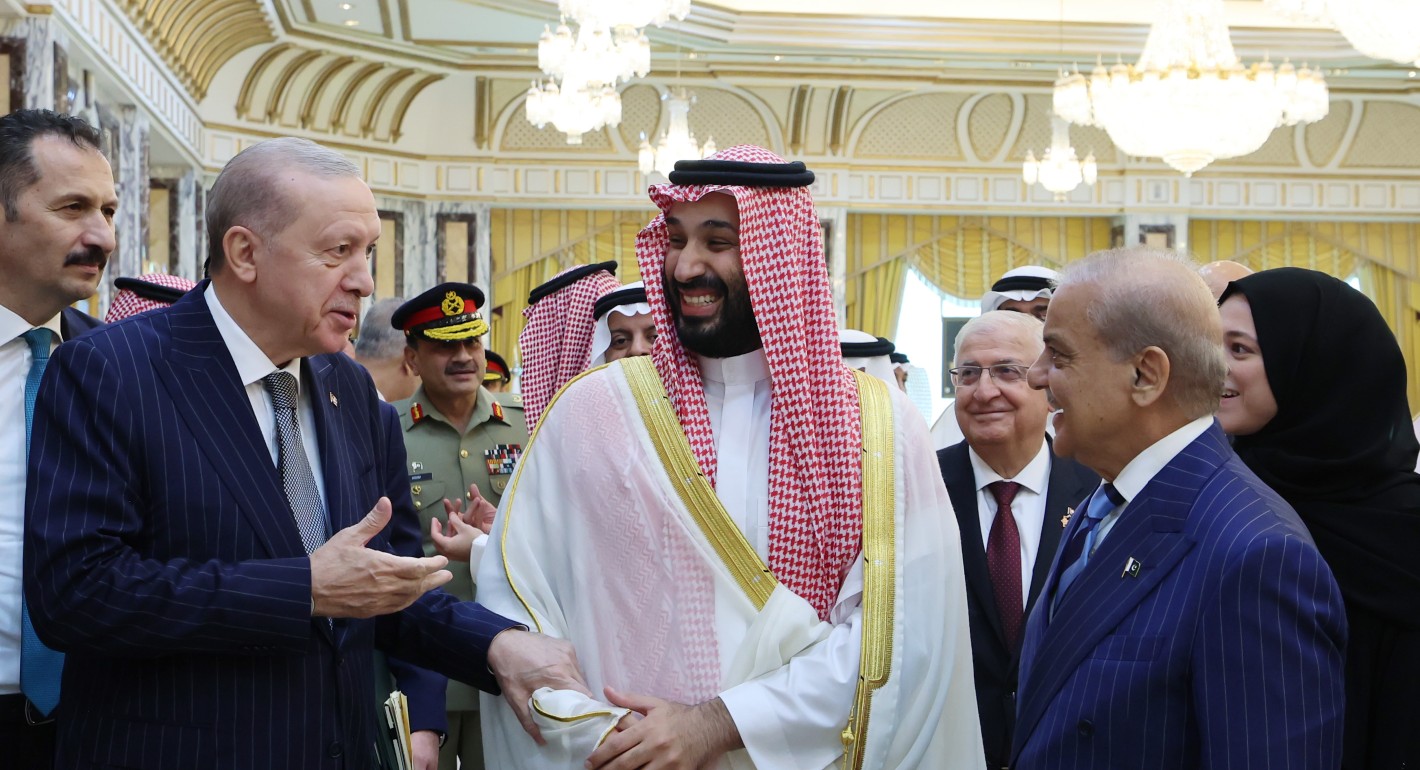
Why Pakistan, Saudi Arabia, and Turkey are joining forces on regional security.


Alper Coşkun, Amr Hamzawy
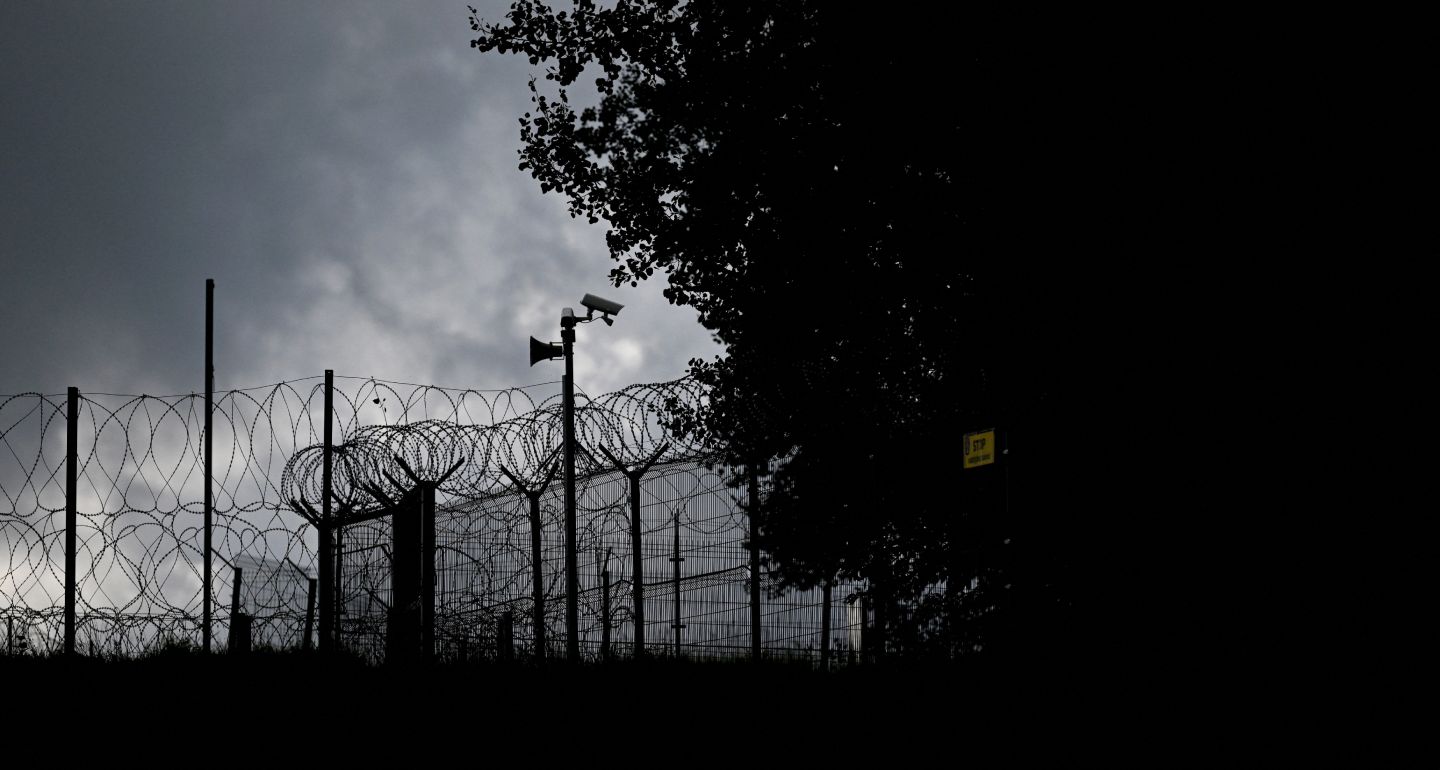
The truth of the strategic situation is that Europe and Russia are extremely unlikely to be able to “turn the page” on their confrontation within the next two decades.

Arkady Moshes

Despite public disputes over trade and immigration, the strategic partnership’s foundations remain sturdy.

Sameer Lalwani
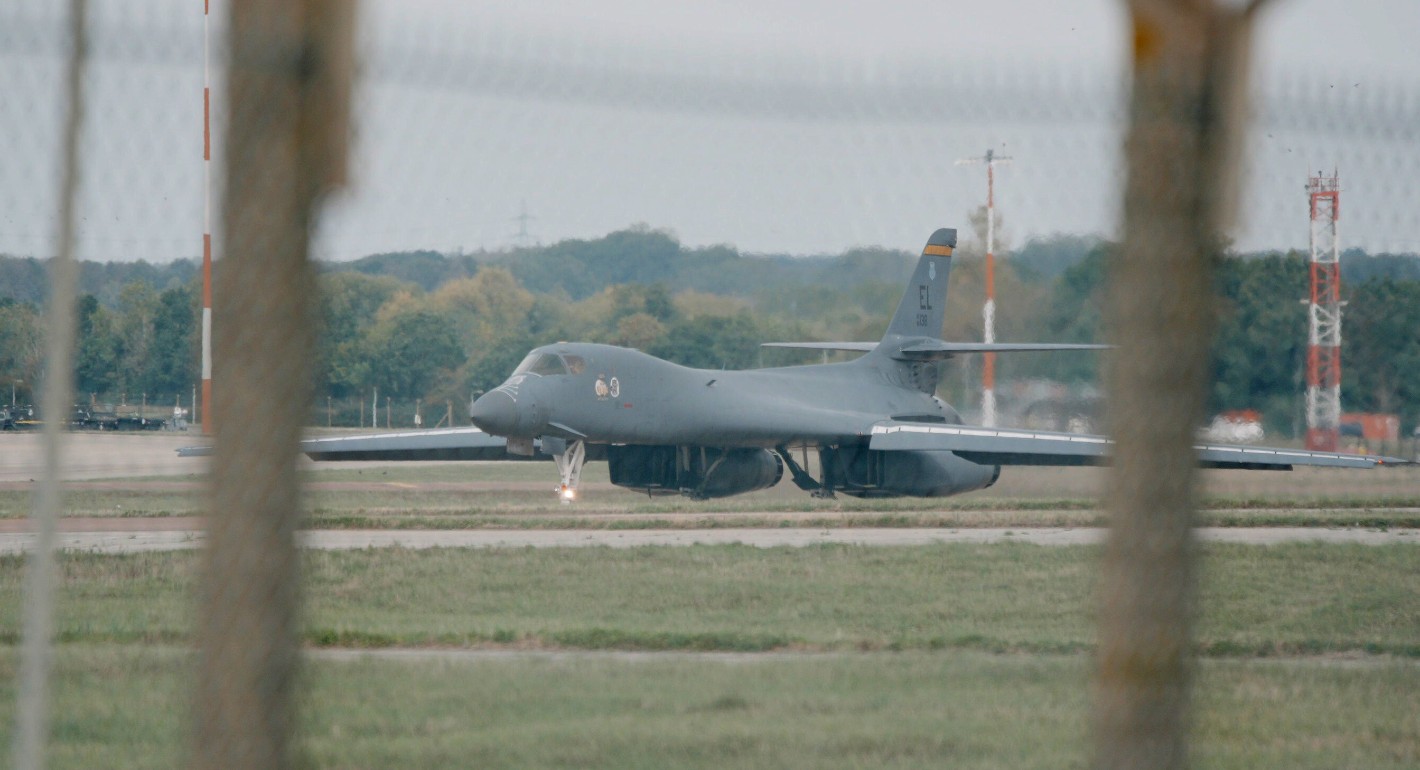
It signals a new era of tech diffusion and warfare.

Steve Feldstein

With its public finances in shambles, the far right polling at 35 percent ahead of the 2027 presidential election, and a growing protest movement, is France’s crisis a threat to the EU’s geopolitical awakening?

Rym Momtaz, ed.