

Commentary
Nathan J. Brown
{
  "authors": [
    "Nathan J. Brown"
  ],
  "type": "other",
  "centerAffiliationAll": "dc",
  "centers": [
    "Carnegie Endowment for International Peace"
  ],
  "collections": [
    "Arab Awakening"
  ],
  "englishNewsletterAll": "menaTransitions",
  "nonEnglishNewsletterAll": "",
  "primaryCenter": "Carnegie Endowment for International Peace",
  "programAffiliation": "MEP",
  "programs": [
    "Middle East"
  ],
  "projects": [],
  "regions": [
    "Middle East",
    "North Africa",
    "Egypt"
  ],
  "topics": [
    "Political Reform",
    "Democracy",
    "Security",
    "Military"
  ]
}
Source: Getty
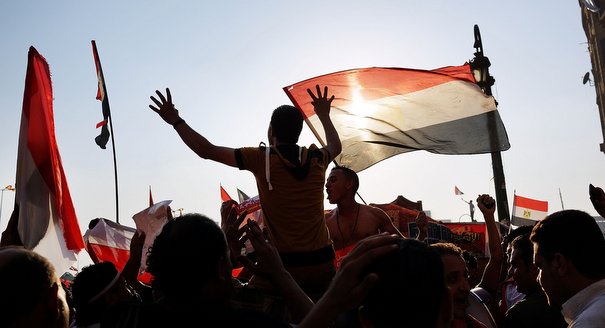
In the forty months between Mubarak’s departure and the inauguration of President Abdel Fattah el-Sisi, the numerous contradictions of Egypt’s revolution have exploded with full force.
Source: Taylor & Francis
The forced departure of Egypt’s long-time president, Hosni Mubarak, on 11 February 2011 was widely hailed as a popular revolution, not only in Egypt, but worldwide. And in many respects it was: a cascading series of demonstrations suddenly rendered the country ungovernable by a president whose tenure had extended almost three decades and who appeared to be slowly arranging his own succession. But the legal form his deposition took was a ‘constitutional declaration’ by the country’s Supreme Council of the Armed Forces (SCAF)—a body nominally headed by the president himself but in effect operating independently—that Mubarak was no longer president and that the SCAF would oversee a transition to a new political system. That announcement, which all political forces that had supported the uprising welcomed and all state institutions accepted, contained many underappreciated contradictions. A democratic transition was supposed to be combined with unchecked military rule; a popular uprising decided happily to leave the state apparatus intact; a non-ideological movement simply chose at first to ignore the deep divisions within its own ranks.The 40 months between Mubarak’s departure and the inauguration of President Abdel Fattah el-Sisi saw all these contradictions explode with full force. In the end, certain mechanical aspects of democracy did indeed emerge, and the memory of the uprising retained some political force and some established patterns that subsequent protest movements could draw on. But the tensions that were overlooked in February 2011 were resolved, at least for the moment, by the reassertion of a strong presidency and an unaccountable and authoritarian state apparatus—the very targets of the uprising...
This article was originally published by Taylor & Francis.

Nonresident Senior Fellow, Middle East Program
Nathan J. Brown, a professor of political science and international affairs at George Washington University, is a distinguished scholar and author of nine books on Arab politics and governance, as well as editor of five books.
Recent Work
Nathan J. Brown
Nathan J. Brown
Carnegie does not take institutional positions on public policy issues; the views represented herein are those of the author(s) and do not necessarily reflect the views of Carnegie, its staff, or its trustees.
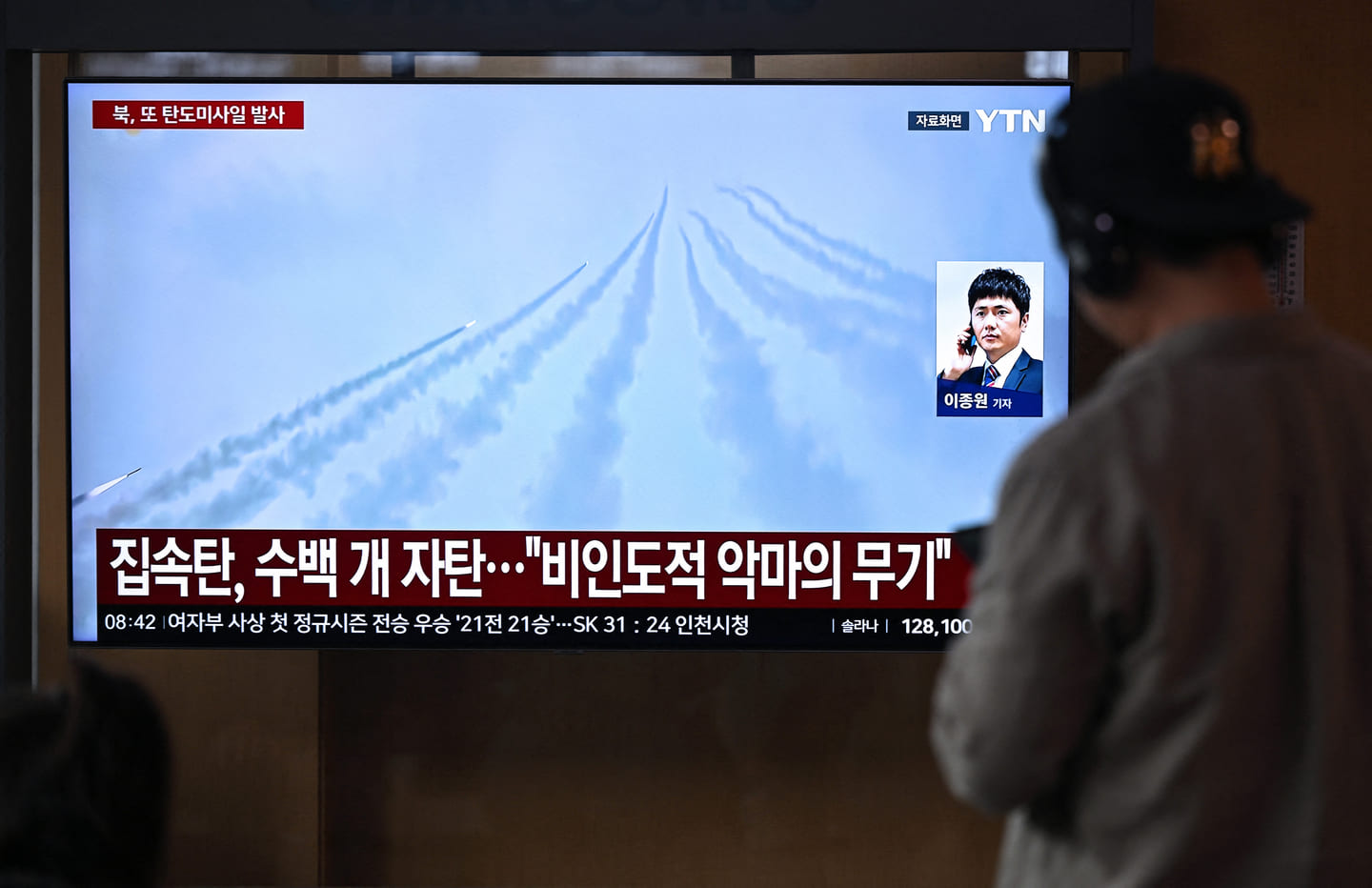
Troubled by the growing salience of nuclear debates in East Asia, Moscow has responded in its usual way: with condemnation and threats. But by exacerbating insecurity, Russia is forcing South Korea and Japan to consider radical security options.

James D.J. Brown

The induction of INS Aridhaman, which features several technological enhancements, now gives India the third nuclear ballistic missile submarine to ensure continuous at-sea deterrent.

Dinakar Peri
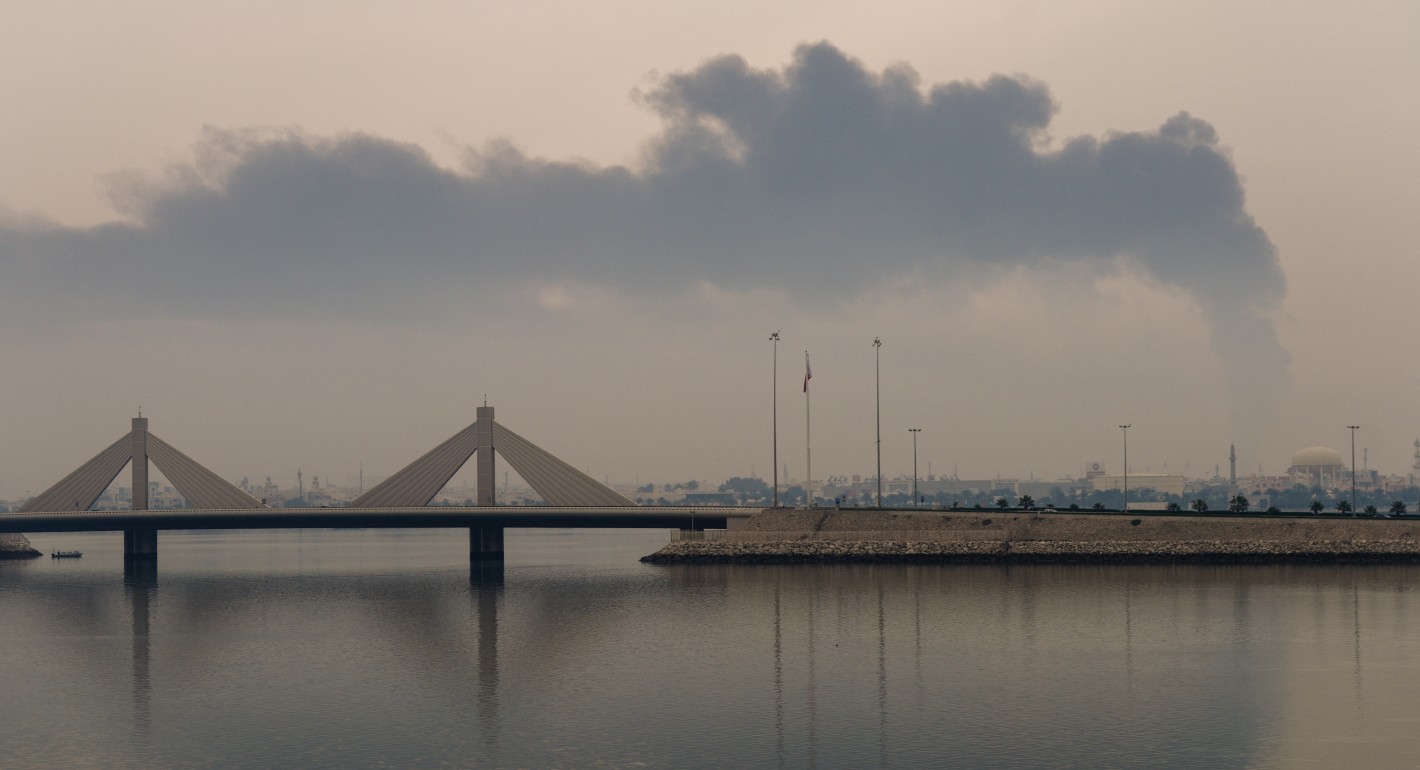
The conflict is exposing the flaws and fissures of their domestic governance and social cohesion.

Frederic Wehrey, Charles H. Johnson

The Russian state has opted for complete ideological control of the internet and is prepared to bear the associated costs.

Maria Kolomychenko
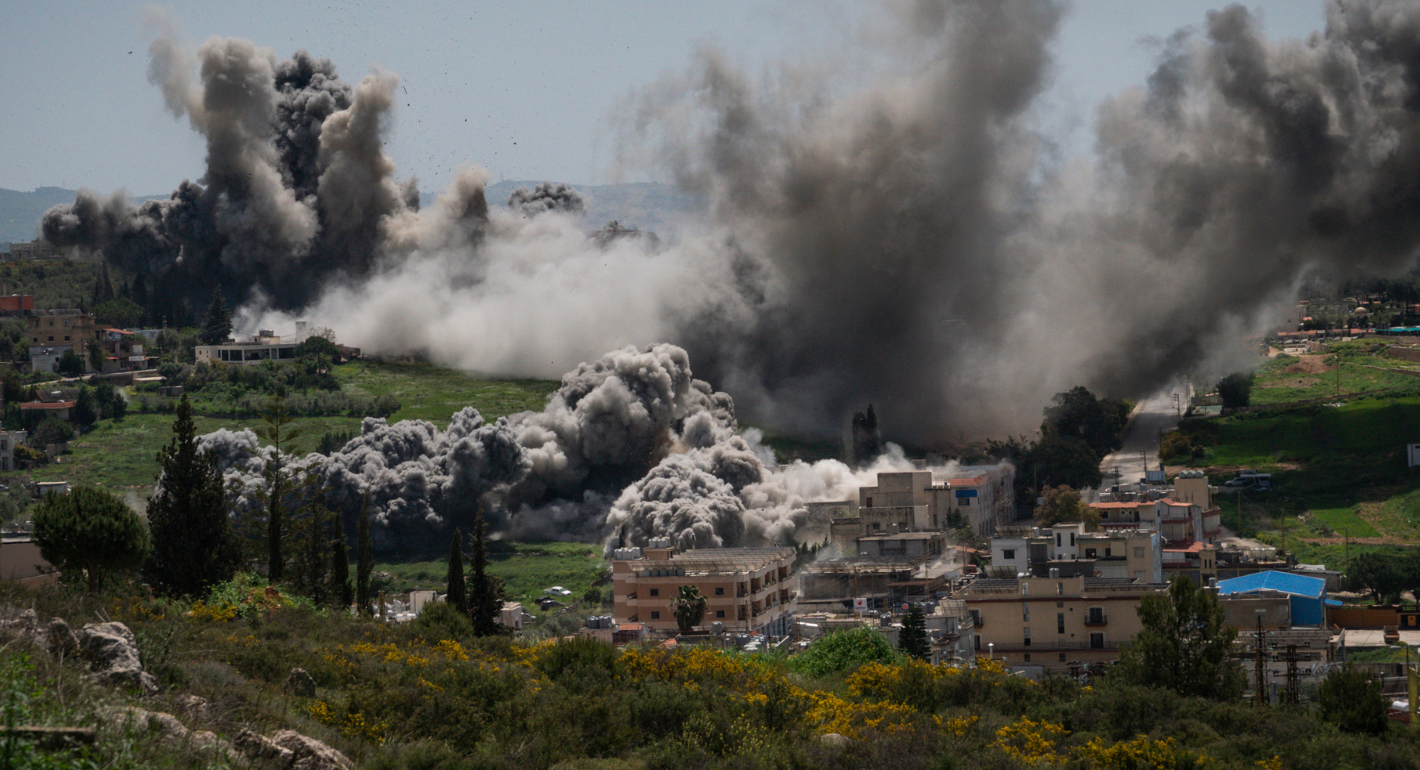
Europe has been standing by while its Southern neighborhood is being redrawn by force. To establish a path to peace between Israel and Lebanon, it’s time for Europeans to get involved with hard power.

Rym Momtaz