

Commentary
The EU can impose sanctions but struggles to enforce them without the United States. With Washington increasingly disinterested in backing European interests, the bloc must now fend for itself.
Nicu Popescu, Tiago Antunes

There has never been a better time for a new, comprehensive review of the troubled state of the international non-proliferation regime along with credible solutions for today's most pressing proliferation problems. Repairing the Regime, is just such a book.
Source: Carnegie Endowment for International Peace and Routledge, May 2000
The proliferation of weapons of mass destruction (WMD) poses the single greatest threat to the national security of the United States. As Secretary of State Madeleine Albright has noted, "The greatest threat to our society at the moment are the weapons of mass destruction. Those are the weapons that know no boundaries." Yet efforts to stem the spread of these weapons suffered serious setbacks during the past year. Every week brought news of Iranian and North Korean missile tests; of the possible terrorist use of deadly biological and chemical agents; and, most dramatically, of nuclear tests in the deserts and mountains of South Asia.
There has never been a better time for a new, comprehensive review of the troubled state of the international non-proliferation regime along with credible solutions for today's most pressing proliferation problems. Repairing the Regime, is just such a book.
In early 1999, 450 experts from 17 nations attended the Carnegie International Non-Proliferation Conference in Washington DC, the most important annual gathering in the non-proliferation field. This collection reflects their passionate debates on the key issues, trends, and dilemmas facing all of us today. It provides strong arguments for both marshaling international resources to repair and sustain the global non-proliferation regime and for dealing concretely with the particular security concerns of the nations and regions most affected by contemporary threats.
Repairing the Regime looks at a multitude of strategies for strengthening controls on WMD and increasing security around the world.
"An important book . . . Repairing the Regime will be of interest to scholars and practitioners alike."
—Jessica Stern, Senior Fellow, Belfer Center for Science and International Affairs, Harvard University and author of The Ultimate Terrorists
"[A]n invaluable resource and timely contribution to the range of troubling proliferation issues and strategies for addressing them offering a rich representation of official and well-informed NGO analyses at a time when the entire regime is at a crossroads."
—Robert Manning, Senior Fellow, Council on Foreign Relations
"Joseph Cirincione has assembled a veritable who's who of international experts . . .[the book's] great strength is the combination of rigorous historical analysis with creative policy prescriptions."
—Mitchell B. Reiss, Director, Reves Center for Intentional Studies, College of William and Mary
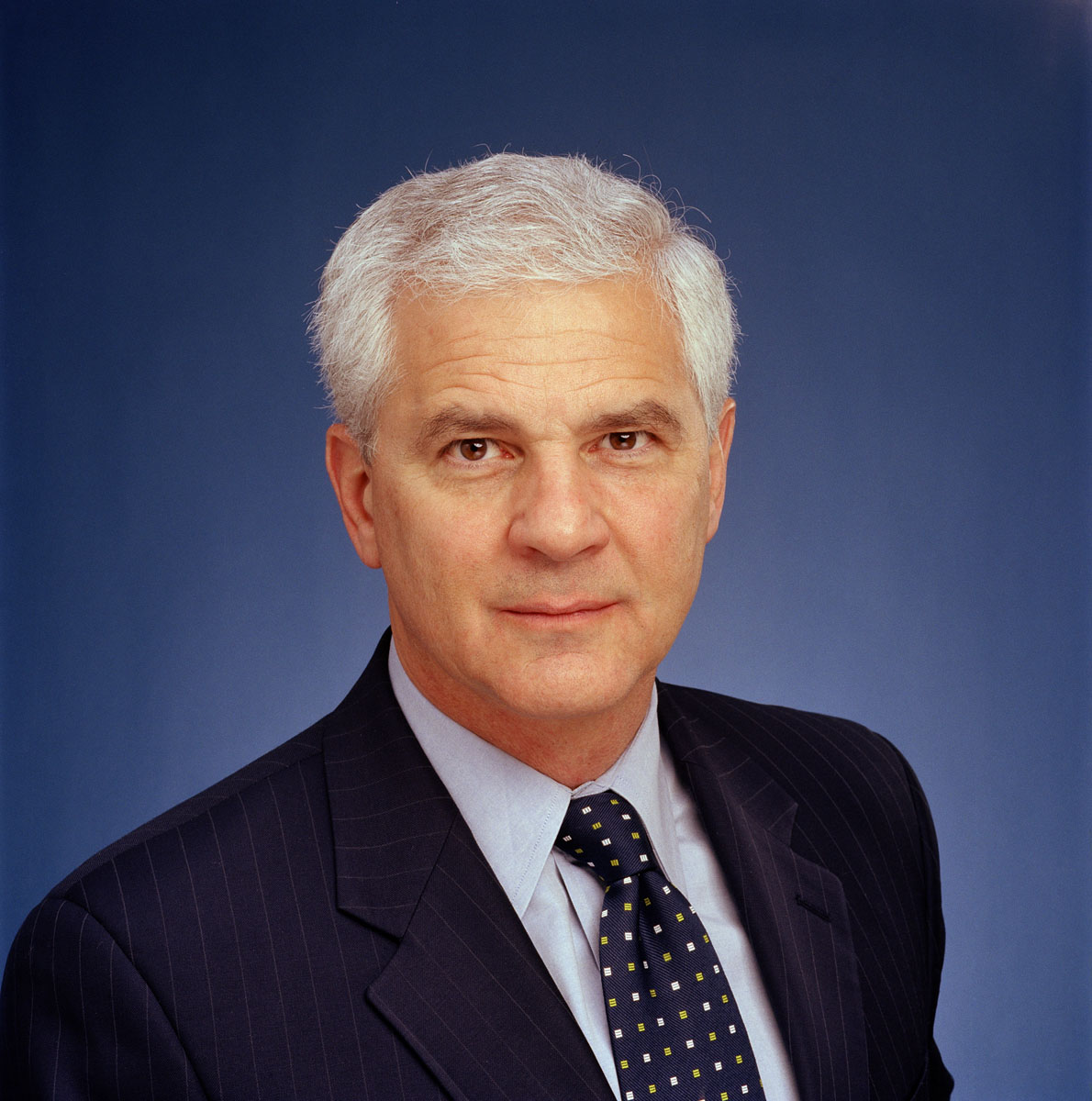
Former Senior Associate, Director for NonProliferation
Former Senior Associate
Carnegie does not take institutional positions on public policy issues; the views represented herein are those of the author(s) and do not necessarily reflect the views of Carnegie, its staff, or its trustees.

The EU can impose sanctions but struggles to enforce them without the United States. With Washington increasingly disinterested in backing European interests, the bloc must now fend for itself.


Nicu Popescu, Tiago Antunes
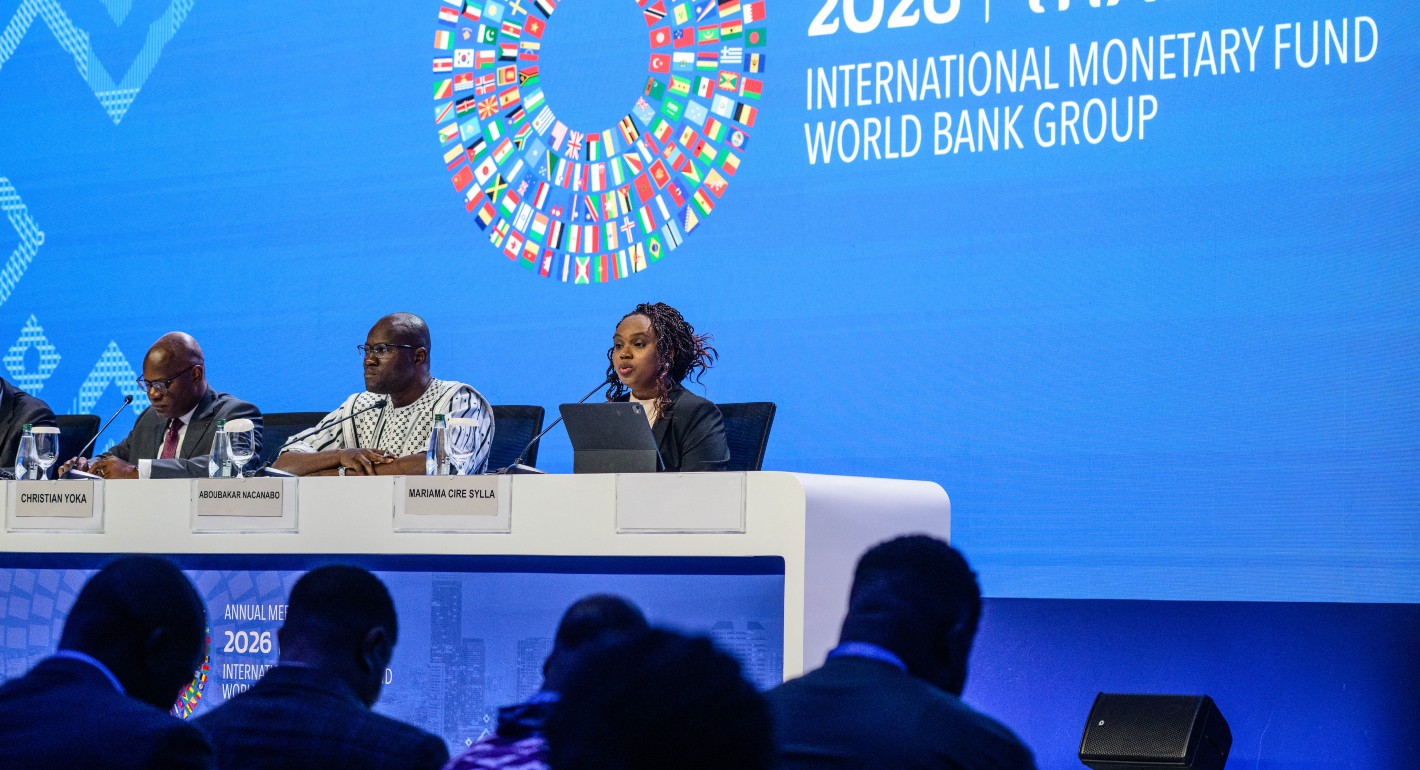
Global and rising powers will need to engage with Africa’s priorities and agency in order to secure the continent’s increasingly attractive partnerships.

Fonteh Akum

Rubio’s recent visit brought welcome attention, but more capital requires governance changes that may be a hard sell for regional governments.

Jennifer B. Murtazashvili

America’s foreign-policy objectives have grown more demanding while Americans have demanded greater focus on their own affairs.

Stephen Wertheim

Japan’s long-term security policy is driven by concerns about China, and there is little appetite for (or interest in) pursuing a confrontation with Moscow.

James D.J. Brown