تعليق

REQUIRED IMAGE
أوراق بحثية
الاقتصاد السياسي للإصلاح في مصر: فهم دور المؤسسات
ان الإصلاح الاقتصادي والذي يعتبر إحدى الأولويات الحيوية للحكومة المصرية لم يكن فعالاً بشكل كامل لأسباب رئيسية ثلاثة: افتقار الإصلاح الاقتصادي الى الدعم الجماهيري، فشل مصر في خلق بيئة أعمال منافسة، وافتقار مصر إلى مؤسسات ديناميكية وشفافة بشكل كاف
نشر في 25 أكتوبر 2007
لعبت العوامل الخارجية دورا هاما في تعزيز النمو الاقتصادي والمحافظة على استقرار الاقتصاد المصري خلال السنوات القليلة الماضية. ولكن لا وجود لأي عنصر يضمن استمرارية هذا الأداء. وفي الفترة نفسها لم تنجح مصر في التوصل إلى حلول جذرية لمواجهة التحديات الاقتصادية والاجتماعية الرئيسة التي تواجهها؛ هذا ما ورد في ورقة جديدة صادرة عن مؤسسة كارنيغي.
وفي هذا السياق، وجد الباحث في مركز كارنيغي للشرق الأوسط سفيان العيسة في ورقته بعنوان: "الاقتصاد السياسي للإصلاح في مصر: فهم دور المؤسسات"، أنّ الإصلاح الاقتصادي والذي يعتبر إحدى الأولويات الحيوية للحكومة المصرية لم يكن فعالاً بشكل كامل لأسباب رئيسية ثلاثة: افتقار الإصلاح الاقتصادي الى الدعم الجماهيري، فشل مصر في خلق بيئة أعمال منافسة، وافتقار مصر إلى مؤسسات ديناميكية وشفافة بشكل كاف، فضلاً عن غياب العناصر الرئيسة التالية:
- لم تنجح مصر في خلق بيئة صحية ومنافسة لتنمية قطاع الأعمال، إذ بالرغم من إصدار العديد من القوانين التي تنظم بيئة الأعمال, لم يتم تطوير آليات فعالة لفرض وتطبيق هذه القوانين الجديدة، في حين بدا الأداء متواضعاً جداً في مجال محاربة الفساد.
- يفتقر الإصلاح الاقتصادي في مصر الى الدعم الجماهيري بسبب النظرة السائدة والتي تعتبر أنه يخلق ضرراً وليس فائدة، ذلك لأن الإصلاحات السابقة لم تنجح في إيجاد حلول للمشاكل الاجتماعية والاقتصادية، فضلاً عن الاعتقاد بأن الإصلاحات الاقتصادية ستعمّق الهوة بين الفقراء والأغنياء قبل أن يشعر العامة بالنتائج الإيجابية لهذه الإصلاحات.
- إقصاء غالبية القطاع الخاص والمجتمع المدني عن الحوار الدائر حول إستراتيجيات الإصلاح الاقتصادي في مصر، وبالتالي تبرز أهمية المشاركة الجماهيرية وضرورتها لتعزيز مؤسسات المجتمع المدني وبناء دور فعال لهذه المؤسسات في مجال تصميم وتطبيق برنامج إصلاح اقتصادي متكامل.
وفي هذا الصدد، ينوّه سفيان العيسة في ورقته بضرورة "التشديد على أنّ التنمية المؤسسية تحتاج إلى وقت طويل. ونظراً إلى طبيعة الدولة المصرية والأطراف الرئيسة المعنية في السوق والمجتمع المدني، يبدو من شبه المستحيل تطوير المؤسسات الضرورية وتشغيلها بالطريقة الصحيحة في فترة وجيزة، وبالتالي يتعين على الدولة المصرية اتخاذ قرار حاسم: إمّا البدء بتطوير هذه المؤسسات على جانح السرعة أو التأخر؛ ولا تقع مسؤولية بناء هذه المؤسسات على عاتق الدولة المصرية فحسب، بل تشمل أيضاً القطاع الخاص والمجتمع المدني".
عن المؤلف
Sufyan Alissa
Former Associate, Middle East Center
- الدول العربية: الفساد والإصلاح
الأعمال الحديثة
لا تتخذ كارنيغي مواقف مؤسسية بشأن قضايا السياسة العامة؛ الآراء المعبر عنها هنا هي آراء المؤلف(ين) ولا تعكس بالضرورة آراء كارنيغي أو موظفيها أو أمنائها.
المزيد من أعمال Carnegie Endowment for International Peace
- ثلاثة شروخ ونهاية السلام الأميركي في الشرق الأوسطتعليق
مع تعثّر الولايات المتحدة في حربها مع إيران، يُرجَّح أن نشهد تسارعًا في وتيرة فكّ ارتباطها بالمنطقة.
مايكل يونغ
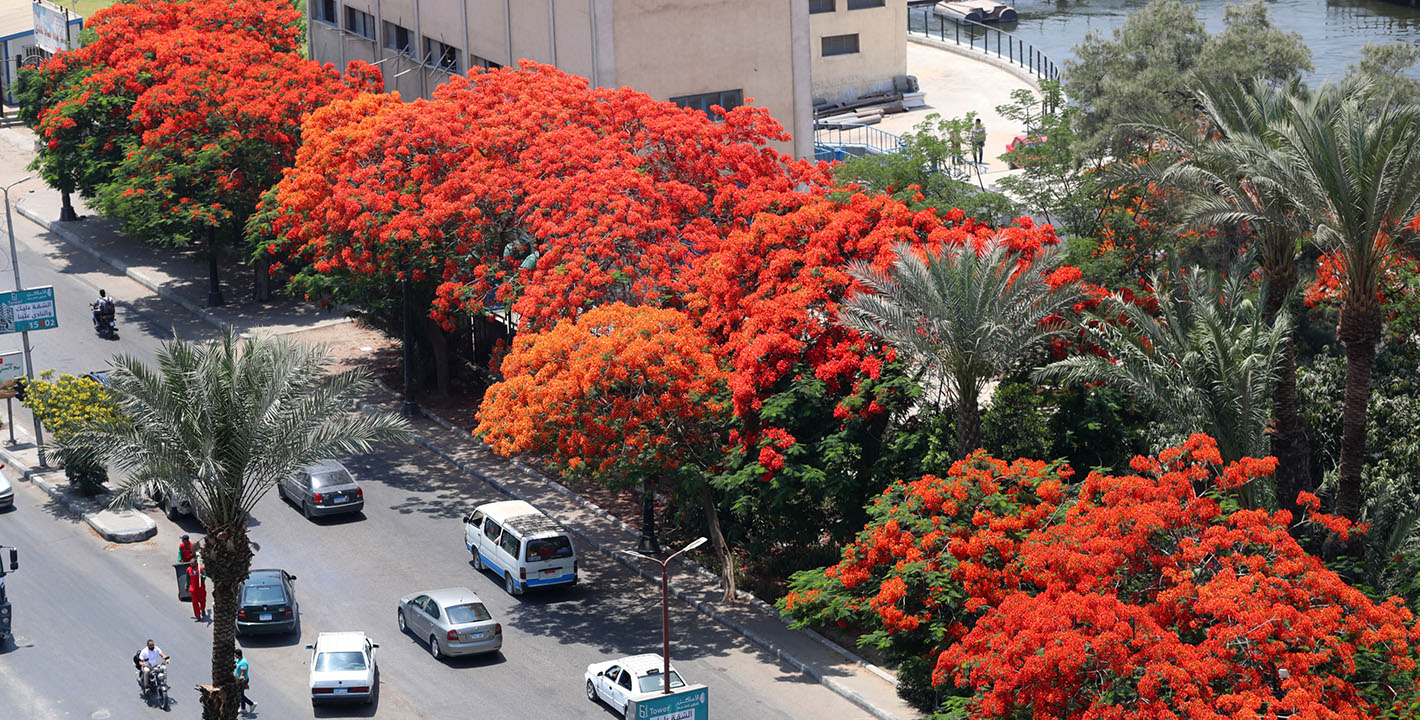
- مَن يقطع أشجار القاهرة؟تعليق
إن لانحسار الغطاء النباتي في مدن مصر المكتظّة بالسكان تبعات صحية، ناهيك عن أنه يزيد مشقّة المتنقّلين يوميًا.
انجي عمر
- القاهرة تلعب على التنافس الصيني الأميركي في مجال الذكاء الاصطناعيتعليق
بذلت "هواوي" جهودًا حثيثة لدخول سوق مراكز البيانات في مصر، إلى أن قدّمت الولايات المتحدة عرضًا أفضل.
انجي عمر
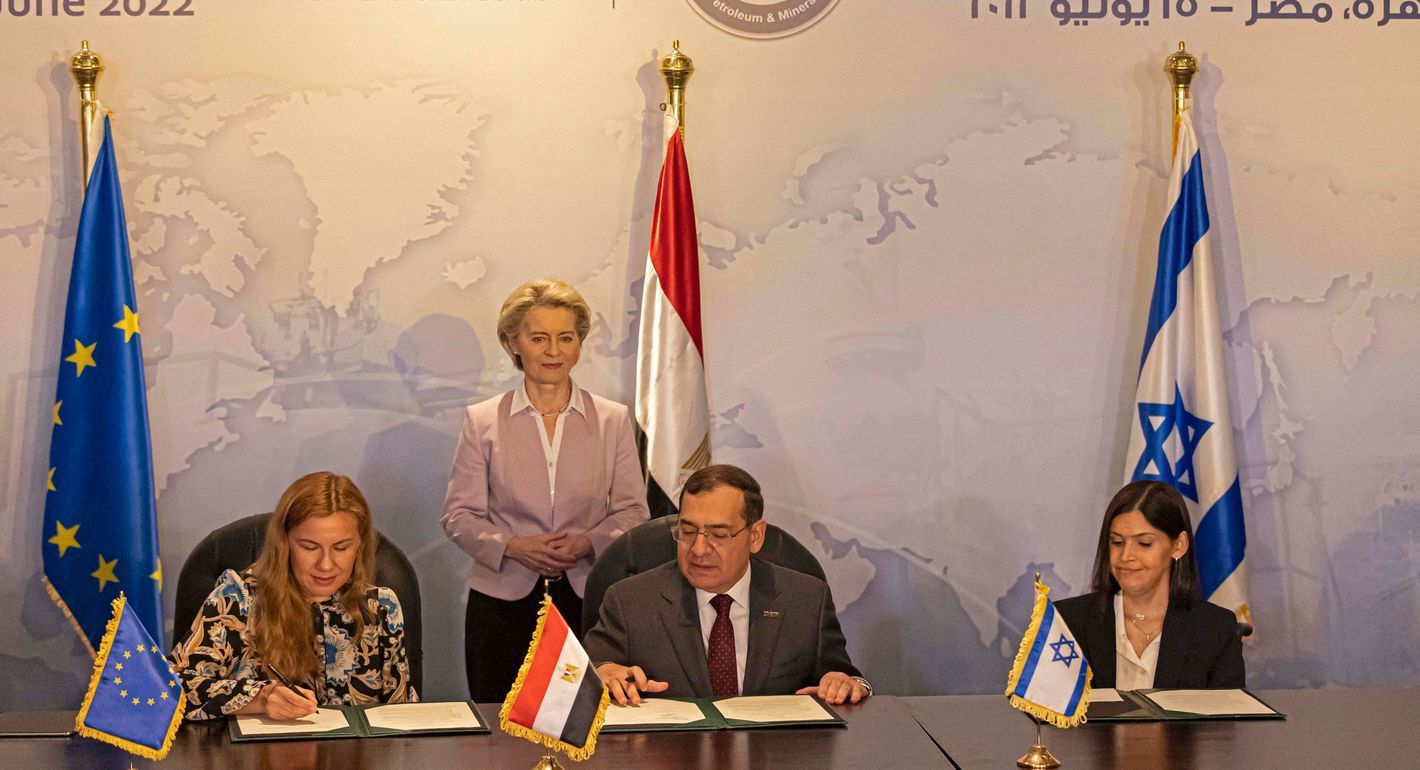
- الغاز والسلام: هل تستطيع التجارة احتواء الصراع بين مصر وإسرائيل؟تعليق
هل يمكن للغاز أن يخفف التوتر بين مصر وإسرائيل، أم أن المصالح الاقتصادية تؤجل الصدام فقط؟ يقارن المقال بين صفقة الغاز المصرية-الإسرائيلية والتجربة الألمانية-الروسية ليكشف حدود قدرة التجارة والاعتماد المتبادل على احتواء الصراع.
نورهان حفظي
- من هرمز إلى المغرب العربي: الامتداد الجيوسياسي لأزمةٍ خليجيةمقالة
يضطرّ المغرب والجزائر، كلٌّ على طريقته، إلى التعامل مع التداعيات الاقتصادية للحملة العسكرية الأميركية الإسرائيلية ضدّ إيران.
ياسمين زغلول