• Research
  • Emissary
  • About
  • Experts
Carnegie Global logoCarnegie lettermark logo
DemocracyIran
  • Donate
The Battle of Dubai: The United Arab Emirates and the U.S.-Iran Cold War

Source: Getty

Paper
Malcolm H. Kerr Carnegie Middle East Center

The Battle of Dubai: The United Arab Emirates and the U.S.-Iran Cold War

If the United States and the United Arab Emirates seek to move beyond sanctions and military containment to address the deeper roots of the Iranian threat, they may find they have differing long-term interests.

Link Copied
By Karim Sadjadpour
Published on Jul 27, 2011

Additional Links

Full Text
Program mobile hero image

Program

Middle East

The Middle East Program in Washington combines in-depth regional knowledge with incisive comparative analysis to provide deeply informed recommendations. With expertise in the Gulf, North Africa, Iran, and Israel/Palestine, we examine crosscutting themes of political, economic, and social change in both English and Arabic.

Learn More

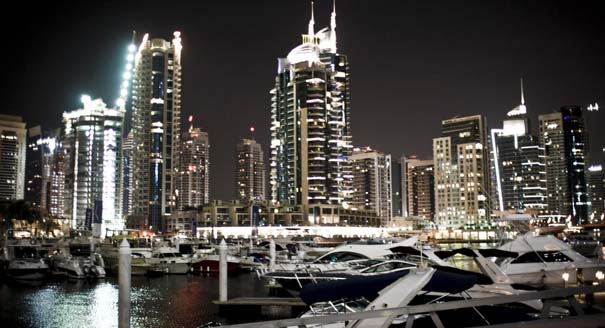
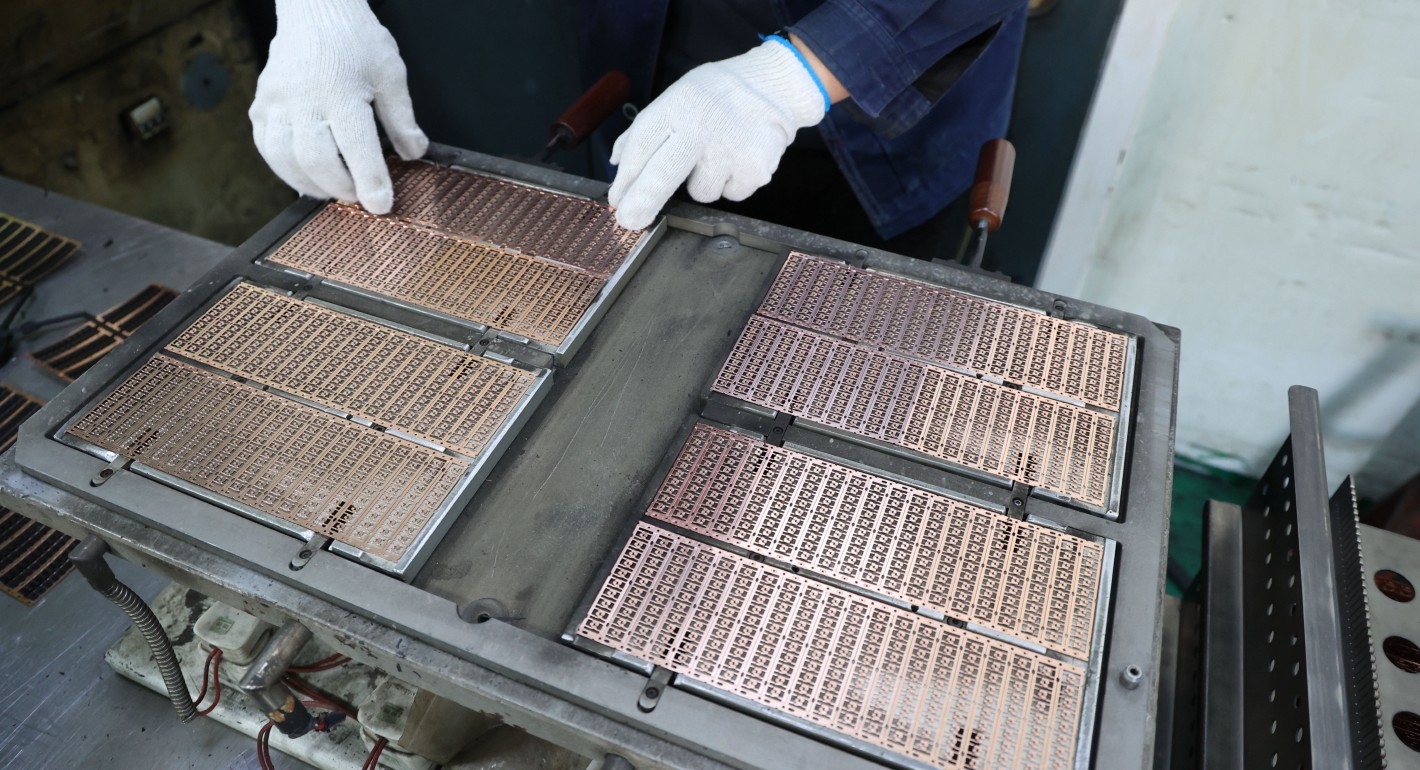
As the United States seeks to contain Iran’s nuclear ambitions through economic sanctions and diplomatic isolation, the United Arab Emirates (UAE) has come to play a critical yet often ambiguous role. The UAE, namely the emirate of Dubai, is a top source of Iranian imports and a key transshipment point for goods—legal and illegal—destined for the Islamic Republic. Dubai’s bustling and loosely regulated ports have repeatedly frustrated international sanctions against Iran.

At the same time, the government in Abu Dhabi feels acutely threatened by Iran and has consequently forged a strategic alliance with the United States. The UAE spends billions of dollars on U.S. arms and Emirati officials have privately urged the United States to consider all possible options—including military intervention—to stop Iran’s nuclear program. Additionally, the UAE has allowed the United States to use Dubai—home to the world’s second-largest Iranian diaspora community—as a perch to gather information on Iran.

A combination of U.S. pressure and Abu Dhabi’s newfound economic and political clout over Dubai has led the UAE to significantly enhance the enforcement of sanctions in recent years. Yet both the United States and the UAE face serious obstacles in distinguishing between legal and illegal commerce and have felt a backlash from legitimate merchants who feel unfairly targeted.

Few policymakers in Washington or Abu Dhabi believe that sanctions alone will modify Iran’s external behavior or curtail its nuclear ambitions. But if the United States and the UAE seek to move beyond sanctions and military containment to address the deeper roots of the Iranian threat—namely the character of the Iranian regime—they may find they have differing long-term interests.
 

About the Author

Karim Sadjadpour

Senior Fellow, Middle East Program

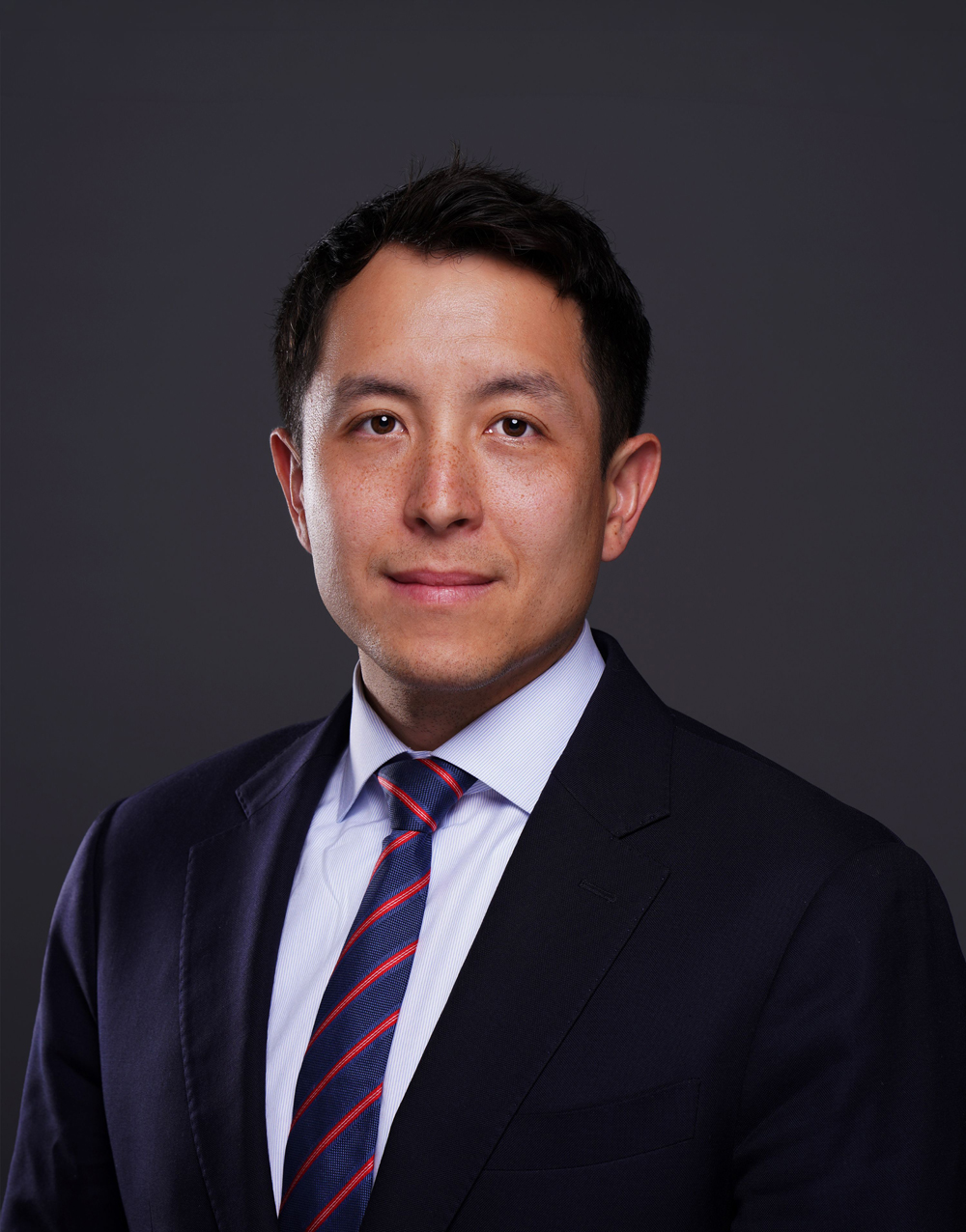
Karim Sadjadpour is a senior fellow at the Carnegie Endowment for International Peace, where he focuses on Iran and U.S. foreign policy toward the Middle East.

    Recent Work

  • Q&A
    What’s Keeping the Iranian Regime in Power—for Now

      Aaron David Miller, Karim Sadjadpour, Robin Wright

  • Q&A
    How Washington and Tehran Are Assessing Their Next Steps

      Aaron David Miller, David Petraeus, Karim Sadjadpour

Karim Sadjadpour
Senior Fellow, Middle East Program
Karim Sadjadpour
Middle EastIranUnited Arab EmiratesGulfPolitical ReformForeign PolicyNuclear Policy

Carnegie does not take institutional positions on public policy issues; the views represented herein are those of the author(s) and do not necessarily reflect the views of Carnegie, its staff, or its trustees.

More Work from Carnegie Endowment for International Peace

  • Man standing next to a pile of burned cars
    Commentary
    Emissary
    The Myriad Problems With the Iran Ceasefire

    Four Middle East experts analyze the region’s reactions and next steps.

      • Andrew Leber
      • Eric Lob
      • +1

      Amr Hamzawy, Andrew Leber, Eric Lob, …

  •  A machine gun of a Houthi soldier mounted on a police vehicle next to a billboard depicting the U.S. president Donald Trump and Mohammed Bin Salman, the Crown Prince and Prime Minister of Saudi Arabia, during a protest staged to show support to Iran against the U.S.-Israel war on March 27, 2026 in Sana'a, Yemen.
    Collection
    The Iran War’s Global Reach

    As the war between the United States, Israel, and Iran continues, Carnegie scholars contribute cutting-edge analysis on the events of the war and their wide-reaching implications. From the impact on Iran and its immediate neighbors to the responses from Gulf states to fuel and fertilizer shortages caused by the effective shutdown of the Strait of Hormuz, the war is reshaping Middle East alliances and creating shockwaves around the world. Carnegie experts analyze it all.

  •  A machine gun of a Houthi soldier mounted on a police vehicle next to a billboard depicting the U.S. president Donald Trump and Mohammed Bin Salman, the Crown Prince and Prime Minister of Saudi Arabia, during a protest staged to show support to Iran against the U.S.-Israel war on March 27, 2026 in Sana'a, Yemen.
    Article
    Amid Iran War, Gulf Countries Slow the Pace of Reforms

    The return of war as the organizing factor in Middle Eastern politics has predictable consequences: governments are prioritizing regime stability and becoming averse to political and social reform.

      • Sarah Yerkes

      Sarah Yerkes, Amr Hamzawy

  • Commentary
    Carnegie Politika
    Power, Pathways, and Policy: Grounding Central Asia’s Digital Ambitions

    Central Asia’s digital ambitions are achievable, but only if policy is aligned with the region’s physical constraints.

      Aruzhan Meirkhanova

  • Commentary
    Strategic Europe
    Taking the Pulse: Can NATO Survive the Iran War?

    Donald Trump has repeatedly bashed NATO and European allies, threatening to annex Canada and Greenland and deploring their lack of enthusiasm for his war of choice in Iran. Is this latest round of abuse the final straw?

      • Rym Momtaz

      Rym Momtaz, ed.

Get more news and analysis from
Carnegie Endowment for International Peace
Carnegie global logo, stacked
1779 Massachusetts Avenue NWWashington, DC, 20036-2103Phone: 202 483 7600Fax: 202 483 1840
  • Research
  • Emissary
  • About
  • Experts
  • Donate
  • Programs
  • Events
  • Blogs
  • Podcasts
  • Contact
  • Annual Reports
  • Careers
  • Privacy
  • For Media
  • Government Resources
Get more news and analysis from
Carnegie Endowment for International Peace
© 2026 Carnegie Endowment for International Peace. All rights reserved.